

How can parents teach babies to drink without spills?
Teaching babies to drink becomes easier when parents use calm guidance, short practice sessions, and a supportive infant feeding cup. The right cup design encourages steady sips, reduces spills, and helps babies learn control early. With consistency and patience, mess-free drinking can start sooner than most parents expect.
Teaching Babies to Drink Without Mess or Frustration
Teaching babies to drink is a milestone many parents look forward to—and quietly worry about. Will it be messy? Will my baby choke? Is it too early? The good news is that with simple steps and the right tools, you can help your baby drink confidently, with fewer spills and less stress for everyone.
⏱ 6 min read
Explore a cup designed for calmer, cleaner sips
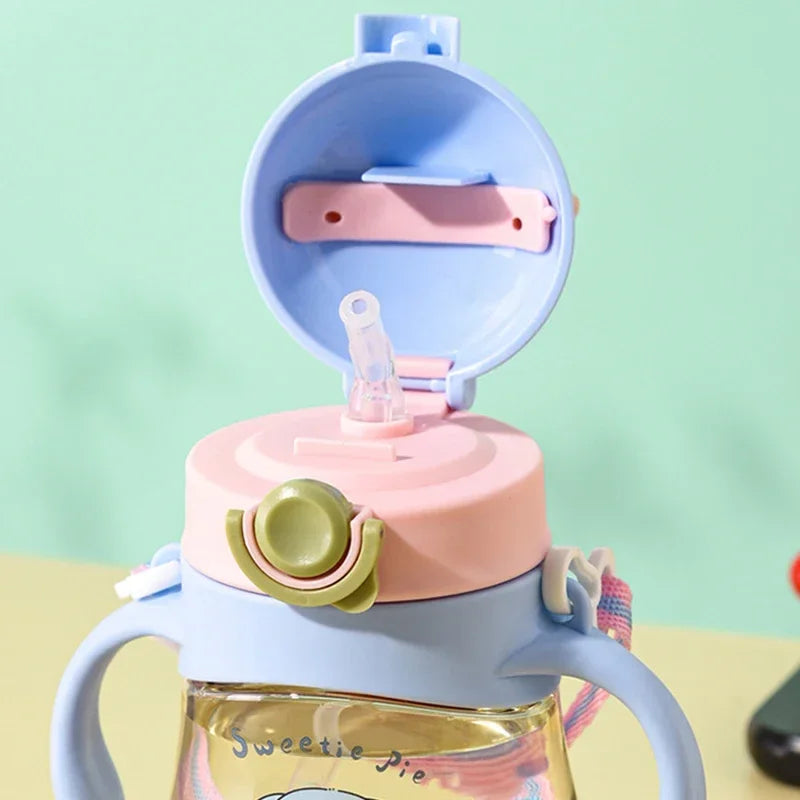
Teaching babies to drink smoothly starts with the right setup 💡 See it in action
Why Drinking Gets So Messy at First
Spills aren’t a sign of failure—they’re part of learning. Babies are still developing lip closure, tongue control, and hand coordination. Without the right support, milk pours too fast, cups tip easily, and frustration builds.
- Limited muscle control in lips and cheeks
- Difficulty pacing liquid flow
- Cups that tip or leak easily
- Overwhelming cup size or weight
Understanding this helps parents respond with patience instead of worry.
When Is the Right Time to Start Teaching Babies to Drink?
Teaching babies to drink often begins around 6 months, when babies can sit with support and bring objects to their mouth. This stage is ideal for introducing an infant feeding cup that encourages small, controlled sips.
Many parents are surprised how quickly babies adapt when cups are introduced gently and consistently.
For guidance on supportive feeding routines, parents often explore helpful tools within Feeding & Nursing collections.
How to Teach Babies to Drink Step by Step
Teaching babies to drink works best when broken into small, calm steps. Short sessions prevent overwhelm and help babies feel safe.
- Start with a small amount of liquid to avoid flooding the mouth.
- Hold the cup at first so your baby learns the motion.
- Encourage sipping, not sucking air.
- Practice once or twice daily during relaxed meals.
Consistency matters more than speed. Most babies improve noticeably within one to two weeks.
Learn how this cup supports steady, spill-controlled sipping
How the Right Infant Feeding Cup Makes a Difference
Teaching babies to drink becomes far less messy when the cup supports natural oral development. A straw cup for 6 month old babies allows controlled flow, encourages proper tongue movement, and reduces sudden spills.
Parents often notice:
- Less liquid pooling in the mouth
- Improved swallowing rhythm
- More confidence during meals
- Fewer outfit changes afterward
Exploring safe designs within Feeding Tools can help parents choose cups that match their baby’s abilities.

An infant feeding cup can reduce spills and frustration 💡 See it in action
Comparing Common Baby Cup Options
| Type | Pros | Challenges |
|---|---|---|
| Open cup | Natural skill development | High spill risk |
| Sippy cup | Easy transition | Less oral muscle engagement |
| Straw cup | Controlled flow, skill support | Needs proper design |
Many parents find straw cups strike the best balance between learning and cleanliness.
Real-Life Mealtime Scenarios Parents Face
“My baby throws the cup every time.” “My kitchen floor is always soaked.” “My baby coughs when drinking.”
These moments are common. Parents report improved results when cups are lightweight, spill-resistant, and sized for small hands. Products designed with safety in mind often appear alongside essentials in Health & Safety selections.
Get a cup trusted by parents for cleaner, safer drinking

The best cups for 6 month olds help babies drink with confidence 💡 See it in action
Frequently Asked Questions
Is teaching babies to drink stressful?
Teaching babies to drink feels stressful when spills and coughing happen often. Using calm routines and a supportive infant feeding cup helps babies learn at their own pace, reducing frustration for both parent and child.
Can a straw cup for 6 month old babies really help?
A straw cup for 6 month old babies supports controlled sipping and oral coordination. Many parents notice fewer spills and smoother swallowing compared to traditional open cups.
What makes the best cups for 6 month olds?
The best cups for 6 month olds are lightweight, easy to grip, spill-resistant, and designed for gentle liquid flow. These features help babies practice drinking safely and confidently.
Related Guide: How to Prevent Cup Spills at Every Mealtime





