

How can parents start teaching toddlers to self-feed successfully?
Teaching toddlers to self-feed works best when daily routines stay simple and consistent. By offering the right infant self feeder, choosing safe infant feeding utensils, and using a practical feeding starter kit, parents can support hand-eye coordination, reduce frustration, and help toddlers build confidence at every meal.
Teaching Toddlers to Self-Feed in Simple Daily Steps
Teaching toddlers to self-feed can feel overwhelming at first—spilled food, endless cleanup, and uncertainty about whether your child is “doing it right.” But with small, repeatable daily habits and the right tools, mealtime can become calmer, safer, and more empowering for both parent and child.
⏱ 7 min read
Which small habit makes the biggest difference at mealtime? Many parents are surprised to learn it’s not about forcing skills—but about giving toddlers the right setup and letting practice happen naturally.
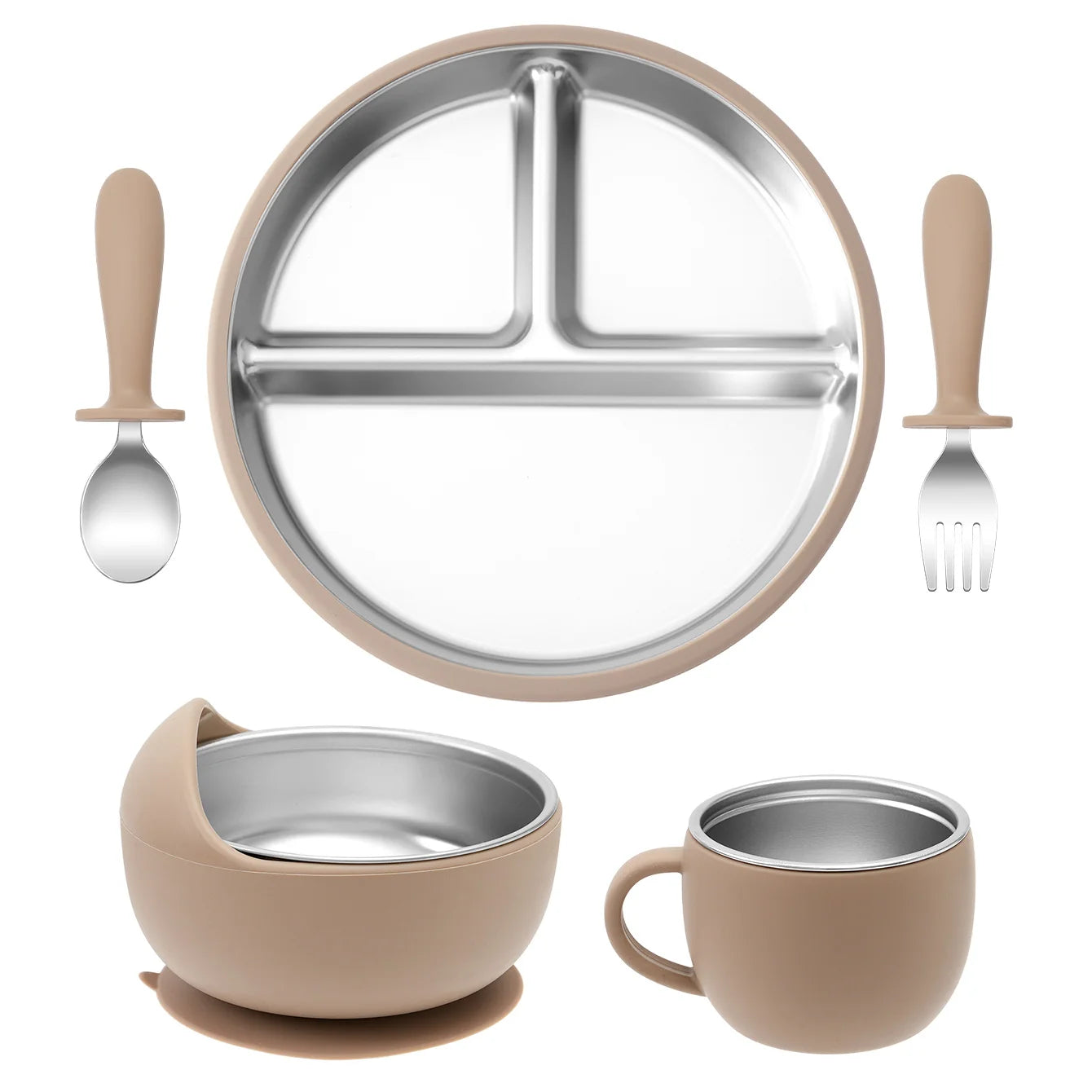
Teaching toddlers to self-feed with an infant self feeder and infant feeding utensils 💡 See it in action
Why Self-Feeding Matters for Toddlers
Teaching toddlers to self-feed goes beyond eating. It supports fine motor development, hand-eye coordination, and early independence. When toddlers control their own bites, they also learn hunger cues and portion awareness—skills that last well beyond the toddler years.
- Strengthens coordination and grip control
- Encourages curiosity with new foods
- Reduces power struggles during meals
- Builds confidence through small successes
Many families exploring Baby Growth & Learning tools find that self-feeding supports both physical and emotional development in everyday routines.
When to Start Teaching Toddlers to Self-Feed
Teaching toddlers to self-feed often begins earlier than parents expect. Signs of readiness usually appear between 6–9 months, when babies can sit upright, grasp objects, and show interest in food.
Rather than waiting for “perfect” skills, offering simple opportunities helps toddlers learn through repetition. Soft foods, short meals, and calm encouragement are more effective than pressure.
Simple Daily Steps That Build Self-Feeding Skills
Teaching toddlers to self-feed succeeds when practice happens in small, predictable steps. Consistency matters more than speed.
- Start with one self-feeding item per meal
- Use the same infant feeding utensils daily
- Offer manageable portions to prevent overwhelm
- Let mess happen without interrupting focus
Parents who keep a basic feeding starter kit nearby often find it easier to stay patient and supportive during learning moments.
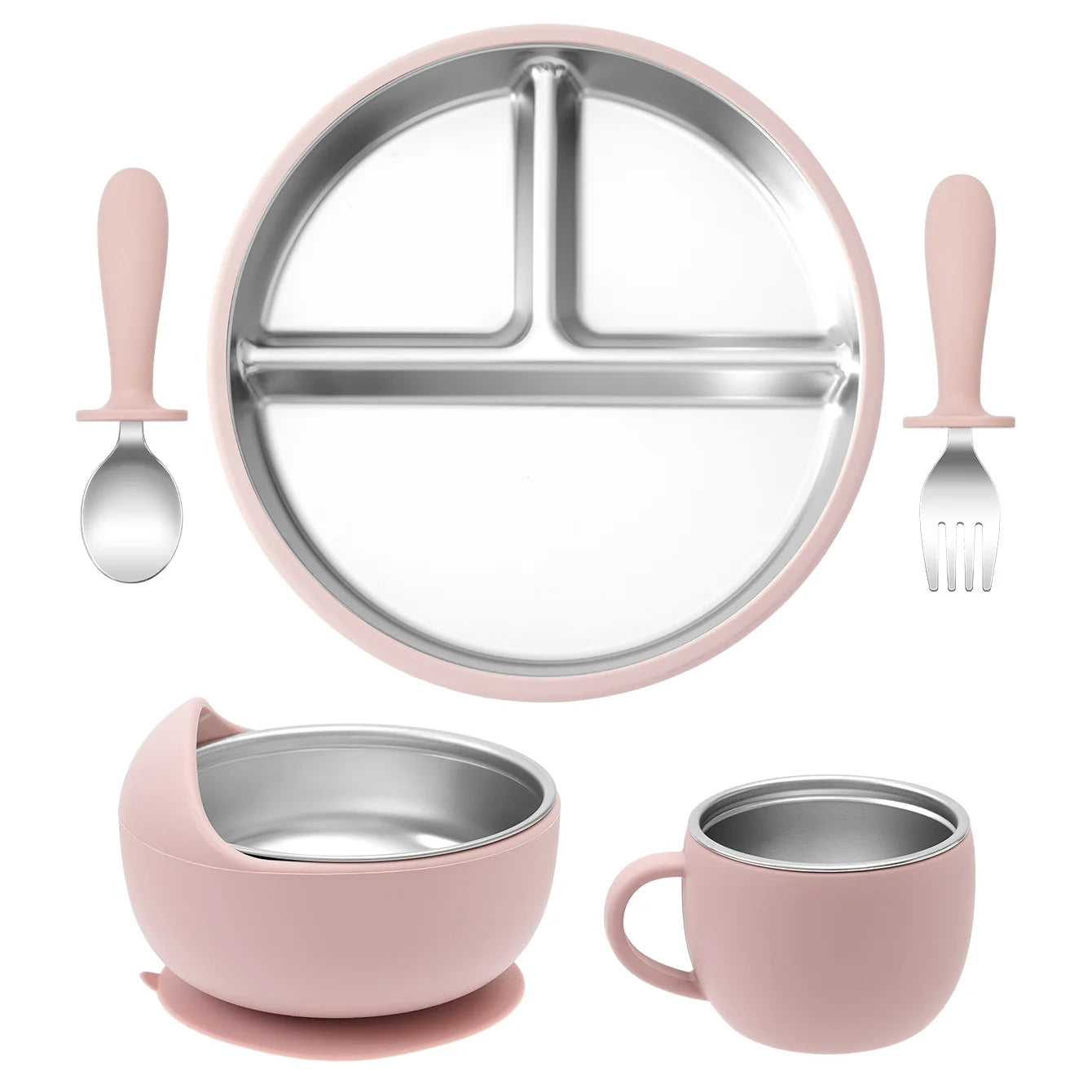
Infant self feeder practice during daily meals 💡 See it in action
Choosing the Right Infant Feeding Tools
Teaching toddlers to self-feed becomes easier with age-appropriate tools designed for small hands. An infant self feeder allows safe exploration of textures, while balanced infant feeding utensils reduce wrist strain and slipping.
Many parents prefer stainless or BPA-free options included in a well-rounded feeding starter kit. Practical sets help simplify decisions and keep routines consistent.
Explore supportive options in Feeding Tools and Feeding & Nursing collections to match your child’s stage.
How to Reduce Mess Without Limiting Learning
Mess is part of teaching toddlers to self-feed—but it doesn’t have to feel chaotic. Simple adjustments can protect your space while preserving your child’s independence.
- Serve thicker foods that stick to utensils
- Use suction bases or weighted bowls
- Keep wipes and bibs within reach
- End meals before fatigue causes frustration
Families browsing Baby Care Essentials often discover small accessories that dramatically reduce cleanup stress.
Building Confidence and Independence at Mealtime
Teaching toddlers to self-feed is as emotional as it is physical. Praise effort, not outcomes. A dropped spoon is still learning in progress.
Many parents notice fewer mealtime battles once toddlers feel trusted to try. Over time, self-feeding nurtures independence that extends into other daily tasks.
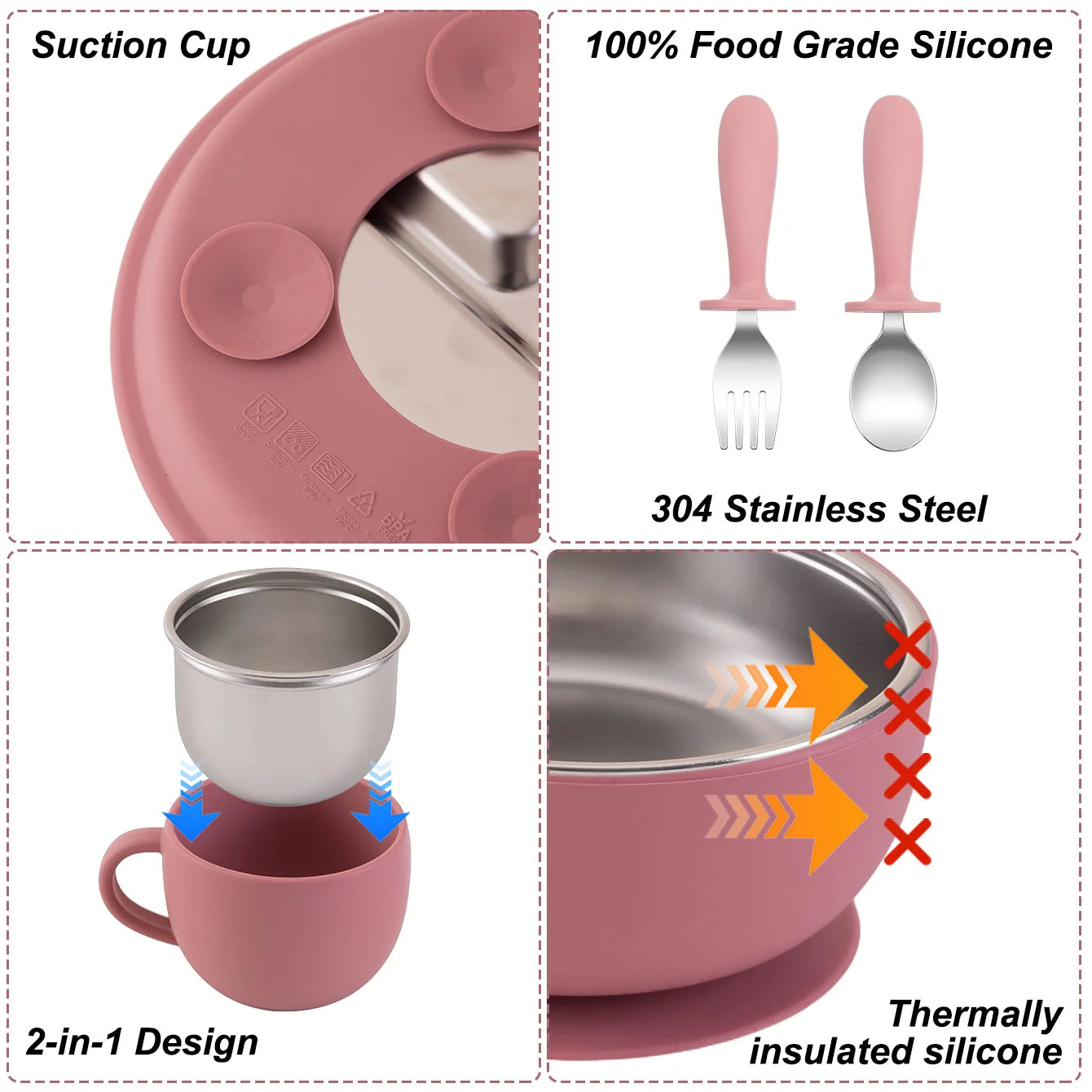
Feeding starter kit supporting toddler independence 💡 See it in action
Mini FAQ
Is mess normal when teaching toddlers to self-feed?
Yes. Mess is part of learning. With time and consistent tools, coordination improves and cleanup becomes easier.
What utensils work best for beginners?
Short-handled, non-slip infant feeding utensils with rounded edges are easiest for toddlers to control safely.
How long does it take for toddlers to self-feed confidently?
Every child is different, but most show steady improvement within weeks of daily, pressure-free practice.
Related Guide: Feeding Tips for Infants: Step-by-Step First Meals





