

What are the best tips for baby self-feeding?
Tips for baby self-feeding focus on readiness, safety, and simple tools that match your child’s abilities. Babies learn best when allowed to explore food textures at their own pace, using age-appropriate feeders and supervision. Encouraging independence this way supports healthy habits, reduces mealtime stress, and strengthens early motor skills.
Tips for Baby Self-Feeding: Encouraging Independence Safely
⏱ 7 min read
Introduce solids 4 months often raises big questions: Is my baby ready? Am I doing this safely? Many parents worry about mess, choking risks, or baby self-feeding struggles when they first offer food. The good news is that with the right approach, self-feeding can become a positive milestone that builds confidence, coordination, and curiosity at the table.

Tips for baby self-feeding with gentle textures and safe tools 💡 See it in action
Why Baby Self-Feeding Matters for Development
Self-feeding is more than a cute moment—it plays a key role in infant motor skills milestones. When babies grasp, bring food to their mouths, and explore textures, they strengthen hand-eye coordination and oral muscles.
- Builds independence and confidence
- Supports fine motor development
- Encourages interest in a wider variety of foods
- Helps babies listen to hunger and fullness cues
Parents who support self-feeding early often report smoother transitions to family meals later on.
How to Know Your Baby Is Ready to Self-Feed
Before focusing on tips for baby self-feeding, it’s important to watch for feeding readiness signs. Introducing solids too early can increase frustration and safety risks.
Common readiness signs include:
- Sitting with minimal support
- Good head and neck control
- Bringing objects to the mouth
- Showing interest when others eat
If your baby shows these signs around 4–6 months, gentle self-feeding experiences can begin under close supervision.
Essential Tips for Baby Self-Feeding
Tips for baby self-feeding work best when they balance freedom with structure. Start simple, stay patient, and focus on progress rather than perfection.
Tips for baby self-feeding should always prioritize safety, comfort, and age-appropriate textures. Allowing exploration without pressure helps babies develop trust in food and their own abilities while reducing power struggles at mealtime.
- Offer soft, mashable foods or purées
- Let your baby lead the pace
- Expect mess—it’s part of learning
- Always supervise closely
How to Overcome Baby Self-Feeding Struggles
Baby self-feeding struggles are normal. Many parents notice food dropping, gagging, or refusal at first. These moments don’t mean failure—they’re part of skill-building.
| Common Challenge | What Helps |
|---|---|
| Food slipping from hands | Use textured or ergonomic feeders |
| Gagging on textures | Offer smoother consistencies and smaller amounts |
| Messy mealtimes | Protect surfaces and lower expectations |
Consistency and calm reactions help babies feel safe as they learn.
Choosing Safe and Ergonomic Feeding Tools
Using the right tools can ease baby self-feeding struggles significantly. An ergonomic baby feeder for self-feeding allows babies to practice chewing and gripping while reducing choking risks.
Many parents prefer soft silicone designs that fit small hands and limit large food pieces. A thoughtful option is a silicone baby fruit feeder, which supports exploration while keeping safety top of mind.
Pairing feeders with essentials from Feeding Tools and Feeding & Nursing collections helps create a smoother routine.
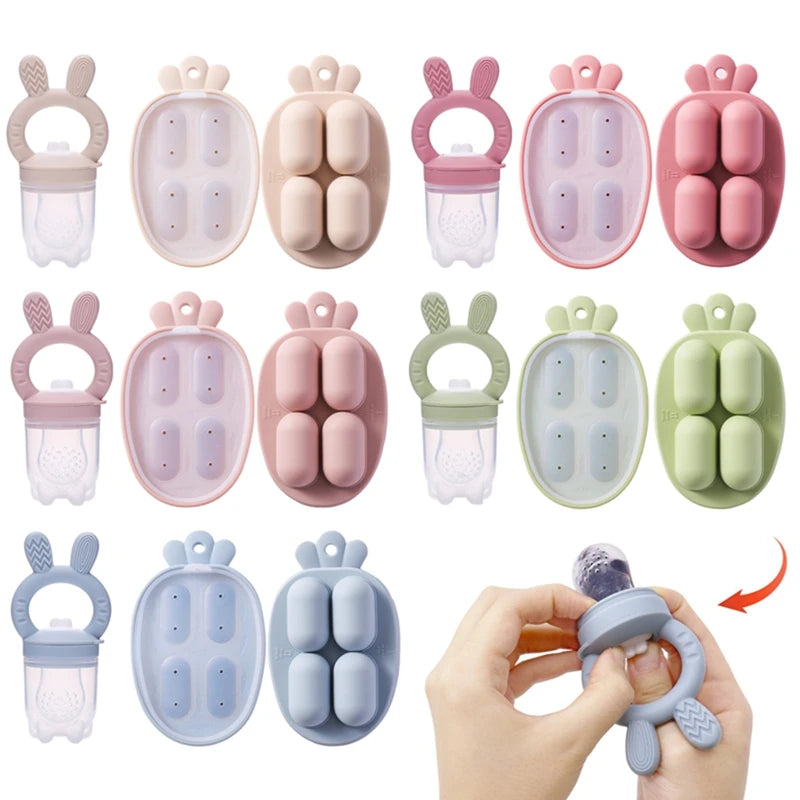
Reducing baby self-feeding struggles with ergonomic baby feeder for self-feeding 💡 See it in action
Step-by-Step Guide to Self-Feeding Success
Tips for baby self-feeding are most effective when followed in simple, repeatable steps that fit daily life.
Tips for baby self-feeding emphasize patience, repetition, and supportive tools. Starting with small, predictable routines helps babies feel confident and curious, turning mealtime into a learning experience rather than a battle.
- Seat your baby upright and secure
- Introduce one food at a time
- Demonstrate bringing food to the mouth
- Allow pauses and exploration
- End meals on a positive note
Parents often find that combining feeding routines with items from Baby Growth & Learning supports overall development beyond the high chair.
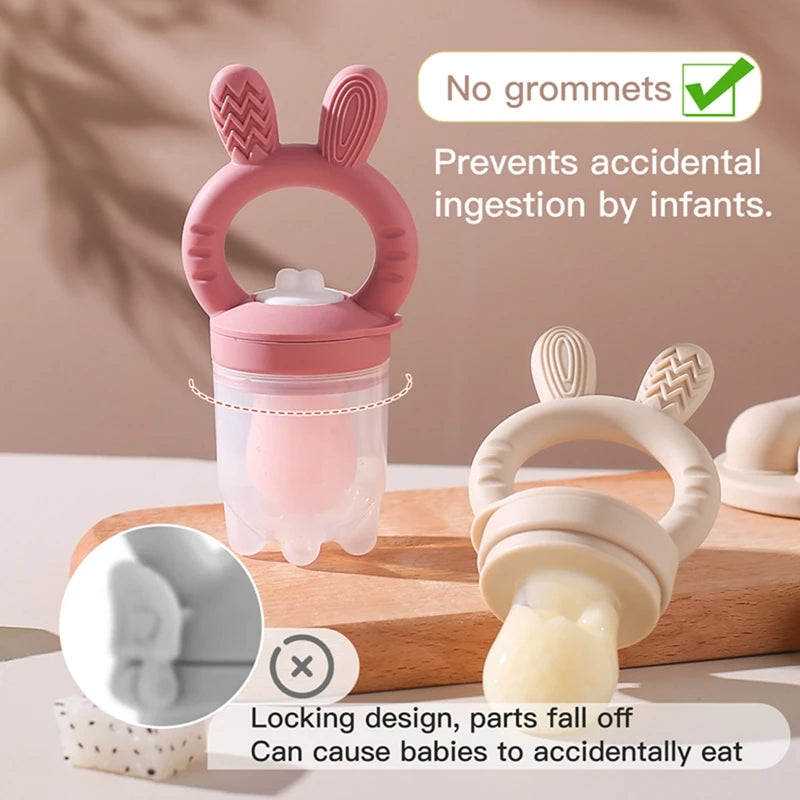
Tips for baby self-feeding that support infant motor skills milestones 💡 See it in action
Frequently Asked Questions
Is self-feeding safe for babies?
Yes, when babies show readiness signs and are supervised closely. Using soft foods and age-appropriate feeders reduces risks and supports learning.
What if my baby refuses to self-feed?
Refusal is common. Keep offering without pressure, model eating, and try again later. Skills develop over time.
Can self-feeding support motor development?
Absolutely. Grasping food and bringing it to the mouth supports infant motor skills milestones and coordination.
Related Guide: How to Introduce Solids 4 Months: Step-by-Step Guide





