

What are the best tips for safe toddler seating during meals?
Tips for safe toddler seating focus on stability, comfort, and posture to reduce spills and stress at the table. Addressing uncomfortable seats, securing chairs with an anti slip pad for furniture, and observing habits with a mealtime behavior questionnaire can improve safety, support calm behavior, and help toddlers focus on eating.
Tips for Safe Toddler Seating: Preventing Common Mealtime Issues
⏱ 6 min read
Tips for safe toddler seating can turn chaotic meals into calmer, safer moments your family actually enjoys. If your toddler squirms, throws food, or seems uncomfortable at the table, the issue may not be attitude or appetite. Seating setup plays a bigger role than many parents realize.
Does your child constantly slide down, push the table, or try to stand mid-meal? These behaviors often stem from poor seating support rather than defiance. Let’s walk through simple, practical ways to fix common mealtime problems and help your toddler feel secure, comfortable, and ready to eat.
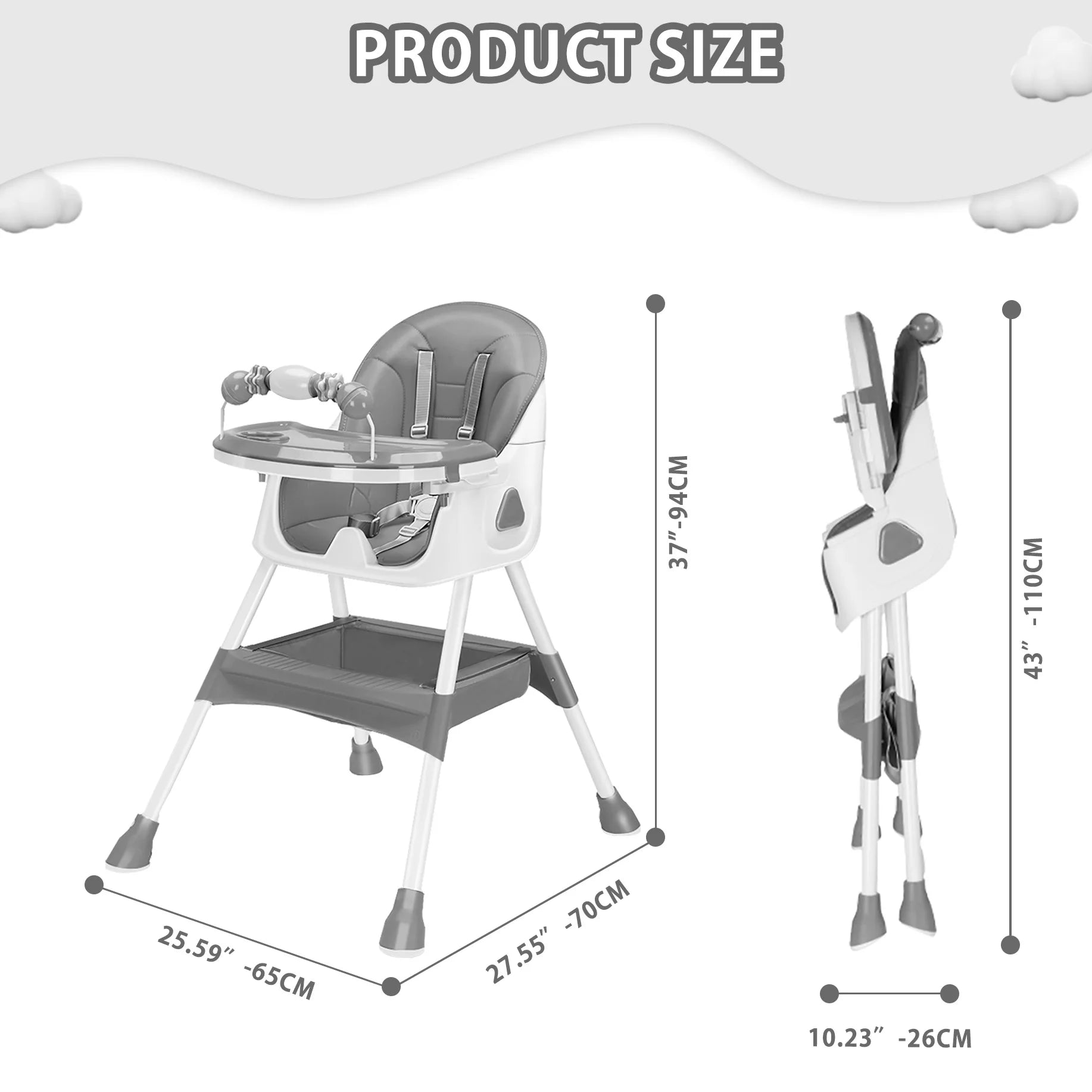
Tips for safe toddler seating that reduce uncomfortable seats and boost confidence 💡 See it in action
Why toddler seating safety matters more than you think
Proper seating isn’t just about preventing falls. It directly affects posture, digestion, attention, and emotional regulation. When toddlers feel unstable or cramped, their bodies go into defense mode, making calm eating nearly impossible.
Many parents focus on food choices but overlook how the chair, height, and foot support influence behavior. A stable, well-fitted seat helps toddlers feel grounded, which naturally reduces power struggles.
- Improves balance and core support
- Reduces choking and sudden movements
- Encourages longer sitting and better focus
- Supports healthy eating routines
For parents exploring safety-first essentials, browsing the Health & Safety collection can offer helpful tools designed with daily routines in mind.
Common toddler seating problems at mealtime
Before fixing the issue, it helps to recognize what’s really going wrong. Most mealtime struggles trace back to a few common seating problems.
Uncomfortable seats that restrict movement
Hard surfaces, incorrect seat depth, or lack of back support can cause discomfort within minutes. Toddlers respond by fidgeting, arching, or refusing to stay seated.
Slipping or sliding chairs
If the chair moves when your toddler shifts weight, they may feel unsafe. This often leads to standing, pushing off the table, or crying.
Feet dangling without support
Dangling legs strain hips and lower back. Without foot support, toddlers struggle to maintain balance and posture.
These challenges are common, especially with dining chairs not designed for young children. Supportive solutions from Feeding & Nursing categories often address these pain points directly.
How can parents apply tips for safe toddler seating at home?
Tips for safe toddler seating start with adjusting height, stability, and posture support so toddlers feel secure and comfortable. When seating fits properly, children are less likely to squirm, stand, or resist meals. Small changes can significantly reduce spills and stress.
- Check seat height: Your toddler’s elbows should sit comfortably near table level.
- Add foot support: Use a built-in footrest or stable platform.
- Secure the chair: Prevent movement on smooth floors.
- Ensure back support: Upright posture helps with focus and digestion.
- Limit distractions: Stable seating reduces the urge to escape.
Parents often find that combining these steps with thoughtfully designed seating products simplifies daily routines. Options that fold away easily can be especially helpful in smaller spaces.
How anti slip pads improve stability instantly
An anti slip pad for furniture is one of the easiest upgrades you can make. These pads reduce movement between the chair and floor, helping toddlers feel secure the moment they sit down.
When chairs stay in place, toddlers stop bracing themselves with their arms or feet. This encourages relaxed posture and fewer sudden movements.
| Without Anti Slip Pad | With Anti Slip Pad |
|---|---|
| Chair slides during movement | Chair stays firmly in place |
| Toddler feels unstable | Toddler feels supported |
| More spills and standing | Calmer, focused eating |
Safety accessories like these pair well with seating tools found in the Baby Care Essentials collection.
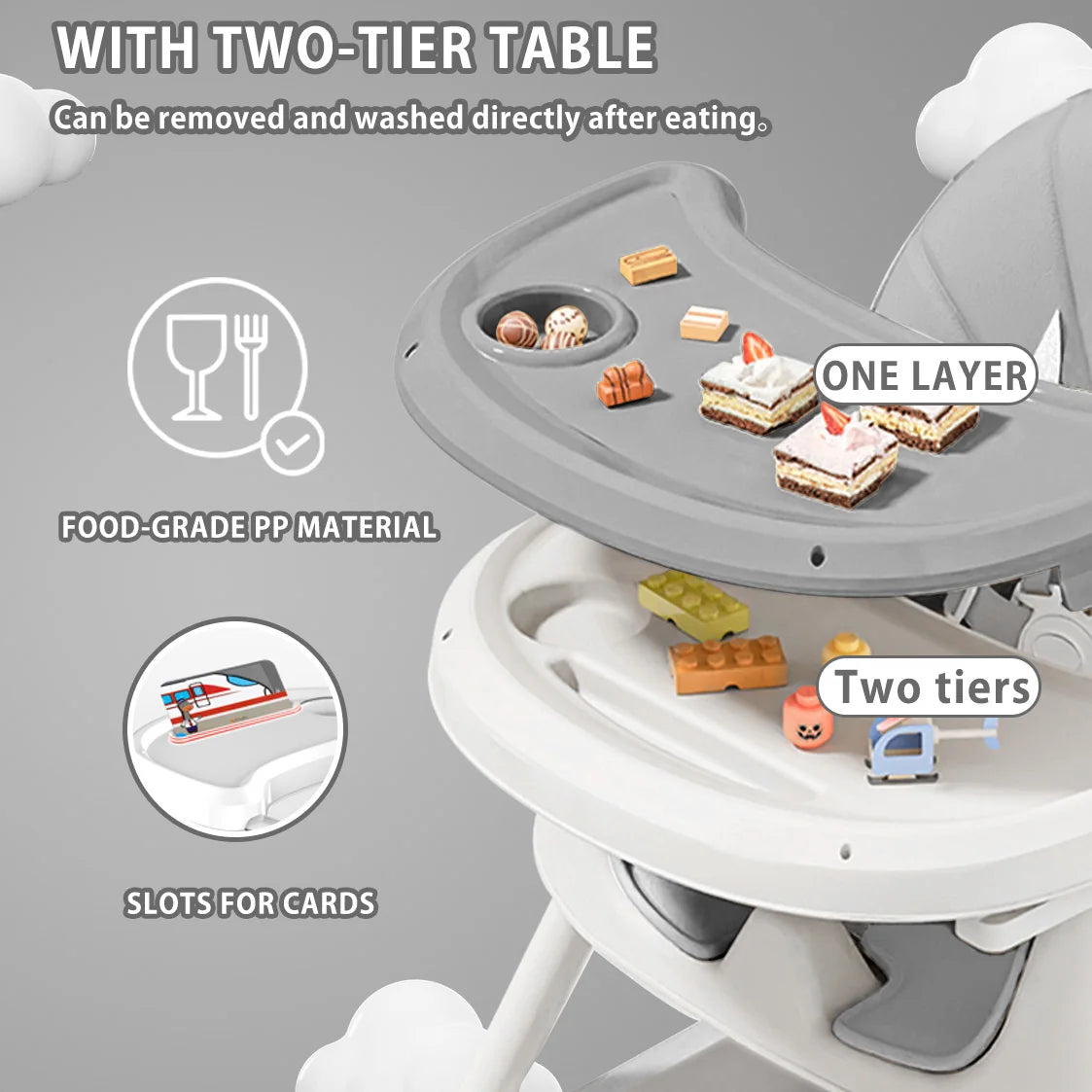
Anti slip pad for furniture helps prevent uncomfortable seats 💡 See it in action
Using a mealtime behavior questionnaire to spot issues
A mealtime behavior questionnaire helps parents identify patterns they may otherwise miss. By tracking when and how issues occur, you can link behavior to seating comfort rather than food refusal.
Questions might include:
- Does my toddler stand up within five minutes?
- Do spills happen more on certain chairs?
- Is behavior worse without foot support?
- Does posture change during longer meals?
Answering these over several days often reveals clear trends. This insight makes it easier to adjust seating instead of constantly changing meals.
Tools that support observation and routine-building can also be found in Baby Care Tips & Advice resources.
Choosing seating that grows with your child
Flexible seating solutions adapt as your toddler grows, reducing the need for constant replacements. Features like adjustable height, foldable frames, and supportive footrests offer long-term value.
Many parents appreciate chairs that transition smoothly from infant support to toddler independence. A thoughtfully designed option like a foldable baby toddler high chair fits easily into busy households.
- Adjusts to changing height and posture needs
- Easy to store between meals
- Stable base for added safety
- Comfort-focused design reduces resistance
For families balancing convenience and comfort, exploring seating solutions alongside items from Sleep & Comfort can help create consistent daily routines.
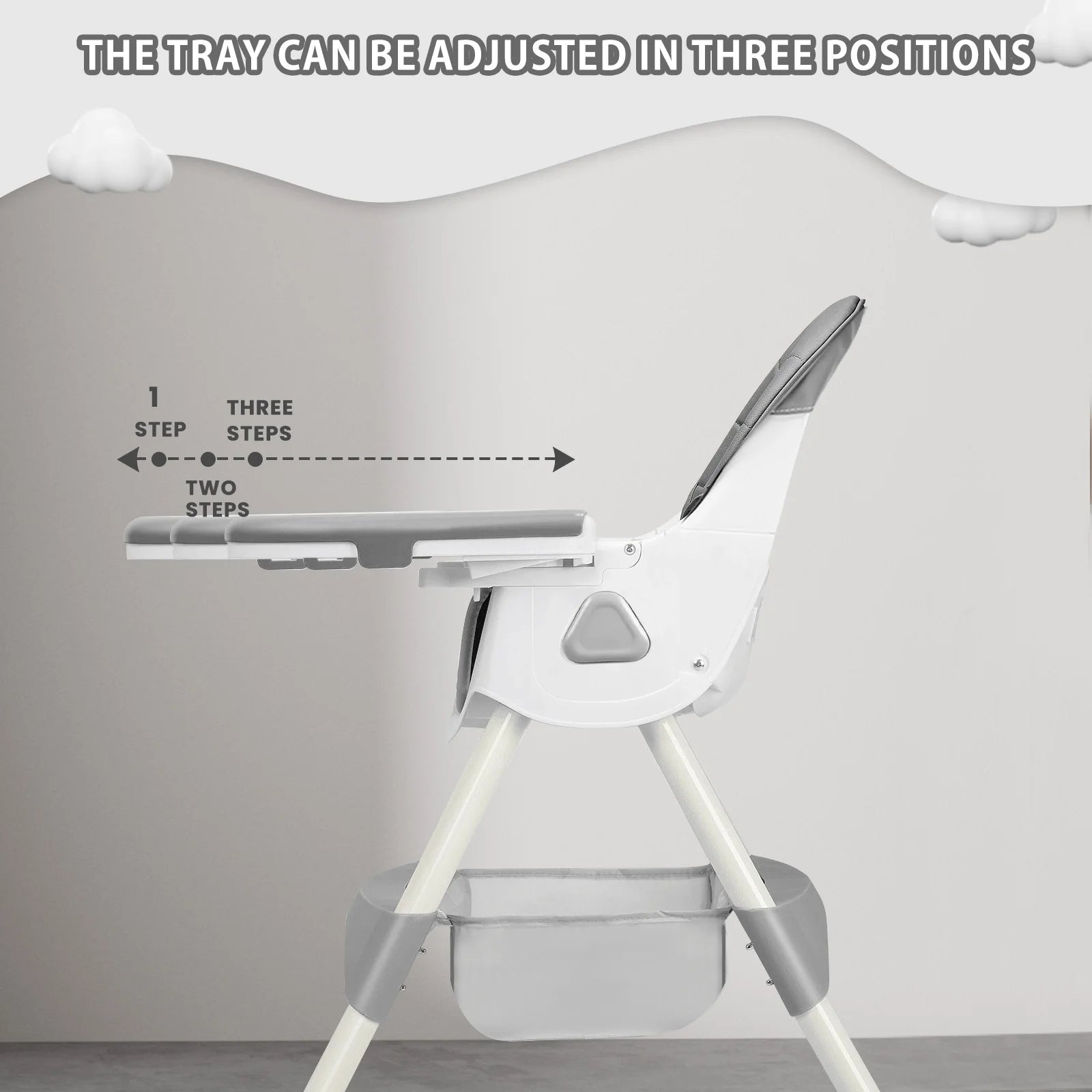
Tips for safe toddler seating paired with stable support 💡 See it in action
Frequently asked questions
How do I know if my toddler’s seat is uncomfortable?
Signs include constant fidgeting, standing, sliding down, or refusing to stay seated. These behaviors often signal poor posture support or instability rather than behavioral issues.
Is an anti slip pad for furniture really necessary?
Yes. Even small chair movements can make toddlers feel unsafe. Anti slip pads add instant stability, helping children relax and focus on eating.
Can a mealtime behavior questionnaire really help?
Absolutely. Tracking behavior over time helps identify patterns linked to seating comfort, making it easier to fix root causes instead of guessing.
Related Guide: How to Choose Baby High Chair: Step-by-Step Guide





