

Toddler Feeding Independence Tools That Build Confidence
What are toddler feeding independence tools and do they really help?
Toddler feeding independence tools are specially designed plates, bowls, cups, and utensils that support self-feeding skills. By matching grip size, texture, and safety features to developing motor skills, toddler feeding independence tools help reduce frustration, improve coordination, and build confidence during everyday meals.
Toddler Feeding Independence Tools That Build Confidence
Toddler feeding independence tools can completely change how mealtime feels for both you and your child. When little hands struggle with infant feeding utensils or resist a full silicone feeding set, confidence often takes a hit. If you’re worried about a month old not feeding self and creating habits that last, the right tools can gently guide skills, reduce mess, and boost motivation faster than you expect.
⏱ 6 min read
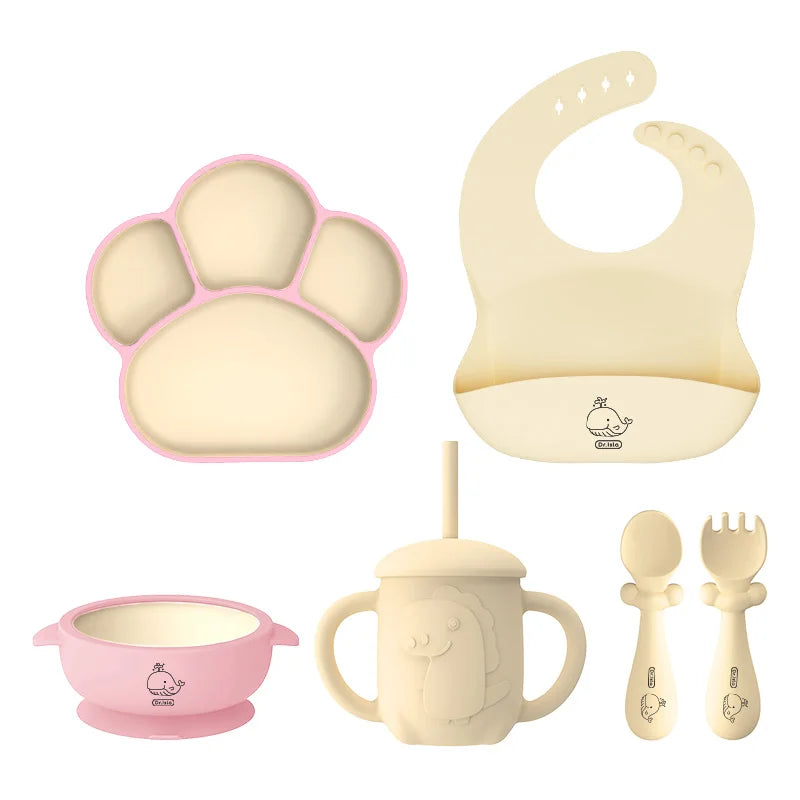
Toddler feeding independence tools with infant feeding utensils help reduce spills and boost confidence 💡 See it in action
Why Feeding Independence Matters for Toddlers
Learning to feed independently is about more than eating. It supports fine motor development, hand-eye coordination, and emotional confidence. Each successful scoop or sip tells your child, “I can do this.” Over time, these small wins shape resilience and curiosity.
- Builds coordination and grip strength
- Encourages exploration of textures and flavors
- Reduces power struggles at the table
- Supports healthy routines and self-trust
Experts in early childhood development often emphasize that tools matched to a child’s stage can shorten learning curves and lower frustration.
Common Mealtime Struggles Parents Face
Many caregivers worry when a month old not feeding self turns into a pattern of resistance later. Others feel overwhelmed by messes, safety concerns, or choosing between endless infant feeding utensils.
Which mealtime challenge sounds familiar? Slipping bowls, thrown spoons, or refusal to try?
These struggles are common and rarely about effort. Often, the issue is a mismatch between your child’s abilities and the tools provided.
Toddler Feeding Independence Tools That Build Confidence
Toddler feeding independence tools are designed to meet toddlers where they are developmentally. With thoughtful shapes, soft materials, and stable bases, they remove barriers that make self-feeding feel hard.
Used consistently, the right tools can turn meals into practice sessions that feel playful instead of stressful.
| Tool Type | How It Helps | Best For |
|---|---|---|
| Weighted utensils | Improves control and reduces shaking | Early self-feeders |
| Suction bowls | Prevents tipping and spills | Mess reduction |
| Sectioned plates | Encourages food exploration | Picky eaters |
Many families pair these with options from Feeding Tools and Feeding & Nursing to create a complete mealtime setup.
A silicone feeding set designed for toddler feeding independence tools and calmer meals 💡 See it in action
How a Silicone Feeding Set Supports Self-Feeding
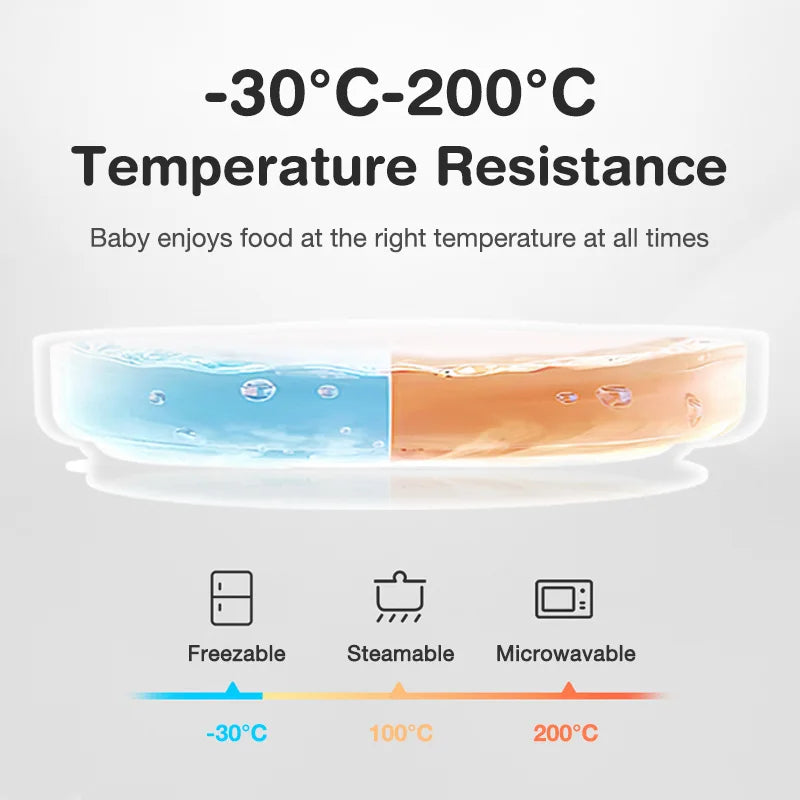
A silicone feeding set offers flexibility, grip, and safety that rigid materials can’t. Soft textures protect gums and teeth, while non-slip bases keep dishes in place.
Direct answer: Toddler feeding independence tools made from silicone support self-feeding by offering better grip, safer materials, and stable suction bases. This combination helps toddlers practice skills without constant spills, making meals calmer and more rewarding for both child and caregiver.
- Soft edges reduce discomfort and refusal
- Suction bases keep plates steady
- Lightweight pieces fit small hands
- Durable material withstands daily use
The Children’s Silicone Tableware Set is often chosen by parents looking for one solution that grows with their child.
For added learning support, pairing feeding tools with Baby Growth & Learning resources can reinforce independence beyond the table.
How to Choose the Right Tools for Your Child
Every child develops at a different pace. Choosing toddler feeding independence tools should reflect your child’s age, motor skills, and temperament.
- Younger toddlers: Focus on suction bowls and short-handled spoons
- Developing skills: Add open cups and sectioned plates
- Sensitive mouths: Choose soft silicone infant feeding utensils
Safety also matters. Many parents look for food-grade materials and easy-to-clean designs, often browsing trusted collections like Health & Safety for peace of mind.
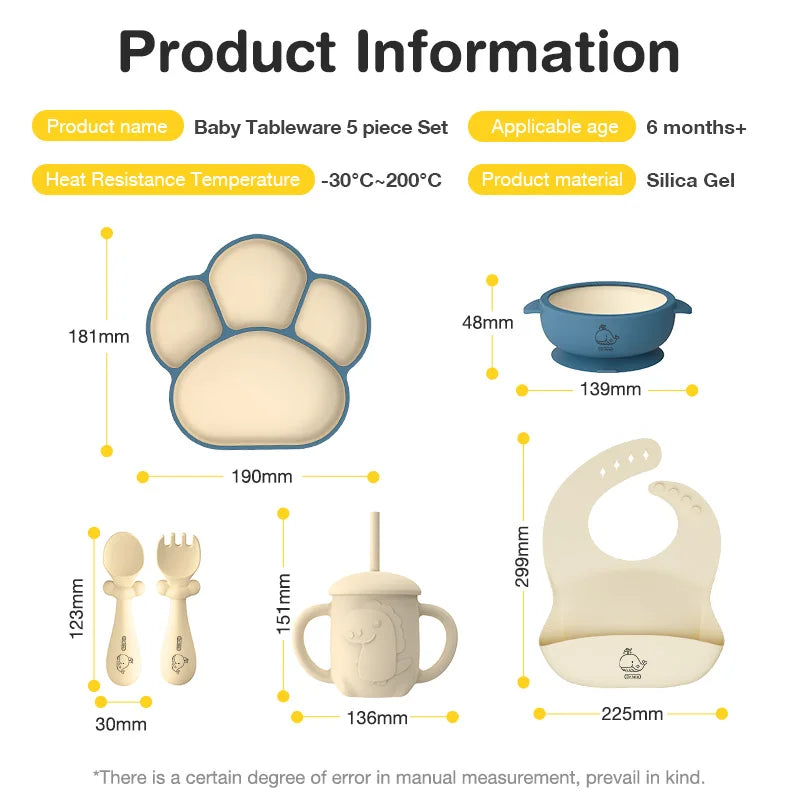
Toddler feeding independence tools paired with infant feeding utensils for confident self-feeding 💡 See it in action
Real Parent Stories and Results
One parent shared that switching to a full silicone feeding set reduced cleanup time by half within a week. Another noticed their toddler began reaching for utensils independently after just a few meals.
These stories echo a common theme: when tools remove friction, children show abilities parents didn’t realize were already there.
Mini FAQ
When should toddlers start using feeding independence tools?
Most toddlers can begin experimenting with self-feeding tools around 6–9 months, depending on readiness and supervision.
Are silicone feeding sets safe for daily use?
High-quality silicone feeding sets are designed for repeated use, offering durability and gentle textures suitable for developing mouths.
What if my child resists self-feeding?
Resistance is common. Introducing toddler feeding independence tools gradually and modeling use can encourage curiosity and participation.
Related Guide: Baby Self Feeding Difficulties Solutions for Every Stage





