

Toddler Refuses Feeding Utensils Try These Simple Fixes
Does a toddler refusing feeding utensils mean something is wrong?
Toddler refuses feeding utensils most often due to normal development, sensory sensitivity, or a desire for control. This behavior is common between 9–24 months and rarely signals a problem. Simple adjustments like softer infant feeding utensils or a silicone infant feeder can quickly reduce infant feeding refusal and restore calm meals.
Toddler Refuses Feeding Utensils Try These Simple Fixes
⏱ 6 min read
When a toddler refuses feeding utensils, mealtime can feel exhausting and emotional. One day they happily scoop food, the next they push spoons away or throw them on the floor. If you’re wondering whether this is a phase or a problem, you’re not alone. The good news: most infant feeding refusal has simple, gentle solutions that work with your child’s development—not against it.
Quick question: Is your toddler rejecting spoons but grabbing food with their hands instead? Keep reading—you’ll likely recognize why.
Explore soft, toddler-friendly options designed for easier self-feeding.
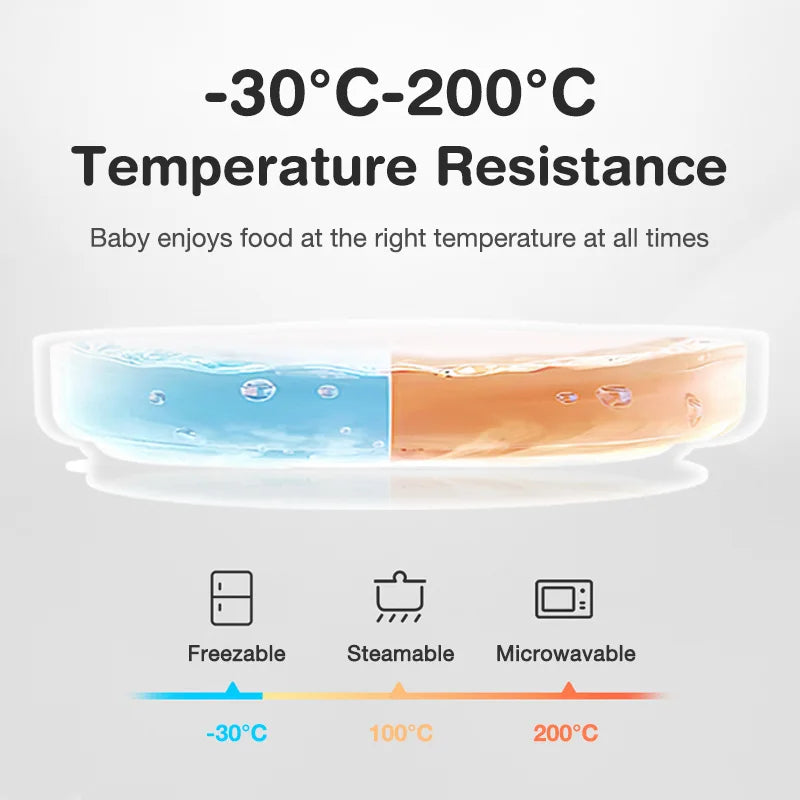
Toddler refuses feeding utensils during early self-feeding stages 💡 See it in action
Why Toddlers Refuse Feeding Utensils
Toddler refuses feeding utensils for reasons tied to development, not defiance. Between motor skill growth and independence, many children test boundaries at the table.
- Developing hand coordination makes fingers feel easier than spoons
- New textures or cold metal can trigger infant feeding refusal
- Desire for independence leads to pushing adult-led feeding away
- Past pressure or rushed meals create negative associations
Understanding the cause helps you choose solutions that feel safe and empowering instead of stressful.
How Sensory Sensitivity and Control Shape Mealtime
Many toddlers experience heightened sensory awareness. Hard edges, heavy handles, or unfamiliar shapes can overwhelm them.
At the same time, toddlers crave control. Refusing infant feeding utensils is often their way of saying, “I want to do this myself.”
This is why flexible, soft tools and relaxed pacing matter so much.
Simple Fixes That Work Fast for Infant Feeding Refusal
Small changes can quickly shift behavior without power struggles.
- Switch to soft, flexible materials that feel gentle on gums
- Offer utensils before food so toddlers can explore freely
- Model use without forcing imitation
- Pair utensils with familiar favorite foods
Parents often see improvement within days when pressure is removed.
See practical options that support stress-free toddler meals.
How the Right Infant Feeding Utensils Make Self-Feeding Easier
Infant feeding utensils designed for toddlers feel different from adult cutlery. They’re lighter, safer, and easier to grip.
| Feature | Why It Matters |
|---|---|
| Short, wide handles | Improve grip and control |
| Soft silicone tips | Reduce sensory discomfort |
| Lightweight design | Prevents wrist fatigue |
Many parents browsing Feeding Tools or Feeding & Nursing collections notice their toddlers accept these designs faster.
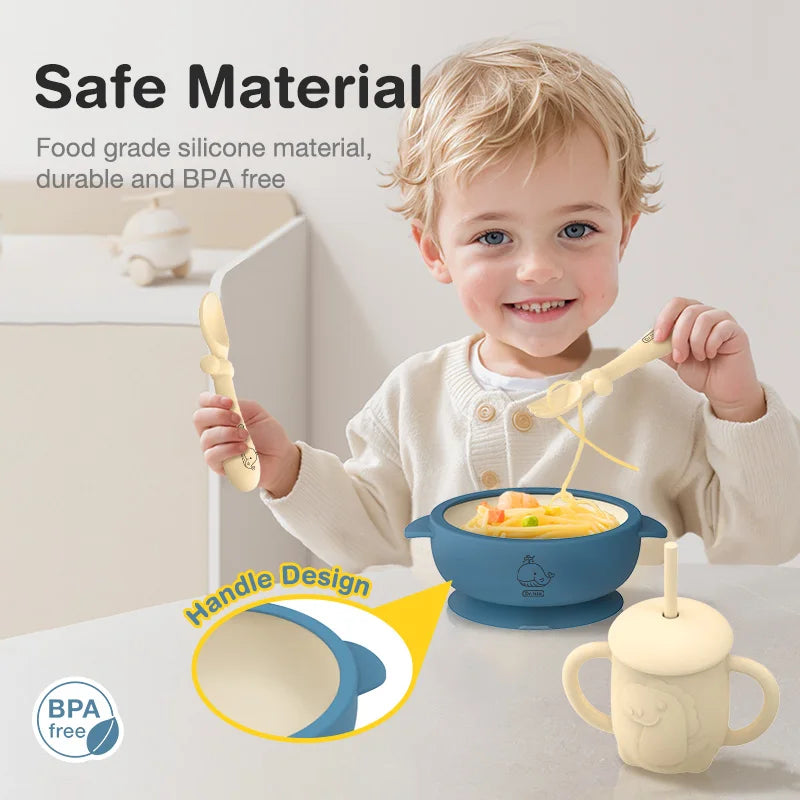
Infant feeding utensils that reduce infant feeding refusal 💡 See it in action
Why a Silicone Infant Feeder Calms Mealtime Battles
A silicone infant feeder allows toddlers to explore taste and texture without pressure. It bridges the gap between finger feeding and utensil use.
Parents report fewer thrown spoons and more curiosity when silicone infant feeders are part of the routine.
Many pair feeders with sets like the Children’s Silicone Tableware Set to keep consistency across meals.
Step-by-Step: Reintroducing Utensils Without Stress
- Start with one soft utensil alongside finger foods
- Let your toddler play before expecting eating
- Eat together and demonstrate calmly
- Celebrate effort, not cleanliness
This gradual approach supports confidence and reduces resistance.
Adding sensory play outside mealtime—using items from Sensory Toys—can also help toddlers feel more comfortable with new textures.
Common Mistakes That Increase Feeding Refusal
- Forcing utensil use too early
- Switching tools every meal
- Reacting strongly to messes
- Rushing meals
Consistency and patience outperform strict rules every time.
Real Parent Results and Everyday Wins
Parents frequently share that after switching to soft infant feeding utensils, toddlers begin mimicking spoon use within a week.
One mom noted her 14-month-old stopped crying at meals once metal spoons were replaced with silicone. Another reported longer seated meals and less food on the floor.
These small wins add up to calmer routines and happier families.
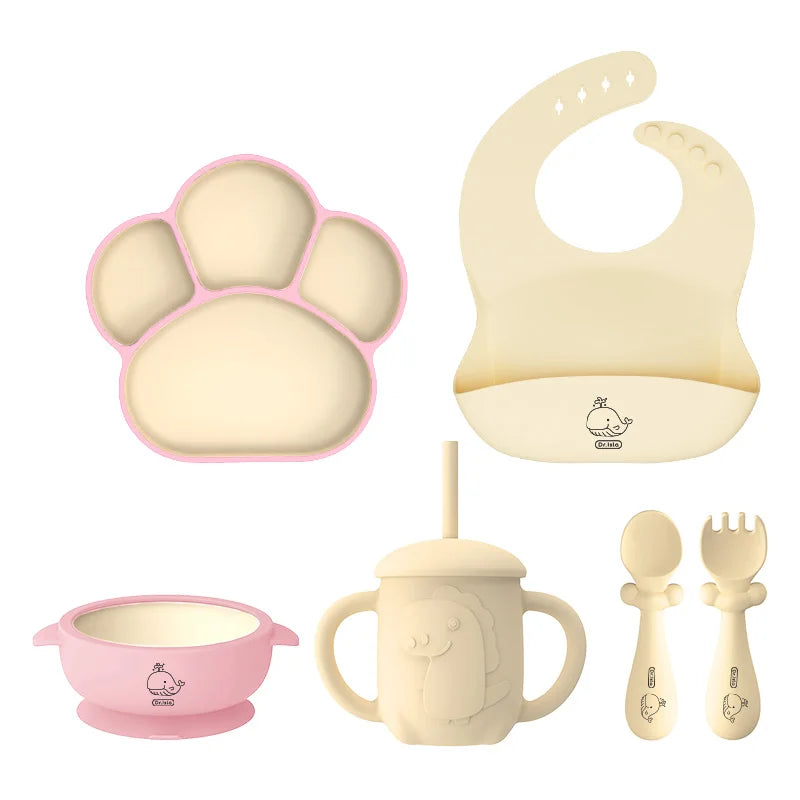
Silicone infant feeder supporting baby-led feeding 💡 See it in action
Simplify meals with toddler-friendly silicone tableware.
Mini FAQ
Is it normal if my toddler refuses feeding utensils?
Yes. This phase is common and usually temporary, especially during early self-feeding development.
Should I stop offering utensils altogether?
No. Keep offering them casually without pressure so your toddler stays familiar.
Do silicone utensils really help?
For many families, silicone infant feeders and utensils reduce sensory discomfort and improve acceptance.
When should I seek professional advice?
If refusal persists alongside weight loss or distress, consult a pediatric professional.
Related Guide: How to Encourage Toddler Eating Without Power Struggles





