

Does a high chair with a 5 point harness really improve safety at home?
A high chair with 5 point harness improves safety by securing your baby at the shoulders, hips, and between the legs, reducing falls, slips, and tipping during meals. When used correctly at home, it offers stability similar to safety principles behind the 5 point harness car seat law while allowing comfort and movement.
Using a High Chair with 5 Point Harness Safely at Home
High chair with 5 point harness safety at home matters more than most parents realize, especially during busy mealtimes. If your baby wiggles, pushes, or suddenly tries to stand, the right setup can prevent accidents before they happen. Are you confident your current routine protects your child every single meal?
⏱ 8 min read
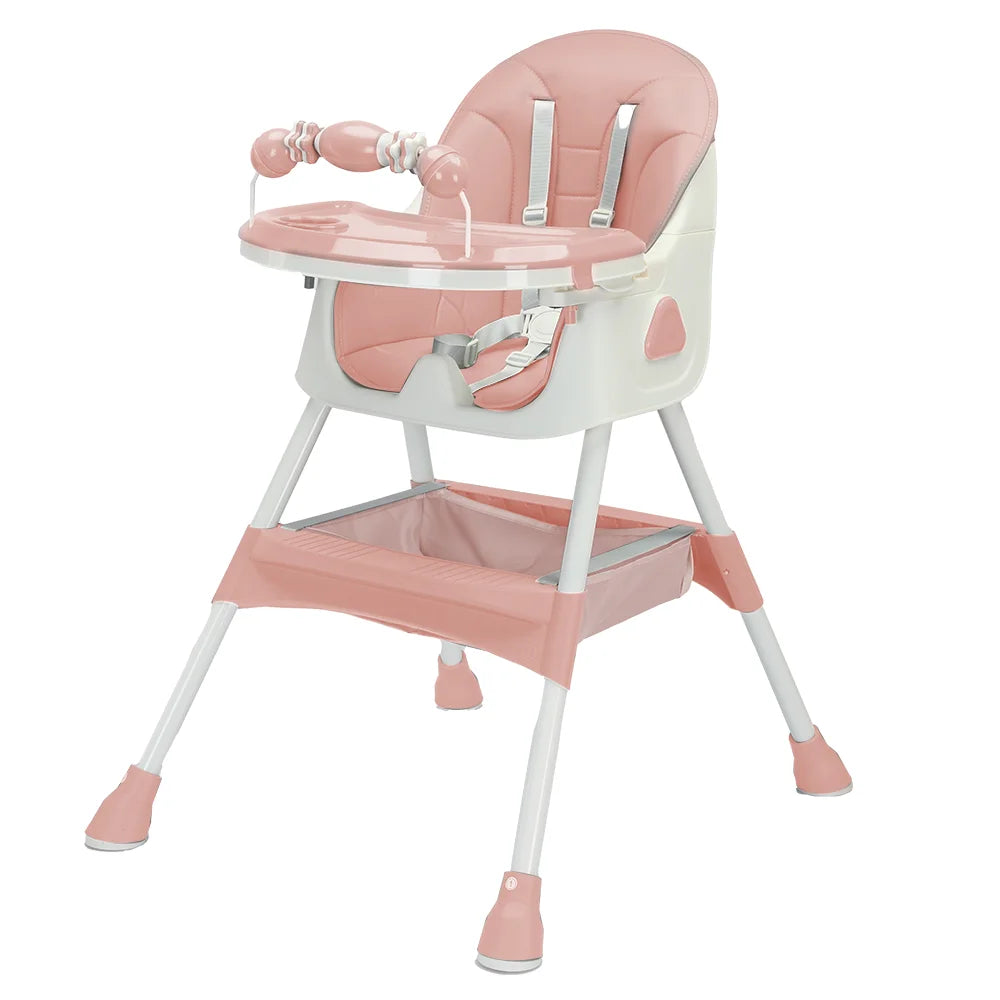
High chair with 5 point harness and anti sliding pad for safer home feeding 💡 See it in action
What Is a High Chair with 5 Point Harness?
A high chair with 5 point harness secures your baby at five contact points: two shoulders, two hips, and one between the legs. This design keeps the child centered and upright, preventing leaning or slipping that often causes home feeding accidents.
Unlike simple waist straps, this system distributes pressure evenly and supports posture. Parents familiar with the 5 point harness car seat law often recognize the same safety logic applied to everyday seating.
Why Mealtime Safety Matters More Than You Think
Most feeding accidents happen at home, not outside. Babies twist, kick, and test limits—especially once solids become exciting. A chair without proper restraint can tip or allow sliding under the tray.
- Short distractions can lead to falls
- Improper posture increases choking risk
- Unstable seating causes long-term habits
- Messy movement stresses parents and babies
That’s why many parents explore solutions within Health & Safety to reduce daily risks without adding complexity.
How to Use a High Chair with 5 Point Harness Correctly
The high chair with 5 point harness works best when adjusted carefully each time. Rushing through setup is the most common source of misuse.
- Place the chair on a flat, non-slip surface
- Seat your baby fully back against the chair
- Secure the shoulder straps snug but comfortable
- Fasten hip straps evenly on both sides
- Adjust the center strap to prevent sliding
After buckling, check that you can fit two fingers between straps and your baby’s body—secure without restriction.
Why an Anti Sliding Pad Is a Game Changer
An anti sliding pad adds friction between the chair and floor, reducing movement caused by kicking or pushing. This small accessory significantly lowers tipping risk on tile or hardwood floors.
Parents often combine high chairs with accessories found in Feeding & Nursing to create a stable feeding station that feels calm and controlled.
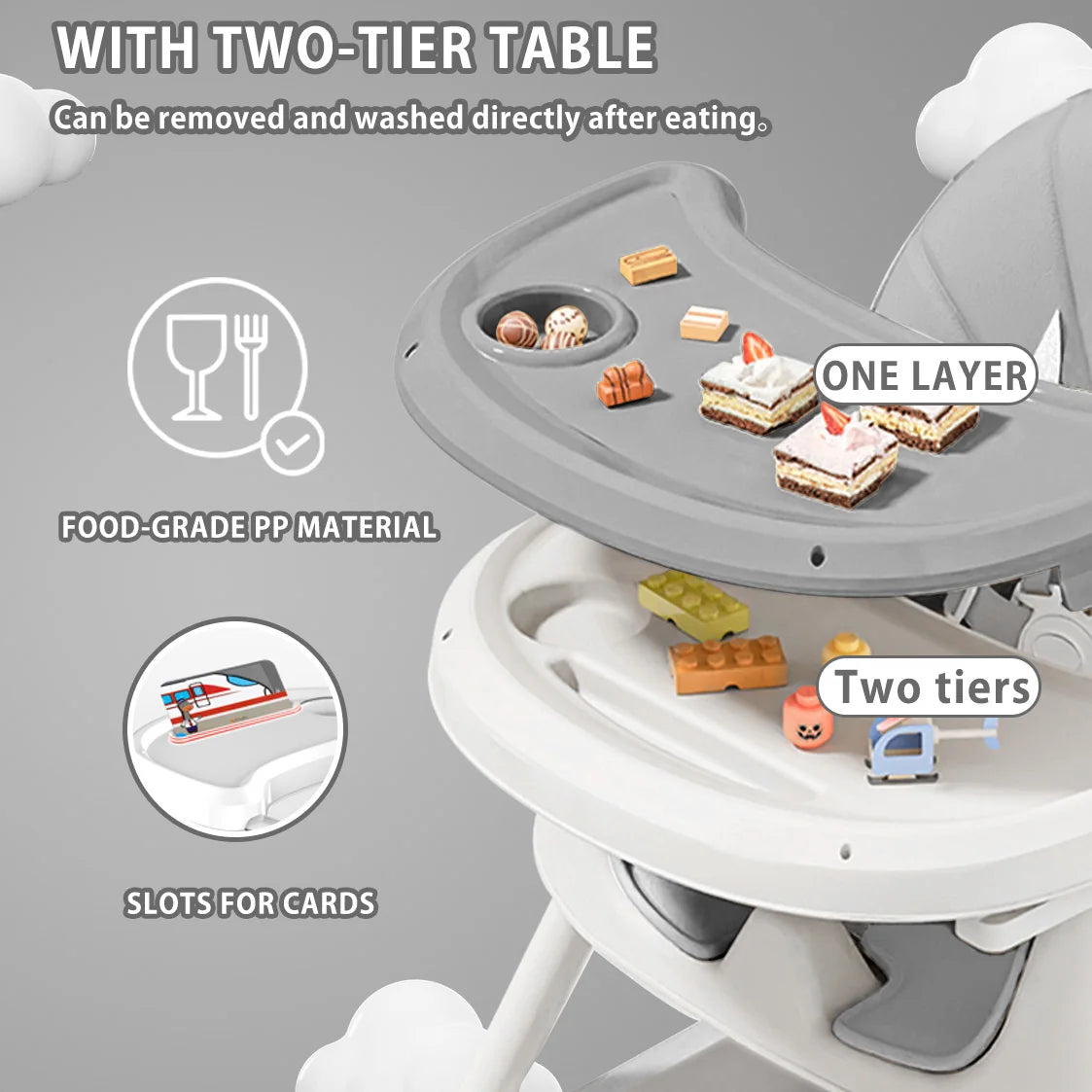
Anti sliding pad support with high chair with 5 point harness 💡 See it in action
How Comfortable High Chairs Improve Cooperation
Comfort isn’t a luxury—it’s safety. Comfortable high chairs reduce squirming, pushing, and arching during meals.
- Padded seating supports longer meals
- Footrests improve posture and digestion
- Proper height keeps shoulders relaxed
- Soft materials reduce pressure points
When babies feel supported, they resist less, making the harness easier to secure correctly every time.
Common Mistakes Parents Make (And How to Avoid Them)
| ❌ Mistake | ✅ Better Practice |
|---|---|
| Using only waist straps | Always use full 5 point harness |
| Loose shoulder straps | Adjust snugly each meal |
| Placing chair on slick floor | Add anti sliding pad |
| Skipping foot support | Use adjustable footrest |
Small adjustments lead to big improvements in daily safety.
High Chair with 5 Point Harness vs Other Seating Options
| Feature | 5 Point Harness Chair | Basic Chair |
|---|---|---|
| Fall prevention | High | Low |
| Posture support | Excellent | Limited |
| Long-term comfort | Strong | Moderate |
| Parent peace of mind | High | Variable |
For families focused on safety, the difference is immediately noticeable.
What Real Parents Notice After Switching
Many parents report fewer mess-related struggles, calmer meals, and better posture within the first week. One parent shared that their toddler stopped trying to stand mid-meal once the harness was adjusted correctly.
Others appreciate how similar the system feels to car seat safety, aligning with expectations shaped by the 5 point harness car seat law.
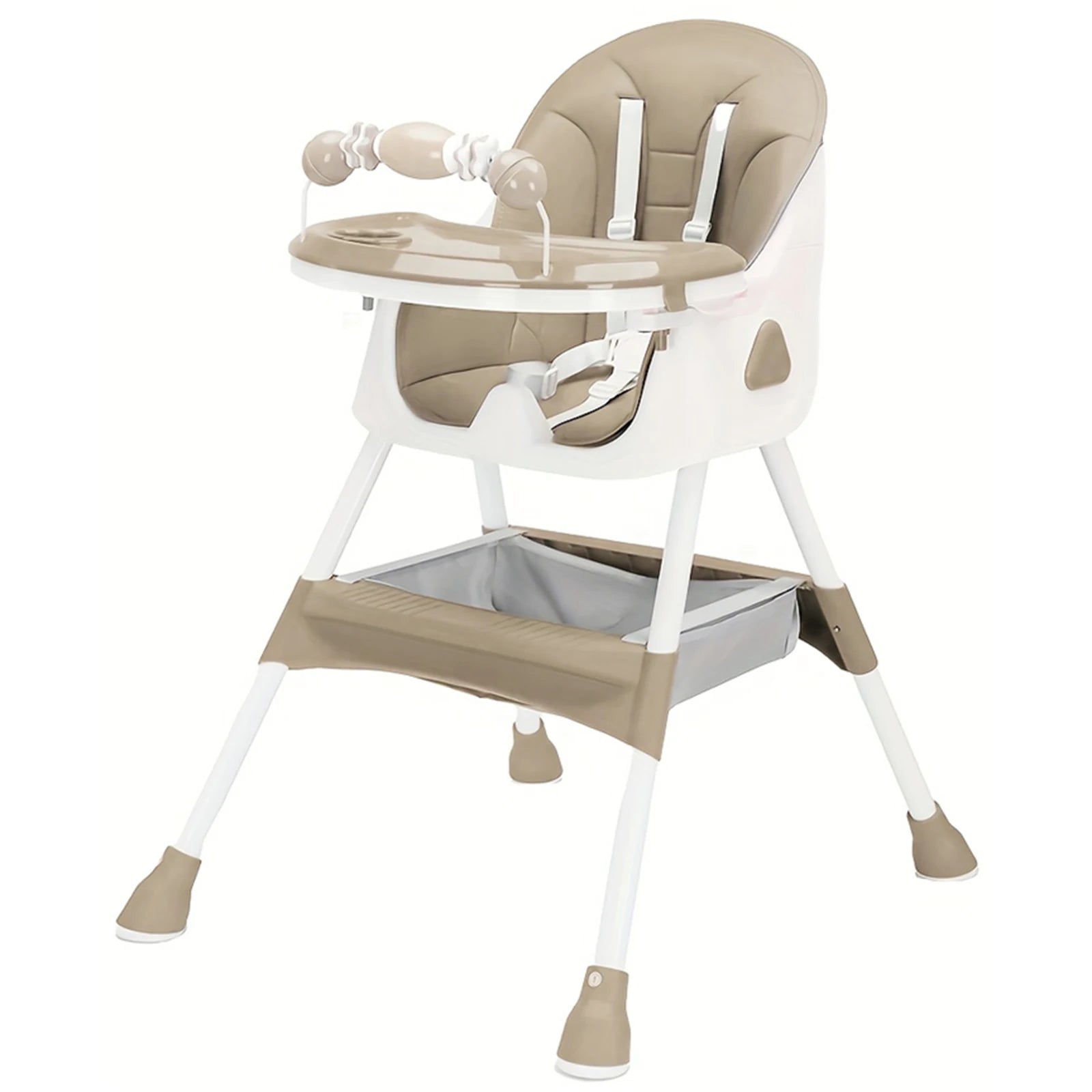
Comfortable high chairs with 5 point harness for stress-free meals 💡 See it in action
Mini FAQ
Is a high chair with 5 point harness necessary at home?
Yes. Home feeding involves frequent movement and distractions. A 5 point harness offers consistent restraint that reduces falls and slipping compared to basic straps.
How tight should the harness be?
The harness should be snug enough to prevent slipping but loose enough to fit two fingers comfortably between the strap and your child.
Does an anti sliding pad really help?
Yes. It minimizes chair movement on smooth floors, lowering the risk of tipping during active meals.
At what age should babies use a 5 point harness high chair?
From the moment babies begin supported sitting for solids until they can sit and follow safety rules independently.
Related Guide: How to Choose Baby High Chair: Step-by-Step Guide





