

Do antimicrobial nipple healing methods really speed recovery?
Antimicrobial nipple healing methods help damaged skin recover faster by actively reducing bacteria while supporting natural repair. Unlike passive creams, these approaches lower infection risk, ease pain, and can shorten nipple healing time breastfeeding, offering practical breastfeeding nipple relief for parents dealing with cracks, soreness, or recurring irritation.
Antimicrobial Nipple Healing Methods That Speed Recovery
Antimicrobial nipple healing methods can dramatically change how fast sore, cracked skin recovers during breastfeeding. Instead of simply waiting for pain to fade, many parents now rely on targeted nipple infection remedies that work with the body’s healing process. The right approach may shorten nipple healing time breastfeeding and restore comfort sooner, without harsh chemicals or complicated routines.
⏱ 8 min read
Breastfeeding is often described as natural—but that doesn’t mean it’s always easy. If you’ve ever winced before a latch or noticed cracks that won’t heal, you’re not alone. Why do some nipples recover quickly while others stay painfully sore for weeks?
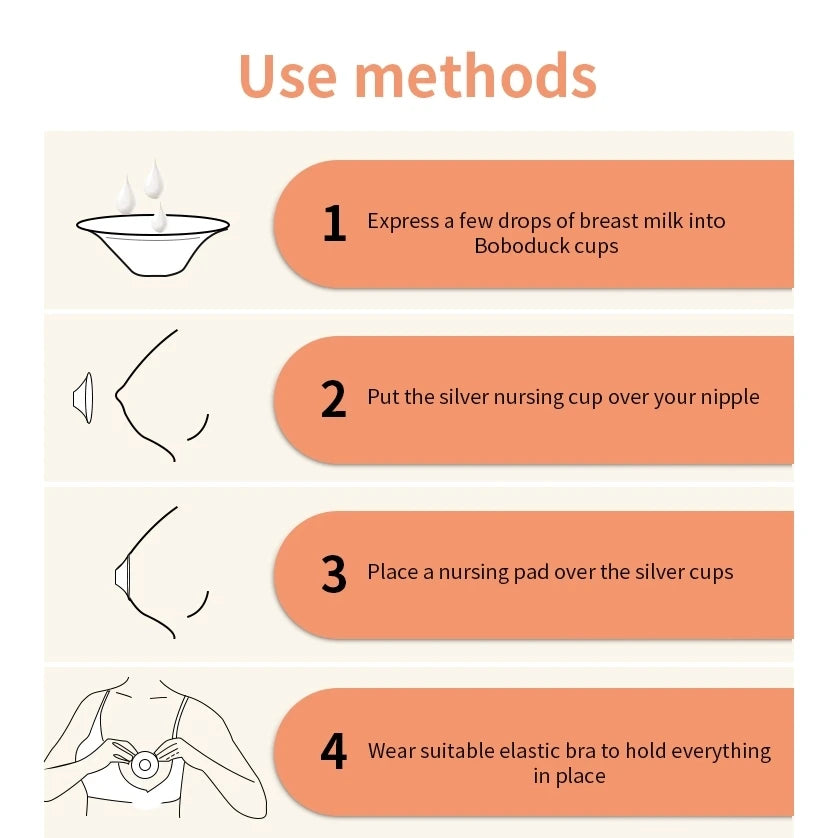
Antimicrobial nipple healing methods for breastfeeding nipple relief 💡 See it in action
Which healing approach actually fits your situation? Read on to see how different antimicrobial methods match specific needs.
How Antimicrobial Nipple Healing Methods Support Faster Recovery
Antimicrobial nipple healing methods work by limiting bacterial growth on damaged skin while maintaining a moist, protective environment. This dual action allows cracks to close, reduces inflammation, and lowers the chance of infection that can delay recovery.
- Reduce surface bacteria that worsen cracks
- Protect fragile skin during frequent feeds
- Support natural tissue regeneration
- Relieve pain without numbing sensation
Parents browsing Breastfeeding Aids often look for solutions that do more than coat the skin—they want active protection that works between feeds.
Why Nipples Heal Slowly During Breastfeeding
Slow healing is rarely caused by one factor alone. Most parents experience a combination of stressors that keep skin from repairing fully.
- Repeated moisture and friction from latching
- Bacterial buildup on cracked skin
- Improper latch or positioning
- Dry air or frequent washing
Without antimicrobial support, even small cracks can reopen repeatedly. That’s why many parents turn to solutions found in Mom Essentials designed for postpartum recovery.
Silver-Based Antimicrobial Solutions: Do They Make a Difference?
Antimicrobial nipple healing methods using silver help reduce bacteria while creating a calm, balanced environment for healing. Silver naturally limits microbial growth without drying skin, making it suitable for sensitive, damaged nipples during breastfeeding recovery.
Silver-based options are often used continuously between feeds, acting as a physical and antimicrobial barrier.
- Non-absorbent, breathable protection
- Supports faster closure of cracks
- No added fragrances or irritants
- Reusable and easy to clean
Some parents pair silver solutions with products from Health & Safety collections to maintain hygiene and reduce reinfection risk.
Natural Antimicrobial Nipple Infection Remedies
Natural antimicrobial nipple healing methods focus on gentle ingredients that fight bacteria while soothing inflammation. These remedies appeal to parents seeking minimal processing and familiar plant-based support.
| Option | Antimicrobial Action | Best For |
|---|---|---|
| Medical-grade honey | Limits bacterial growth | Surface cracks |
| Coconut oil | Mild antimicrobial | Dry, irritated skin |
| Herbal balms | Varies by blend | Maintenance care |
While natural options can help, they often require frequent reapplication and careful hygiene—something busy parents may find challenging.
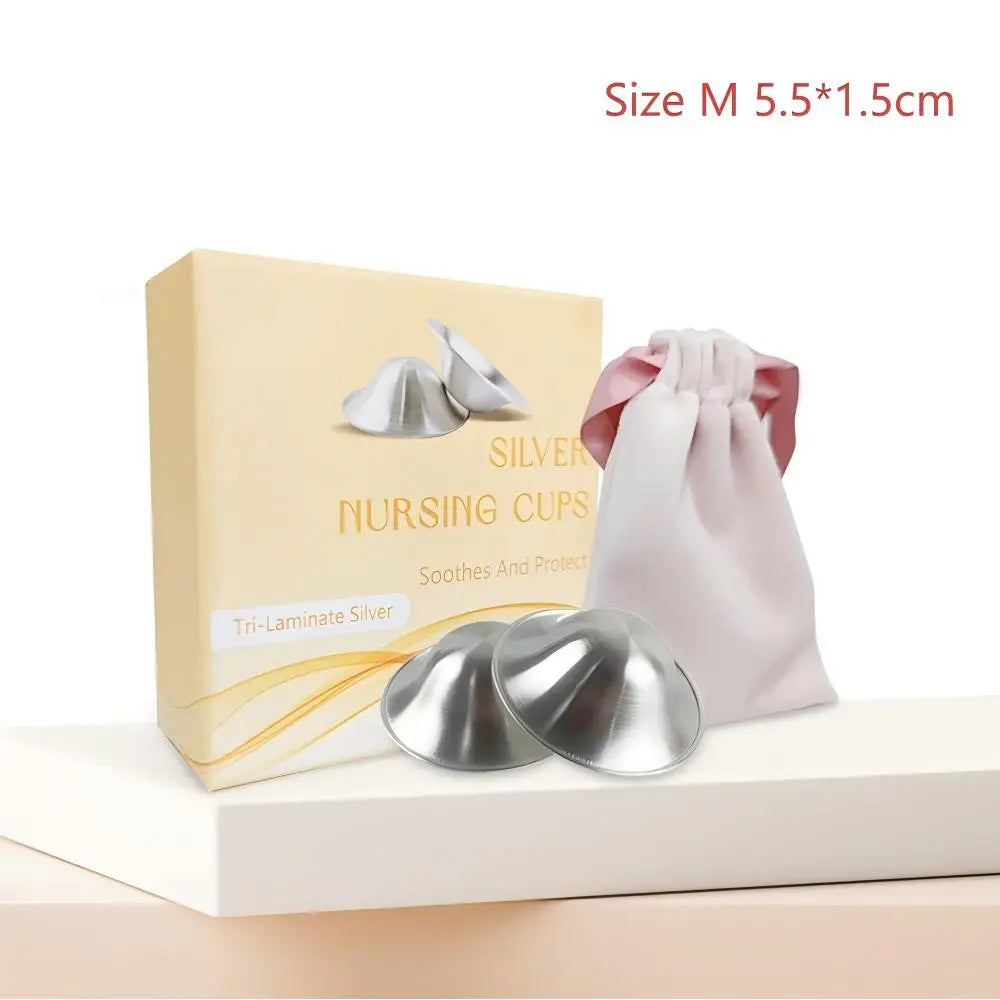
Nipple infection remedies that support breastfeeding nipple relief 💡 See it in action
What Really Shortens Nipple Healing Time Breastfeeding
Antimicrobial nipple healing methods shorten recovery by addressing the root cause—bacteria and repeated irritation. Parents who combine antimicrobial protection with latch correction often report noticeable relief within days rather than weeks.
- Consistent antimicrobial coverage
- Reduced friction between feeds
- Improved latch technique
- Supportive postpartum care routines
Products aligned with Feeding & Nursing needs often integrate seamlessly into daily routines, reducing overwhelm during early parenthood.
Real Parent Experiences With Antimicrobial Healing
Many parents describe a turning point once they switch from passive creams to antimicrobial nipple healing methods.
“After two weeks of constant pain, my nipples finally started closing within three days,” shared one breastfeeding parent. Another noted fewer setbacks once bacterial irritation was controlled.
These experiences echo why postpartum care often extends beyond baby needs, drawing attention to Beauty & Wellness solutions that support the parent too.
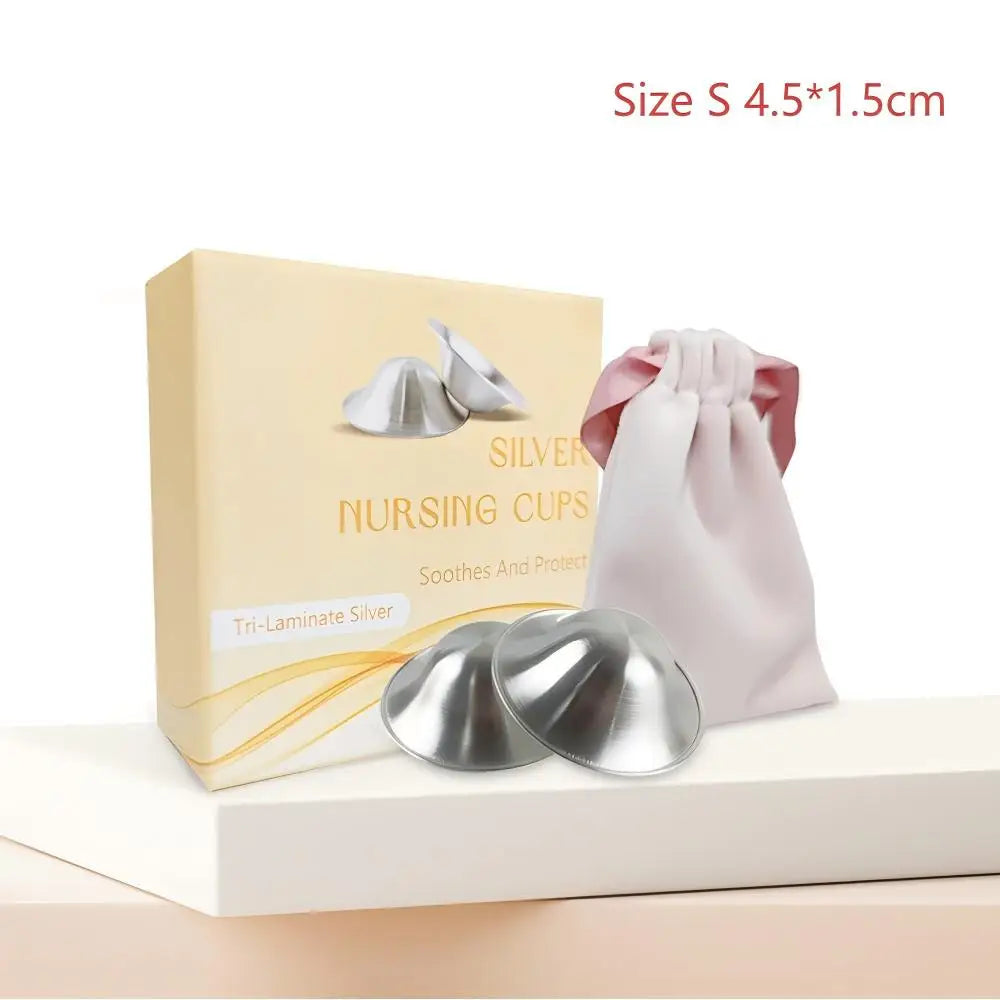
Breastfeeding nipple relief with antimicrobial nipple healing methods 💡 See it in action
Frequently Asked Questions
How long does nipple healing usually take with antimicrobial support?
With antimicrobial nipple healing methods, many parents notice improvement within 3–7 days. Full healing depends on severity, latch quality, and consistency of protection.
Are antimicrobial methods safe for daily breastfeeding?
Most antimicrobial approaches designed for breastfeeding are safe for daily use and do not interfere with feeding when used as directed.
Can antimicrobial nipple healing methods prevent future cracks?
By reducing bacterial buildup and protecting skin integrity, antimicrobial nipple healing methods can lower the risk of recurring cracks during breastfeeding recovery.
Pillar Article: Not Found
Other Related Articles:
- Bleeding Nipples After Nursing: When Silver Makes Sense
- Nipple Irritation From Breastfeeding: Who Benefits Most
Explore More:





