

Nipple Irritation From Breastfeeding: Who Benefits Most
Does nipple irritation from breastfeeding heal faster with antimicrobial care?
Nipple irritation from breastfeeding often improves faster when antimicrobial nipple healing methods are used consistently. These solutions help reduce bacterial buildup, calm inflammation, and support skin repair, which may shorten nipple healing time and provide reliable breastfeeding nipple relief during the most painful postpartum weeks.
⏱ 7 min read
Breastfeeding is meant to be a bonding experience, yet for many parents it begins with soreness, cracked skin, or sharp nipple pain postpartum. If every latch makes you wince, you are not alone. The good news is that targeted antimicrobial nipple healing methods can protect sensitive skin while easing discomfort, helping parents continue feeding with confidence and comfort.
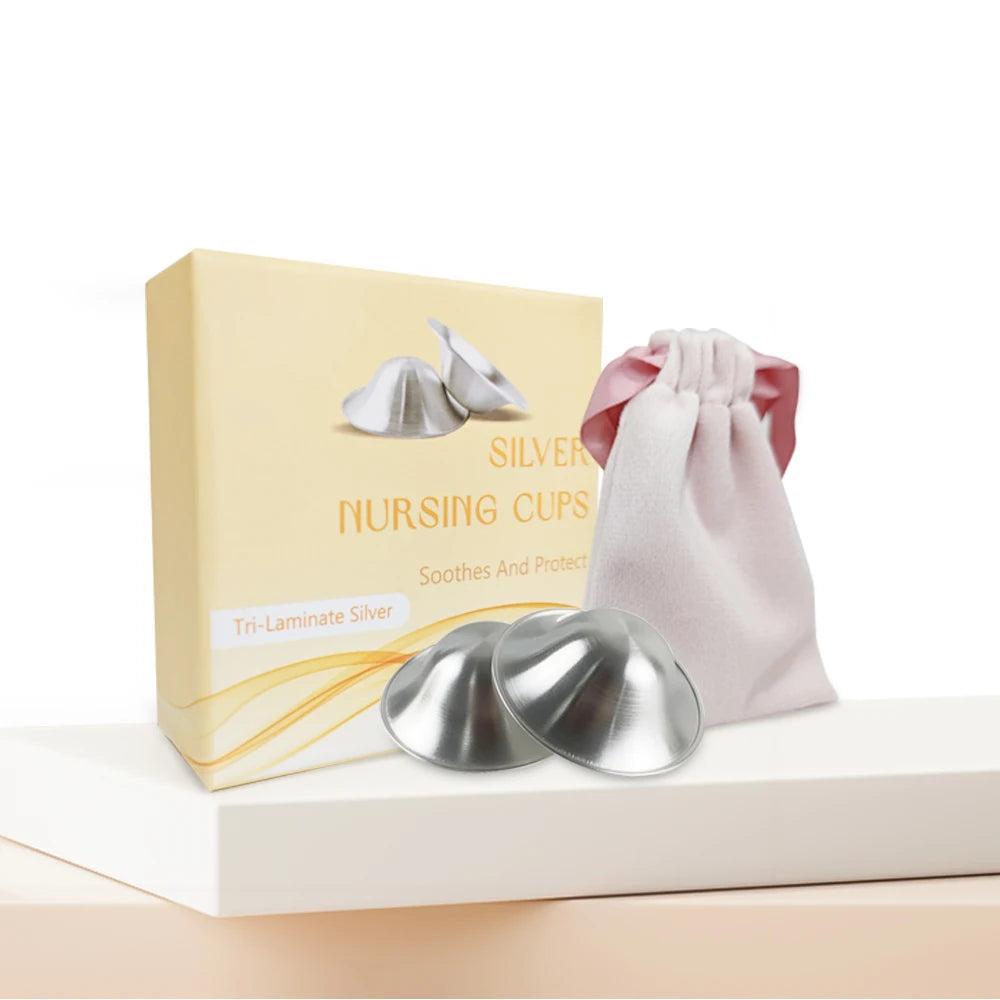
Breastfeeding nipple relief for sore, sensitive skin — 💡 See it in action
Who Experiences Nipple Irritation From Breastfeeding Most?
Nipple irritation from breastfeeding affects a wide range of parents, but certain situations increase risk. Early postpartum skin is thinner and more fragile, making it prone to cracking and pain. Frequent feeds, poor latch, or strong suction can worsen sensitivity, leading to prolonged discomfort.
- First-time parents adjusting to latch and positioning
- Parents feeding frequently during growth spurts
- Those with sensitive or dry skin conditions
- Parents pumping in addition to nursing
Why Faster Healing Changes the Breastfeeding Journey
Persistent nipple pain postpartum does more than hurt physically. It can disrupt sleep, increase stress, and make feeding feel overwhelming. Faster healing supports emotional well-being and helps parents stay consistent with feeding routines without dread.
When skin repairs quickly, parents report:
- Less anxiety before feeds
- Improved latch confidence
- Greater likelihood of continuing breastfeeding
- Reduced risk of nipple infection remedies being needed later
How Antimicrobial Nipple Healing Methods Help
Nipple irritation from breastfeeding heals best when skin is protected from bacteria while staying moisturized. Antimicrobial nipple healing methods create a safer healing environment, reducing infection risk and soothing inflamed tissue.
These methods often work by:
- Limiting bacterial growth on cracked skin
- Reducing friction between feeds
- Maintaining balanced moisture levels
- Supporting natural skin regeneration
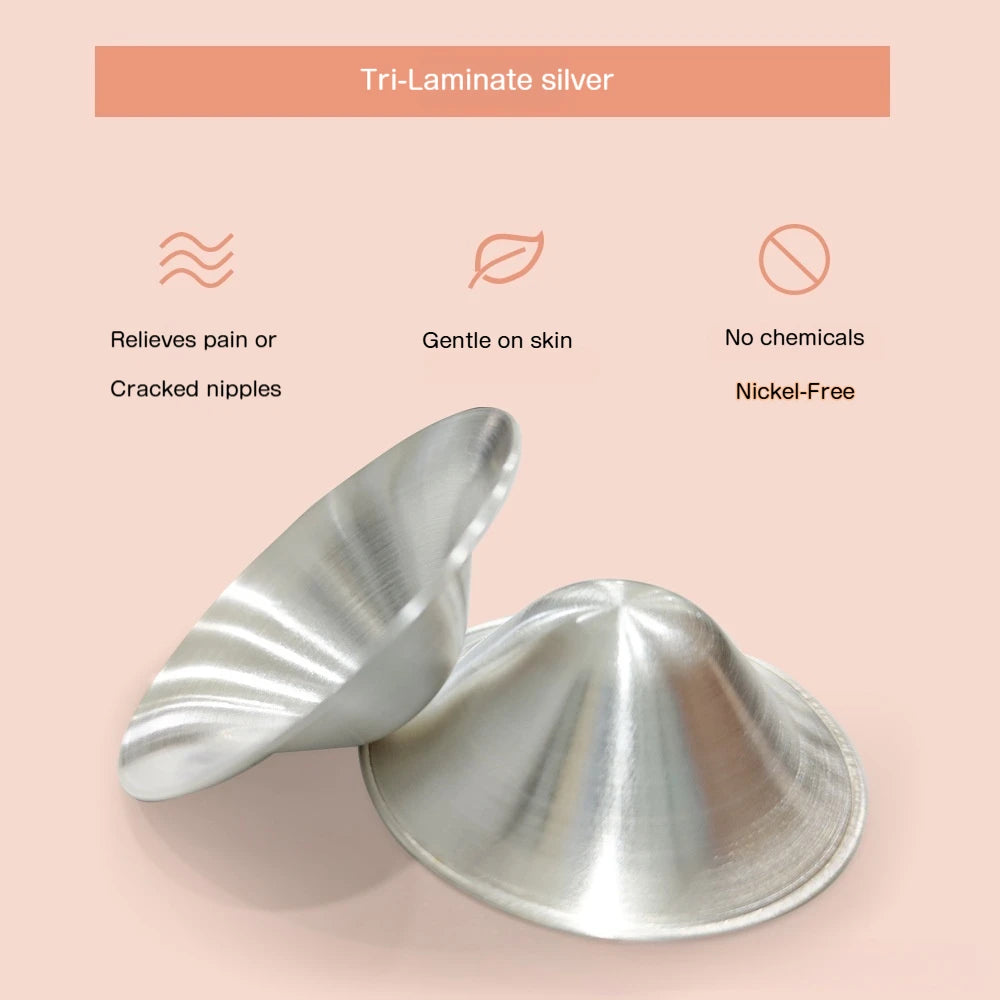
Nipple protection breastfeeding solutions that reduce pain postpartum — 💡 See it in action
Matching Solutions to Specific Needs
Not every parent experiences nipple irritation from breastfeeding the same way. Choosing the right approach depends on your main challenge.
Sensitive or Cracked Skin
Parents with fragile skin benefit from nipple protection breastfeeding tools that reduce friction and shield healing tissue. These options allow air circulation while minimizing rubbing from bras or nursing pads.
Sharp Nipple Pain Postpartum
When pain feels intense, antimicrobial protection paired with soothing pressure can calm nerves and reduce inflammation. Many parents notice faster breastfeeding nipple relief within days.
Recurring Infections or Slow Healing
For those prone to repeated soreness, antimicrobial nipple healing methods help prevent bacterial buildup, supporting consistent nipple healing time improvement.
Related collections that support comfort and care include Breastfeeding Aids, Mom Essentials, and Health & Safety.
Real Parent Experiences and Outcomes
Many parents share that nipple irritation from breastfeeding nearly led them to stop nursing. After switching to protective, antimicrobial solutions, they noticed meaningful changes.
- “Cracks healed in under a week, and feeds stopped hurting.”
- “I finally stopped dreading night feeds.”
- “My skin stayed calm even during cluster feeding.”
These stories highlight how breastfeeding pain relief is not just about comfort, but about preserving the feeding relationship.
Building a Gentle Daily Nipple Care Routine
Consistency matters when addressing nipple irritation from breastfeeding. A simple routine can support healing without adding stress.
- Clean gently with warm water after feeds
- Allow nipples to air dry briefly
- Use protective antimicrobial methods between sessions
- Choose breathable nursing pads and bras
Supportive tools can be found in Baby Care Essentials, Sleep & Comfort, and Beauty & Wellness.
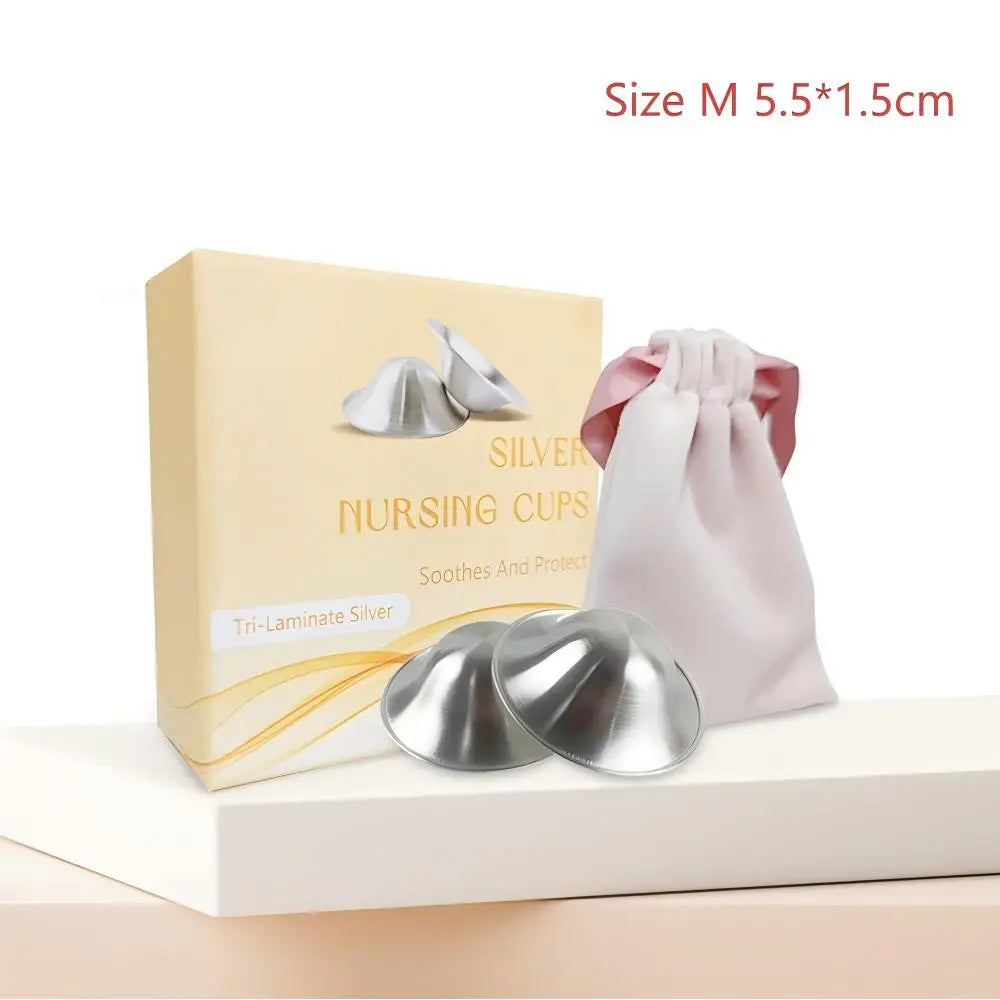
Breastfeeding nipple relief that fits real postpartum routines — 💡 See it in action
Frequently Asked Questions
How long does nipple irritation from breastfeeding usually last?
Healing time varies, but with proper nipple care and antimicrobial protection, many parents notice improvement within a few days and significant relief within one to two weeks.
Can nipple protection breastfeeding tools affect milk supply?
When used correctly, protective solutions support comfort without interfering with milk production or feeding routines.
When should I seek professional help for nipple pain postpartum?
If pain persists, worsens, or shows signs of infection, consult a lactation consultant or healthcare provider for personalized guidance.
Pillar Article: Not Found
Other Related Articles:
- Bleeding Nipples After Nursing: When Silver Makes Sense
- Antimicrobial Nipple Healing Methods That Speed Recovery
Explore More:





