

Baby Helmet for Crawling Falls: Safety Tips and Top Picks
⏱ 6 min read
Does a baby helmet for crawling falls really help protect your baby?
Baby helmet for crawling falls helps reduce head impact during early mobility by cushioning bumps from backward and sideways tumbles. Designed for comfort and daily wear, these helmets support preventing newborn falls and drops while allowing free movement. When chosen correctly, a shock absorbing toddler helmet complements other infant safety items without limiting exploration.
Baby helmet for crawling falls is a simple upgrade many parents overlook when early mobility starts. Designed to reduce head impact during tumbles, today’s options blend comfort with smart cushioning while fitting into everyday routines. From preventing newborn falls and drops to choosing a shock absorbing toddler helmet that grows with movement, the right pick can complement other infant safety items without restricting play. But which features truly matter once crawling turns into cruising?
Why Crawling Falls Happen So Often
Crawling introduces momentum before balance develops. Babies often tip backward, lose arm support, or roll sideways unexpectedly. Hard floors, furniture edges, and uneven surfaces increase the chance of minor head bumps, especially when babies transition quickly from sitting to crawling or pulling up.
Many parents assume falls only happen once walking starts. In reality, early mobility brings frequent low-height tumbles that can surprise caregivers and babies alike.
What Is a Baby Helmet for Crawling Falls?
Baby helmet for crawling falls is a lightweight head protector designed to absorb shock from everyday bumps during early movement. Unlike medical helmets, these focus on comfort, breathability, and flexibility, making them suitable for supervised indoor play.
Most designs use soft foam padding, adjustable straps, and open ventilation to keep babies cool while protecting vulnerable areas like the back and sides of the head.
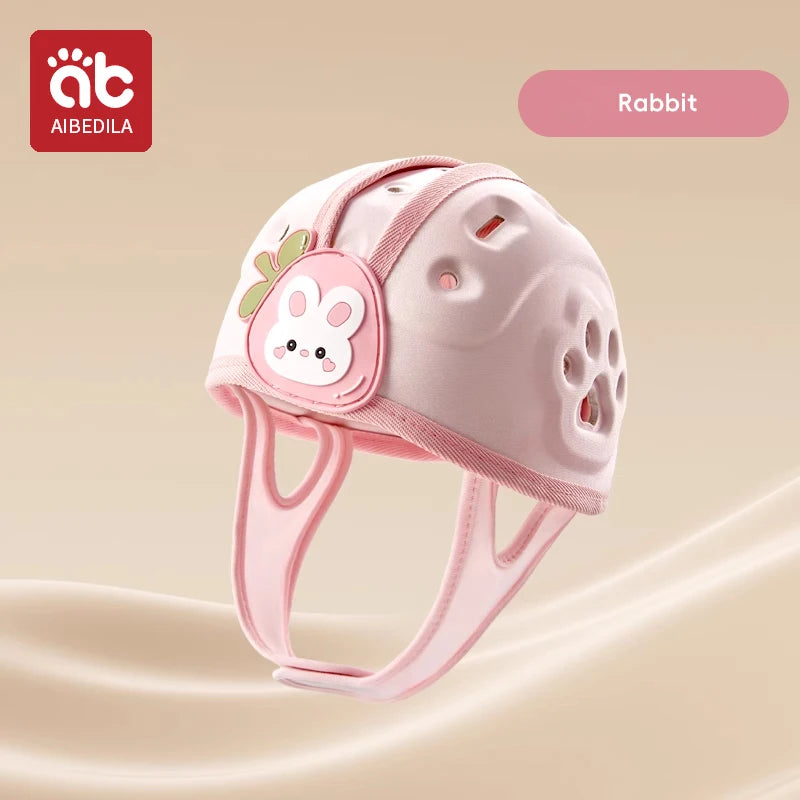
baby helmet for crawling falls helps preventing newborn falls and drops during early mobility 💡 See it in action
Key Benefits Parents Notice First
- Reduced impact anxiety: Parents feel calmer allowing independent play.
- Confidence for babies: Less fear after small tumbles encourages exploration.
- Lightweight comfort: Designed for daily wear without pressure points.
- Complements other infant safety items: Works alongside mats, gates, and padded furniture.
When paired with supportive environments like Health & Safety essentials or play zones from Baby Growth & Learning, helmets become part of a broader safety routine.
Top Helmet Types Compared Side by Side
| Type | Best For | Pros | Cons |
|---|---|---|---|
| Soft Foam Helmet | Indoor crawling | Lightweight, breathable | Less protection outdoors |
| Shock Absorbing Toddler Helmet | Active movers | Enhanced cushioning, adjustable | Slightly warmer |
| Hybrid Cap-Style | Quick play sessions | Easy on/off | Limited side coverage |
For parents building a full setup, pairing helmets with mobility tools from Mobility & Training can support safer transitions from crawling to standing.
How to Choose the Right Fit for Your Baby
- Measure head circumference and follow sizing guides.
- Look for adjustable straps that stay secure without pressure.
- Check ventilation holes to prevent overheating.
- Prioritize soft lining for sensitive skin.
A properly fitted helmet should stay in place during movement without slipping over the eyes or ears.
What Real Parents Say After Daily Use
Many parents report fewer tears after backward falls and more confidence letting babies explore independently. Some note that babies adapt quickly, often forgetting they’re wearing a helmet after a few minutes of play.
When combined with soft floor setups from Sleep & Comfort or engaging play from Sensory Toys, helmets become part of a calmer daily routine.
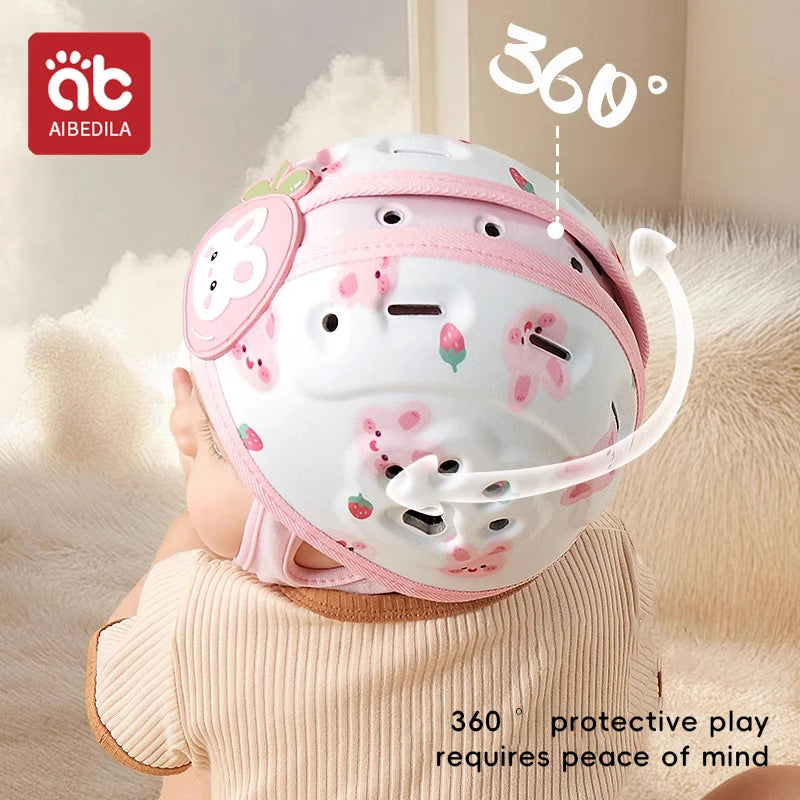
shock absorbing toddler helmet supports safer crawling and cruising 💡 See it in action
When a Helmet Makes the Most Sense
- Homes with hardwood or tile flooring
- Babies learning to sit, crawl, or pull up quickly
- Short supervised play sessions indoors
- Periods of rapid developmental change
Helmets work best as part of a layered approach, alongside monitoring tools from Monitoring Devices and daily care routines supported by Baby Care Essentials.
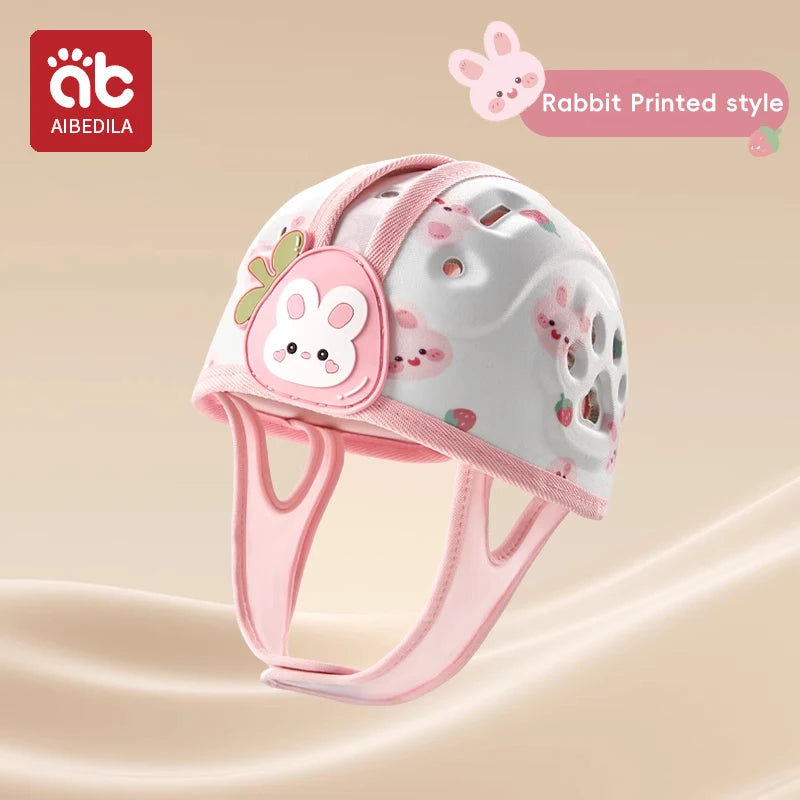
infant safety items like baby helmet for crawling falls add peace of mind 💡 See it in action
Frequently Asked Questions
Is a baby helmet safe for everyday crawling?
Yes, when used during supervised play and sized correctly, baby helmets are designed for comfort and short daily wear without restricting movement.
Can helmets replace other safety measures?
No. Helmets work best alongside floor padding, furniture guards, and attentive supervision as part of a complete safety setup.
How long do babies typically use crawling helmets?
Most families use them during peak crawling and early cruising stages, often for a few months until balance improves.
Related Guide: Best Infant Head Protection: Top Helmets Compared for Safety





