

Does lightweight head protection really work for active infants?
Lightweight head protection helps reduce injury risk by cushioning common bumps during crawling and early walking. Designed with soft, shock-absorbing materials, it protects fragile areas without restricting movement. For active infants, lightweight head protection offers a balance of comfort, breathability, and reliable impact reduction during everyday exploration.
Lightweight Head Protection: Key Benefits for Active Infants
Baby safety helmet guide insights can make all the difference when your little one starts exploring the world. This practical breakdown explains how helmet shock absorption helps reduce impact, why infant helmets safety standards matter, and how a soft chin strap helmet improves comfort without irritation. You’ll also uncover lesser-known features parents often overlook that can affect fit and protection. Ready to learn which details truly protect your baby—and which are just hype?
⏱ 6 min read
Worried about your baby’s first tumbles? You’re not alone. Many parents feel anxious once crawling turns into standing, wobbling, and sudden falls. 👉 Explore trusted Health & Safety essentials designed to support safer daily play.
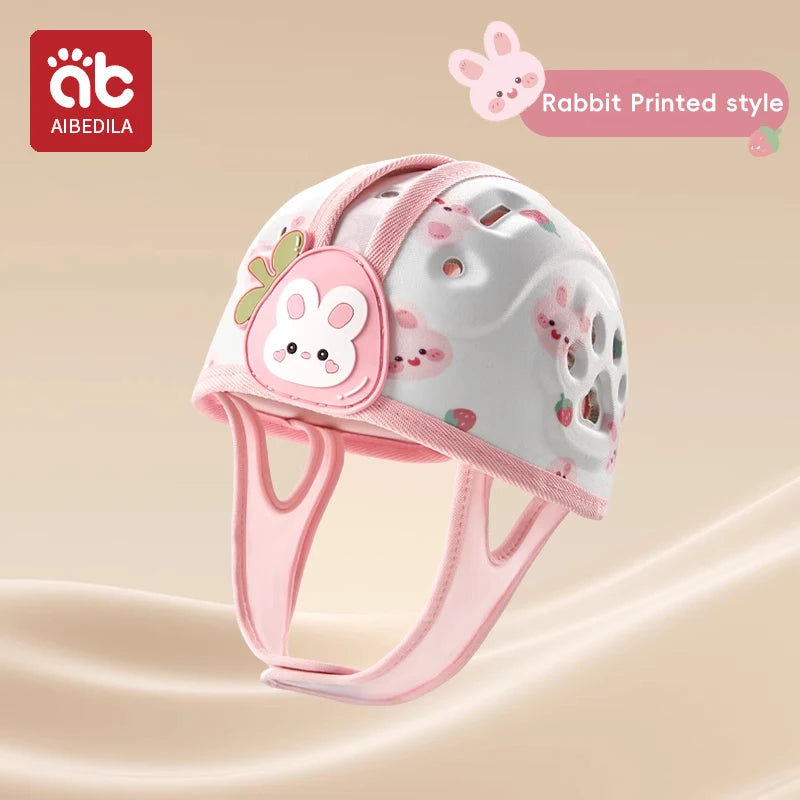
Lightweight head protection with shock absorbing helmet design for infant fall prevention 💡 See it in action
Why Active Infants Need Extra Head Protection
Between 6 and 18 months, babies experience rapid mobility changes. Crawling becomes cruising, cruising becomes walking, and falls happen daily. Infant fall prevention during this stage isn’t about stopping movement—it’s about making movement safer.
- Heads are proportionally larger and heavier than the body
- Balance skills are still developing
- Hard floors and furniture edges increase impact risk
- Repeated small bumps can add up over time
This is why many families pair helmets with other items from Baby Care Essentials to create a safer learning environment.
What Is Lightweight Head Protection?
Lightweight head protection is designed to cushion impacts without adding pressure or heat. Unlike bulky helmets, it focuses on comfort-first materials that babies tolerate longer.
Lightweight head protection uses flexible foam and breathable fabrics to absorb force while allowing natural head movement. It offers all around protection for the crown, sides, and back of the head, making it ideal for infant fall prevention during crawling and early walking without causing discomfort.
Key Design Features
- Soft outer fabric to reduce skin irritation
- Shock absorbing helmet core to disperse impact
- Ventilation channels for airflow
- Soft chin strap helmet closure to prevent slipping
How Shock Absorbing Helmets Reduce Impact
A shock absorbing helmet works by dispersing force across a wider surface area. Instead of one sharp point of contact, energy spreads through layered padding.
| Impact Area | Without Protection | With Shock Absorption |
|---|---|---|
| Forehead | Direct force | Force dispersed |
| Sides | High bruise risk | Reduced pressure |
| Back of head | Sudden shock | Cushioned landing |
Parents often combine helmets with items from Mobility & Training collections to support safer movement milestones.
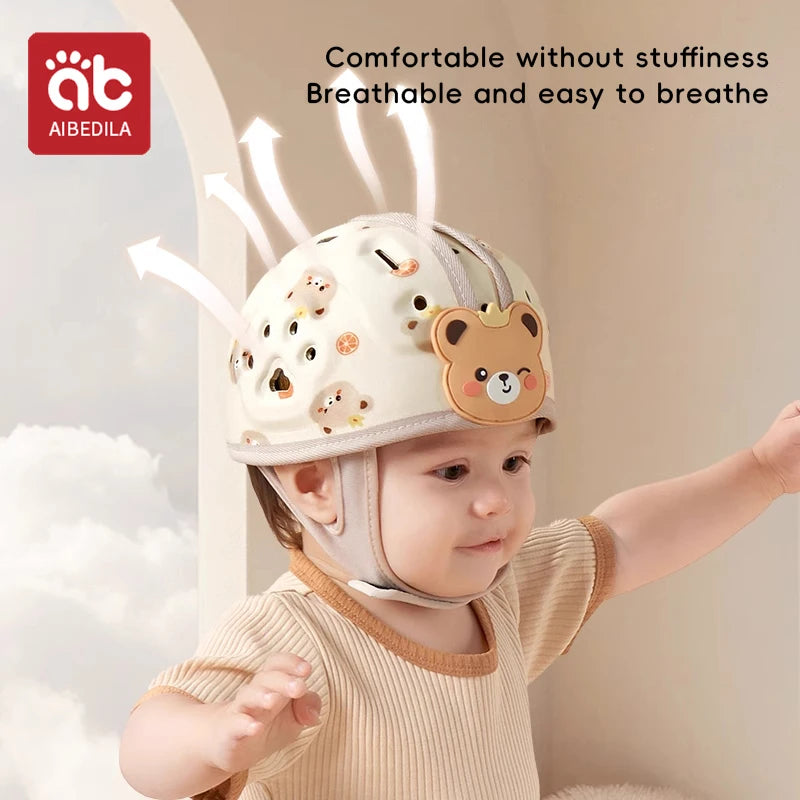
Shock absorbing helmet design supports all around protection during daily play 💡 See it in action
Curious how to create a safer play zone at home? 👉 Discover Baby Care Tips & Advice trusted by parents.
Comfort, Fit, and All Around Protection
Babies won’t wear what feels uncomfortable. That’s why fit and softness matter as much as protection.
Why a Soft Chin Strap Helmet Matters
- Prevents helmet shifting during movement
- Reduces friction under the chin
- Encourages longer wear time
- Allows easy on-and-off for parents
Breathable padding also helps regulate temperature, especially for active infants. Many parents coordinate helmets with calming routines from Sleep & Comfort solutions to keep babies relaxed after play.
Lightweight Helmets vs Traditional Options
| Feature | Lightweight Head Protection | Traditional Helmet |
|---|---|---|
| Weight | Ultra-light | Heavier |
| Breathability | High airflow | Limited |
| Comfort | Soft, flexible | Rigid |
| Daily Wear | Yes | No |
This makes lightweight head protection a practical choice for everyday indoor use rather than outdoor sports.
Real-Life Scenarios Parents Relate To
“My baby kept tipping backward while learning to stand.” “She crawls fast and bumps into furniture.” These are common stories.
Parents report fewer tears after falls and more confidence letting babies explore independently. Many also pair helmets with corner guards and mats from Health & Safety collections for layered protection.
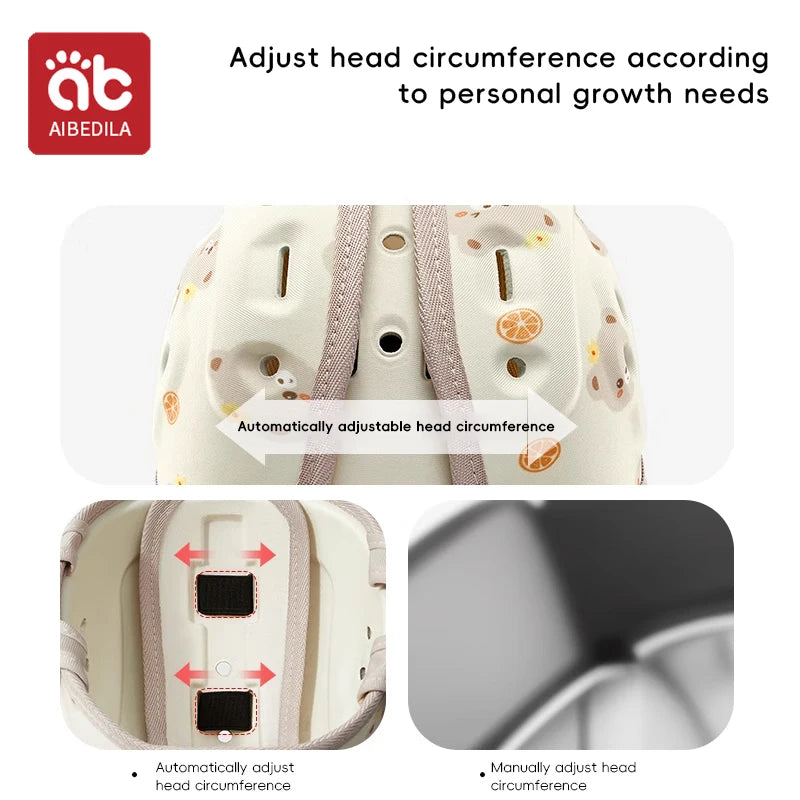
Infant fall prevention made easier with lightweight head protection and all around protection 💡 See it in action
Thinking about adding one to your routine? 👉 Get yours now — limited stock!
How to Choose the Right Helmet
- Measure head circumference accurately
- Check for adjustable straps
- Look for certified infant helmets safety standards
- Choose breathable, washable materials
Helmets work best when combined with supervised play and a baby-proofed home using essentials from Baby Growth & Learning.
Frequently Asked Questions
Is lightweight head protection safe for daily use?
Yes. When properly fitted, lightweight head protection is designed for daily indoor use, offering comfort and impact reduction without restricting movement.
Can a shock absorbing helmet prevent all injuries?
No helmet can prevent all injuries, but a shock absorbing helmet significantly reduces the force of common falls during early mobility stages.
At what age should babies wear head protection?
Most parents introduce helmets between 6–18 months, especially during crawling, standing, and early walking phases.
Related Guide: Infant Playtime Safety Gear: Features That Protect and Comfort





