

Bed Safety Barrier for Kids: Which Families Benefit Most?
Who benefits most from a bed safety barrier for kids?
A bed safety barrier for kids is most helpful for families transitioning from a crib, raising active sleepers, or concerned about a child falling out of bed during the night. It helps create a safe sleep environment, supports safe sleep for active toddlers, and provides added confidence as children gain independence in their own beds.
Bed Safety Barrier for Kids: Which Families Benefit Most?
⏱ 12 min read
A bed safety barrier for kids can be a simple solution that makes bedtime safer and less stressful. Whether your child is transitioning out of a crib, rolling frequently during sleep, or adjusting to a new room, the right barrier can help reduce nighttime falls while supporting healthy sleep habits. Understanding which families benefit most can make it easier to decide if this practical safety tool belongs in your child's bedroom.
Have you ever checked on your child in the middle of the night and worried about them rolling too close to the edge of the bed? Many parents face this concern, especially during major sleep transitions. Read on to discover how different families use bed barriers to create safer and more comfortable sleeping spaces.
👉 Curious about improving bedtime safety? Explore the Health & Safety collection and learn more about practical tools that support growing families.
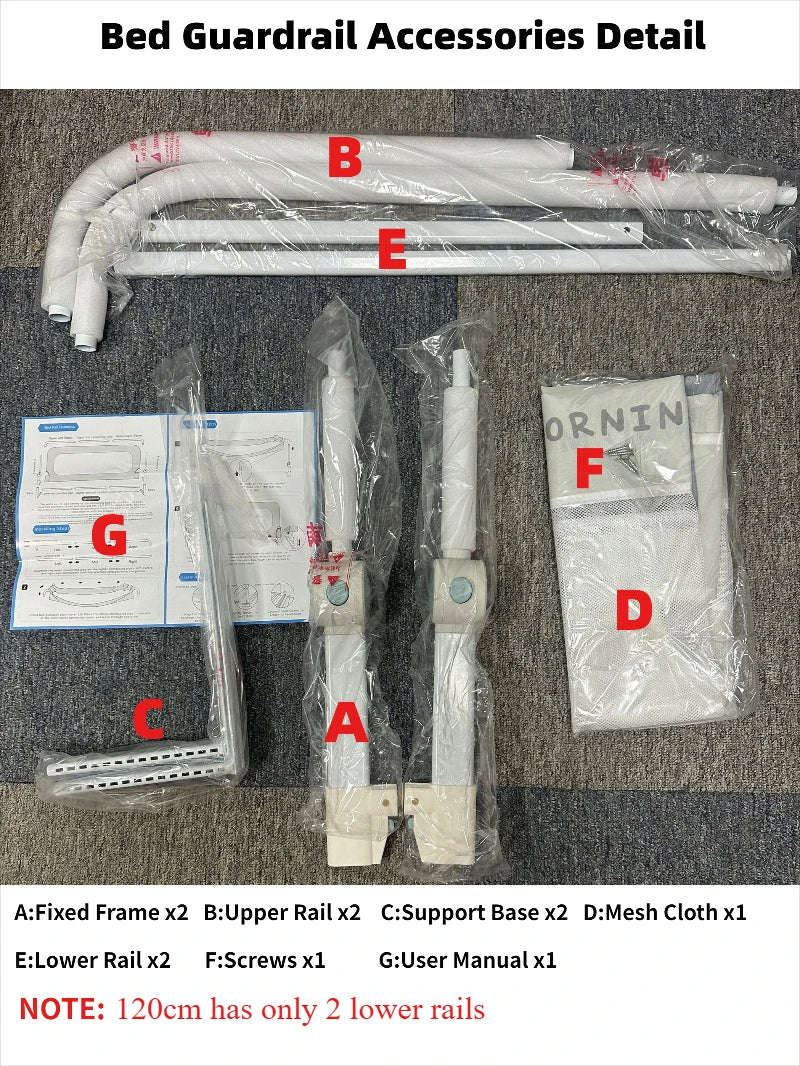
💡 See it in action - bed safety barrier for kids / safe sleep for active toddlers, child falling out of bed, best bed barriers for children, creating a safe sleep environment
Why Families Choose a Bed Safety Barrier for Kids
A bed safety barrier for kids provides a physical safeguard that helps reduce the likelihood of accidental nighttime falls. While every child develops differently, many families find that barriers offer reassurance during periods of rapid growth and changing sleep habits.
For parents, the value often extends beyond preventing falls. Better sleep quality, increased confidence, and smoother bedtime routines are common benefits reported by households that introduce bed barriers during major developmental transitions.
- Helps reduce rolling out of bed.
- Supports independent sleeping.
- Encourages confidence during transitions.
- Provides peace of mind for caregivers.
- Complements broader sleep safety practices.
Families frequently combine bed barriers with products from the Sleep & Comfort collection to create a more supportive bedtime environment.
How It Helps During the Crib-to-Bed Transition
The move from a crib to a standard bed is one of the biggest milestones in early childhood. While exciting, it can also introduce new challenges. A child who has spent years sleeping within crib walls suddenly gains much more freedom of movement.
During this adjustment period, many children continue moving in their sleep exactly as they did before. The difference is that a standard bed lacks the enclosed protection of crib rails.
Common Transition Challenges
- Children rolling toward open edges.
- Parents waking frequently to check on safety.
- Interrupted sleep from accidental falls.
- Anxiety around independent sleeping.
A bed safety barrier creates a gradual transition instead of an abrupt change. Children gain independence while still benefiting from a familiar sense of protection.
Parents exploring developmental milestones may also find useful resources within Baby Growth & Learning and Mobility & Training.
Why Active Toddlers Benefit Most
Not all children sleep the same way. Some remain relatively still throughout the night, while others roll, twist, reposition, and explore every corner of the mattress. Active sleepers are among the families most likely to benefit from bed barriers.
Safe sleep for active toddlers often requires more than simply choosing the right mattress. The entire sleep setup should account for movement patterns that naturally occur during deeper stages of sleep.
Signs Your Child May Be an Active Sleeper
- Frequently found in a different position each morning.
- Regularly kicks blankets off.
- Moves across the bed while sleeping.
- Has previously rolled out of bed.
- Changes sleeping positions multiple times each night.
For these children, barriers serve as a gentle reminder of bed boundaries without restricting normal movement.
How Bed Barriers Support Creating a Safe Sleep Environment
Creating a safe sleep environment involves more than adding a single product. It requires evaluating the entire bedroom setup, including furniture placement, bedding choices, and sleep habits.
- Ensure the mattress fits securely within the bed frame.
- Keep the area around the bed free from hazards.
- Use age-appropriate bedding.
- Install a properly fitted bed barrier.
- Review sleep routines regularly as your child grows.
When combined with thoughtful room organization and consistent bedtime habits, bed barriers become part of a broader safety strategy rather than a standalone solution.
Additional sleep-support resources can often be found through Baby Care Tips & Advice and Health & Safety Tips.
Which Families Benefit Most? A Quick Comparison
| Family Situation | Potential Benefit | Barrier Value |
|---|---|---|
| Crib-to-bed transition | Reduces adjustment challenges | High |
| Active sleepers | Helps prevent falls | High |
| Shared bedrooms | Improves sleep confidence | Moderate to High |
| Vacation homes | Adds temporary protection | Moderate |
| First-time parents | Provides reassurance | Moderate to High |
| Children with previous falls | Addresses recurring concern | Very High |
The table highlights how different households may experience unique advantages from adding a bed safety barrier for kids.
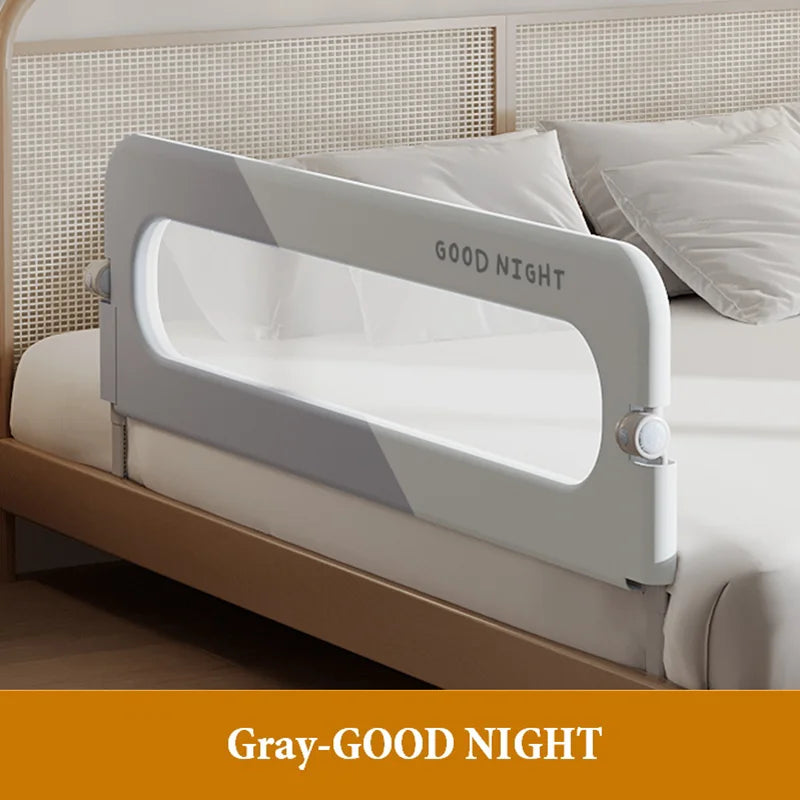
💡 See it in action - bed safety barrier for kids / safe sleep for active toddlers, child falling out of bed, best bed barriers for children, creating a safe sleep environment
👉 Learn step-by-step how to choose the right sleep safety setup. Browse the Sleep & Comfort and Monitoring Devices collections for ideas that support peaceful nights.
Special Situations Where Bed Barriers Help Even More
Children Recovering From Major Routine Changes
Moving homes, welcoming a new sibling, or starting preschool can temporarily affect sleep patterns. Children may move more during sleep when adjusting to change.
A barrier adds consistency and familiarity during these transitions.
Vacation and Travel Stays
Many families discover the value of bed barriers while traveling. Unfamiliar sleeping environments can increase the likelihood of nighttime tumbles.
Portable options can help maintain similar safety standards away from home.
Shared Beds During Temporary Circumstances
Temporary room changes, overnight visits with relatives, or home renovations may require flexible sleeping arrangements. Barriers can help maintain safety while routines return to normal.
Restless Sleepers During Growth Spurts
Growth spurts often coincide with increased movement and changing sleep behaviors. Parents frequently notice more repositioning during these periods.
While temporary, these stages can make protective barriers especially valuable.
How to Choose the Best Bed Barriers for Children
Not every bed barrier fits every child or bed type. Understanding key selection criteria helps families find a solution suited to their unique circumstances.
Consider Your Child's Age
Age influences mobility, independence, and sleeping habits. Younger toddlers may require different barrier characteristics than older children.
Evaluate Mattress Compatibility
Proper fit is essential. The barrier should work securely with the mattress and bed frame being used.
Think About Height and Coverage
Some children benefit from longer coverage areas, especially if they move extensively during sleep.
Look for Ease of Use
Parents appreciate barriers that are straightforward to install, maintain, and adjust as children grow.
Choose Solutions That Match Daily Life
Busy households often benefit from products designed to simplify routines rather than complicate them.
Families researching solutions may wish to explore the Baby Bed Guard Rail alongside resources in Health & Safety and Sleep & Comfort.
Benefits Families Often Notice After Installation
| Benefit | Impact on Family Life |
|---|---|
| Fewer nighttime falls | Improved confidence and safety |
| Better sleep quality | Reduced interruptions |
| Easier bedtime routines | Less stress for parents |
| Greater child independence | Smoother developmental transitions |
| Peace of mind | More restful nights for caregivers |
Real Parent Experiences and Common Feedback
Many parents report that their initial motivation was preventing a child falling out of bed. However, they often discover additional benefits after implementation.
"We originally bought a barrier because our toddler rolled out of bed twice. Within a week, everyone in the house was sleeping better."
"The transition from crib to bed felt overwhelming at first. The barrier helped our daughter feel secure without making the new bed feel restrictive."
"Our son moves constantly while sleeping. The barrier gave us confidence that he could sleep independently and safely."
While experiences vary, recurring themes include better sleep, fewer worries, and smoother transitions.
Pros and Cons of Using a Bed Safety Barrier
| Pros | Cons |
|---|---|
| Helps reduce accidental falls | Requires proper installation |
| Supports sleep independence | May not fit every bed design |
| Provides parental reassurance | Needs periodic adjustment checks |
| Useful during transitions | Selection process can feel overwhelming |
Common Mistakes Parents Should Avoid
- Choosing a barrier without measuring the bed.
- Ignoring manufacturer instructions.
- Assuming all children need identical setups.
- Forgetting to reassess safety needs as children grow.
- Overlooking broader room safety considerations.
The best results come from treating sleep safety as a complete system rather than relying on a single product alone.
Building a Complete Bedtime Safety Routine
A barrier works best when combined with healthy sleep habits. Consider maintaining a consistent bedtime, reducing distractions before sleep, and ensuring the room remains comfortable throughout the night.
Many parents also combine sleep-focused products with tools from Smart Baby Gadgets, Monitoring Devices, and Massage & Relaxation to support overall bedtime routines.
As children mature, their sleep needs continue changing. Periodically reviewing the bedroom setup helps ensure that safety measures remain appropriate and effective.

💡 See it in action - bed safety barrier for kids / safe sleep for active toddlers, child falling out of bed, best bed barriers for children, creating a safe sleep environment
Final Thoughts
The families who benefit most from a bed safety barrier for kids are often those navigating important developmental transitions, raising active sleepers, or seeking additional confidence around nighttime safety. By helping reduce concerns about child falling out of bed incidents and supporting safe sleep for active toddlers, a thoughtfully selected barrier can become a valuable part of creating a safe sleep environment.
Whether your child is leaving the crib behind, adjusting to a larger bed, or simply moving more during sleep, the right setup can support both independence and peace of mind.
👉 Ready to improve bedtime safety? Explore the Baby Bed Guard Rail today and discover how a well-designed solution can help support safer, more comfortable sleep for your growing child.
Frequently Asked Questions
At what age should a child use a bed safety barrier?
Many families begin using a bed safety barrier during the transition from a crib to a toddler or twin bed. The appropriate timing depends on the child's developmental stage, mobility, and sleeping habits.
Can a bed safety barrier help active sleepers?
Yes. Children who move frequently during sleep are among the most common users of bed barriers because they are more likely to approach bed edges during the night.
Do bed barriers replace other sleep safety practices?
No. Bed barriers work best as part of a complete approach to sleep safety that includes proper room setup, age-appropriate bedding, and regular safety reviews.
How do I choose the best bed barriers for children?
Consider your child's age, sleeping habits, mattress compatibility, bed design, and the level of coverage needed for your situation.
Are bed barriers useful after the crib-to-bed transition?
Absolutely. Many families continue using barriers beyond the transition period, especially if their child remains an active sleeper or benefits from additional boundary awareness during sleep.
Related Articles:
- Adjustable Toddler Bed Side Rail for Active Sleepers Explained
- Portable Child Bed Guard Rail for Travel and Sleepovers
Pillar Articles:





