

How to Use Bed Rails Safely for Every Stage of Toddler Sleep
How to use bed rails safely for toddlers?
How to use bed rails safely starts with choosing a secure, well-fitted rail, positioning it correctly along the mattress edge, and ensuring no gaps exist. Install firmly, check stability nightly, and pair with a low bed height to reduce injury risk while creating a safe sleep environment for growing toddlers.
How to Use Bed Rails Safely for Every Stage of Toddler Sleep
Worried about your toddler rolling out of bed at night? You’re not alone. Many parents feel anxious during the transition from crib to bed. This guide to toddler bed safety shows exactly how to use bed rails the right way, helping you prevent bed falls while creating a safe sleep environment that evolves with your child.
⏱ 8 min read
Quick question: Is your toddler ready for a bed rail—or are you setting it up too early? Keep reading to find out.
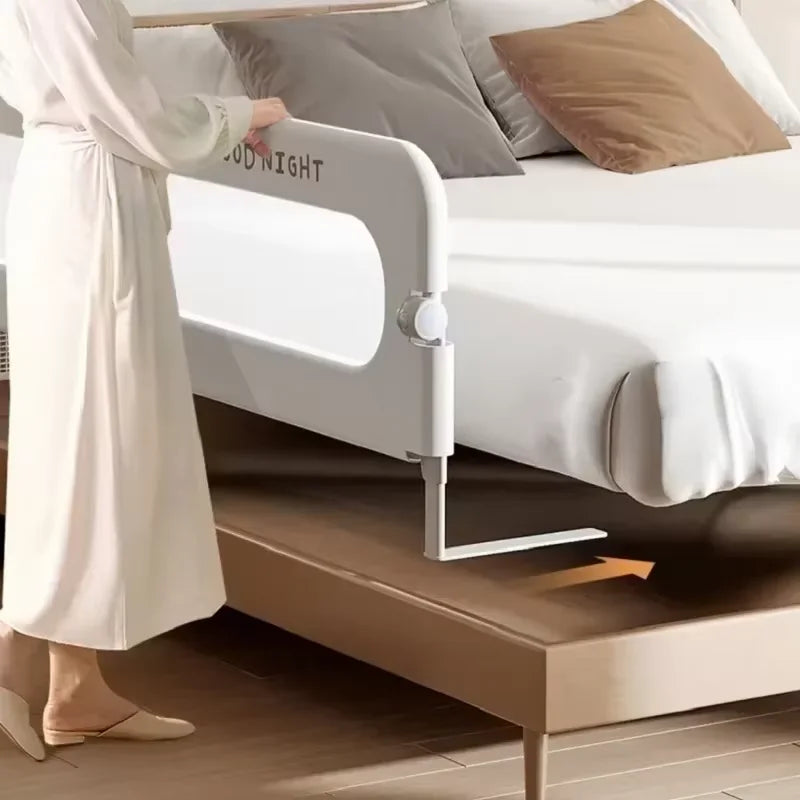
💡 See it in action - how to use bed rails / guide to toddler bed safety, safe toddler bed setup guide, how to prevent bed falls, creating a safe sleep environment
👉 Want a safer sleep setup tonight? Explore the best options in Sleep & Comfort designed for growing toddlers.
Why Bed Rails Matter for Toddler Safety
Transitioning from crib to bed is a big milestone—but also a risky one. Toddlers move a lot in their sleep, and without protection, falls are common.
- Prevents nighttime rolling and accidental falls
- Builds confidence for independent sleep
- Creates a boundary without feeling restrictive
- Supports smoother bedtime routines
A properly installed bed rail becomes part of a safe toddler bed setup guide—not just a quick fix.
How to Use Bed Rails Step-by-Step for Maximum Safety
How to use bed rails correctly means installing them securely, aligning them tightly with the mattress, and checking for gaps. The rail should cover the main open side of the bed while leaving safe access for climbing in and out, ensuring both safety and independence.
-
Choose the correct size
Make sure the rail matches your mattress dimensions. -
Position it properly
Install along the side where falls are most likely. -
Eliminate gaps
No space should exist between mattress and rail. -
Secure tightly
Use straps or anchors for stability. -
Test before use
Press firmly to ensure it doesn’t move.
For reliable protection, consider using a dedicated solution like baby bed guard rail designed for stability and ease of installation.
How Choosing the Right Bed Rail Prevents Falls Instantly
Not all bed rails are created equal. Picking the wrong one can actually increase risk.
| Feature | Why It Matters |
|---|---|
| Height-adjustable | Adapts as your child grows |
| Breathable mesh | Improves airflow and visibility |
| Secure anchoring | Prevents shifting during sleep |
| Foldable design | Easy for parents to access bed |
Parents often overlook durability—but it’s one of the biggest factors in how to prevent bed falls.
Explore more safety-focused essentials in Health & Safety for a complete setup.
Creating a Safe Toddler Bed Setup Guide That Actually Works
Bed rails are just one part of a complete sleep environment. Combine them with smart setup choices for better protection.
- Use a low bed frame to minimize fall height
- Add a soft rug or mat beside the bed
- Keep pillows and toys minimal
- Ensure proper room lighting for night wake-ups
A thoughtful setup transforms bedtime from stressful to peaceful.
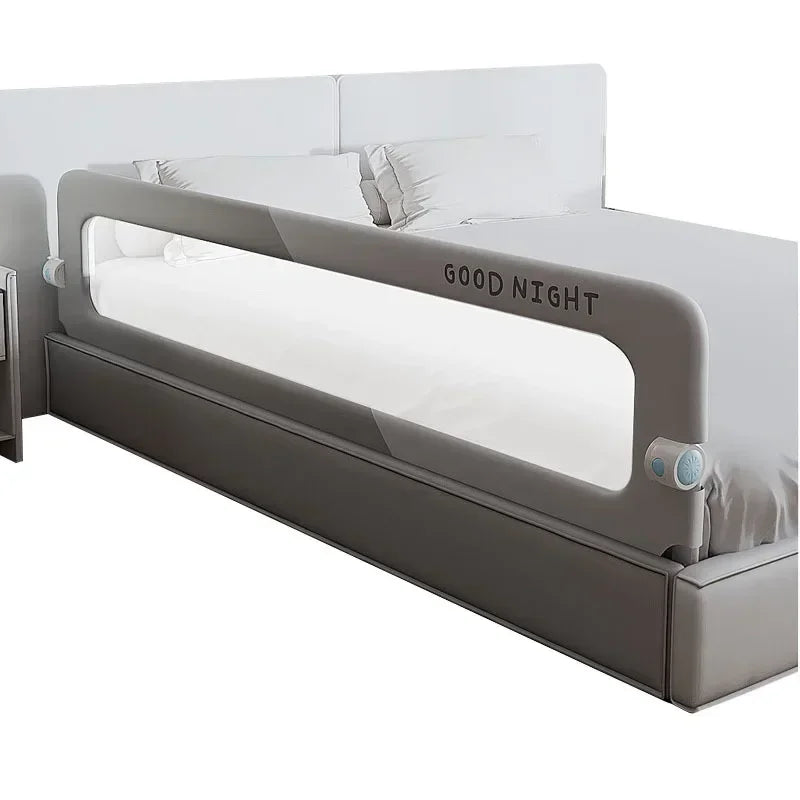
💡 See it in action - how to use bed rails / guide to toddler bed safety, safe toddler bed setup guide, how to prevent bed falls, creating a safe sleep environment
👉 Want step-by-step help choosing the safest setup? Browse expert picks in Baby Care Tips & Advice.
Common Bed Rail Mistakes Parents Make (And How to Avoid Them)
Even with the best intentions, small mistakes can reduce safety.
❌ Installing loosely
❌ Leaving gaps between mattress and rail
❌ Using rails too early
❌ Ignoring wear and tear
✅ Always double-check installation
✅ Replace damaged rails immediately
✅ Adjust as your child grows
These simple fixes dramatically improve safety and peace of mind.
Using Bed Rails for Every Stage of Toddler Sleep
Early Transition (18–24 months)
At this stage, toddlers are still adjusting. Use full-length rails and keep the bed low.
Active Sleepers (2–3 years)
Kids move more. Reinforced rails with secure anchoring are essential.
Independent Climbers (3+ years)
Use fold-down rails or partial coverage to allow easy access.
This stage-based approach ensures your setup evolves with your child.
Extra Tips to Prevent Bed Falls Without Stress
- Teach safe climbing habits
- Keep bedtime routines consistent
- Avoid overly soft mattresses
- Regularly inspect the rail system
Many parents report fewer nighttime wake-ups once their child feels secure.
“Our toddler stopped waking up crying after we installed a proper bed rail—it made a huge difference.”
Pair your setup with calming tools from Massage & Relaxation to improve sleep quality.
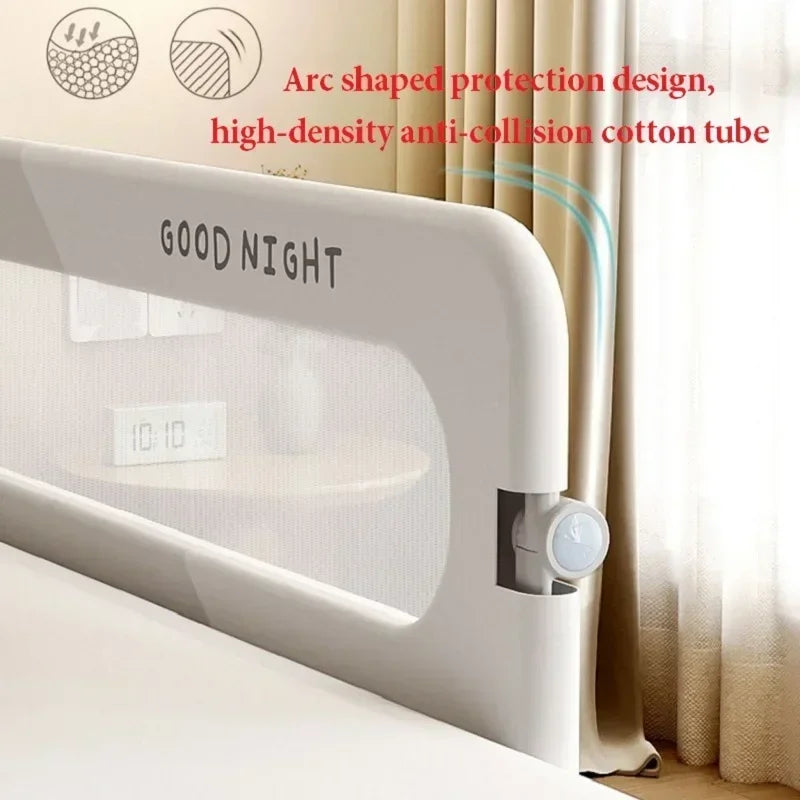
💡 See it in action - how to use bed rails / guide to toddler bed safety, safe toddler bed setup guide, how to prevent bed falls, creating a safe sleep environment
👉 Ready to make bedtime safer tonight? Get your baby bed guard rail now—limited stock available.
Frequently Asked Questions
When should I start using bed rails?
Most toddlers are ready between 18 months and 2 years, especially when transitioning out of a crib.
Are bed rails safe for all beds?
They work best with standard mattresses and frames. Always check compatibility before installing.
Can bed rails prevent all falls?
They significantly reduce risk but should be combined with a safe sleep environment for full protection.
How often should I check the bed rail?
Inspect it weekly for looseness, wear, or gaps to maintain safety.
Related Articles:
- Bed Rail for Toddler Safety: How to Create a Safer Sleep Space
- How Bed Guard Rails Work and When Your Child Needs One
- Install Bed Rails on Any Bed Frame Without Common Mistakes
- Bed Rails Installation Made Easy in 7 Simple Steps
Pillar Articles:





