

Do antimicrobial nipple healing methods really speed recovery?
Antimicrobial nipple healing methods work by actively reducing bacteria and yeast on damaged skin while creating a protective healing environment. By addressing infection risk directly, these approaches can shorten nipple healing time breastfeeding parents experience, ease pain faster, and provide more consistent breastfeeding nipple relief than passive creams alone.
Antimicrobial Nipple Healing Methods That Speed Recovery
Antimicrobial nipple healing methods can dramatically change how fast sore, cracked skin recovers during breastfeeding. Instead of simply waiting for discomfort to pass, many parents now rely on targeted nipple infection remedies that actively protect damaged skin while supporting natural repair. When used correctly, these solutions can shorten nipple healing time breastfeeding families struggle with and restore daily breastfeeding nipple relief with less stress.
⏱ 7 min read
Which nipple healing method fits your breastfeeding journey best? If pain, cracks, or repeated irritation are affecting feeds, understanding how antimicrobial approaches work can help you choose with confidence.
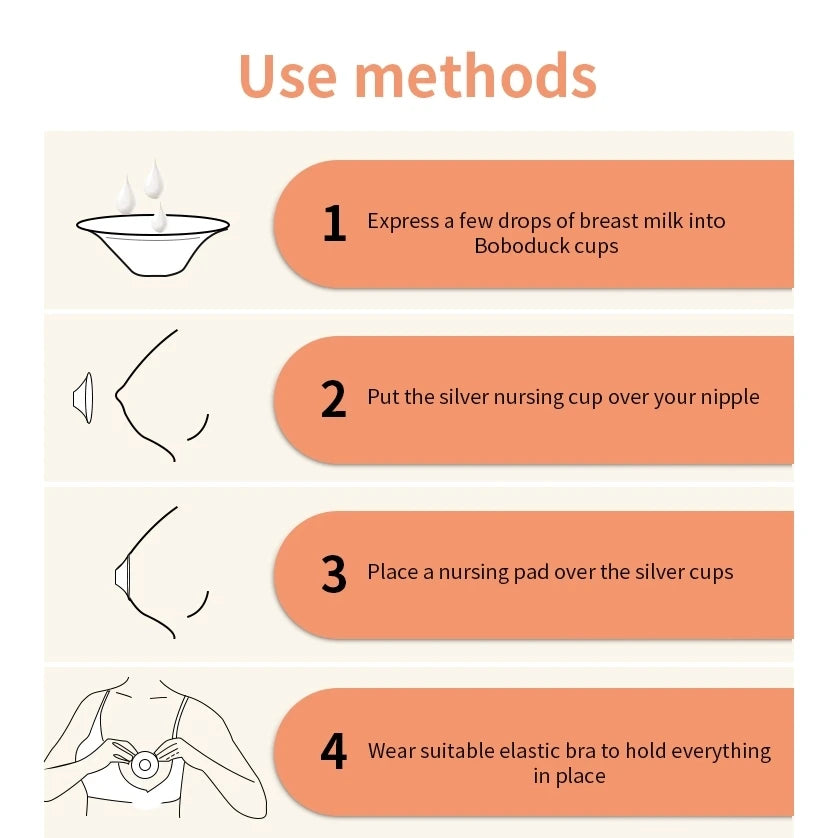
Antimicrobial nipple healing methods designed for breastfeeding nipple relief 💡 See it in action
Why Nipple Healing Often Takes Longer Than Expected
Many parents assume cracked nipples will heal on their own with time. In reality, constant moisture, friction, and exposure to bacteria during feeds can slow skin repair. Without proper protection, tiny wounds reopen repeatedly, extending discomfort and increasing the risk of infection.
- Frequent feeding prevents uninterrupted skin recovery
- Moist environments allow bacteria or yeast to thrive
- Improper latch can reopen healing cracks
- Passive creams may soothe but not protect
This is why nipple infection remedies that actively reduce microbes can make such a noticeable difference in healing speed.
How Antimicrobial Nipple Healing Methods Work
Antimicrobial nipple healing methods protect damaged skin by limiting bacterial growth while supporting the body’s natural repair process. Instead of masking pain, they address one of the main reasons healing stalls: microbial exposure during repeated feeds.
What makes a healing method antimicrobial?
Antimicrobial solutions create an environment where bacteria and yeast struggle to survive. This helps prevent infection, reduces inflammation, and allows new skin cells to regenerate more efficiently.
- Reduce surface bacteria and yeast
- Protect micro-cracks from contamination
- Maintain balanced moisture levels
- Support uninterrupted skin repair
Why Silver-Based Solutions Are Widely Trusted
Silver has been used for centuries for its natural antimicrobial properties. In modern breastfeeding care, medical-grade silver solutions provide consistent nipple infection remedies without added chemicals or fragrances.
Do silver-based nipple healing methods work?
Antimicrobial nipple healing methods that use medical-grade silver continuously inhibit bacterial growth on cracked skin. This protection helps shorten nipple healing time breastfeeding parents experience, while reducing pain and supporting breastfeeding nipple relief without creams, ointments, or frequent reapplication.
Many parents prefer silver-based options because they:
- Require minimal daily maintenance
- Do not wash away between feeds
- Offer continuous antimicrobial protection
- Feel soothing against sensitive skin
Silver nipple solutions are commonly paired with items from Breastfeeding Aids and Mom Essentials to support a smoother recovery routine.
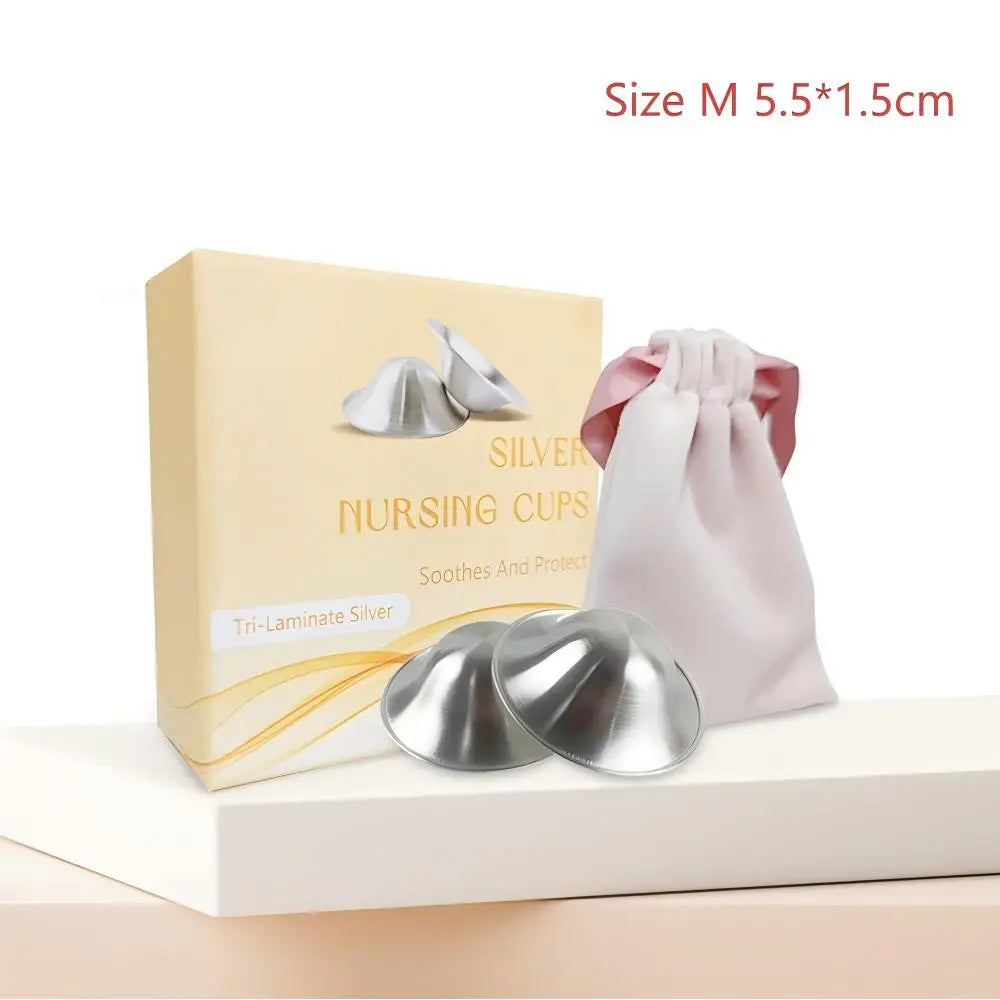
Silver-based antimicrobial nipple healing methods supporting nipple healing time breastfeeding 💡 See it in action
One popular option parents explore is the tri-laminate silver design available at tri-laminate silver nipple shields, often chosen for its durability and skin-friendly construction.
Natural Antimicrobial Options and Their Limits
Some parents prefer plant-based nipple infection remedies, such as coconut oil or medical-grade honey. While these may offer mild antimicrobial benefits, they often require frequent reapplication and careful hygiene to remain effective.
| Option | Pros | Limitations |
|---|---|---|
| Coconut Oil | Soothing, moisturizing | Limited antimicrobial strength |
| Medical-Grade Honey | Natural antibacterial properties | Sticky, requires careful cleaning |
| Silver-Based Solutions | Continuous antimicrobial protection | Initial learning curve |
For parents dealing with recurring cracks or prolonged healing, stronger antimicrobial nipple healing methods often provide more consistent results.
Matching Healing Methods to Your Specific Needs
Not every breastfeeding experience is the same. The most effective nipple healing approach depends on your skin sensitivity, feeding frequency, and pain level.
- Severe cracking: Continuous antimicrobial protection to prevent reinjury
- Sensitive skin: Non-chemical, fragrance-free materials
- Frequent feeds: Low-maintenance solutions that stay effective
- Recurring irritation: Stronger nipple infection remedies
Many parents combine antimicrobial healing tools with supportive products from Feeding & Nursing and Health & Safety collections to reduce friction and improve latch comfort.
A Simple Daily Routine That Supports Faster Recovery
Consistency matters more than complexity. A simple routine using antimicrobial nipple healing methods can make recovery feel manageable, even during frequent feeds.
- Gently cleanse nipples with water only
- Apply or wear antimicrobial protection between feeds
- Allow brief air exposure when possible
- Monitor skin for visible improvement
Parents often report noticeable breastfeeding nipple relief within days when antimicrobial protection is used consistently.
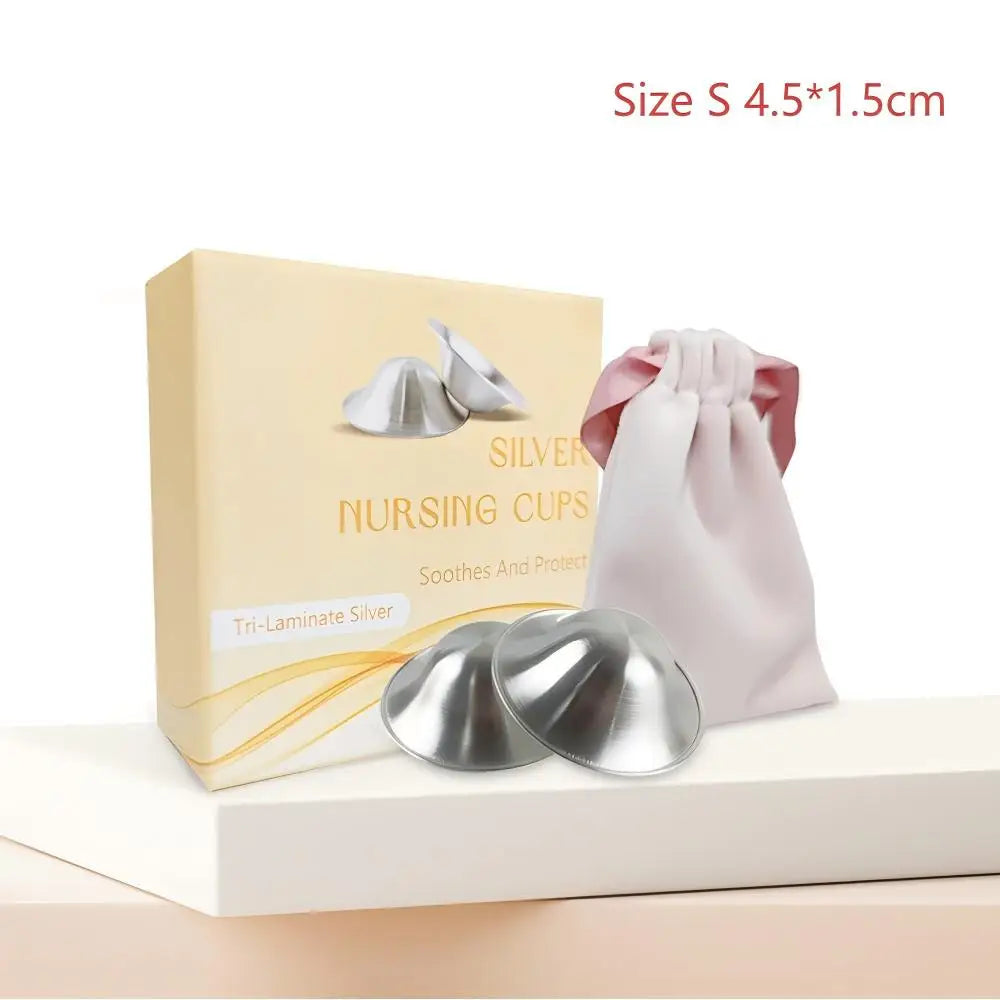
Daily use of antimicrobial nipple healing methods for breastfeeding nipple relief 💡 See it in action
To further support comfort, many families explore gentle wellness tools from Beauty & Wellness and calming options in Massage & Relaxation.
Frequently Asked Questions
How long does nipple healing take during breastfeeding?
Nipple healing time breastfeeding varies, but antimicrobial nipple healing methods can reduce recovery from weeks to days by preventing infection and protecting damaged skin between feeds.
Are antimicrobial nipple healing methods safe for daily use?
Most medical-grade antimicrobial solutions, including silver-based options, are designed for continuous use during breastfeeding without introducing chemicals or fragrances.
Can antimicrobial methods replace nipple creams?
Many parents find they no longer need creams when using antimicrobial protection, as these methods address both pain and infection risk directly.
When should I seek professional advice?
If pain persists, cracks worsen, or signs of infection appear, consult a lactation consultant or healthcare provider for personalized guidance.
Pillar Article: Silver Nipple Shields Review: Which Options Actually Heal Faster
Other Related Articles:
- Tri Laminate Silver Nipple Shields vs Regular: What’s Better
- Silver Breastfeeding Accessories Compared for Nipple Relief
- Antimicrobial Silver Nipple Covers: Are They Worth It
- Do Silver Nursing Cups Work? Honest Pros and Cons
Explore More:





