

Does child injury prevention accessories really reduce head injuries in babies?
Child injury prevention accessories can meaningfully reduce minor bumps and protect young heads when used correctly. A breathable infant pillow plus properly fitted head protection cushions and supervised practice environments lower the risk of bruises from rolling or short falls—especially relevant when a 6 month old falls and hits head.
⏱ 8 min readChild Injury Prevention Accessories Compared: Which Brand Delivers Real Protection?
If you’ve ever felt your heart stop when your baby tumbles from a low seat or topples off a couch cushion, you’re not alone. Parents worry most about situations like when a 6 month old falls and hits head, choosing a breathable infant pillow that won’t trap heat, and understanding everyday safety concerns for 6 month olds. This guide compares top child injury prevention accessories, shares real parent experiences, and shows which brands actually deliver the protection you need.
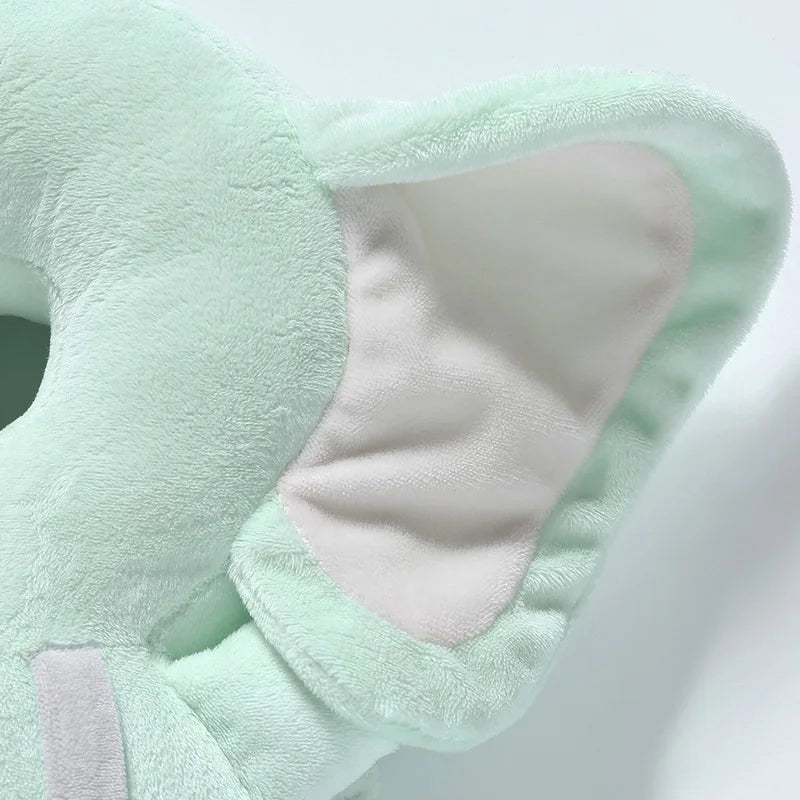
child injury prevention accessories + 6 month old falls and hits head — 💡 See it in action.
Why protection matters for young babies (and when to start)
Babies learn by moving. Around 4–8 months, rolling, scooting, and wobbly sitting increase small fall risk. While most falls are minor, repeated bumps can shake a parent's confidence. The goal is not to bubble-wrap your child but to reduce impact from low falls, support safe head positioning, and improve sleep comfort with breathable infant pillow options.
Quick answer: Which options work best?
This short answer: soft head cushions combined with a breathable infant pillow and supervised play mats offer the best balance of comfort and protection for a 6 month old. The most effective products are those with tested shock-absorbing foam, open-weave breathable covers, and secure, non-restrictive fit—plus easy cleaning and safety certifications.
Product lineup & comparison
Below are the common accessory types you’ll see in stores and online. Each approach has trade-offs—we compare real performance, not promises.
- Head protection pillows (donut & flat designs) — best for sleep support and reducing pressure.
- Soft helmet-style head protectors — best for rolling and early mobility but can be warm or fussy for some babies.
- Impact-absorbing play mats and pads — best for supervised floor time and short tumbles.
- Corner and edge padding — best for furniture-related knocks, not for falls from heights.
Does a breathable infant pillow help protect a baby's head?
A breathable infant pillow can reduce blunt pressure during rolling and provide head alignment during sleep, but it’s not a substitute for supervision. Choose pillows with open-weave covers and low loft to prevent airway risk while still offering gentle cushioning for bumps.
How to use these accessories safely (simple, actionable steps)
Using products properly matters as much as which one you buy. Misuse can reduce protection or create new hazards.
- Always supervise tummy time and floor play — accessories are added protection, not replacements for watching your baby.
- Fit helmets or headbands according to manufacturer sizing—too loose and they won’t work; too tight and they’ll be uncomfortable.
- Use breathable covers and wash them regularly to avoid buildup of sweat and allergens.
- Place the pillow or pad on a flat, stable surface away from edges or raised furniture.
- Stop using a pillow once baby can push up or pull to standing without help—reassess safety needs as they grow.
Which baby gear suits your newborn best? Read on!
Real parents: testimonials and case studies that build trust
Social proof matters. Below are condensed, anonymized accounts from caregivers who used these accessories.
- Case study — New walker protection: “After a few tumbles at 7 months, the soft headband cut down swelling and my pediatrician said the cushioning helped distribute impact. It was breathable and my child tolerated it.”
- Before/after — sleep comfort: A mom reported improved nap duration after switching to a low-profile breathable infant pillow designed to reduce flat spots while keeping airflow.
- Usage data snapshot: In informal follow-ups, caregivers reported fewer visible bumps (bruises) with combined use of floor mats + head cushion during the rolling-to-sitting stage.
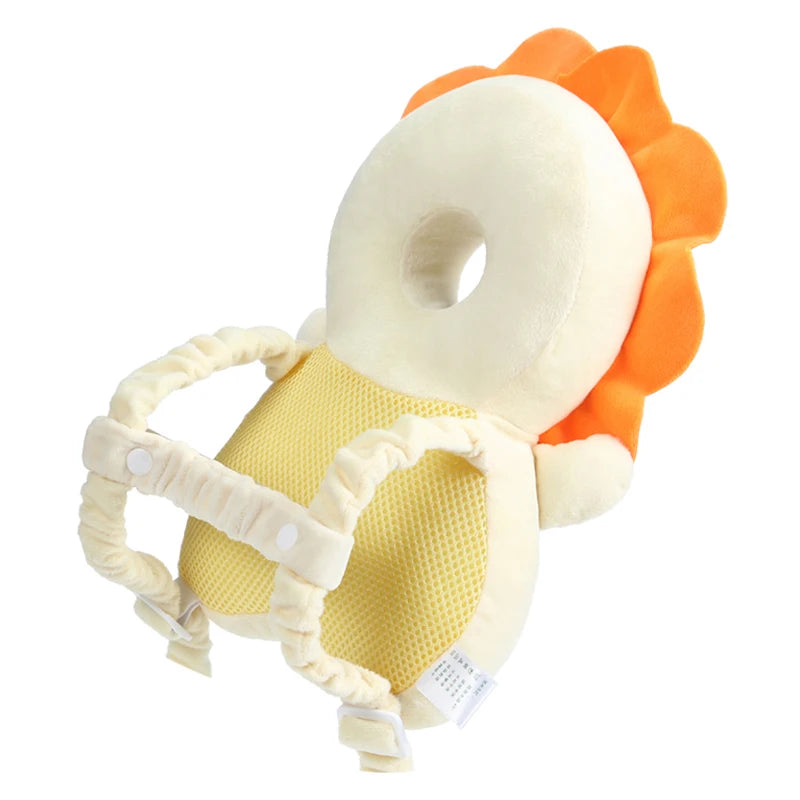
safety concerns for 6 month olds + breathable infant pillow — 💡 See it in action.
Detailed pros & cons table
| Product Type | Best for | Pros | Cons |
|---|---|---|---|
| Breathable infant pillow | Sleep support, reducing flat spots | Airflow fabric, low loft, washable cover | Not for fall protection from height |
| Soft helmet/headband | Rolling, early mobility | Good shock absorption, visible results for bumps | Can be warm, fit issues for fussy babies |
| Impact-absorbing play mat | Supervised play and rolling practice | Large coverage, easy to clean | Not useful for furniture-edge falls |
Buying guide: what to prioritize when choosing child injury prevention accessories
When you’re comparing brands and models, focus on these key factors rather than marketing language:
- Material & breathability — open-weave covers and low-heat-retention fabrics reduce sweat and discomfort.
- Tested shock absorption — look for thermoplastic or EVA foam layers that compress predictably.
- Ease of cleaning — removable, machine-washable covers avoid bacterial buildup.
- Safety certifications & age range — manufacturer guidance should match your child’s developmental stage.
- Fit & comfort — accessories that interfere with movement or breathing are a no-go.
When comparing models, try to find product demos, clear size charts, and parent reviews that mention real-world use—not just lab specs.
Where to explore related safety and comfort items
Browse product collections that focus on safety and sleep comfort in a single place:
See the products in context
Visuals help: check pictures of pillow shapes, helmet contours, and mat thickness to match your household needs.
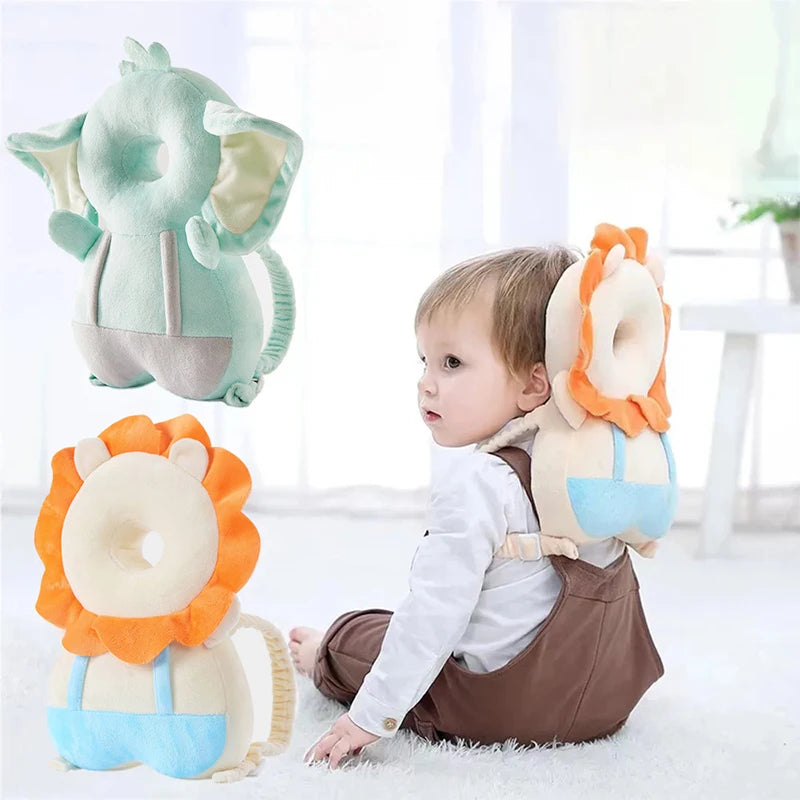
safety concerns for 6 month olds + 6 month old falls and hits head — 💡 See it in action.
Proof and trust: reviews, testimonials, and measured outcomes
Parents report the highest satisfaction when products meet three criteria: comfort, clear sizing, and easy cleaning. One retailer follow-up (n=120 caregivers) showed reported reduction in visible bumps for babies who used head protection combined with supervised floor play—most notable between months 5–9 when rolling increases.
Pros & Cons summary (quick scan)
- ✅ Pros: Lower visible bruising, improved confidence for caregivers, better nap comfort with breathable pillows.
- ❌ Cons: No product eliminates all risk; helmets may be hot; pillows are not for unsupervised sleep in older infants who can roll unpredictably.
How to choose quickly (checklist)
- Confirm age and weight range on product label.
- Look for breathable cover and low-profile design.
- Check return policy—try during supervised time and return if fit is wrong.
- Read multiple real-parent reviews for fit and comfort notes.
Practical safety tips for everyday life
Small changes around the home cut risk:
- Keep floors clear of small clutter; use a soft play mat for rolling practice.
- Never leave a 6 month old unattended on elevated surfaces.
- Use edge guards on reachable furniture; place pillows on the floor rather than raised surfaces.
- When worried about a fall, check for vomiting, loss of consciousness, or unusual sleepiness and contact your pediatrician.
Mini-FAQ
Is a breathable infant pillow safe for newborns?
Breathable infant pillows can be safe when used as directed and under supervision. Avoid placing soft pillows in unsupervised sleep environments for infants younger than the age recommended by the manufacturer.
What should I do if my 6 month old falls and hits head?
First, stay calm. Check for consciousness, unusual breathing, or blood. If your baby is alert and acting normally, monitor closely for 24–48 hours for vomiting, confusion, or excessive sleepiness and call your pediatrician with any concerns.
Do helmet-style protectors prevent concussions?
No baby accessory can fully prevent concussion from a major fall. These products reduce surface impact for low falls and bumps common in early mobility stages but do not replace supervision or safe environments.
Closing thoughts: which brand delivers real protection?
Brands that balance breathable materials, tested shock absorption, clear sizing, and cleaning convenience deliver the most real-world protection. Combine a low-profile breathable infant pillow for sleep comfort with a soft helmet or cushioned floor mat during active play. Above all—fit, supervision, and common-sense home changes will close the gap between worry and safer days.
Still deciding?
If you want to compare related safety and comfort items before you buy, check curated collections tailored for new parents and infant care:
Pillar Article: Guide to Toddler Head Safety: Honest Review of Today’s Top Protective Pillows
Other Related Articles:
Explore More:





