

Do Toddler Head Protection Pillows Really Reduce Head Injuries?
Yes—when used correctly during supervised play, a safe movement pillow for toddlers can help reduce the force of minor bumps by cushioning the back of the head and spreading impact across a wider surface. While no baby head protection pillow can prevent every injury or replace close supervision, it can provide an extra layer of protection for babies learning to crawl, pull to stand, cruise, and take their first steps.
⏱ 8 min read
Safe Movement Pillow for Toddlers: Best Options for Confident Early Walkers
Watching an 8 month old fall and hit their head while learning new movement skills is a common concern for parents. During the crawling and early walking stages, frequent tumbles are part of healthy development, but that doesn't make them any less stressful. This guide explains how a safe movement pillow for toddlers works, compares the most common designs, and highlights the key features to consider so you can choose a comfortable, breathable option that supports confident exploration without restricting natural movement.
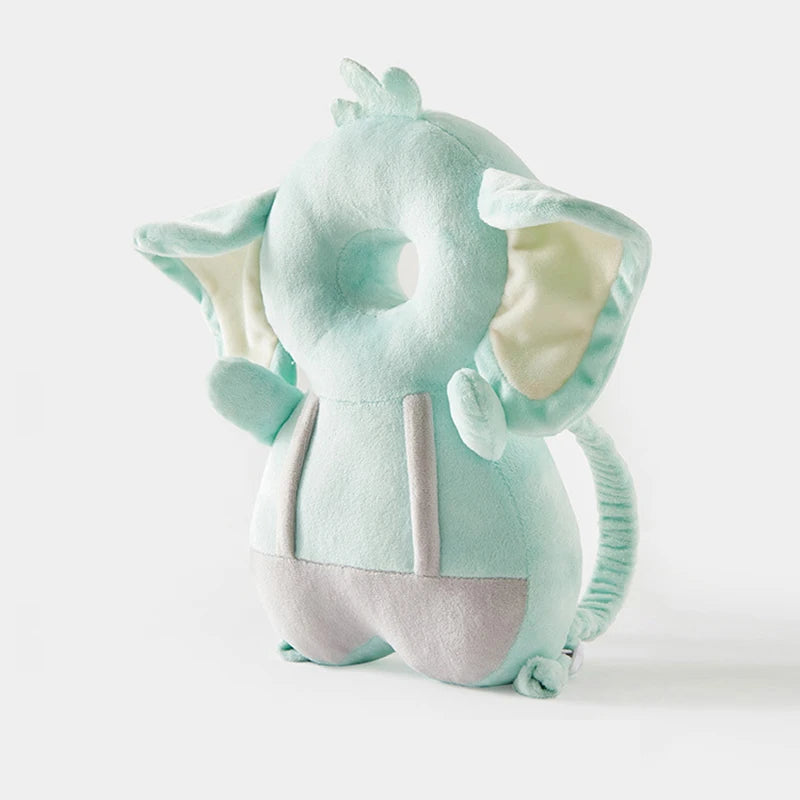
safe movement pillow for toddlers • 8 month old falling and hitting head • See it in action
Learn how the right protective gear can complement safe play habits while your little one builds balance, coordination, and confidence.
Why Parents Choose a Movement Pillow: Everyday Problems It Helps Solve
As babies become more mobile, they naturally experience frequent slips, backward tumbles, and unexpected bumps against furniture. A lightweight movement pillow gives parents added reassurance by helping cushion minor impacts during supervised play without limiting a child's freedom to crawl, cruise, or practice walking. It works best as one layer in a broader childproofing strategy—not as a replacement for supervision.
Common situations where a movement pillow can help
- Learning to pull up beside coffee tables, sofas, and other low furniture.
- Practicing crawling on hardwood, tile, or other firm indoor flooring.
- Taking first independent steps while balance is still developing.
- Moving between rooms where occasional backward falls are common.
Good to know: A movement pillow helps reduce the severity of everyday bumps, but parents should still use safety gates, corner guards, soft play surfaces, and active supervision to lower overall injury risk.
Which Pillow Fits Your Child? Types, Materials, and Who Should Use Them
Different movement pillows are designed for different stages of development. Choosing the right style depends on your baby's age, mobility, comfort preferences, and how they typically play throughout the day.
Direct answer: Is a movement pillow right for my baby?
Most babies who are crawling, cruising, or beginning to walk between approximately 6 and 24 months may benefit from a baby head protection pillow during supervised awake time. These products help cushion common low-height falls but are not intended to prevent serious injuries or replace attentive caregiving.
Common movement pillow styles
- Helmet-style caps: Provide the broadest coverage around the head for active toddlers taking independent steps.
- Donut or cradle pillows: Lightweight options that primarily cushion backward falls during crawling and floor play.
- Wrap-around shoulder cushions: Help absorb impacts around the upper back and sides while babies practice standing and cruising.
Who benefits most
- Babies transitioning from crawling to walking.
- Families with hardwood, tile, or concrete flooring.
- Parents seeking lightweight protection that doesn't overly restrict movement.
- Children with pediatrician-approved cushioning needs following minor scalp sensitivity.
Quick Comparison Table: At-a-Glance Features
| Feature | Donut/Cradle Pillow | Helmet-Style Cap | Wrap-Around Shoulder Pillow |
|---|---|---|---|
| Protection coverage | Back of head | Head, sides, and back | Upper back and side impacts |
| Breathability | High | Medium to high | High |
| Cleaning | Removable washable cover | Wipe clean or removable lining | Machine-washable cover |
| Best suited for | Floor play and crawling practice | Confident early walkers | Furniture cruising and balance practice |
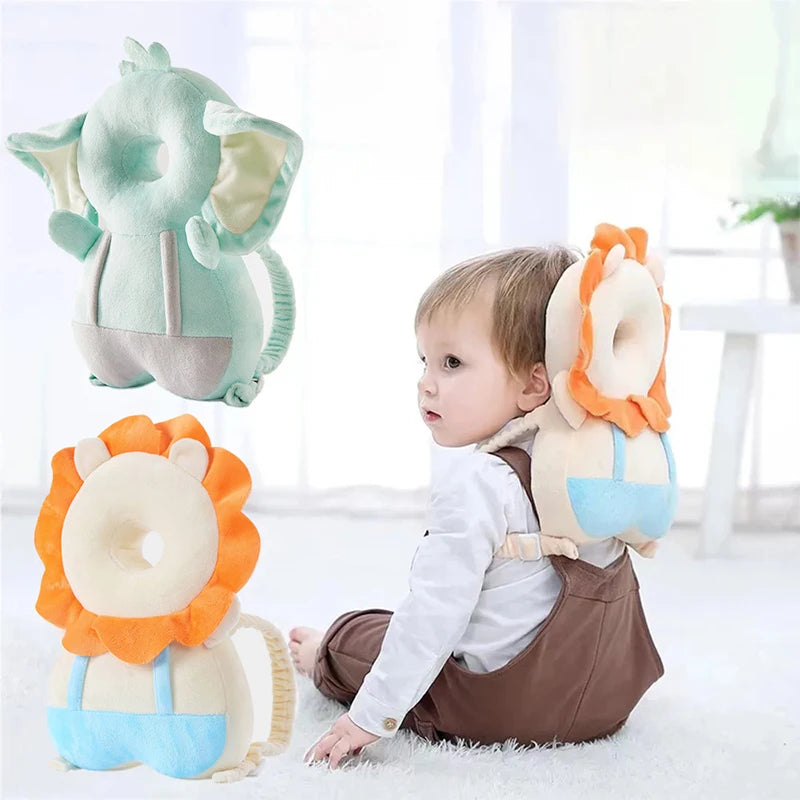
safe movement pillow for toddlers • crawling techniques • 8 month old falling and hitting head • See it in action
Discover how proper sizing, breathable materials, secure adjustment, and age-appropriate designs make a head protection pillow more comfortable and effective during everyday play.
How to Use a Toddler Head Protection Pillow Correctly
Correct fit and consistent supervision are just as important as the pillow itself. A properly adjusted movement pillow should stay securely in place while allowing your child to move, crawl, and walk comfortably without restricting natural development.
- Confirm the recommended age, weight, and sizing guidelines before first use. If your child has a medical condition or recent head injury, ask your pediatrician whether additional protection is appropriate.
- Adjust the pillow according to the manufacturer's instructions. Backpack-style cushions should rest comfortably between the shoulders, while helmet-style designs should fit snugly without creating pressure points.
- Use the pillow only during supervised awake activities. Unless the manufacturer specifically states otherwise, remove it before naps or overnight sleep.
- Inspect straps, stitching, buckles, and padding regularly. Replace the product if any component becomes loose, torn, or excessively worn.
- Continue using childproofing measures such as safety gates, corner guards, non-slip rugs, and close adult supervision to reduce overall fall risks.
Safety tips for different mobility stages
- Crawlers: Choose a lightweight, low-profile cushion that protects against backward tumbles without interfering with arm and shoulder movement.
- Pulling to stand and cruising: Backpack-style cushions help absorb minor backward impacts while babies practice balance alongside furniture.
- First walkers: A helmet-style design or well-fitted backpack protector can provide additional cushioning during frequent beginner falls while still allowing natural movement.
Buying Checklist: Choose the Right Head Protection Pillow
Not every baby head protection pillow offers the same level of comfort or usability. Comparing key features before purchasing can help you find a model that fits your child's developmental stage and everyday routine.
- Material: Look for breathable, skin-friendly fabrics with removable, washable covers that stay comfortable during active play.
- Fit: Adjustable straps should hold the pillow securely without slipping or restricting movement.
- Padding: Soft, energy-absorbing filling should cushion minor bumps while remaining lightweight enough for extended wear.
- Ventilation: Mesh panels or breathable construction help minimize overheating during indoor play.
- Safety information: Choose products with clear usage instructions, age recommendations, and easy-to-follow care guidance.
- Return policy: A flexible return option is helpful if sizing or fit isn't ideal after trying the product.
Explore other supportive gear and buffers in Mobility & Training or protective bedding in Sleep & Comfort to build a layered safety approach.
Where this product fits into your routine
- Daily supervised play: Ideal for crawling, standing practice, cruising, and first walking sessions.
- Travel: Lightweight backpack-style cushions are easy to pack for visits to grandparents, daycare, or hotels with unfamiliar flooring.
- Recovery support: If recommended by your pediatrician, soft cushioning may provide additional comfort after minor scalp sensitivity while your child remains active.
Top Picks and Where Each Fits Best
Different designs suit different stages of mobility. The /products/baby-head-protection-pillow offers a lightweight backpack-style solution that works well for many babies learning to crawl, cruise, and walk.
- Best for floor play: A low-profile cradle-style pillow provides lightweight cushioning during tummy time, crawling practice, and supervised floor activities.
- Best for cruising: Backpack-style head protectors, including the /products/baby-head-protection-pillow, help cushion backward falls while allowing natural arm and shoulder movement.
- Best for early walkers: Helmet-style impact protectors offer broader coverage for toddlers experiencing frequent forward, backward, and sideways tumbles as confidence grows.
Common Buying Mistakes to Avoid
Choosing the wrong size
A head protection pillow should fit your child's current size and mobility stage. A loose design may shift during movement, while an overly tight fit can reduce comfort and discourage regular use. Always follow the manufacturer's recommended age and weight guidelines before purchasing.
Ignoring ventilation
Breathable materials are essential for active babies. Look for lightweight fabrics, mesh panels, and soft padding that promote airflow to help reduce heat buildup during crawling, cruising, and early walking practice.
Using during sleep
Most toddler head protection pillows are designed for supervised awake play only. Unless the manufacturer specifically states that sleep use is appropriate, remove the pillow before naps and bedtime to reduce unnecessary safety risks.
- Never leave a baby unattended on elevated surfaces, even while wearing protective gear.
- Replace any pillow with damaged stitching, loose filling, broken straps, or exposed padding.
- Stop using the product if your child shows signs of discomfort, skin irritation, or poor fit, and consult your pediatrician if you have concerns.
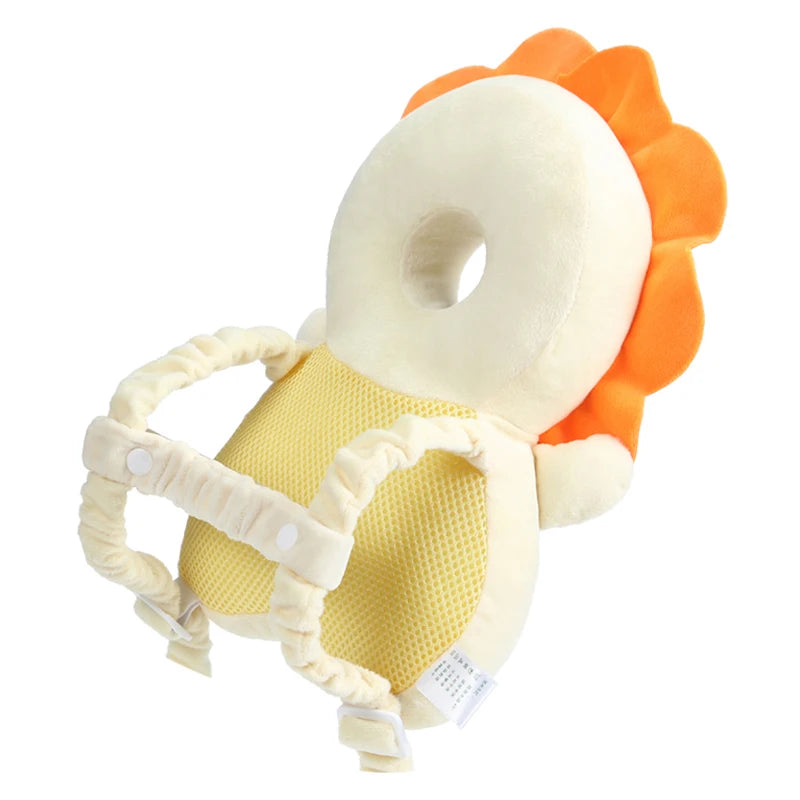
safety pillow • safety pillow support • baby impact pillow • See it in action
Ready to add a soft layer of protection? Check the product details, sizing information, and current availability at /products/baby-head-protection-pillow.
Is a Toddler Head Protection Pillow Worth Buying?
For many families, a toddler head protection pillow offers worthwhile peace of mind during the months when falls happen most often. Although it cannot prevent serious injuries, it can help cushion minor everyday bumps while encouraging babies to explore new movement skills with greater confidence.
Who benefits most
- Babies learning to crawl, pull to stand, cruise, or walk independently.
- Families with hardwood, tile, or other firm indoor flooring.
- Parents looking for lightweight protection that complements childproofing measures.
Who may not need one
- Children who have already developed stable walking and balance.
- Babies who dislike wearing backpack-style accessories despite proper fitting.
- Families whose primary concern is outdoor cycling or sports, where certified protective helmets are more appropriate.
Value compared with alternatives
Compared with the potential stress and discomfort caused by frequent minor falls, an affordable baby head protection pillow can be a practical investment during early mobility. It works best alongside safety gates, corner guards, soft play mats, and attentive supervision—not as a replacement for them.
Frequently Asked Questions
Can a head protection pillow prevent concussions?
No. A baby head protection pillow may help reduce the impact of minor everyday bumps, but it cannot guarantee protection against concussions or serious head injuries.
Is it safe for naps or sleep?
Most products are intended for supervised awake use only. Follow the manufacturer's instructions carefully and remove the pillow before unsupervised sleep unless explicitly approved for sleep use.
What age should babies start using one?
Many movement pillows are designed for babies between approximately 6 and 24 months, particularly during crawling, cruising, and first walking stages. Always verify the recommended age and weight range.
When should toddlers stop wearing a head protection pillow?
Most children no longer need one once they have developed stable walking skills and experience fewer backward falls. Individual development varies from child to child.
Can a head protection pillow replace parental supervision?
No. Protective pillows should always be used alongside active supervision and appropriate childproofing throughout the home.
Are backpack head protectors better than baby helmets?
Neither option is universally better. Backpack-style cushions help reduce backward impacts during everyday play, while helmet-style protectors provide more complete head coverage for particularly active toddlers.
How should I clean a baby head protection pillow?
Follow the care label. Many models feature removable, machine-washable covers, while others recommend gentle hand washing or spot cleaning to preserve the padding.
Related collections: Health & Safety, Baby Care Essentials, Mobility & Training
Pillar Article: What Is PP Cotton in Baby Safety Pillows? Full Review for New Parents
Other Related Articles:
- Toddler Walking Fall Dangers Reviewed: Which Pillows Offer Real Protection?
- Prevent Toddler Head Bruises: Top-Rated Safety Pillows Compared
- Adjustable Baby Head Pillow Review Guide for Safer Crawling and Walking
- Lightweight Protective Toddler Pillow Picks That Actually Reduce Fall Impact
Explore More:





