

Do Infants Bruise Easily? Selecting Helmets for Sensitive Babies
Do infants bruise easily?
Yes, do infants bruise easily because their skin is thinner, blood vessels are closer to the surface, and muscle tone is still developing. Minor bumps during rolling or crawling can leave visible marks. Using an infant soft helmet or shock absorbing helmet can support newborn injury prevention during early movement stages.
⏱ 6 min read
If you’ve ever noticed a small mark after your baby gently bumped their head, you’re not alone. Many parents worry whether everyday movement could lead to bruises or injuries. Understanding why babies bruise easily — and how simple protection can help — brings peace of mind during those exciting first milestones.
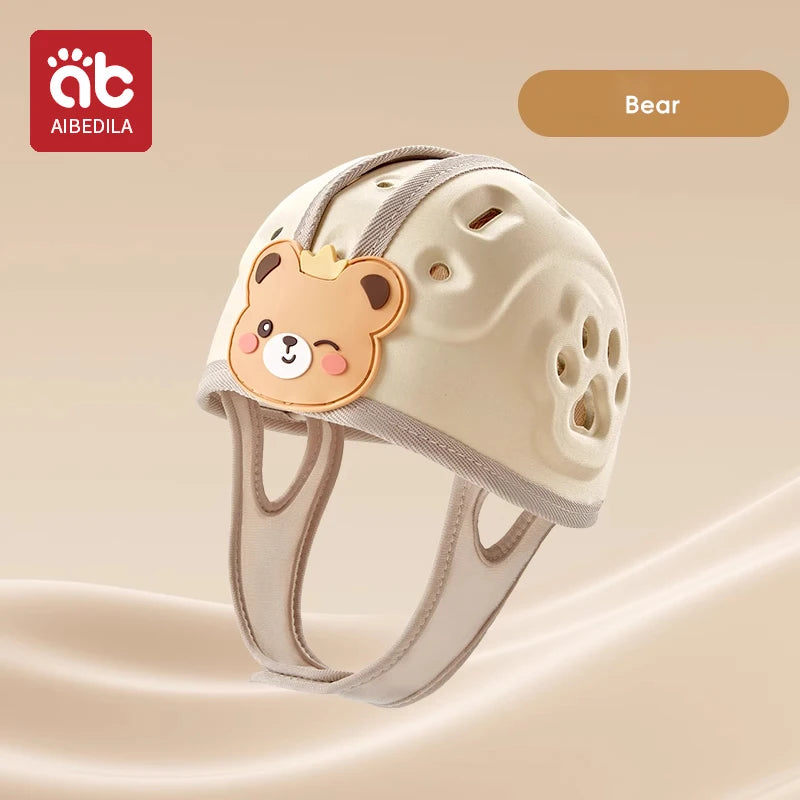
Infant soft helmet for sensitive babies — gentle protection from early bumps 💡 See it in action
Why Infants Bruise More Easily Than Adults
Do infants bruise easily? In short, yes — and biology explains why. Babies have softer tissues, less developed muscle tone, and skin that hasn’t fully thickened yet. Even light pressure can affect delicate capillaries under the skin.
- Thinner skin layers than adults
- Developing balance and coordination
- Limited ability to brace during falls
- Rapid movement learning without spatial awareness
These factors make minor bumps common, especially around the forehead and sides of the head.
How Early Movement Increases Head Bump Risks
Rolling, crawling, and early sitting are exciting — but unpredictable. Babies often topple sideways or backward without warning. Furniture edges, play mats, and even carpeted floors can become contact points.
Which stage feels riskiest? Many parents notice more bumps between 4–10 months, when curiosity grows faster than balance.
| Milestone | Common Risk |
|---|---|
| Rolling | Side head bumps |
| Sitting | Backward falls |
| Crawling | Low furniture contact |
How an Infant Soft Helmet Supports Daily Safety
Do infants bruise easily? Yes — which is why an infant soft helmet can be a helpful daily safety tool. Designed for comfort, it cushions impact without restricting movement or play.
An effective shock absorbing helmet focuses on:
- Lightweight padding for gentle impact reduction
- Breathable fabric for all-day comfort
- Secure fit that doesn’t slide during movement
- Soft edges to protect sensitive skin
Parents exploring Health & Safety solutions often choose helmets as part of newborn injury prevention at home.
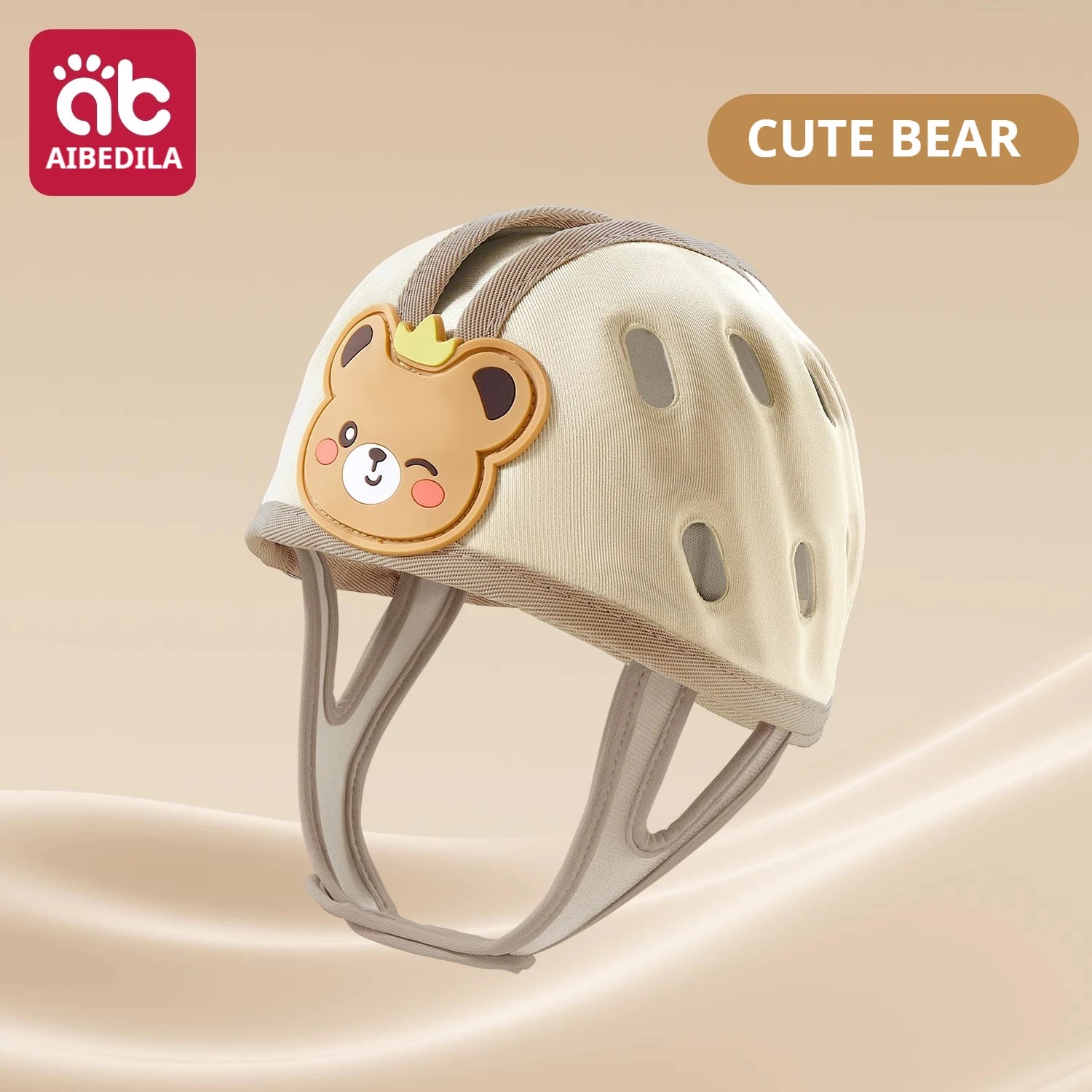
Shock absorbing helmet for newborn injury prevention — built for everyday exploration 💡 See it in action
How to Choose the Right Shock Absorbing Helmet
Not all helmets are created equal. Matching features to your baby’s needs ensures comfort and protection work together.
- Measure head circumference accurately
- Choose adjustable closures for growth
- Check padding density — soft but supportive
- Look for washable, skin-friendly materials
Families browsing Baby Care Essentials or Baby Growth & Learning often pair helmets with play mats for a safer environment.
For parents seeking a practical option, the toddler head protector baby safety helmet offers balanced cushioning without bulk.
Real Parent Experiences With Baby Head Protection
“Once our baby started sitting, the bumps were constant. The helmet reduced marks almost immediately,” shared a parent of a 6-month-old.
Another caregiver noted improved confidence: “I didn’t feel anxious letting her explore freely.”
These stories echo why families exploring Baby Care Tips & Advice value simple protective tools.
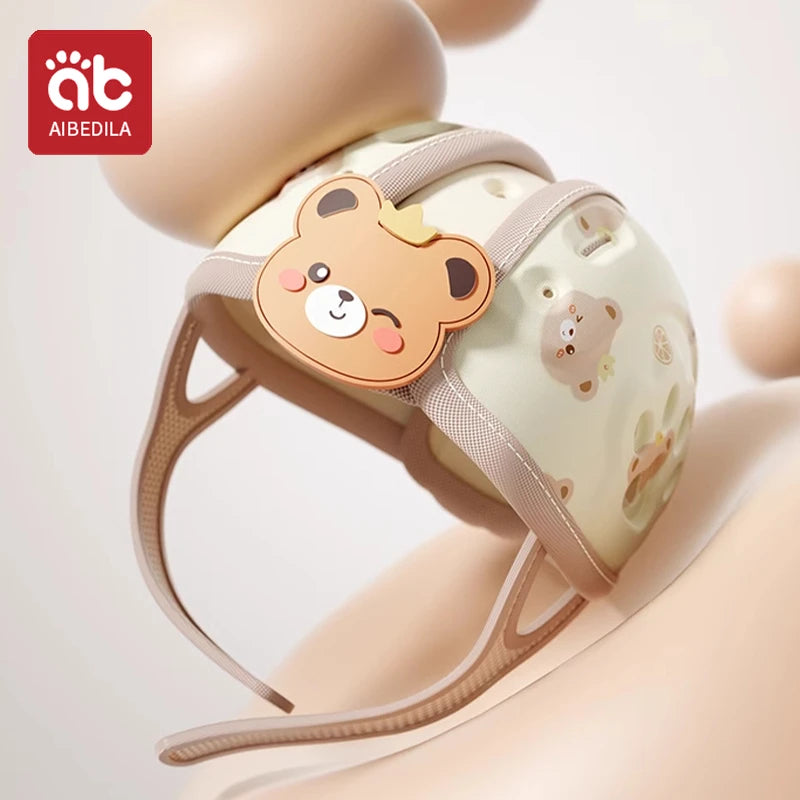
Baby helmet guide for sensitive heads — everyday comfort meets protection 💡 See it in action
Frequently Asked Questions
Do infants bruise easily during normal play?
Yes. Normal play often involves unsteady movement, and infant skin and blood vessels are more delicate, making bruising easier than in older children.
When should a baby wear a soft helmet?
Helmets are most useful during rolling, sitting, and crawling stages, especially if your baby frequently loses balance.
Are shock absorbing helmets comfortable for daily use?
High-quality designs use breathable, lightweight materials that allow babies to move, rest, and play comfortably.
Related Guide: Toddler Falling Hazards at Home: How to Choose the Right Helmet





