

Best Concentration Toys for School-Age Kids (Ages 9–12)
Between ages nine and twelve, children are ready for activities that require longer attention spans, independent decision-making, and multi-step planning. Choosing toys that match a child's interests is especially important during this stage because motivation plays a major role in maintaining concentration over extended periods.
Best for Long-Term Projects: Advanced Building Sets
Detailed construction systems encourage children to follow instructions, organize components, and complete projects that may take several sessions. These longer builds promote patience while strengthening executive planning, spatial reasoning, and persistence.
Advanced building sets are particularly valuable because they combine creativity with structured problem-solving. Children learn to evaluate mistakes, make adjustments, and continue working toward a finished result instead of seeking immediate rewards.
Best Technology Learning Toy: Robotics & Coding Kits
Robotics and beginner coding kits introduce logical thinking through interactive challenges. Writing simple programs, troubleshooting errors, and refining solutions help children develop sequential reasoning, working memory, and analytical thinking.
Many coding projects also encourage experimentation, allowing children to test ideas, identify problems, and improve their designs through repeated practice rather than memorization.
Best Skill-Based Toy: Art, Music, and Model Kits
Creative hobbies such as painting, drawing, model building, music, and other skill-based projects naturally encourage longer periods of focused practice. Progress comes from consistent repetition, helping children develop patience while improving fine motor skills and creative confidence.
Parents choosing focus-improving activities for kids should consider their child's interests alongside developmental readiness. A project that feels personally rewarding is far more likely to hold attention than one selected only for its educational value.
Best Focus-Improving Hobby Toys for Teens (Ages 13+)
Teenagers benefit most from hobbies that encourage independent learning, long-term commitment, and meaningful goals. Challenging projects require sustained concentration while allowing teens to develop practical skills, creativity, and confidence through self-directed exploration.
Best Engineering Challenge Toys
Mechanical models, advanced engineering kits, and intricate construction projects require careful planning and attention to detail. Completing these builds often involves organizing complex components, following technical instructions, and solving unexpected problems throughout the process.
These projects strengthen planning skills, perseverance, and the ability to divide large goals into manageable steps.
Best Strategy and Logic Games
Strategy-based games encourage teens to evaluate options, anticipate outcomes, and make thoughtful decisions before taking action. Whether played independently or with others, these games strengthen selective attention, logical reasoning, and long-term planning while rewarding careful thinking over quick reactions.
Best Creative Hobby Learning Sets
Creative hobbies remain one of the most effective ways to develop deep focus because they are driven by personal interest. Building detailed models, creating artwork, assembling collectibles, or learning new technical skills encourages teens to remain engaged for extended periods while steadily improving their abilities.
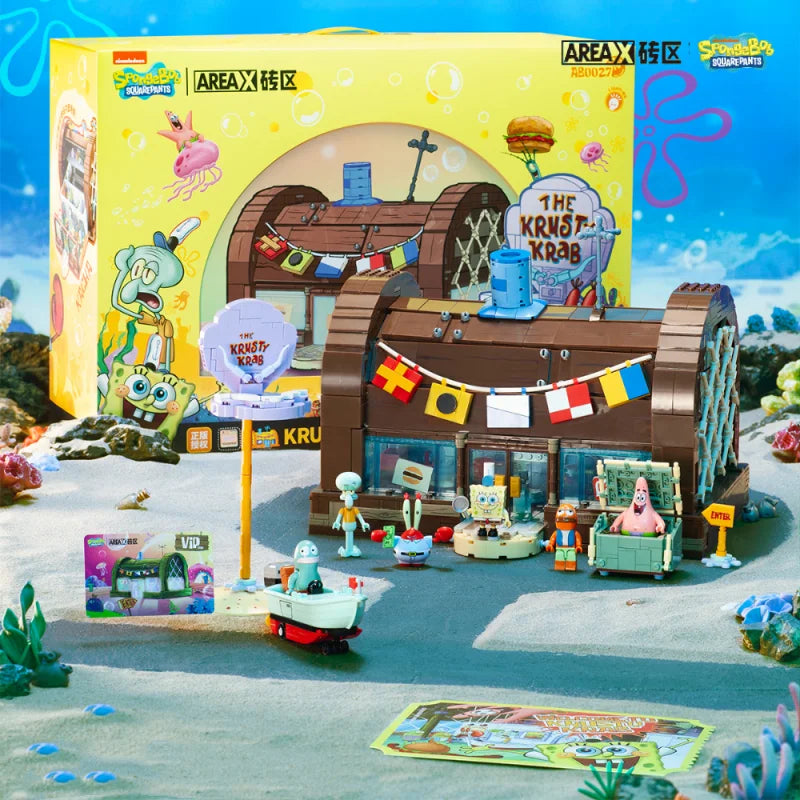
One example is the SpongeBob Krusty Krab Building Block Set – Creative Fun , a detailed assembly project designed for ages 14+. With hundreds of pieces and a structured building process, it encourages patience, organization, and sustained concentration while producing a display-worthy finished model. Projects like this reward careful planning and persistence rather than instant gratification, making them excellent choices for teens who enjoy hands-on creative challenges.
Teens exploring structured hobbies may also benefit from curated learning collections such as Baby Growth & Learning , which emphasize skill-building play across ages.
How to Use Focus-Building Toys Effectively at Home
The right toy is only part of the equation. Establishing consistent routines, creating an environment with fewer distractions, and selecting activities that match your child's developmental stage can make educational toys for focus more engaging and rewarding over time.
Create Distraction-Free Play Sessions
Children are more likely to stay engaged when they have a quiet, organized space dedicated to play. Turning off background television, reducing unnecessary digital distractions, and keeping only the current activity within reach helps children direct their attention toward a single task.
Recommended play durations vary by age:
- Toddlers (2–4): 10–15 minutes of focused play.
- Ages 5–8: 20–30 minutes of structured activities.
- Ages 9–12: 30–45 minutes for projects or learning challenges.
- Teens: 45–90 minutes for hobby-based or creative projects.
Consistency matters more than extending a single session. Short, enjoyable periods of focused play practiced regularly are generally more effective than occasional marathon sessions.
Balance Guided Play and Independent Exploration
Parents can introduce a new toy by demonstrating its basic features and encouraging the first few steps. Once children understand the activity, allowing them to experiment independently helps develop confidence, persistence, and problem-solving skills.
A balanced approach works well for most families:
- Offer guidance when introducing a new challenge.
- Ask open-ended questions instead of solving problems immediately.
- Increase difficulty gradually as skills improve.
- Celebrate effort, persistence, and completed projects rather than speed.
Using Focus Toys for Children with Different Learning Needs
Children learn in different ways, so the most effective focus-building toys are those that match individual interests, abilities, and sensory preferences. Some children enjoy building projects, while others remain engaged longer through art, music, puzzles, or tactile activities.
For children with attention challenges or short attention spans, hands-on toys may provide structured opportunities to practice concentration in a supportive environment. However, these toys are educational tools rather than medical treatments and should complement—not replace—recommendations from qualified healthcare or educational professionals when additional support is needed.
Creating a calm play environment can also encourage longer periods of concentration. Tools from the Sleep & Comfort collection can help support comfortable, distraction-free spaces for learning and play.
Frequently Asked Questions
What types of toys help improve a child’s focus?
Toys that involve building, sorting, sequencing, puzzles, strategy, coding, or creative projects are among the best toys for improving concentration because they encourage sustained attention, planning, and problem-solving.
What toys are best for children with short attention spans?
Choose activities that match your child's current abilities and interests. Sorting toys, sensory activities, beginner building sets, and simple puzzles often work well because they provide clear goals while keeping tasks manageable and engaging.
Can Montessori toys improve concentration?
Many Montessori-inspired toys encourage independent exploration, repetition, and hands-on learning. When matched to a child's developmental stage, these activities can help support concentration, fine motor development, and early problem-solving skills.
How do toys support brain development in children?
Educational toys encourage children to practice attention, working memory, planning, and reasoning while actively solving problems. Repeated hands-on experiences help strengthen these cognitive skills as children grow.
How long should children play with focus-building toys?
Most children benefit from regular sessions that are appropriate for their age and attention span. Around 10–15 minutes for toddlers, 20–30 minutes for younger children, 30–45 minutes for school-age kids, and up to 90 minutes for motivated teens are practical guidelines, but consistency is generally more important than total time.
How We Tested Kids Smart Watches with Cameras
To evaluate real-world performance, we focused on the features parents use most often rather than manufacturer specifications. Each category was assessed based on everyday family routines, including school commutes, playground visits, after-school activities, and evening walks.
Camera testing
We compared photo clarity, shutter speed, ease of use, selfie capability on rotating cameras, and how well images performed in indoor and outdoor lighting. Most kids smartwatch cameras are designed for fun snapshots and quick visual check-ins rather than high-quality photography.
GPS accuracy
Location tracking was evaluated across neighborhoods, parks, and school routes. Watches using 4G-assisted GPS generally delivered faster and more consistent positioning than entry-level models relying primarily on cellular network triangulation.
Battery testing
Battery performance was measured during mixed daily use that included GPS tracking, voice calls, camera usage, flashlight activation, and standby time. Frequent GPS updates and extended flashlight use naturally reduced battery life, making overnight charging the best routine for most families.
Parent app evaluation
We compared companion apps based on setup simplicity, contact management, geofencing, notification speed, school mode, location history, and overall ease of use. A well-designed parental app often has a greater impact on long-term satisfaction than hardware specifications alone.
Pros & Cons at a Glance
| Pros | Cons |
|---|---|
|
|
Parental Controls, Privacy & App Compatibility
Strong parental controls help children enjoy smartwatch features while giving parents confidence that communication and location data remain secure.
- Use contact whitelists so only approved family members and trusted contacts can communicate with your child.
- Enable school mode to disable games, notifications, and unnecessary functions during class hours.
- Review app permissions regularly, including camera, microphone, location, and photo storage access.
- Choose manufacturers with regular software updates and responsive customer support.
- Teach responsible camera use by discussing privacy and respecting school or public photography policies.
- Check compatibility with Android or iPhone before purchasing, as companion app features can differ slightly between platforms.
A reliable parental app, consistent software updates, and strong privacy controls often provide more long-term value than extra hardware features alone.
Final Verdict: Which Kids Smart Watch with Camera Should You Buy?
The best kids smart watch with camera is the one that matches your child's age, your family's communication needs, and the level of safety features you expect. Rather than focusing only on camera quality, prioritize dependable GPS tracking, an intuitive parental app, reliable battery life, and responsive SOS functionality.
For most families, a mid-range 4G smartwatch offers the strongest balance of price, performance, and everyday usability. If accurate live tracking is your highest priority, premium GPS-enabled models are worth the extra investment. Budget watches remain a good option for younger children who mainly want a fun wearable with basic communication features.
- Choose a budget model if your child mainly wants a camera, flashlight, and simple calling.
- Choose a mid-range model for the best balance of GPS accuracy, battery life, and parental controls.
- Choose a premium model if you need dependable real-time tracking, advanced geofencing, and enhanced calling capabilities.
If you're looking for a well-rounded option that combines GPS tracking, camera functionality, SOS protection, and parental controls, explore the tested model below:
Kids 4G Smart Watch GPS SOS Camera
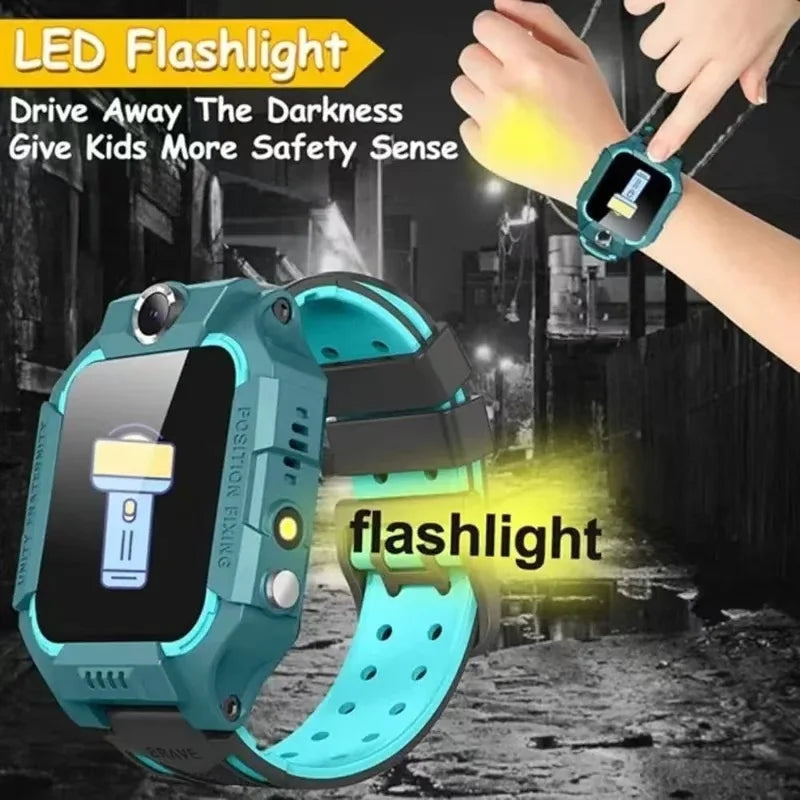
Kidsmart GPS tracker, childrens watch with camera — see it in action.
Ready to buy? See availability and warranty details on the product page: Kids 4G Smart Watch GPS SOS Camera .
Frequently Asked Questions
Do smartwatches have cameras?
Many kids smartwatches include built-in cameras for taking photos and short videos. Premium models may also support video calling, while entry-level devices focus on simple snapshots and creative play.
Can children take and send photos with a smartwatch?
Most camera-equipped kids smartwatches allow children to take photos. Whether they can send images depends on the watch model, companion app, and available cellular or Wi-Fi connectivity.
Do kids smartwatches need a SIM card?
GPS-only watches generally do not require a SIM card, while models offering voice calls, messaging, or real-time cellular tracking usually need a compatible SIM card and, in many cases, an active mobile service plan.
Can kids make video calls on smartwatches?
Some premium 4G kids smartwatches support video calling through their front-facing camera, although many affordable models provide voice calling only.
Are kids smartwatches safe?
Yes, when configured correctly. Using approved contact lists, school mode, strong parental controls, and regular software updates helps improve both privacy and overall safety.
Are camera watches allowed at school?
School policies vary. Many schools allow smartwatches when cameras are not used during class or when school mode is enabled. Always review your school's technology policy before sending a smartwatch with your child.
How accurate is GPS on kids' watches?
GPS accuracy depends on the hardware and network technology used. Premium 4G GPS watches typically deliver faster and more consistent location tracking than entry-level models that rely mainly on cellular positioning.
Buying Guide: How to Choose the Right Kids Smart Watch with Camera
Selecting the best kids smart watch with camera comes down to balancing safety, communication, durability, and budget. Before buying, consider how your child will actually use the watch each day rather than choosing the model with the longest feature list.
Choose by age
- Ages 4–6: Prioritize simple controls, an SOS button, basic calling, and a durable design.
- Ages 6–9: Look for GPS tracking, camera features, school mode, and reliable parental controls.
- Ages 10+: Consider advanced GPS, video calling, improved cameras, fitness tracking, and longer battery life.
Choose by budget
- Entry-level: Ideal for fun photography, flashlight use, and occasional communication.
- Mid-range: Best overall value with dependable GPS, better apps, and improved calling features.
- Premium: Recommended for families who rely on accurate live location tracking and advanced safety features.
Choose by features
- GPS tracking with geofencing.
- SOS emergency button.
- Two-way voice calling.
- Front-facing camera for photos or video calls.
- School mode and contact whitelist.
- Water-resistant construction for everyday wear.
- Battery life that comfortably lasts through a typical school day.
School considerations
Before sending a smartwatch to school, review the school's technology policy. Many schools allow wearable devices if they remain in school mode during lessons and cameras are not used in class.
If you're ready to compare a feature-rich model, visit the product page for the Kids 4G Smart Watch GPS SOS Camera .
Pillar Article: Buy Kids GPS Smartwatch: Honest Brand Review for Final Decision
Other Related Articles:
Explore More:





