

Does a buy kids gps smartwatch really give parents peace of mind?
Yes — a buy kids gps smartwatch can provide practical reassurance by combining real-time location tracking, two-way calling, and emergency SOS support in one child-friendly device. For families managing school routes, activities, and growing independence, a parent gps tracker helps parents stay connected while giving children more freedom without handing them a full smartphone.
⏱ 12 min readBuy Kids GPS Smartwatch: Honest Brand Review for Final Decision
If you are ready to buy kids gps smartwatch, choosing the right model is about more than checking a feature list. Parents need reliable location tracking, simple communication, strong safety controls, and comfortable everyday wear. This guide reviews what makes a smart watch for kids review useful, explains how kids smartwatch with gps tracking works, and highlights the features that matter most before making a purchase decision.
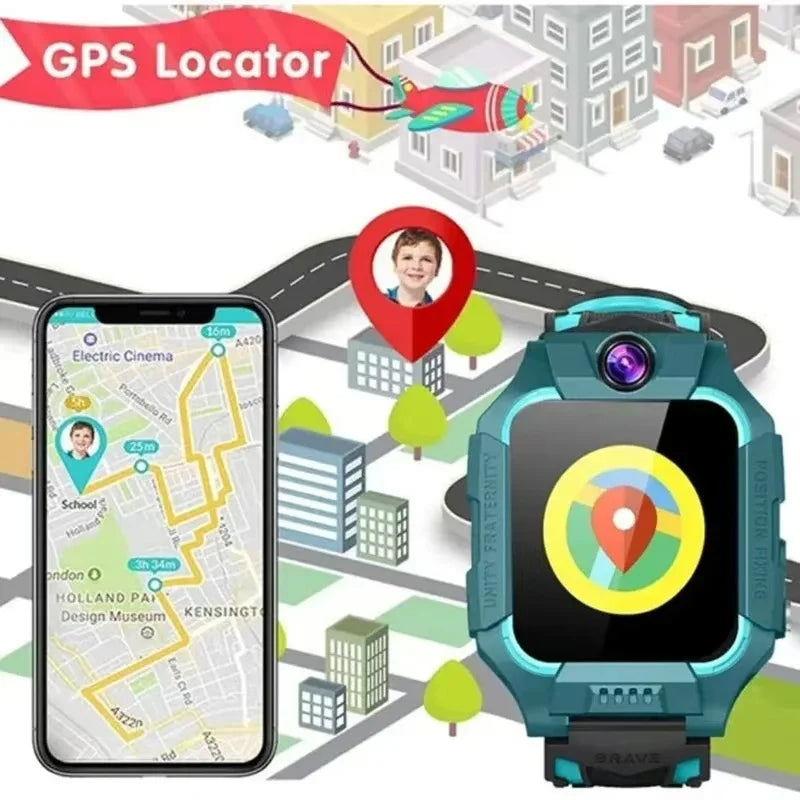
buy kids gps smartwatch + parent gps tracker — See it in action
Explore Baby Growth & Learning
Why parents choose a GPS smartwatch for kids
Parents often look for a balance between independence and safety. A gps watch for kids helps answer everyday questions such as where a child is, whether they arrived safely, and how to contact them quickly when needed. Unlike a smartphone, a kids GPS smartwatch is designed around essential communication instead of unlimited apps and distractions.
For children who are starting school activities, walking short distances, joining sports programs, or spending more time away from home, a GPS smartwatch can become a practical safety tool that supports responsible independence.
Common problems a GPS smartwatch helps solve
- Uncertainty about school pickup times or after-school activities.
- Difficulty contacting children during busy schedules.
- Finding children quickly in crowded places such as parks, malls, or events.
- Providing an emergency contact option without giving a child a full smartphone.
Quick answer: Which smartwatch to buy?
The KentDO Kids 4G Smart Watch (GPS + SOS + Camera) is designed for parents who want a practical combination of location tracking, emergency communication, and child-friendly controls. It offers the core features many families look for when choosing the best kids gps smartwatch, including GPS positioning, SOS support, two-way calling, and everyday usability.
For parents comparing options, the right choice depends on age, budget, required safety features, and whether ongoing cellular service fits the family’s needs. A quality gps smartwatch for kids with sos should make communication easier while remaining comfortable enough for daily wear.
Key Features That Actually Matter
When comparing a kids gps smartwatch review, focus on real-world performance instead of only advertised specifications. The most useful models combine accurate tracking, reliable communication, emergency tools, and simple parental controls.
GPS accuracy and tracking
A reliable kids smartwatch with gps tracking uses multiple location technologies to improve accuracy in different environments. GPS provides better outdoor positioning, while LBS/cell tower positioning and Wi-Fi location support help when satellite signals are weaker indoors or in dense areas.
Parents should look for real-time location updates, reasonable refresh intervals, and an app that displays location information clearly. The goal is not constant monitoring but having dependable information when safety decisions need to be made.
SOS emergency features
A dedicated SOS button is one of the most important safety features in a gps smartwatch for kids with sos. Instead of navigating menus, children can quickly activate an emergency contact process with a simple button press.
A strong SOS system should allow parents to set trusted contacts, send location information, and create a fast communication path during urgent situations. This feature is especially valuable for younger children who may not be comfortable using a phone.
Two-way calling
Two-way calling allows children and parents to communicate without the distractions of a smartphone. Quick calls can help with schedule changes, pickup coordination, or simple reassurance during the day.
Voice messaging can also be useful because children can send short updates when making a full phone call is inconvenient.
Geofencing and safe zones
Geofencing creates digital safety areas such as home, school, or a relative’s house. When the watch enters or leaves a selected zone, parents can receive alerts through the companion app.
This feature supports independence by allowing parents to create boundaries without checking the location constantly.
Battery life
Battery performance directly affects reliability. A watch with frequent GPS updates, active calling, and heavy app use will require more charging than a device used mainly for occasional location checks.
For daily family use, look for practical battery performance, charging convenience, and power-saving options rather than relying only on manufacturer estimates.
Parental controls
Good parental controls help keep a child’s information protected. Important features include secure account access, approved contact lists, controlled location sharing, and simple app settings.
Parents should also review privacy options and teach children that the watch is a safety tool designed for communication and protection.
Comfort and durability
Children wear devices differently from adults, so comfort matters. A good kids GPS smartwatch should be lightweight, easy to operate, and durable enough for school, outdoor play, and everyday movement.
Water resistance, secure straps, and a child-friendly design help ensure the watch remains useful beyond the first few days of ownership.
How a GPS smartwatch fits into daily family life
A GPS smartwatch does not replace supervision or parenting decisions. Instead, it gives families an additional communication tool that supports safer routines and age-appropriate independence.
Morning routines made easier
Parents can quickly confirm that children arrived at school or an activity location without interrupting teachers, caregivers, or busy schedules. A quick location check can provide reassurance in seconds.
After-school independence
As children become more independent, a GPS watch can support agreed routines such as walking to a nearby friend’s home or waiting for pickup after activities. Geofence alerts and calling features add an extra layer of connection.
Travel and public spaces
Crowded locations can create stressful moments for families. A location check, voice call, or SOS feature can help parents reconnect faster when plans change or separation occurs.
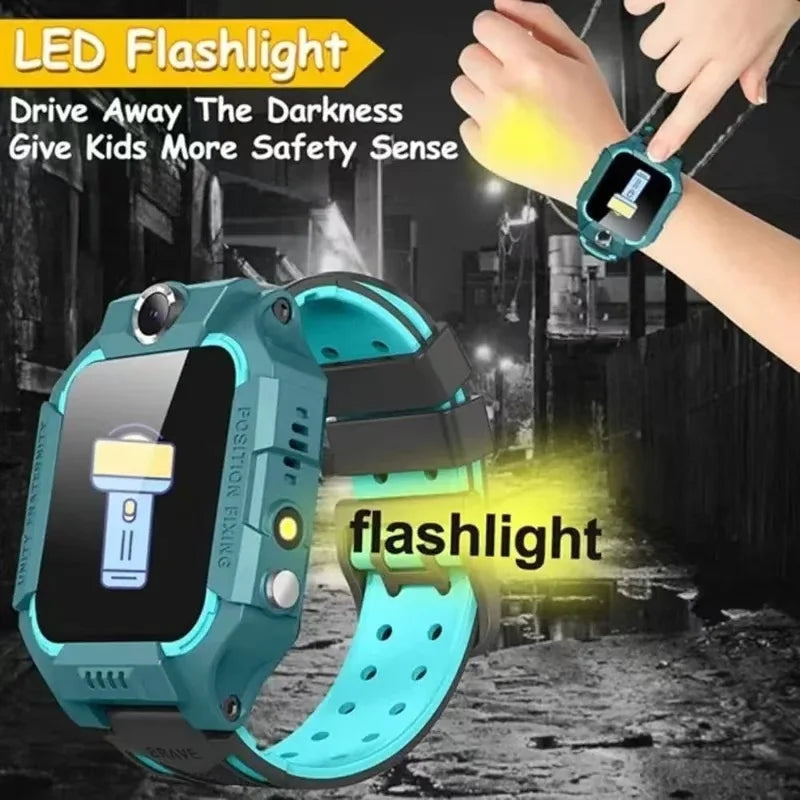
parent gps tracker + do smartwatches have gps — See it in action
Explore Smart Baby Gadgets
At-a-glance comparison: KentDO vs common competitors
Comparing a kids GPS smartwatch is easier when the most important safety and ownership factors are placed side by side. Instead of focusing only on features, parents should consider location reliability, emergency communication, battery performance, and how practical the device will be for everyday use.
| Feature | KentDO Kids 4G | Competitor A | Competitor B |
|---|---|---|---|
| GPS accuracy | High (GPS + LBS + Wi-Fi positioning) | Medium (GPS + LBS) | High outdoors, lower indoors |
| SOS button | Dedicated single-press SOS workflow | Long-press SOS activation | App-trigger emergency feature |
| Two-way calling | Yes (supports up to 10 contacts) | Yes (limited contacts) | Yes |
| Camera | Front-facing camera | No | Optional add-on |
| Battery (real use) | Approximately 24–48 hours depending on tracking frequency | Approximately 18–36 hours | 30–72 hours with low-power settings |
| App & parental controls | Multi-user controls with location management | Basic controls | Good parental features |
How the SOS workflow actually works (and why it matters)
A GPS smartwatch for kids with SOS is designed to reduce the time between an emergency situation and parent response. The SOS button should be simple enough for a child to use quickly, even when they feel stressed or cannot navigate a touchscreen easily.
When a child presses the SOS button:
- The watch starts the emergency calling sequence with saved guardian contacts.
- The parent app receives an emergency alert with available location information.
- Backup communication options can be used if the first contact cannot answer.
This combination of voice communication and location sharing is what makes a parent gps tracker more useful than a basic location device. Parents receive context, not just a map point, allowing them to make faster decisions.
Practical safety settings to enable right away
- Set trusted emergency contacts before allowing your child to use the watch independently.
- Create geofences for important locations such as home, school, and regular activity areas.
- Review contact permissions and disable unknown communication requests when available.
- Teach children when to use SOS so they understand it is an emergency feature, not a normal calling button.
Battery, connectivity and real-world durability
Battery life is one of the most important factors in a waterproof kids GPS smartwatch because a device that is frequently out of power cannot provide reliable safety support. Actual battery performance depends on GPS refresh frequency, call usage, screen activity, and network conditions.
For typical school-day use, including occasional location checks, short calls, and regular standby time, many family-focused GPS watches provide around one to two days of practical battery life. Models with power-saving options can extend usage when frequent tracking is not required.
Battery testing considerations
- Check battery performance with normal daily activities instead of only manufacturer standby claims.
- Consider how often parents plan to refresh location updates.
- Look for convenient charging routines that fit school and family schedules.
Connectivity: 4G vs 3G vs LTE-M
Modern kids GPS smartwatches typically rely on cellular connectivity to provide calling and location updates away from Wi-Fi. 4G support generally offers stronger compatibility for voice communication and data features compared with older networks.
Parents should confirm that the watch network requirements match their carrier and region before purchase. The KentDO Kids 4G model supports voice and data functions through a compatible SIM plan, helping maintain communication between children and guardians.
Water resistance and daily reliability
Children often wear watches during active play, outdoor activities, and unpredictable weather conditions. A durable GPS smartwatch should be designed to handle everyday movement, occasional splashes, and regular use without becoming uncomfortable.
Before buying, check water resistance ratings, strap quality, screen durability, and whether the watch feels comfortable enough for extended wear.
How to choose the right model — step-by-step
A kids smartwatch buying guide should start with family needs rather than the longest feature list. The best model is the one that matches your child’s age, daily routine, and safety requirements.
- Choose essential safety features first: Prioritize GPS tracking, SOS capability, and reliable two-way calling before extra entertainment features.
- Match connectivity requirements: Check SIM compatibility, cellular coverage, and network support in your area.
- Compare real battery expectations: Look beyond advertised numbers and consider how often location tracking and calls will be used.
- Select the right size and comfort level: Younger children need lightweight designs that are easy to wear throughout the day.
- Review parental app controls: Secure pairing, approved contacts, and clear location settings improve everyday usability.
- Consider privacy and long-term support: Choose devices with responsible data controls and reliable software updates.
Pros and Cons of Kids GPS Watches
A smart watch for kids review should look beyond features and focus on how the device performs in everyday family situations. A kids GPS smartwatch can provide useful independence while keeping parents connected, but it also has limitations that should be considered before purchase.
| Advantages | Limitations |
|---|---|
|
|
Who should consider a kids GPS smartwatch?
A kids GPS smartwatch is most useful for families who want a middle option between complete supervision and giving a child their own smartphone. It works especially well for children who walk short distances independently, attend after-school activities, travel with caregivers, or need a simple emergency communication device.
Parents should consider age, maturity level, daily routine, and communication needs before choosing a model. Younger children may benefit most from simple SOS and calling features, while older kids may need stronger battery life, better location history, and more flexible parental controls.
Subscription Costs Compared
Before buying a GPS smartwatch for kids, consider the total ownership cost. The device price is only one part of the investment — most models require an active SIM card or cellular subscription to support real-time tracking, calling, and emergency features.
Device price and monthly plans
An affordable kids GPS smartwatch can have a lower upfront price but still require monthly connectivity costs. Parents should compare:
- Initial smartwatch purchase price.
- Monthly cellular or data plan fees.
- Replacement bands, chargers, or accessories.
- Long-term app support and software updates.
Do kids smartwatches need a SIM card?
Most GPS-enabled kids smartwatches with calling features need a SIM card or eSIM connection. The SIM allows the watch to communicate with mobile networks for location updates, voice calls, and SOS alerts. Without cellular connectivity, many watches can only provide limited features when connected to Wi-Fi or a nearby phone.
The KentDO Kids 4G Smart Watch is designed for families who want cellular connectivity for location tracking, emergency communication, and daily contact without giving children a full smartphone.
How GPS Smartwatches Work
Understanding how kids GPS smartwatch works helps parents choose a model based on real performance instead of marketing claims. A GPS smartwatch combines multiple technologies to estimate a child’s location and send information back to a parent app.
GPS location tracking
GPS uses signals from satellites to determine outdoor location. It typically provides the highest accuracy when a child is outside with a clear view of the sky, making it useful for school routes, playgrounds, and neighborhood walks.
Cellular connection
A cellular connection allows the watch to send location data and support communication features. 4G connectivity improves calling reliability and allows parents to receive updates even when the child is away from Wi-Fi.
Wi-Fi positioning
Wi-Fi positioning helps improve location estimates in places where satellite signals are weaker, such as inside buildings, schools, or shopping areas. Many advanced watches combine GPS, cellular data, and Wi-Fi information for better overall tracking performance.
Geofencing and safe zones
Geofencing creates virtual boundaries around important locations such as home, school, or a caregiver’s address. When the watch enters or leaves a saved area, parents can receive alerts through the companion app.
GPS Accuracy Test Results
A reliable gps tracker watch for children should provide consistent location updates during normal family activities. Performance can vary depending on satellite visibility, cellular coverage, buildings, and update settings.
School tracking
During school routines, GPS watches typically perform best when children move through outdoor areas such as entrances, sidewalks, and pickup zones. Indoor accuracy may depend more on Wi-Fi and cellular positioning.
Neighborhood walks
For short independent walks, location updates help parents confirm that children follow expected routes. Frequent update intervals provide better visibility but may consume more battery.
Playground use
Playgrounds combine open outdoor areas with movement changes, making them a practical test environment. A quality kids smartwatch with GPS tracking should refresh location regularly enough for parents to understand general movement patterns.
Travel and crowded locations
In airports, amusement parks, and busy public spaces, GPS tracking works best when combined with calling and SOS features. Location information helps narrow the search area, while two-way communication helps families reconnect quickly.
Safety, Privacy and Data Security
When choosing a kids GPS smartwatch, safety is not only about location tracking. Parents should also consider how the device handles personal information, who can access location data, and how the watch supports responsible use. A reliable device should give families control while respecting a child’s growing independence.
Parental controls
Strong parental controls allow guardians to manage important safety settings without making the device complicated for children. Look for features such as approved contact lists, location-sharing permissions, SOS settings, and app account protection.
- Limit calls and messages to trusted contacts.
- Review location settings through the official parent app.
- Use secure passwords and avoid sharing account access publicly.
- Adjust tracking frequency based on daily needs and battery requirements.
Location privacy
Location data is one of the most sensitive features of any GPS tracker watch for children. Parents should choose devices that restrict access to authorized accounts and provide clear privacy controls. Avoid unknown third-party apps or services that request unnecessary permissions.
A good family approach is to explain why the watch is being used: the goal is safety, communication, and confidence — not constant surveillance.
School policies and responsible use
Before sending a child to school with a GPS smartwatch, parents should check local school rules. Some schools allow wearable safety devices, while others may limit smart devices during class hours.
Discuss expectations with children, including when they can check messages, when location tracking is active, and how to use the SOS button correctly. Clear boundaries help children understand that the watch is a safety tool.
Emergency limitations
A GPS smartwatch with SOS can improve response time, but it does not replace emergency services, adult supervision, or basic safety education. GPS signals may be affected by buildings, weather conditions, network availability, or low battery.
Parents should test emergency features regularly and teach children simple safety habits alongside using the device.
Common Mistakes Parents Make When Buying a Kids GPS Smartwatch
A kids smartwatch buying guide should cover common mistakes because choosing the wrong model can reduce the benefits of the device. Many parents focus only on features and overlook important factors like ongoing costs, coverage, and age suitability.
Ignoring subscription fees
One of the most common mistakes is looking only at the smartwatch price. Many GPS watches require a SIM card or monthly data plan for location tracking, calling, and SOS functions. Calculate the total ownership cost before purchasing.
Choosing by specifications alone
A longer feature list does not always mean a better experience. A watch with many advanced options may be difficult for a young child to use. Prioritize practical features such as reliable GPS tracking, easy calling, comfortable design, and simple emergency controls.
Skipping coverage checks
Cellular coverage directly affects tracking and communication performance. Before buying, confirm that the watch network is supported in your area and that the SIM plan works with the device.
Selecting the wrong age range
The best kids GPS smartwatch depends on the child’s age, confidence, and daily routine. Younger children often need larger buttons, simple calling, and stronger parental controls, while older children may benefit from better location history and more independence features.
Final Recommendation by Use Case
After comparing safety features, tracking performance, communication options, and everyday usability, the right choice depends on what your family needs most.
Best overall: KentDO Kids 4G Smart Watch (GPS + SOS + Camera)
For most families looking to buy kids GPS smartwatch , the KentDO Kids 4G Smart Watch offers a balanced combination of location tracking, SOS protection, two-way calling, and child-friendly controls. It is a practical option for children who need more independence without the distractions of a smartphone.
Recommended for:
- Children ages 5–12.
- School commutes and after-school activities.
- Parents who want GPS tracking and emergency communication in one device.
Buy the KentDO Kids 4G Smart Watch
Best budget option
Families focused on affordability should compare essential features first. A lower-cost model can still work well if it provides dependable calling, basic location tracking, and an emergency button without unnecessary extras.
Best for young kids
Younger children benefit most from watches with simple interfaces, large controls, limited contacts, and quick SOS access. Ease of use is often more important than having many advanced features.
Best for older kids
Older children who are becoming more independent may need stronger battery performance, improved location history, and flexible communication settings. A smartwatch can provide a gradual step between full parental monitoring and smartphone ownership.
Frequently Asked Questions
Do kids smartwatches need a SIM card?
Most kids GPS smartwatches with calling and real-time tracking require a SIM card or eSIM. The cellular connection allows the watch to send location updates, make calls, and activate SOS features. Some models can use Wi-Fi for limited functions, but a mobile connection provides better coverage when children are away from home.
Are kids smartwatches safe?
Kids smartwatches can be safe when parents use secure accounts, manage approved contacts, and explain responsible use. Choose devices with parental controls, privacy settings, and trusted app connections. A GPS watch should support child safety while respecting appropriate privacy boundaries.
How does a kids GPS smartwatch work?
A kids GPS smartwatch combines satellite GPS, cellular networks, and sometimes Wi-Fi positioning to estimate a child's location. The watch sends location information to a parent app where guardians can view updates, create safe zones, and receive alerts when configured areas are entered or exited.
How accurate are GPS tracker watches for children?
GPS accuracy depends on location conditions, signal strength, and update settings. Outdoor areas usually provide the best results, while indoor locations may rely more on Wi-Fi and cellular positioning. Parents should view GPS as a helpful safety tool rather than a replacement for supervision.
Which kids GPS smartwatch has the best battery life?
Battery performance depends on GPS update frequency, calling habits, and network conditions. Models with low-power tracking modes generally last longer, while frequent location refreshes and voice calls use more energy. The best choice balances battery life with the safety features your family actually needs.
Can kids wear GPS watches to school?
Many children wear GPS watches to school for safety and communication, but parents should check school policies first. Features such as SOS calling and location tracking may be useful for commuting, pickup coordination, and after-school activities.
Are waterproof kids GPS smartwatches safe for swimming?
Water resistance levels vary between models. A waterproof kids GPS smartwatch may handle splashes, rain, or brief water exposure, but parents should check the manufacturer's rating before allowing swimming or extended underwater use.
Is a subscription required for every GPS smartwatch?
Not every smartwatch requires the same type of subscription, but most GPS watches with cellular tracking and calling need an active SIM or data plan. Check the network requirements and ongoing costs before buying to understand the full ownership expense.
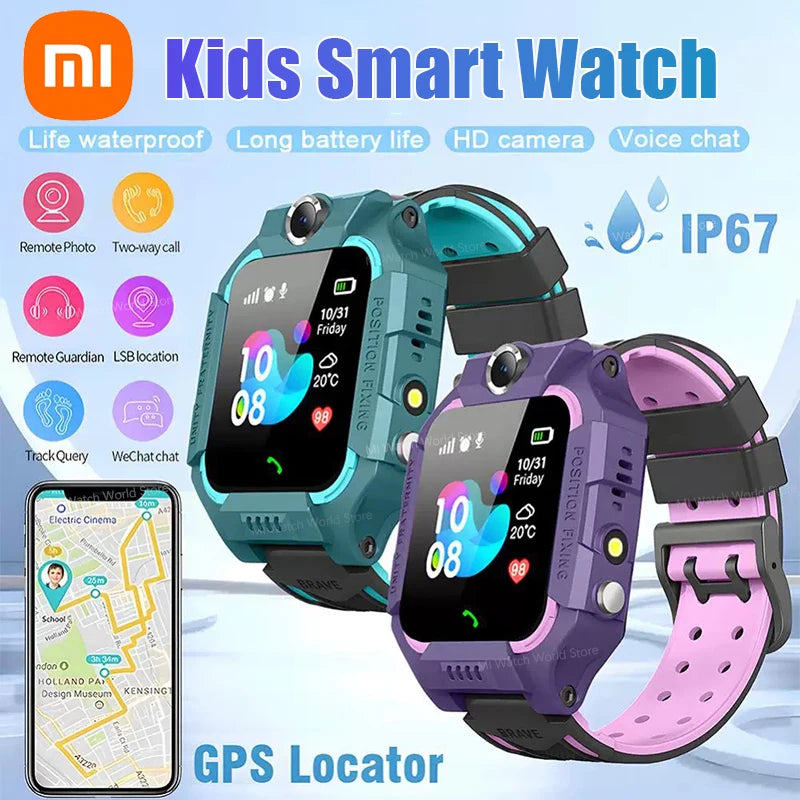
best smartwatch with sos button + kid tracker watch — See it in action
Related gear to consider
- Monitoring Devices — additional tools for improving home and family safety.
- Smart Baby Gadgets — connected devices designed to support modern parenting routines.
- Health & Safety — safety resources and practical tools for everyday family needs.
Ready to choose your kids GPS smartwatch?
Before purchasing, confirm that the network works in your area, review the subscription requirements, and test essential features such as calling, location updates, and SOS alerts. If the features match your family's needs, you can buy the KentDO Kids 4G Smart Watch as a practical solution for safer communication and greater independence.
Buy the KentDO Kids 4G Smart Watch
Related Articles:
- Flashlight and Camera Watch Test: Real Parent Results and Brand Insights
- Emergency Alert Smartwatch Review: Why This Model Stands Out for Safety
Pillar Articles:





