

Flat Head Infant Helmet: Pros, Cons, and Expert Recommendations
⏱ 7 min read
Flat head infant helmet solutions are becoming a go-to choice for parents worried about bumps, balance, and early head shape concerns. It's important to distinguish between two very different products: soft protective helmets designed to cushion everyday bumps during crawling, and medical cranial remolding helmets prescribed to help reshape an infant's skull. Understanding this difference helps parents choose the right solution, set realistic expectations, and know when professional medical advice is needed.
Explore trusted options designed for everyday movement and comfort.
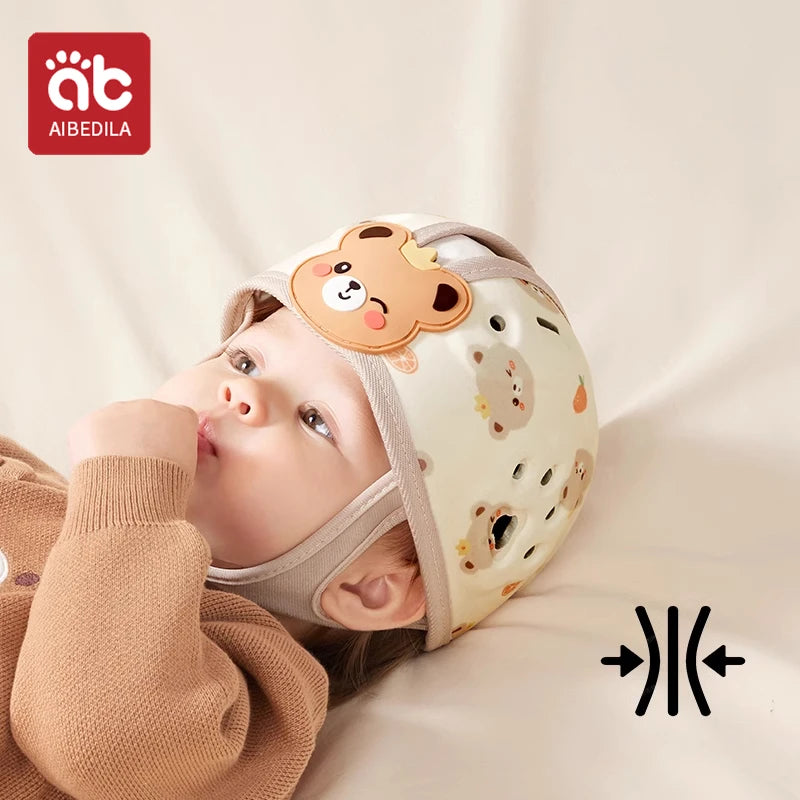
Flat head infant helmet with shock absorbing helmet padding. See it in action.
Why Would an Infant Need a Helmet?
Parents often search for a baby helmet for flat head after noticing one side of their baby's head appears flatter than the other or when their child becomes more active and experiences frequent minor bumps. The reason for wearing a helmet depends on whether the goal is medical treatment or everyday impact protection.
Plagiocephaly vs brachycephaly
The two most common positional head shape conditions include:
- Plagiocephaly: Flattening on one side of the back of the head, often causing mild asymmetry.
- Brachycephaly: Symmetrical flattening across the back of the skull, making the head appear wider.
Medical providers may recommend a cranial remolding helmet for moderate or severe cases that do not improve naturally. Parents can also learn more through resources covering flat head syndrome, safe sleep recommendations, and tummy time milestones.
When repositioning may be enough
Many mild cases improve without helmet therapy. Pediatricians commonly recommend:
- More supervised tummy time
- Alternating head position during sleep
- Limiting prolonged time in car seats or swings when appropriate
- Treating underlying torticollis if present
For babies who are learning to sit and crawl, some parents also choose a soft infant protective helmet for added cushioning during supervised play. Unlike medical helmets, these products help reduce minor bumps rather than reshape the skull.
These helmets are frequently explored alongside other safety-focused items from Health & Safety collections to create a safer play environment.
How Helmet Therapy Works
Parents often ask, "Do helmets work for babies with flat heads?" Medical cranial remolding helmets work by gently guiding natural skull growth rather than pressing the skull into a different shape. As the baby's brain grows, carefully designed open spaces inside the helmet encourage growth toward flatter areas while limiting expansion where growth is already sufficient.
How cranial remodeling occurs
Helmet therapy relies on the rapid skull growth that occurs during infancy. The helmet does not force movement of the skull. Instead, it provides room for growth in areas that need correction while maintaining gentle contact with more prominent areas.
Ideal age for treatment
Most specialists find the best outcomes occur when treatment begins between approximately 4 and 8 months of age, although recommendations vary depending on severity and individual development.
Typical treatment timeline
- Initial assessment by a pediatric specialist
- Custom helmet fitting when medically indicated
- Regular follow-up adjustments as the head grows
- Daily wear that often approaches 23 hours under medical supervision
By comparison, a soft shock absorbing helmet designed for everyday crawling is worn only during active supervised play and should never be considered a substitute for prescribed cranial therapy.
Understanding materials and fit can make everyday care easier.
Pros and Cons of Baby Helmet Therapy at a Glance
Understanding the baby helmet pros and cons helps parents make informed decisions. Medical helmets primarily address cosmetic head shape improvement, while soft protective helmets focus on reducing minor impacts during active play.
| Pros | Cons |
|---|---|
| May improve head symmetry in appropriately selected infants | Not every baby with a flat head requires treatment |
| Most effective when started during early infancy | Requires consistent daily wear and follow-up appointments |
| Custom fitted by medical professionals | May cause temporary skin irritation or sweating |
| Can improve moderate to severe positional skull asymmetry | Mainly improves head shape rather than developmental outcomes |
Parents considering a flat head baby helmet should remember that helmet therapy generally targets skull shape rather than brain development, intelligence, or motor milestones.
Benefits of Baby Helmet Therapy
When recommended by a pediatric specialist, helmet therapy may provide measurable improvement in skull symmetry, especially when conservative measures have not produced enough progress.
- Supports more symmetrical head growth during periods of rapid development.
- Often produces the best cosmetic improvement when started early.
- Can reduce visible flattening in moderate or severe positional plagiocephaly.
- Works alongside repositioning strategies and physical therapy when appropriate.
While results vary between children, families should expect gradual improvement over several months rather than immediate changes.
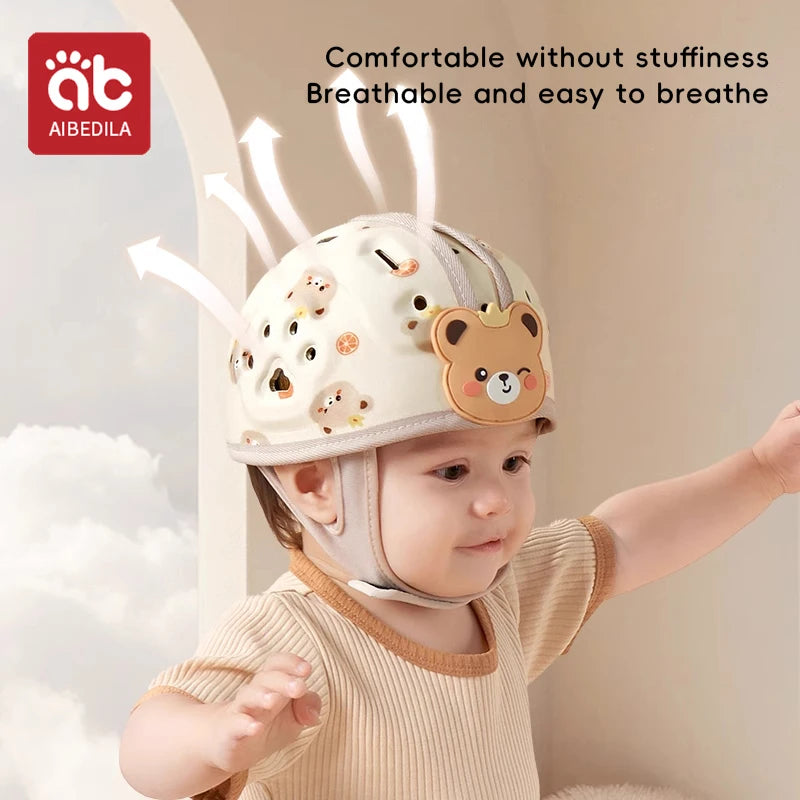
Infant protective helmet supporting infant fall prevention. See it in action.
Risks, Limitations, and Safety Considerations
Parents often ask, are baby helmets safe? When prescribed, fitted, and monitored appropriately, cranial helmets have an established safety record. However, like any medical device, they require proper care.
Possible side effects
- Mild skin redness after removal
- Heat buildup during warm weather
- Occasional pressure spots requiring adjustment
- Extra attention to cleaning and hygiene
Who should avoid helmet therapy
Helmet therapy is not appropriate for every child. Infants with certain medical conditions, craniosynostosis, or other structural skull abnormalities require specialist evaluation rather than routine treatment. Families should never purchase a medical-style helmet without professional assessment.
Soft protective helmets also have limitations. They may reduce minor bumps during supervised play but cannot prevent serious injuries, falls from height, or replace childproofing and active supervision.
When Is a Helmet Necessary for Flat Head?
Age recommendations
The best treatment window usually occurs during the first year of life while the skull is still growing rapidly. Early evaluation gives families the widest range of treatment options.
Severity assessment
Pediatric specialists assess factors such as head measurements, skull symmetry, facial alignment, and response to repositioning before recommending helmet therapy.
When specialists recommend treatment
A helmet may be recommended when:
- Moderate or severe plagiocephaly persists despite repositioning.
- Brachycephaly significantly affects skull shape.
- Torticollis has been addressed but asymmetry remains.
- The child is still within the age range where treatment is likely to be effective.
Alternatives to Helmet Therapy
Repositioning techniques
Many babies improve with conservative care alone. Parents may be advised to encourage tummy time, vary sleeping orientation according to safe sleep recommendations, and reduce prolonged pressure on one area of the head while the baby is awake.
Physical therapy for torticollis
If neck muscle tightness contributes to head flattening, physical therapy can improve range of motion and make repositioning more successful. Ongoing monitoring helps determine whether conservative treatment is sufficient or whether specialist referral becomes appropriate.
For everyday crawling and play, some parents also use soft protective helmets together with attentive supervision and products from Baby Care Essentials .
Cost, Insurance, and What to Expect During Treatment
The cost of a medical flat head infant helmet varies depending on location, provider, and whether custom fabrication is required. Some insurance plans cover medically necessary helmet therapy, while others classify treatment as cosmetic and provide limited reimbursement.
Parents considering treatment should discuss:
- Whether insurance requires prior authorization.
- Expected treatment duration.
- Number of follow-up adjustment visits.
- Cleaning and maintenance routines.
- Daily wear expectations if a medical helmet is prescribed.
Find thoughtfully designed baby head protection for active little ones.
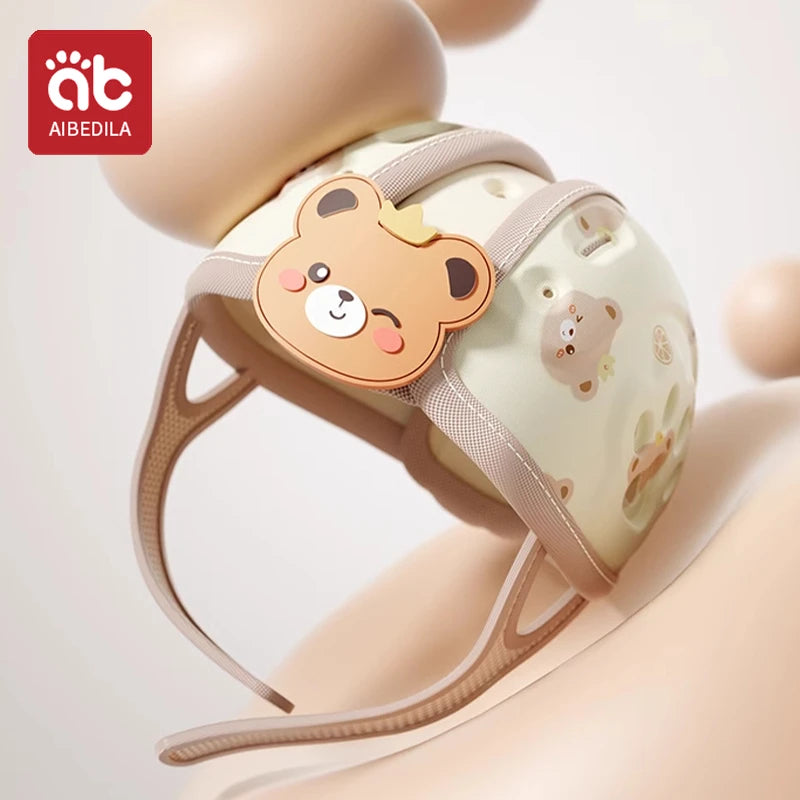
Shock absorbing helmet for everyday baby head protection. See it in action.
Frequently Asked Questions
Do helmets work for babies with flat head syndrome?
Yes. When prescribed for appropriate cases of positional plagiocephaly or brachycephaly, cranial remolding helmets can improve head symmetry. They work best when started during early infancy and combined with medical follow-up.
Are baby helmets safe for everyday use?
Medical helmets are considered safe when fitted and monitored by qualified healthcare professionals. Soft protective helmets should only be used during supervised play and should never be worn during sleep.
When is a helmet necessary for a baby's flat head?
A helmet is generally considered after clinical evaluation shows moderate or severe skull asymmetry that has not improved sufficiently with repositioning or physical therapy.
What are the risks associated with using baby helmets?
Most side effects are minor and include temporary skin irritation, sweating, or pressure areas that usually improve after adjustment. Serious complications are uncommon with proper medical supervision.
Can repositioning fix a flat head without a helmet?
Yes. Many mild cases improve through repositioning, increased tummy time, and treatment of underlying torticollis when present.
What is the best age to start helmet therapy?
Many specialists recommend beginning treatment during the first year of life, often between 4 and 8 months, although the ideal timing depends on each child's condition.
How many hours a day does a baby wear a helmet?
Medical cranial helmets are commonly worn for about 23 hours per day under specialist guidance, while soft protective helmets are intended only for active supervised play.
How long does helmet therapy usually last?
Treatment commonly lasts several months, depending on the baby's age, growth rate, and the severity of the skull asymmetry.
Does insurance cover baby helmet therapy?
Coverage varies by insurer and policy. Some plans provide benefits when helmet therapy is considered medically necessary, while others may not.
Can a baby's flat head improve without treatment?
Yes. Many infants with mild positional flattening experience gradual improvement through growth, repositioning, and increased mobility, making early pediatric evaluation valuable for determining the most appropriate approach.
For parents building a safer home setup, exploring complementary tools from Health & Safety can support a more confident daily routine.
Related Guide: Best Infant Head Protection: Top Helmets Compared for Safety





