

Does helmet infant head shaping really work?
Helmet infant head shaping supports natural skull development by gently guiding growth during a baby’s most flexible months. When used appropriately and for limited daily periods, modern infant helmet designs help address mild shape concerns and reduce impact risks while following head injury infant guidelines, offering both developmental support and everyday protection.
Helmet Infant Head Shaping: Best Options for Development Support
⏱ 7 min read
Helmet infant head shaping is often misunderstood, yet it plays a meaningful role in early development and everyday safety. Many parents worry about flat spots, unexpected tumbles, or choosing the wrong infant protective helmet. With thoughtful design and proper use, today’s options focus on comfort, airflow, and alignment with head injury infant guidelines—without disrupting natural growth.
Which baby gear actually supports development without overdoing it? This is a question many caregivers ask during the crawling and early walking months. Understanding how and when to use protective tools makes all the difference.
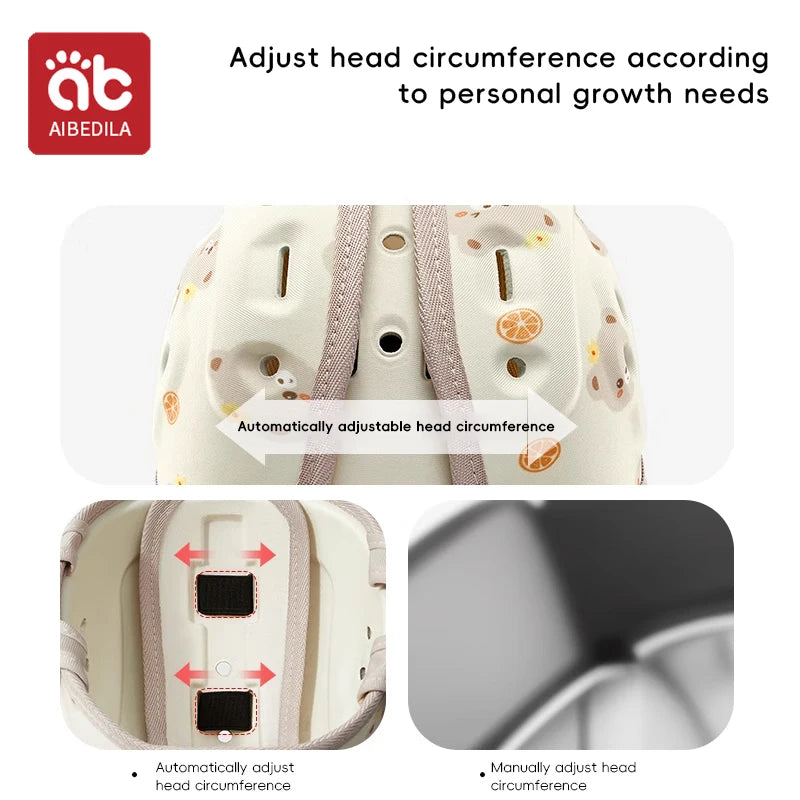
Infant helmet designs supporting helmet infant head shaping and daily safety 💡 See it in action
Why Infant Head Shape Matters Early
A baby’s skull is soft and rapidly growing during the first year. Spending long hours lying in one position or experiencing frequent minor bumps can affect symmetry. While many mild flat spots resolve naturally, some families explore helmet infant head shaping as added support during active stages.
- Skull bones remain flexible until toddlerhood
- Early movement stages increase fall risks
- Balanced pressure helps support even growth
- Comfort-focused designs reduce daily stress
Used thoughtfully, an infant protective helmet becomes a support tool—not a correction device—to complement tummy time, movement, and supervised play.
How Does Helmet Infant Head Shaping Support Growth?
Helmet infant head shaping works by distributing gentle, even contact across the skull during movement and rest. This encourages balanced growth while helping absorb impact during low-height falls, especially for babies learning to crawl or walk.
- Reduces repeated pressure on one area
- Supports symmetrical head positioning
- Provides cushioning during minor falls
- Maintains airflow to prevent overheating
Infant Helmet Designs That Fit Real Life
Parents today expect safety gear that works with daily routines. Modern infant helmet designs focus on lightweight materials, adjustable fits, and soft interiors that babies tolerate during play.
Key design features parents appreciate include:
- Breathable padding for warm climates
- Flexible sizing as babies grow
- Soft outer shells to minimize impact force
- Easy-on straps for quick changes
For families building a complete safety setup, exploring the Health & Safety collection can help align helmets with other protective essentials.
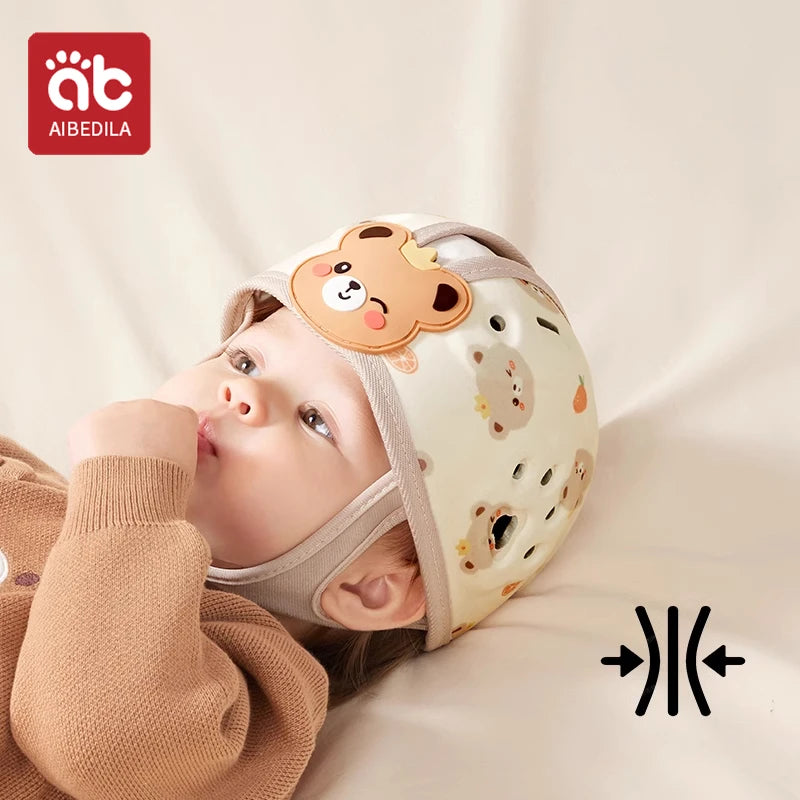
Infant protective helmet comfort and airflow supporting helmet infant head shaping 💡 See it in action
Following Head Injury Infant Guidelines at Home
Head injury infant guidelines emphasize prevention, supervision, and appropriate gear during developmental milestones. Helmets are meant for short, supervised periods—not constant wear.
- Use only during active play or crawling practice
- Remove during sleep or car rides
- Check fit regularly as your baby grows
- Pair with safe flooring and supervision
Combining helmet use with other solutions from Baby Care Essentials helps create a safer environment without relying on one tool alone.
Comparing Common Baby Helmet Options
| Feature | Soft Protective Helmet | Decorative Cap | Medical-Grade Helmet |
|---|---|---|---|
| Impact Protection | Moderate | Low | High |
| Comfort for Daily Play | High | Medium | Low |
| Ease of Use | Easy | Easy | Requires guidance |
| Best Use Case | Crawling & walking practice | Short outings | Clinical needs |
How to Choose the Right Infant Protective Helmet
The right choice depends on your baby’s activity level, head size, and daily routine. Many parents prefer soft helmets that balance comfort with safety for indoor play.
- Measure head circumference accurately
- Prioritize lightweight materials
- Look for adjustable straps
- Match helmet use to active times
Some families pair helmets with developmental tools from Baby Growth & Learning to encourage safe exploration.
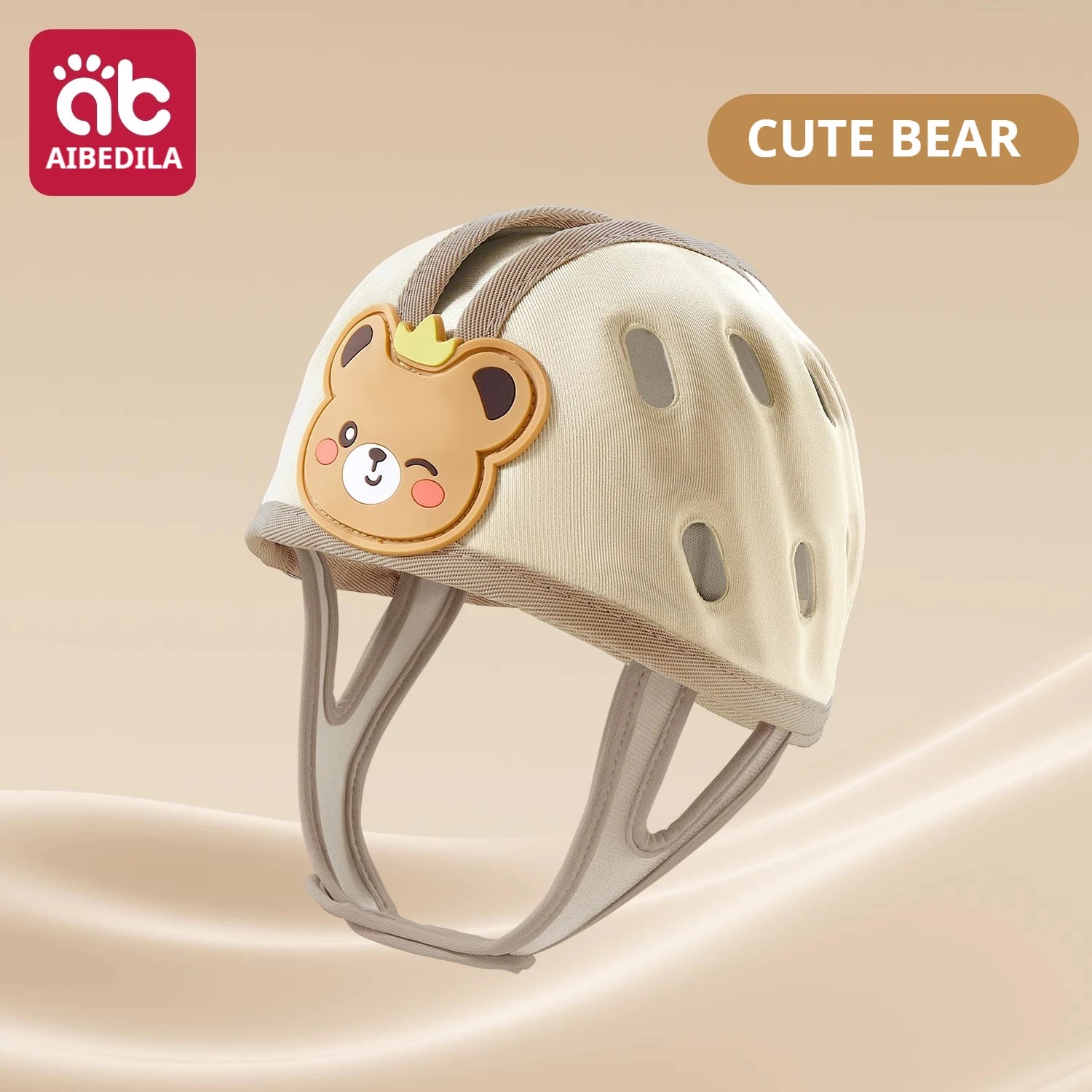
Helmet infant head shaping during early movement stages 💡 See it in action
What Real Parents Notice After Use
Parents often share that babies adapt quickly, showing less fuss during play and fewer worries about bumps. Some report improved confidence during crawling practice and peace of mind during early walking attempts.
One parent noted, “Once we used a helmet during playtime, we felt more relaxed letting our baby explore.” These small moments add up to calmer days and happier exploration.
Quick Parent Questions Answered
Is helmet infant head shaping safe for daily use?
Yes, when used for short, supervised periods during active play and removed during rest or sleep.
Do infant helmet designs affect natural growth?
Modern designs focus on gentle support and airflow, complementing natural development rather than restricting it.
When should parents consider an infant protective helmet?
During crawling and early walking stages, especially for babies prone to frequent bumps or slips indoors.
Related Guide: Toddler Falling Hazards at Home: How to Choose the Right Helmet





