

Best Infant Head Protector: Do They Really Help Prevent Injuries?
An infant head protector can help reduce the impact of minor, everyday falls during crawling and early walking by cushioning the back and sides of the head. However, it’s important to understand its limits. These products are designed for low-height, indoor falls—not for serious impacts or accidents.
Parents often ask: do babies need head protection? The answer depends on your baby’s stage and environment. While not essential for every child, head protectors can add a helpful safety layer in homes with hard flooring or frequent backward falls.
- Helps absorb shock from short-distance falls
- Does not replace supervision or baby-proofing
- Supports safer exploration during early mobility stages
Infant Head Protector Comparison: Finding the Right Fit
⏱ 7 min read
Choosing an infant head protector can feel overwhelming when your baby starts crawling, standing, and exploring. One moment they’re steady, the next they’re tipping backward. This guide compares the best options, explains how infant fall protection works, and helps you choose what fits your baby and home safely.
Which safety solution fits your baby’s crawling stage best? Let’s break it down clearly.
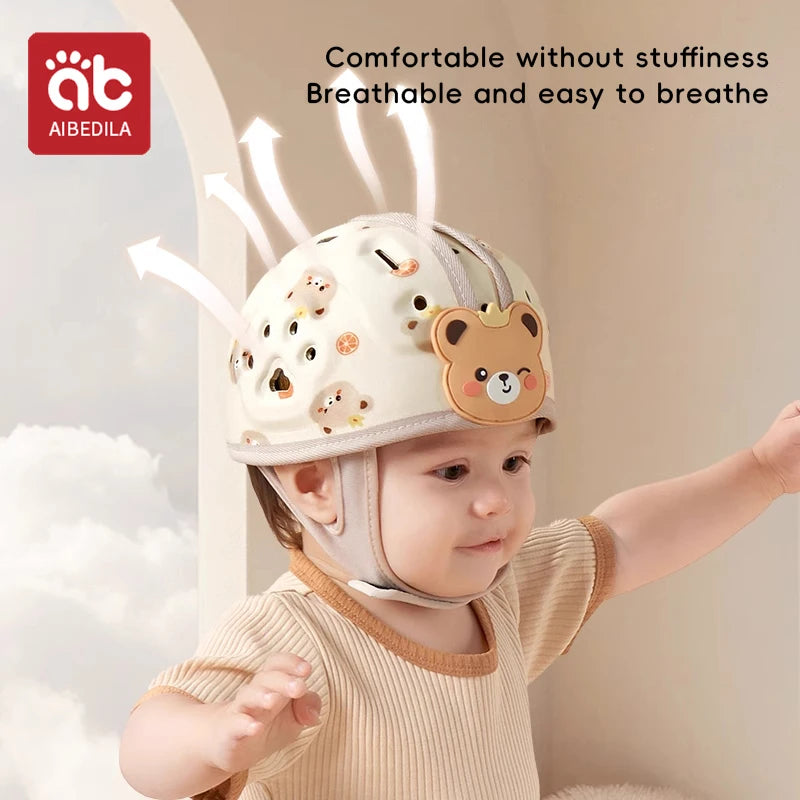
Infant head protector for crawling safety and head injury prevention
Who Should Use an Infant Head Protector?
Crawling Babies
Between 6–10 months, babies begin crawling but lack full balance control. Backward falls are common, especially on hard floors. An infant head protector can help reduce impact during this stage.
Learning to Walk
As babies pull up and take first steps, falls become more frequent and unpredictable. Protection can be useful in homes with tile, hardwood, or multi-level layouts.
When It May Not Be Necessary
If your baby plays mostly on soft surfaces or has stable balance, head protection may not be needed. Many parents rely instead on safe crawling tips and full home baby-proofing strategies found in Health & Safety.
Types of Infant Head Protectors Compared
Baby Head Protection Pillow
Also known as back cushion protectors, these shield the back of the head during backward falls.
- Pros: lightweight, breathable, easy to wear
- Cons: limited coverage
- Best for: early crawlers indoors
Infant Crawling Helmet
A wraparound infant crawling helmet provides more complete head coverage.
- Pros: better impact distribution
- Cons: heavier, may feel warm
- Best for: active crawlers and walkers
Toddler Head Safety Helmet
Designed for older babies with higher mobility.
- Pros: durable, structured protection
- Cons: less flexible for younger infants
Hybrid Adjustable Designs
These combine soft foam padding with breathable fabrics.
- Pros: balance of comfort and protection
- Cons: varies by design quality
Side-by-Side Comparison of the Best Baby Head Protectors
| Type | Coverage | Comfort | Breathability | Best Stage |
|---|---|---|---|---|
| Back Cushion | Rear head | Very lightweight | High | Sitting to early crawling |
| Crawling Helmet | Full head | Moderate | Medium | Active crawling |
| Hybrid | Partial wrap | Balanced | High | Transition stages |
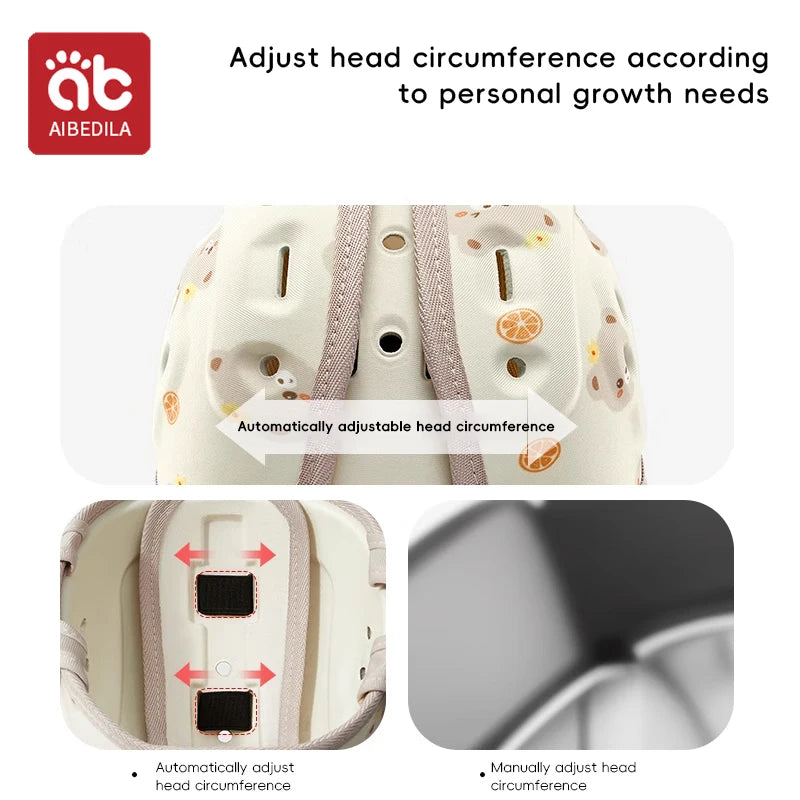
Infant crawling helmet comparison for fall hazards at home
How Infant Head Protectors Work
Infant head protectors use soft foam or padded materials to absorb and distribute impact energy. Instead of a direct hit to the skull, the force is spread across a larger surface.
- Foam layers reduce pressure on impact
- Lightweight designs prevent neck strain
- Proper fit ensures effective protection
Important: They are designed for minor falls—not for preventing serious injuries like concussions.
How to Choose the Right Size, Fit, and Comfort
The best baby head protector is one your child will actually wear comfortably.
- Measure head circumference accurately
- Choose adjustable straps for growth
- Look for breathable, skin-safe materials
- Test short wear sessions first
Parents often pair protective gear with movement tools from Mobility & Training.
Safety Considerations and Limitations
Is a baby head protector safe? Yes—when used correctly and with realistic expectations.
- Not designed for high-impact injuries
- Avoid prolonged wear to prevent overheating
- Do not use during sleep
- Remove in strollers and car seats
Always combine with baby-proofing and supervision.
Best Uses Around the Home
Hardwood Floors
Higher impact risk—consider helmets or thicker padding.
Tile Surfaces
Use with extra caution and combine with soft floor mats.
Carpeted Rooms
Lower risk—lightweight cushions are usually sufficient.
Explore more options in Baby Care Essentials.
What Parents Like and Dislike
What parents like:
- Peace of mind during crawling stage
- Reduced fear of backward falls
- Easy to use once baby adapts
Common complaints:
- Babies may resist wearing initially
- Some designs feel warm
- Limited protection for side/front falls
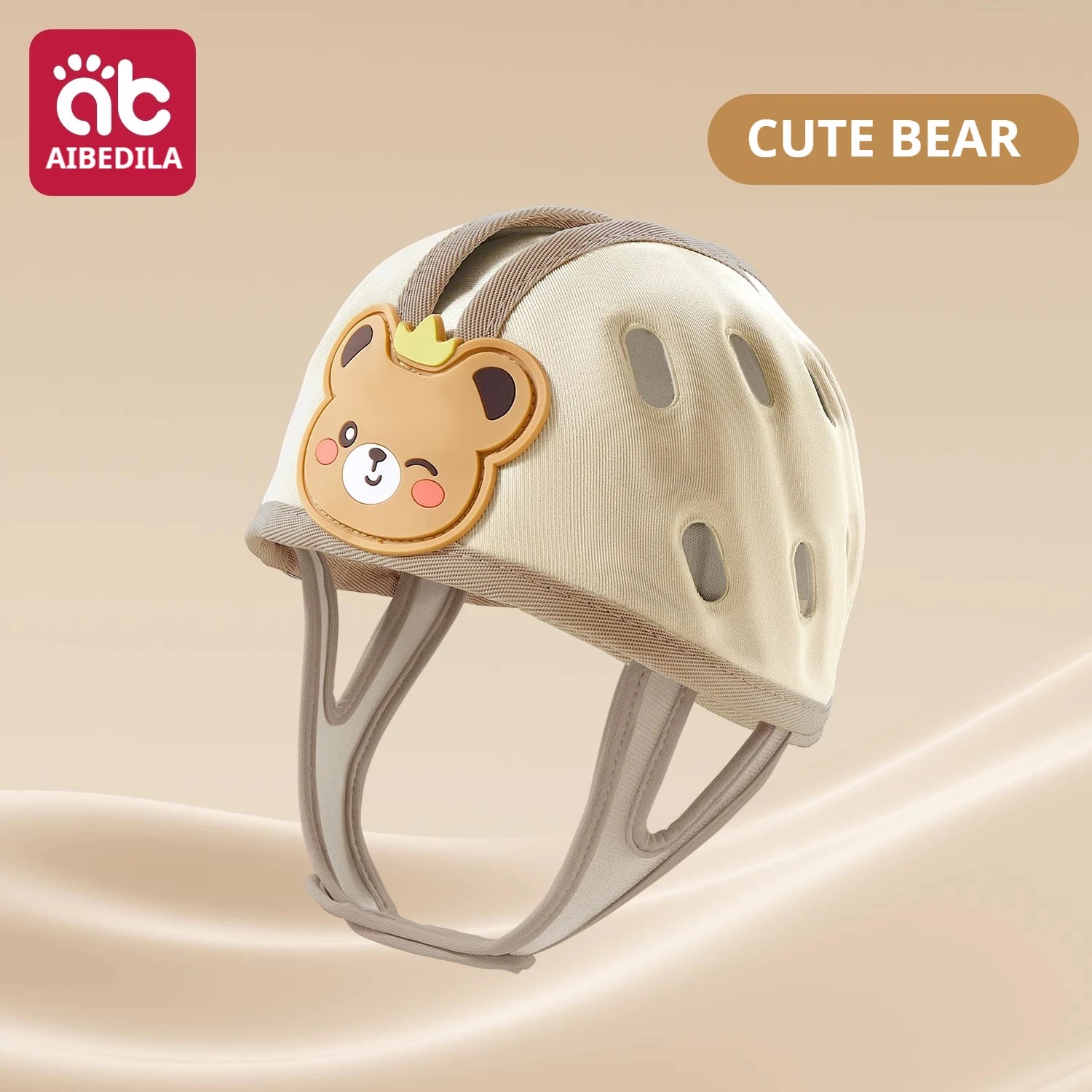
Infant head protector supporting safer crawling and fall protection
Care, Cleaning, and Storage
Proper care keeps your baby head protector safe and hygienic.
- Spot clean with mild detergent
- Air dry completely before reuse
- Inspect regularly for wear or damage
- Replace if padding becomes compressed
Frequently Asked Questions
Can an infant head protector be worn all day?
No. Use during short, supervised play sessions only.
Does a head protector replace baby proofing?
No. It complements safety measures like gates and padding.
When should babies stop using an infant head protector?
Typically when balance improves and walking stabilizes.
How do I measure my baby's head?
Use a soft tape around the widest part of the head, above eyebrows and ears.
Can babies sleep while wearing a head protector?
No. Remove before naps and bedtime.
Are head protectors safe in strollers or car seats?
No. They can interfere with proper positioning and safety restraints.
Related Guide: Best Infant Head Protection: Top Helmets Compared for Safety





