

Which infant safety seat fits your baby best?
An infant safety seat protects your baby during every ride by supporting their head, neck, and spine while reducing injury risk in sudden stops or crashes. The best infant safety seat balances safety standards, proper fit for your baby’s size, easy installation, and daily convenience for parents.
Infant Safety Seat Reviews: Which One Fits Your Baby Best
Choosing an infant safety seat is one of the first big decisions new parents face. With so many designs, features, and price points, it’s easy to feel overwhelmed. This guide breaks down real-world pros and cons, safety considerations, and comfort factors so you can confidently choose the infant safety seat that fits your baby—and your lifestyle—best.
⏱ 7 min read
Keeping eye on infant in car is a common concern, especially on longer drives or busy roads. Is your baby comfortable? Are they breathing normally? A well-designed infant safety seat paired with smart monitoring tools can ease that anxiety while helping you stay focused on driving.
Explore a safer way to keep eye on infant in car
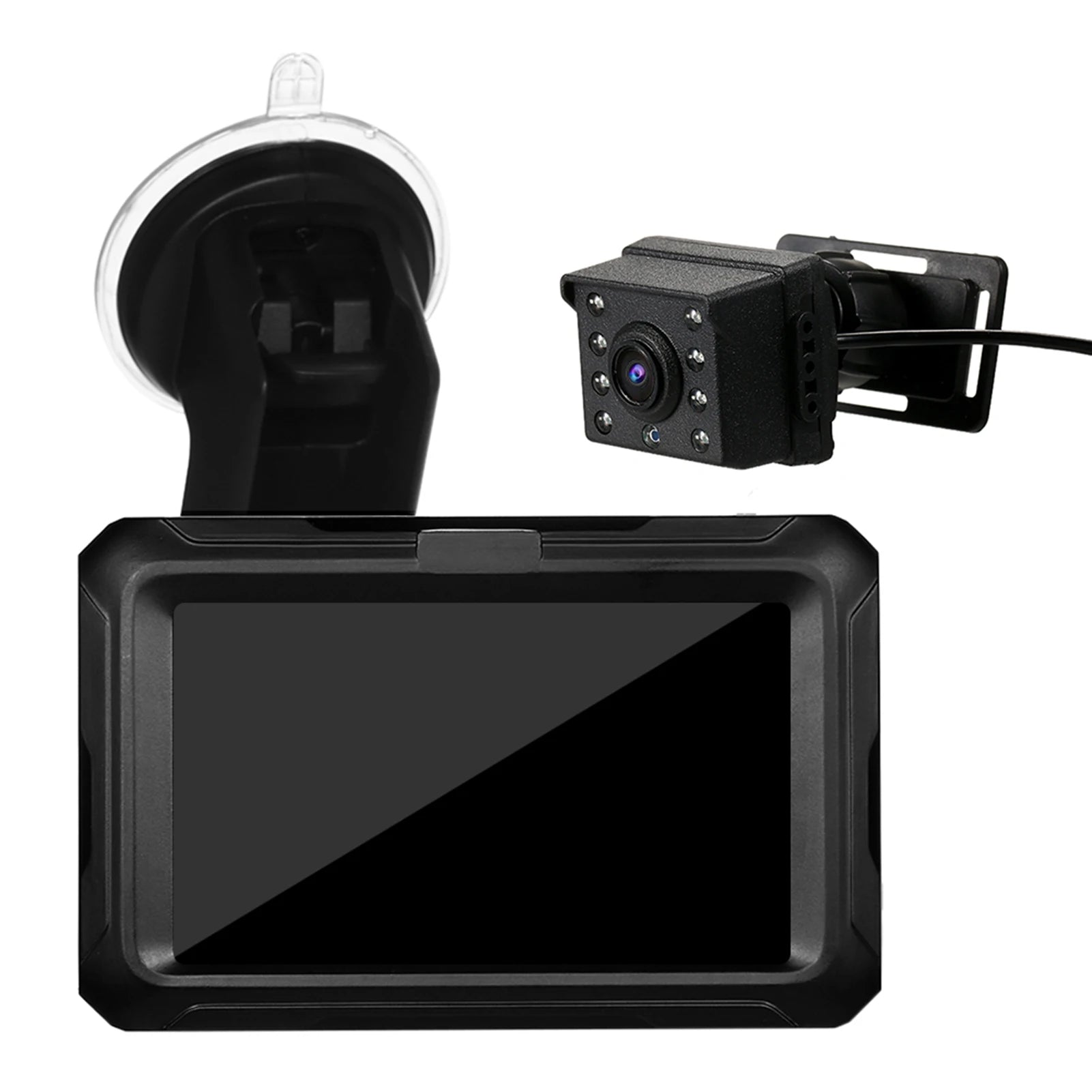
Infant safety seat and infant car seat safety in real driving conditions 💡 See it in action
What Makes an Infant Safety Seat Truly Safe?
An infant safety seat is only as effective as its design and correct use. Beyond meeting federal safety standards, the best options address real-life infant car seat dangers parents face every day.
- Impact protection: Energy-absorbing materials help reduce crash forces.
- Proper recline: Supports breathing and head positioning for newborns.
- Secure harness: Keeps your baby snug without pressure points.
- Compatibility: Works correctly with your vehicle’s seat and anchors.
Many parents underestimate how quickly a poorly fitted seat can compromise infant car seat safety, even on short trips.
Types of Infant Safety Seats Compared
Not all infant safety seats serve the same purpose. Understanding the differences helps narrow your options.
Rear-Facing Only Seats
Designed specifically for infants, these seats offer excellent head and neck support and are easy to carry between car and stroller.
Convertible Seats (Infant Mode)
These grow with your child, starting rear-facing and later converting forward-facing, though they’re usually heavier.
Infant Safety 1st Car Seat Models
Often known for straightforward installation and affordability, infant safety 1st car seat options appeal to parents who want simplicity without sacrificing core protection.
Browse Health & Safety essentials for safer travel
Comfort and Fit: Why Size Matters
A seat that’s technically safe but uncomfortable can lead to fussiness and distracted driving. Fit matters just as much as ratings.
- Adjustable headrests to grow with your baby
- Breathable padding for temperature control
- Infant inserts for smaller newborns
- Smooth harness adjustments for quick changes
Parents often report that babies settle faster and sleep longer when the infant safety seat fits their body properly.
Installation and Everyday Ease
Even the safest seat can’t protect your baby if it’s installed incorrectly. Look for features that reduce user error.
- Clear level indicators
- Simple latch systems
- Audible or visual lock confirmations
- Easy-to-read instruction labels
Ease of use directly impacts infant car seat safety because confident parents are more likely to install and adjust seats correctly every time.
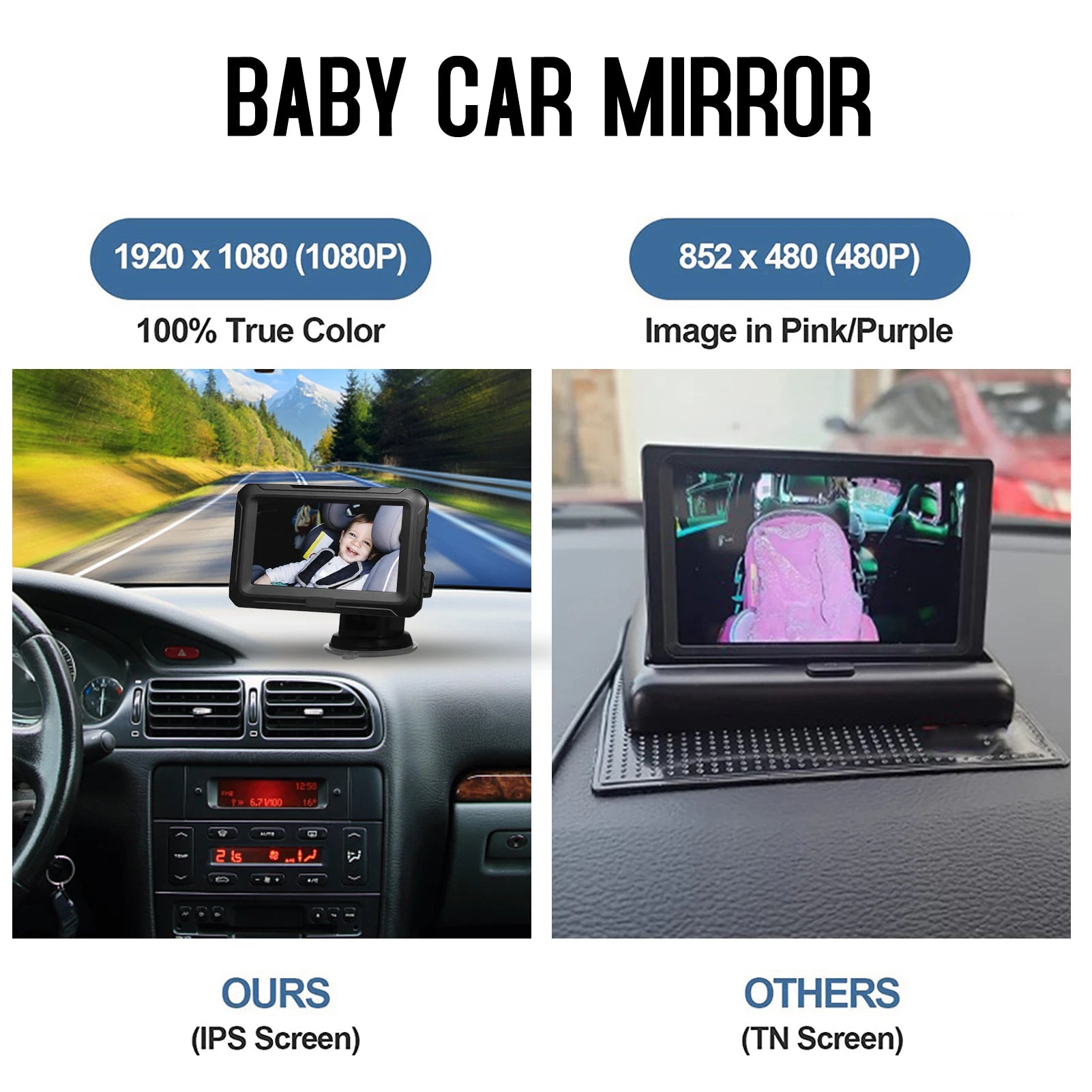
Back seat view solutions improve infant car seat safety 💡 See it in action
Seeing Your Baby Without Distraction
Turning around to check your baby introduces unnecessary risk. Modern monitoring tools solve this problem.
Pairing an infant safety seat with a rear view monitor or rear seat camera lets you keep eye on infant in car while maintaining full attention on the road.
- Clear back seat view at a glance
- Reduced driver stress
- Faster response if something seems wrong
Many parents choose to complement their setup with items from Monitoring Devices or Smart Baby Gadgets to create a calmer driving experience.
See how a rear view monitor supports safer driving
Side-by-Side Infant Safety Seat Comparison
| Feature | Rear-Facing Only | Convertible | Infant Safety 1st Car Seat |
|---|---|---|---|
| Portability | High | Low | Medium |
| Longevity | Infant only | Infant to toddler | Infant focused |
| Ease of Installation | Medium | Medium | High |
| Comfort for Newborns | High | Medium | High |
Which Infant Safety Seat Is Right for You?
The best choice depends on your priorities.
- Frequent travel: Lightweight, portable seats save time.
- Long-term value: Convertible models grow with your child.
- Simplicity: Infant safety 1st car seat designs focus on easy setup.
Whichever you choose, combining it with supportive items from Baby Care Essentials or Sleep & Comfort can make travel smoother for both parent and baby.
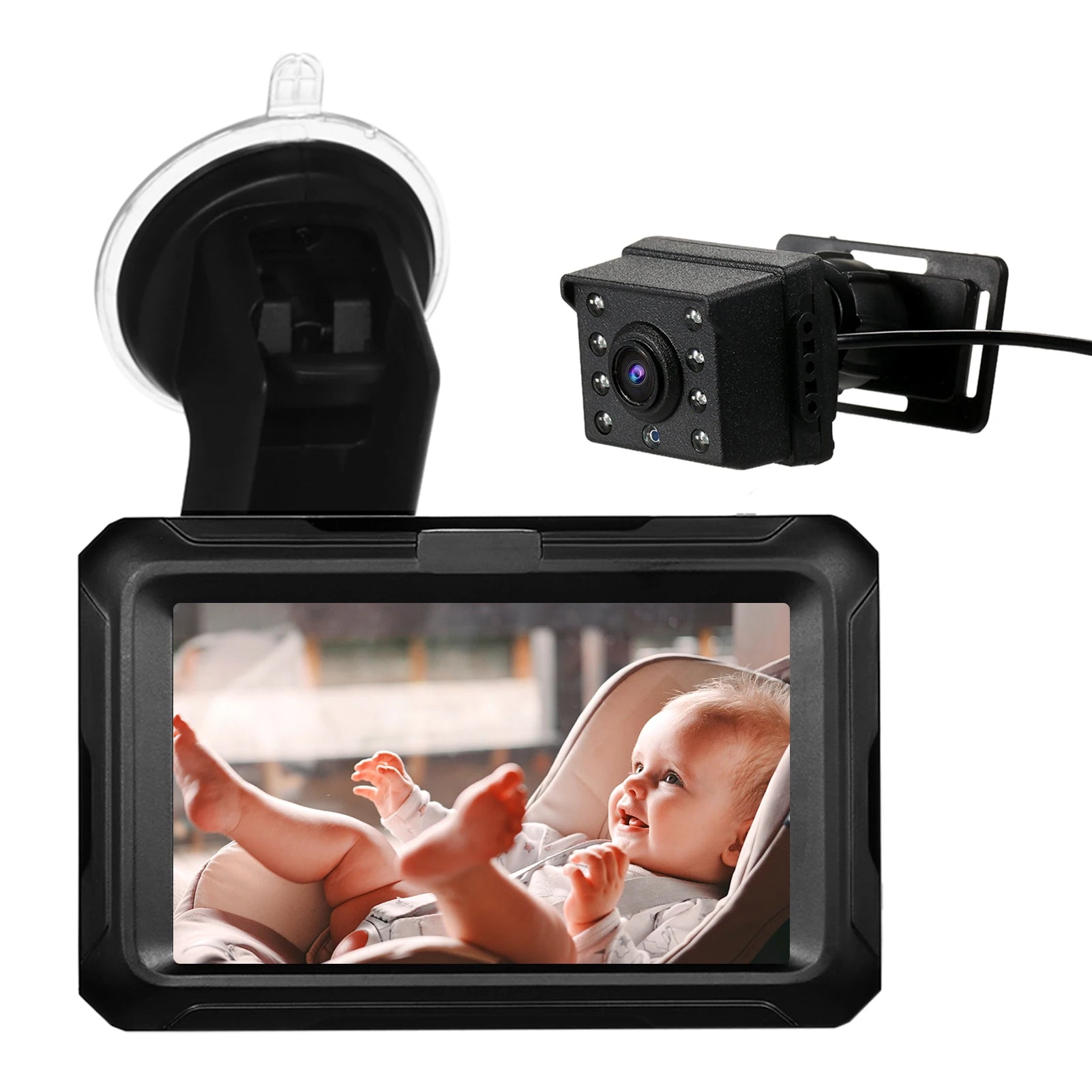
Infant safety seat setup with back seat view support 💡 See it in action
Upgrade your car setup today
Frequently Asked Questions
How long can my baby use an infant safety seat?
Most infant safety seats are designed for babies up to 30–35 pounds or until the headrest or height limit is reached. Always follow the manufacturer’s guidelines.
Are mirrors safe for keeping eye on infant in car?
Mirrors can help but may require glancing away from the road. Camera-based rear view monitor systems provide a clearer back seat view with less distraction.
What are common infant car seat dangers?
Loose harnesses, incorrect recline angles, and improper installation are the most common issues. Regular checks and simple designs help reduce these risks.
Related Guide: Infant Car Seat Safety Tips: Top Seats Compared for 2025





