

Flat Head Infant Helmet: Pros, Cons, and Expert Recommendations
Do infant helmets really help correct flat head syndrome?
Yes—but only certain infant helmets are designed to correct head shape. A cranial remolding helmet , prescribed by a pediatric specialist, can help improve moderate to severe plagiocephaly (flat head syndrome) or brachycephaly by gently guiding skull growth while the brain naturally expands. In contrast, a soft baby safety helmet is intended only to cushion minor bumps during supervised play and does not treat flat head syndrome .
Most babies who develop mild head flattening improve with repositioning techniques, tummy time, and treatment of underlying conditions such as torticollis. Medical evaluation becomes important if head asymmetry persists, worsens, or is noticed after several months of age.
⏱ 7 min read
Parents often search for a flat head infant helmet after noticing an uneven head shape or when their baby becomes more active. Understanding the difference between a protective baby helmet and a medical cranial helmet can help you make informed decisions about your child's care, safety, and development.
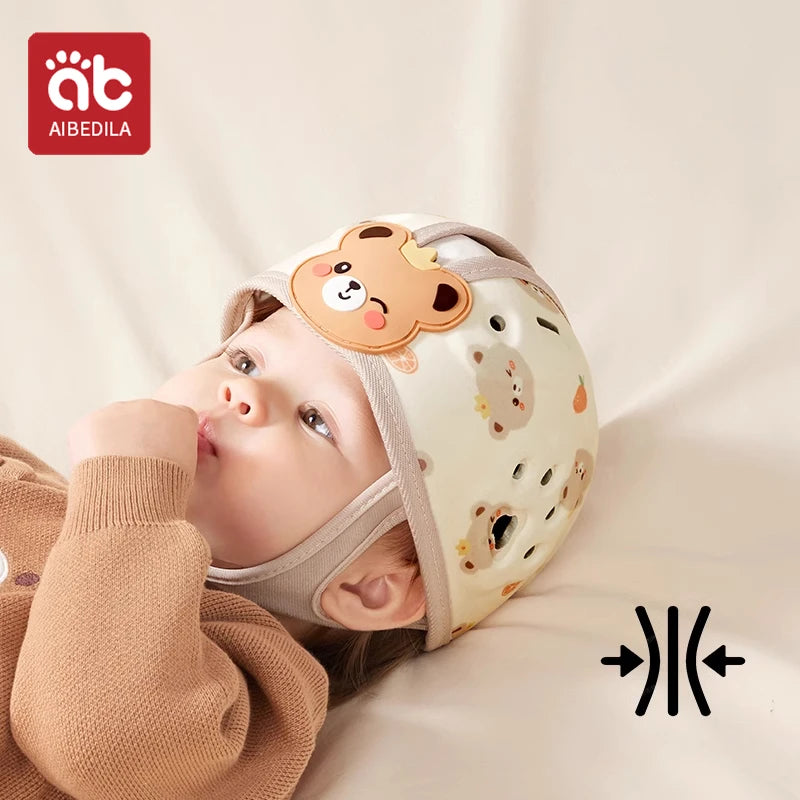
Flat head infant helmet with shock absorbing helmet padding for infant fall prevention. See it in action.
What Is an Infant Helmet and What Is It Used For?
What is cranial remolding helmet therapy?
A medical helmet for infants , also called an infant skull helmet or cranial remolding helmet, is a custom-made device prescribed to help reshape a baby's skull while it is still growing. It is carefully fitted by specialists and adjusted regularly throughout treatment.
Conditions treated with infant helmets
Medical infant helmets may be recommended for babies diagnosed with:
- Positional plagiocephaly (flat head syndrome)
- Brachycephaly (flattening across the back of the head)
- Selected cases of asymmetrical head growth after specialist evaluation
It is important to distinguish these medical devices from soft protective helmets designed for crawling or early walking. Protective helmets cushion minor bumps during supervised play but are not intended to reshape the skull or replace medical treatment.
Parents often explore options alongside guidance from pediatric professionals and safety resources found in Health & Safety collections.
How Doctors Diagnose the Need for an Infant Helmet
Physical examination
Pediatricians begin by examining your baby's head shape, neck movement, facial symmetry, and developmental history. They also ask about sleeping positions and daily routines that may contribute to positional flattening.
Severity assessment
If flattening appears moderate or severe, your child may be referred to a craniofacial clinic, pediatric neurosurgeon, or orthotist for precise head measurements. These measurements help determine whether conservative treatment or helmet therapy is more appropriate.
When imaging is rarely needed
Most babies do not need X-rays or CT scans. Imaging is typically reserved for situations where the doctor suspects craniosynostosis or another condition affecting skull development rather than simple positional plagiocephaly.
How Infant Helmet Therapy Works
How the skull grows
An infant's skull consists of flexible bones connected by sutures that gradually harden during early childhood. This natural flexibility allows the brain to grow rapidly during the first year of life.
How helmets guide skull growth
A cranial helmet does not squeeze the skull into shape. Instead, it gently provides room for growth in flatter areas while limiting expansion where the head already protrudes, encouraging a more balanced shape over time.
Follow-up adjustments
Because babies grow quickly, helmet therapy requires scheduled adjustment appointments to maintain proper fit and effectiveness throughout treatment.
Who Is a Good Candidate for an Infant Helmet?
Recommended age window
Helmet therapy is generally most effective between approximately 4 and 12 months of age, when skull growth is fastest. Early evaluation often leads to the best outcomes.
When helmet therapy is not recommended
- Mild positional flattening that responds to repositioning
- Babies whose skull growth is nearly complete
- Children without a diagnosed cranial asymmetry
Role of torticollis
Many infants with plagiocephaly also have torticollis, a condition that limits neck movement. Physical therapy may be recommended alongside repositioning or helmet therapy to improve neck mobility and reduce pressure on one area of the head.
Treatment Timeline: What to Expect by Age
Starting before 6 months
Many babies respond well to repositioning and tummy time during this stage. If helmet therapy is recommended, treatment may be shorter because skull growth is especially rapid.
Starting after 6 months
Helmet therapy can still improve head shape after six months, although treatment may take longer because growth gradually slows.
Treatment duration
Most infants who require cranial helmets wear them for several months. The exact duration depends on age, severity, growth rate, and consistency with the prescribed wear schedule.
Daily Wear Schedule and Helmet Care
How many hours per day
Medical cranial helmets are commonly worn for most of the day, including sleep, according to the specialist's instructions. Soft protective baby helmets should only be worn during awake, supervised activities.
Cleaning and skin care
- Clean the helmet as instructed by your provider.
- Inspect your baby's skin daily for persistent redness or irritation.
- Keep both the helmet and your baby's scalp clean and dry.
Regular adjustment visits
Routine follow-up appointments ensure the helmet continues fitting properly as your baby grows.
Potential benefits
- Can improve moderate to severe positional head asymmetry when appropriately prescribed.
- Works alongside repositioning and physical therapy when needed.
- Provides customized treatment based on your baby's growth.
Possible side effects
- Temporary skin irritation or heat buildup.
- Adjustment period as babies become accustomed to wearing the helmet.
- Need for consistent cleaning and follow-up visits.
Current evidence
Research suggests that some infants with significant positional skull deformities benefit from helmet therapy, while many cases of mild plagiocephaly improve with conservative measures alone. Treatment decisions should always be individualized after professional assessment.
Infant Helmet Therapy vs Repositioning and Physical Therapy
| Treatment | Best For | Main Goal |
|---|---|---|
| Tummy time | Mild flattening and prevention | Reduce pressure on the back of the head |
| Repositioning | Early positional plagiocephaly | Encourage balanced head positioning |
| Physical therapy | Babies with torticollis | Improve neck movement |
| Cranial helmet therapy | Moderate to severe cases | Guide skull growth under specialist supervision |
These approaches are not mutually exclusive. Many babies receive a combination of repositioning, tummy time, physical therapy, and helmet therapy depending on their individual needs.
Costs, Insurance Coverage, and Getting a Helmet
Typical costs
The cost of a custom cranial helmet varies depending on location, provider, and follow-up services. Families should ask for a detailed estimate before treatment begins.
Insurance coverage
Some insurance plans cover medically necessary helmet therapy when specific clinical criteria are met, while others may require prior authorization or documentation showing conservative treatment has been attempted.
Prescription process
Medical helmets require evaluation and prescription by qualified healthcare professionals. Soft protective helmets sold for everyday play should not be considered substitutes for prescribed cranial remolding devices.
Expert Recommendations for Safe Use
Child safety specialists recommend using protective baby helmets only during awake, supervised activities. Continue encouraging age-appropriate mobility, tummy time, and safe play environments using resources from Baby Growth & Learning .
- Use protective helmets only for supervised play.
- Check fit regularly as your baby grows.
- Never rely on protective helmets to prevent serious injuries.
- Seek medical advice if concerned about head shape.
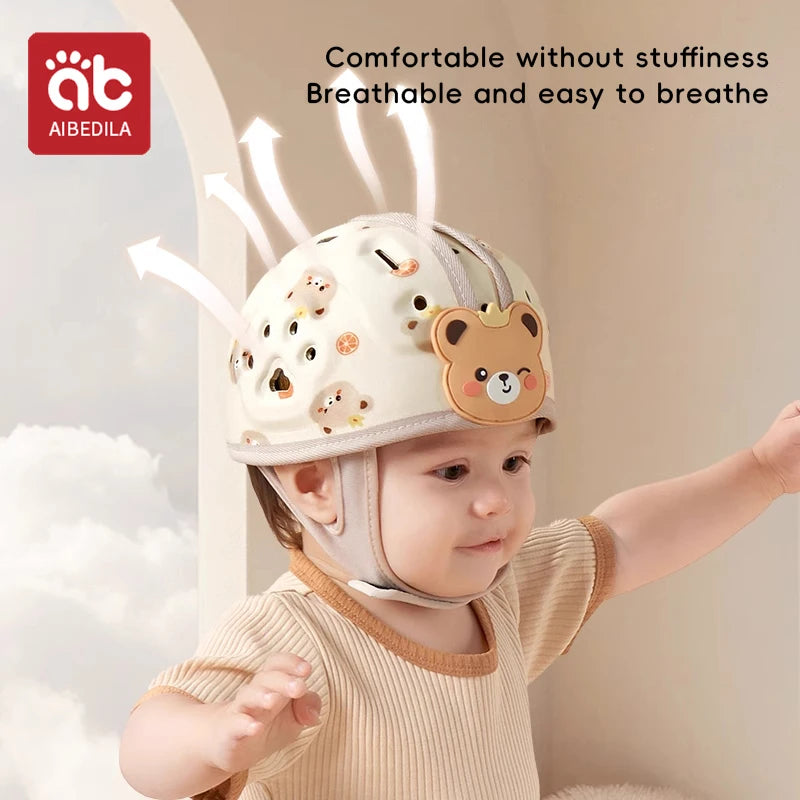
Shock absorbing helmet design supporting infant fall prevention during active play. See it in action.
When to Contact Your Pediatrician
Schedule a medical evaluation if you notice any of the following:
- Persistent or worsening flat spots despite repositioning.
- Head asymmetry becoming more noticeable over time.
- Limited neck movement or signs of torticollis.
- Persistent skin irritation while using a prescribed helmet.
- Concerns about developmental milestones or unusual head growth.
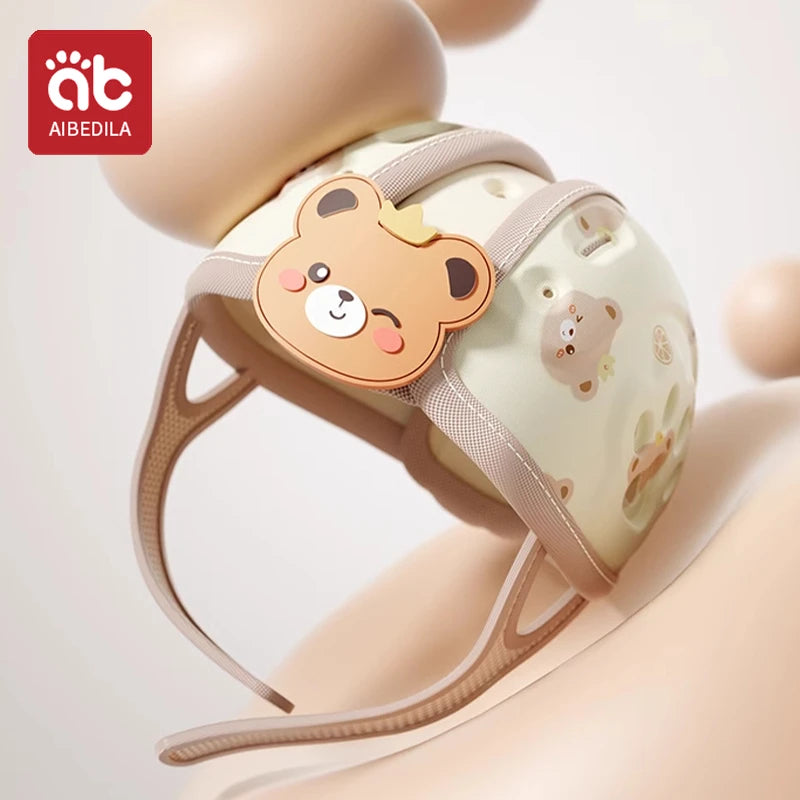
Infant protective helmet supporting baby head protection during supervised play. See it in action.
Frequently Asked Questions
At what age should an infant get a helmet for flat head syndrome?
Specialists often evaluate babies between 4 and 6 months if repositioning has not improved moderate or severe head flattening. Earlier assessment allows more treatment options.
How many hours a day should an infant wear a helmet?
Follow the schedule provided by your specialist. Medical cranial helmets are commonly worn most of the day, while protective baby helmets should only be used during supervised play.
Do infant helmets work if treatment starts after 12 months?
Treatment may still provide improvement in selected cases, but results are generally more limited because skull growth slows after the first year.
Can tummy time replace helmet therapy?
For many babies with mild positional plagiocephaly, tummy time and repositioning may be sufficient. More significant asymmetry may require additional treatment.
Are infant helmets uncomfortable or painful?
A properly fitted cranial helmet should not be painful. Some babies need a short adjustment period, and mild temporary skin redness may occur.
How much does an infant helmet cost and does insurance cover it?
Costs vary by provider and region. Insurance coverage depends on medical necessity and your individual policy.
Can a baby sleep while wearing a cranial helmet?
Yes, if prescribed as part of medical helmet therapy. Follow your specialist's instructions carefully.
What happens if plagiocephaly is left untreated?
Many mild cases improve naturally with growth and repositioning, while more significant asymmetry may persist. Your pediatrician can advise whether treatment is appropriate.
Are helmets for newborns ever recommended?
No. Newborns are generally managed with repositioning and monitoring. Helmet therapy is usually considered later if medically indicated.
What is the difference between a cranial helmet and a baby safety helmet?
A cranial helmet is a custom medical device used to guide skull growth. A baby safety helmet is a soft protective product intended to cushion minor bumps during supervised activity.
Is Safehead Baby Helmet intended for plagiocephaly treatment?
No. Consumer baby safety helmets are designed for impact protection during play and should not be used as treatment for plagiocephaly unless specifically indicated by a healthcare professional.
Related Guide: Best Infant Head Protection: Top Helmets Compared for Safety





