

Does a helmet really help prevent baby head trauma?
Prevent baby head trauma by reducing impact force during common falls in early development. A well-designed shock absorbing helmet cushions sudden movement, supports infant fall prevention, and offers all around protection during crawling, cruising, and first steps—without restricting vision or comfort.
Prevent Baby Head Trauma: Proper Helmet Usage Explained
⏱ 5 min read
Babies fall—it’s part of learning. But watching your little one tip over, even from a low height, can be terrifying. Head bumps happen fast, often at home, and usually when you least expect them. So how can you prevent baby head trauma while still letting your child explore confidently and safely?
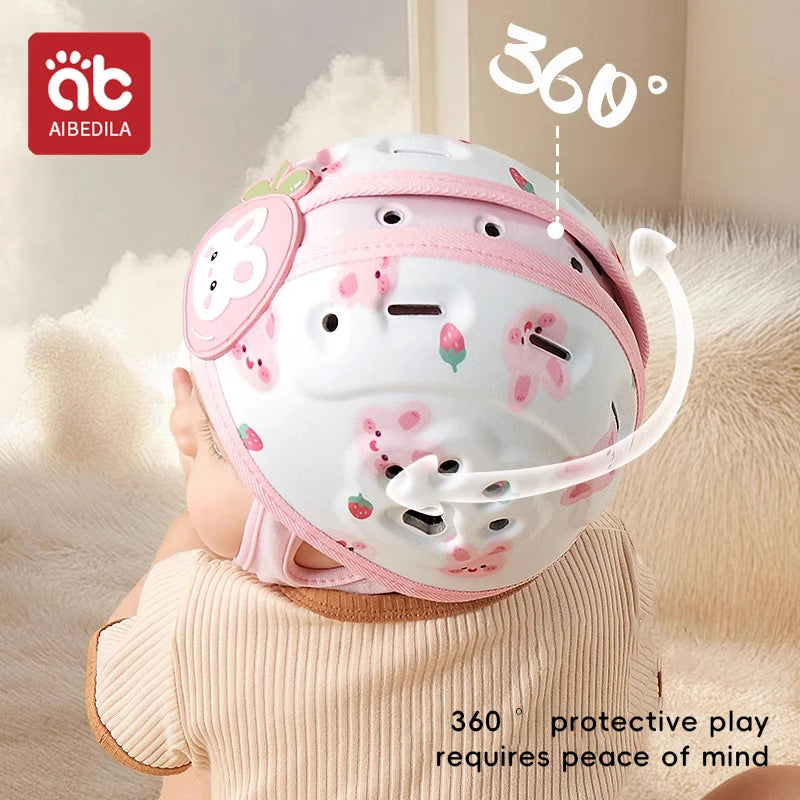
Shock absorbing helmet for infant fall prevention and all around protection 💡 See it in action
Why Head Protection Matters in Early Development
Between 6 and 18 months, babies experience rapid mobility changes. Rolling turns into crawling, crawling into standing, and standing into sudden tumbles. During this stage, head-to-body proportion is larger, balance is developing, and reaction time is slow.
- Falls often happen backward or sideways
- Most occur at home on hard surfaces
- Many happen during supervised play
- Head impact is the most common concern
This is why infant fall prevention isn’t about stopping movement—it’s about softening the impact when falls happen.
How a Shock Absorbing Helmet Protects Your Baby
Prevent baby head trauma by absorbing and dispersing impact energy before it reaches the skull. A shock absorbing helmet uses layered padding to cushion blows, while lightweight materials maintain comfort and airflow.
Unlike rigid headgear, these helmets are designed for daily wear during play, training, or exploration.
- Soft inner foam reduces force transfer
- Breathable fabric prevents overheating
- Rounded coverage protects front, sides, and back
- Adjustable straps ensure a secure fit
Many parents pair head protection with tools from Health & Safety to create a safer play environment without limiting curiosity.
When Should Babies Wear a Protective Helmet?
There’s no single “right” age. Instead, focus on developmental milestones and environment.
- When your baby starts sitting independently
- During crawling on hard floors
- While practicing standing or cruising
- In play areas with furniture edges
Helmets are especially helpful during high-risk moments, not necessarily all day. Combine them with items from Mobility & Training to support safe movement practice.
How to Use a Baby Helmet Correctly (Step-by-Step)
Prevent baby head trauma effectively by using protective gear the right way. Proper fit and timing make all the difference.
- Measure your baby’s head circumference
- Adjust straps so the helmet sits level
- Ensure coverage of forehead and back
- Check comfort—no pressure points
- Use during active play, not sleep
Which baby gear suits your child’s movement stage best? Read on to see how comfort and protection work together.
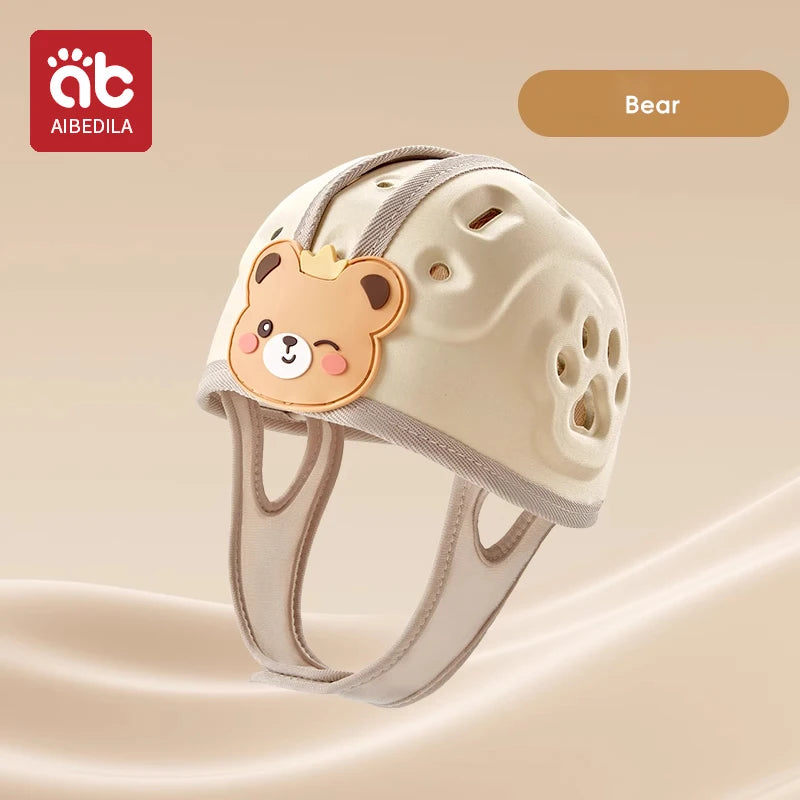
All around protection with a shock absorbing helmet 💡 See it in action
Comfort, Fit, and All Around Protection
Parents often worry that helmets will bother babies. In reality, most infants adapt quickly when the helmet is lightweight and breathable.
- Soft fabric prevents skin irritation
- Ventilation reduces sweat buildup
- Balanced design avoids neck strain
- All around protection allows free movement
For longer play sessions, pairing helmets with calming tools from Sensory Toys or Sleep & Comfort can help babies stay relaxed and happy.
What Real Parents Notice After Using One
Many parents report fewer scary moments and more confidence letting their baby explore. Short falls feel less alarming, and babies continue developing without fear or restriction.
- “My baby barely reacts to small tumbles now.”
- “I feel calmer letting him practice standing.”
- “It fits well and doesn’t slip during play.”
Combined with smart choices from Baby Care Essentials, head protection becomes part of a thoughtful safety routine.
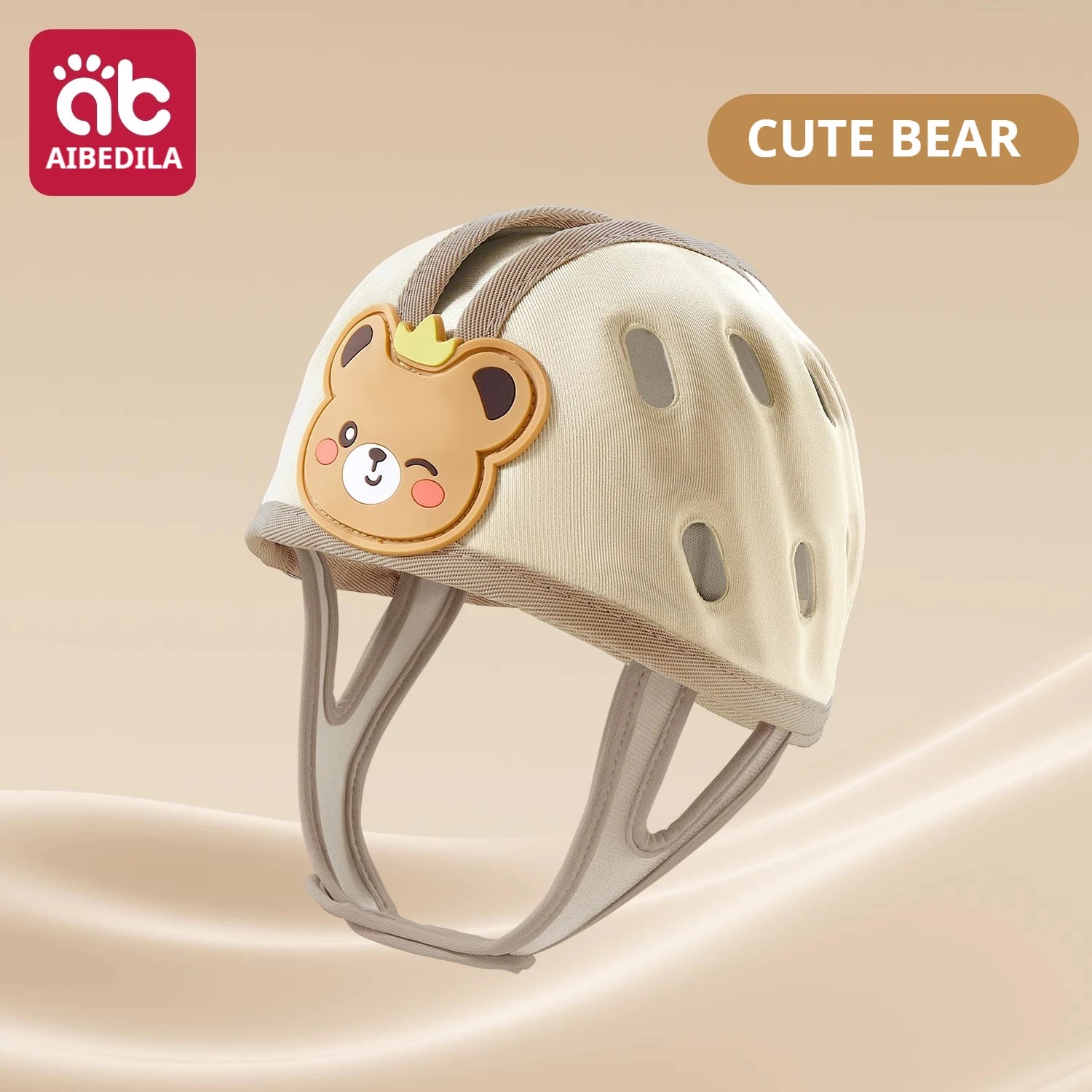
Infant fall prevention with shock absorbing helmet 💡 See it in action
Quick Questions Parents Ask
Can a helmet completely prevent injuries?
No product can eliminate all risk, but a shock absorbing helmet significantly reduces impact force, helping prevent baby head trauma during common household falls.
Will my baby resist wearing it?
Most babies adjust within minutes, especially when the helmet is introduced during play and fitted comfortably.
Is it safe for indoor use?
Yes. These helmets are designed specifically for indoor infant fall prevention and everyday movement practice.
Related Guide: How to Use a Chin Strap Helmet Safely for Your Infant





