

Do dehumidifiers help with musty smell?
Yes. In most cases, small room dehumidifiers help with musty smells by removing the excess moisture that allows mildew, mold, and odor-causing microorganisms to thrive. If you're wondering does a dehumidifier help with musty smell or will a dehumidifier help with smell , the answer is generally yes—provided humidity is the root cause of the odor.
Instead of masking unpleasant odors with air fresheners, a dehumidifier addresses the damp environment that creates them. Used consistently in enclosed spaces, it helps reduce condensation, discourages mold growth, protects furnishings, and restores fresher indoor air.
Small Room Dehumidifiers That Solve Musty Smell Issues
⏱ 7 min read
Musty air can make even the coziest room feel uncomfortable. If you've noticed lingering odors in a bedroom, nursery, bathroom, closet, or apartment corner, excess humidity is often the hidden cause. Small room dehumidifiers quietly maintain healthier moisture levels, helping create fresher air, better comfort, and a more pleasant living environment.
Have you ever cleaned a room thoroughly, only to notice the damp smell returning a few days later? That's often a sign that moisture—not dirt—is the real problem. A compact air moisture remover can help control humidity before it leads to persistent odors.
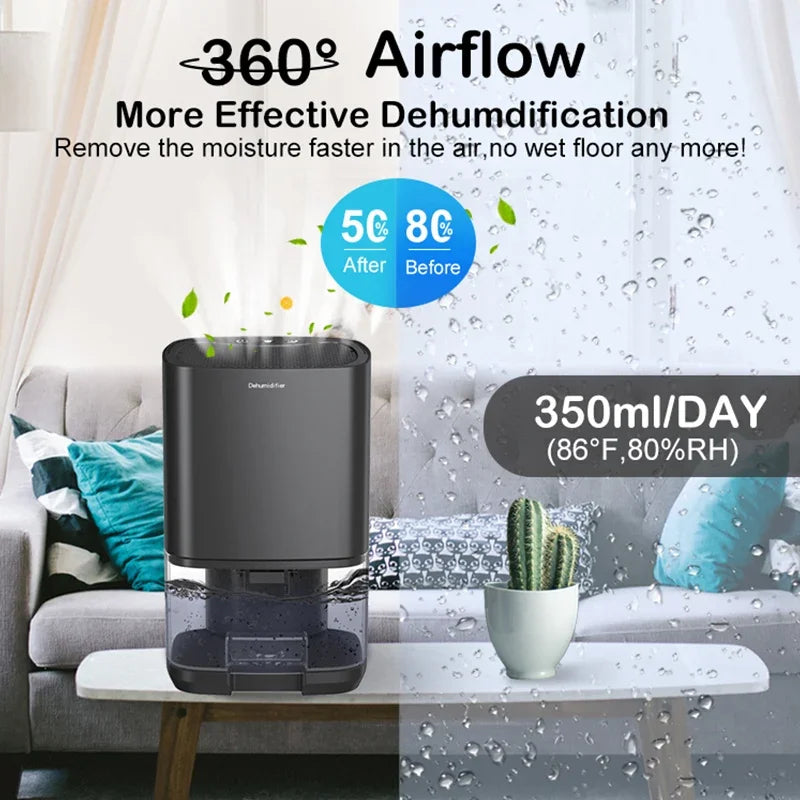
Small room dehumidifiers targeting musty smell in small rooms — See it in action
What Causes Musty Smells in Rooms?
Humidity Levels and Mold Growth Thresholds
Musty odors usually indicate that indoor humidity has stayed too high for too long. When relative humidity consistently rises above 60% , mold, mildew, and bacteria multiply more easily on walls, fabrics, wood, and other porous materials. Keeping humidity between 40% and 50% helps reduce these conditions.
Poor Ventilation and Trapped Moisture
Even everyday activities release moisture into the air:
- Hot showers
- Cooking
- Drying laundry indoors
- Breathing while sleeping
- Frequent cleaning
If fresh air cannot circulate, moisture accumulates and creates the damp environment responsible for the familiar mildew smell.
Common Problem Areas
- Bathrooms without exhaust fans
- Closets with little airflow
- Bedrooms with closed windows
- Small apartments
- Basements and storage rooms
These are the places where a dehumidifier for mildew smell or a compact dehumidifier for stuffy room is often most effective.
How Dehumidifiers Remove Odors (Simple Science)
Moisture Reduction Prevents Mold Growth
Many people ask, does a dehumidifier remove odors? Technically, the unit removes water—not smells directly. By lowering humidity, it removes the conditions that allow odor-producing mold and mildew to grow.
Air Circulation and Condensation Process
A portable air dehumidifier pulls humid air across cooled coils. Water vapor condenses into liquid, collects in the tank, and the drier air returns to the room. Repeating this cycle gradually balances indoor humidity.
Why Odors Fade Over Time
As humidity decreases:
- Mildew growth slows dramatically.
- Surfaces dry more quickly.
- Musty compounds become less noticeable.
- Rooms begin feeling fresher and more comfortable.
Many homeowners also explore additional wellness products from the Health & Safety collection to improve overall indoor comfort.
Explore how a compact air moisture remover works in daily life
Do You Actually Need a Dehumidifier or Something Else?
When Ventilation Alone Is Enough
If humidity only rises briefly after showers or cooking, opening windows or running an exhaust fan may solve the problem.
When Mold Removal Is Required
If visible mold has already spread across walls, ceilings, carpets, or insulation, simply lowering humidity won't eliminate existing contamination. Mold should be cleaned or professionally removed before relying on humidity control.
Signs You Need a Dehumidifier
- Persistent musty smell
- Condensation on windows
- Damp closets
- Peeling paint
- High humidity readings above 60%
- Repeated mildew on fabrics or furniture
When these symptoms appear regularly, a dehumidifier is usually a worthwhile investment.
Best Dehumidifier for Musty Smell
| Need | Recommended Type |
|---|---|
| Small bedrooms or closets | Compact thermoelectric dehumidifier |
| Bathrooms | Portable low-noise model with auto shut-off |
| Basements | Higher-capacity compressor dehumidifier |
| Budget-conscious buyers | Entry-level compact moisture remover |
| Light sleepers | Ultra-quiet bedroom model under 40 dB |
The best choice depends on room size, humidity level, and how frequently moisture builds up rather than simply choosing the largest unit available.
Dehumidifier Buying Guide for Odor Removal
Room Size and Coverage
Always match the unit's recommended coverage area with your room. Oversized spaces require larger-capacity machines to maintain healthy humidity.
Pint Capacity and Moisture Removal Rate
For lightly damp bedrooms or bathrooms, compact models are often sufficient. Areas with persistent moisture may require higher-capacity compressor units.
Noise Level and Energy Efficiency
If the unit runs overnight, choose quieter models designed for bedrooms while also considering energy-efficient operation for daily use.
Drainage Options and Maintenance
Some models require manual tank emptying, while others offer continuous drainage through a hose—especially useful for consistently damp spaces.
How Long Does It Take to Remove Musty Smell?
The timeline depends on humidity, ventilation, and the severity of the odor.
| Condition | Typical Improvement |
|---|---|
| Light musty odor | 24–48 hours |
| Moderate humidity | 2–5 days |
| Long-term damp room | Several weeks with continuous use |
You can speed up results by:
- Keeping doors closed while the unit operates.
- Cleaning visible mildew.
- Improving ventilation.
- Maintaining humidity around 40–50%.
Key Features That Matter for Odor Control
| Feature | Why It Matters |
|---|---|
| Auto Humidity Control | Maintains healthy humidity without constant adjustment. |
| Automatic Shut-Off | Stops operation safely when the water tank is full. |
| Continuous Drainage | Ideal for rooms with persistent moisture. |
| Air Filter | Captures dust while supporting fresher indoor air. |
| Quiet Operation | Suitable for bedrooms, nurseries, and offices. |
| Energy Efficiency | Reduces electricity costs during continuous use. |
Homes focused on healthier living often combine humidity management with wellness products available in Body Care and Health Devices and complementary solutions from Beauty & Wellness .
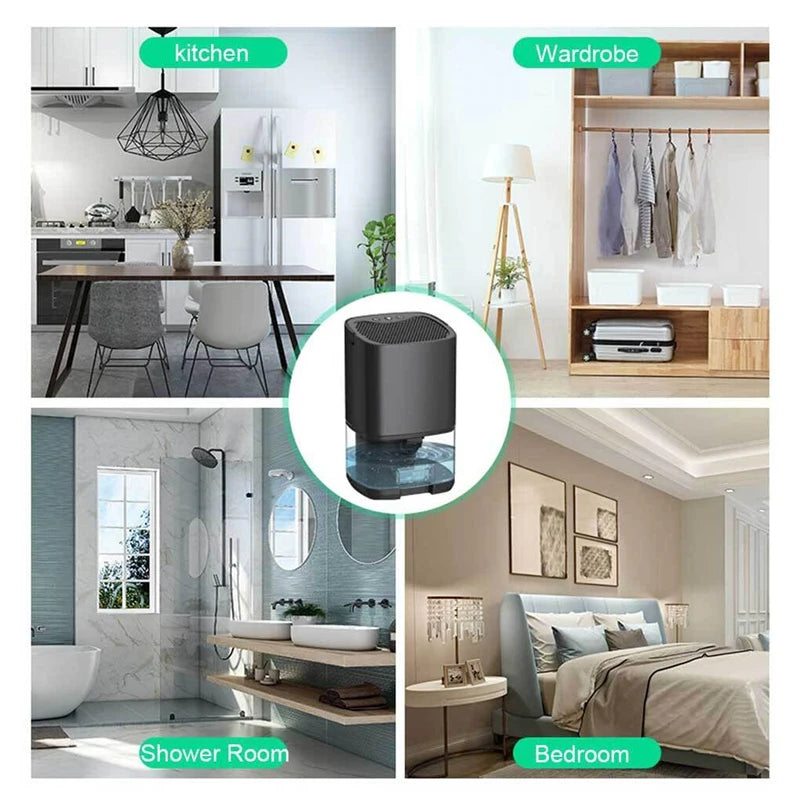
Portable air dehumidifier reducing excess humidity in home spaces — See it in action
Learn how to choose the right small room dehumidifier
Maintenance Tips to Prevent Musty Smells Returning
- Empty and clean the water tank regularly.
- Wash or replace air filters according to the manufacturer's instructions.
- Keep humidity between 40% and 50%.
- Allow fresh air into rooms whenever weather permits.
- Clean visible mold promptly before it spreads.
- Avoid blocking airflow around the dehumidifier.
Routine maintenance helps ensure the appliance continues removing excess moisture efficiently while reducing the likelihood of musty odors returning.
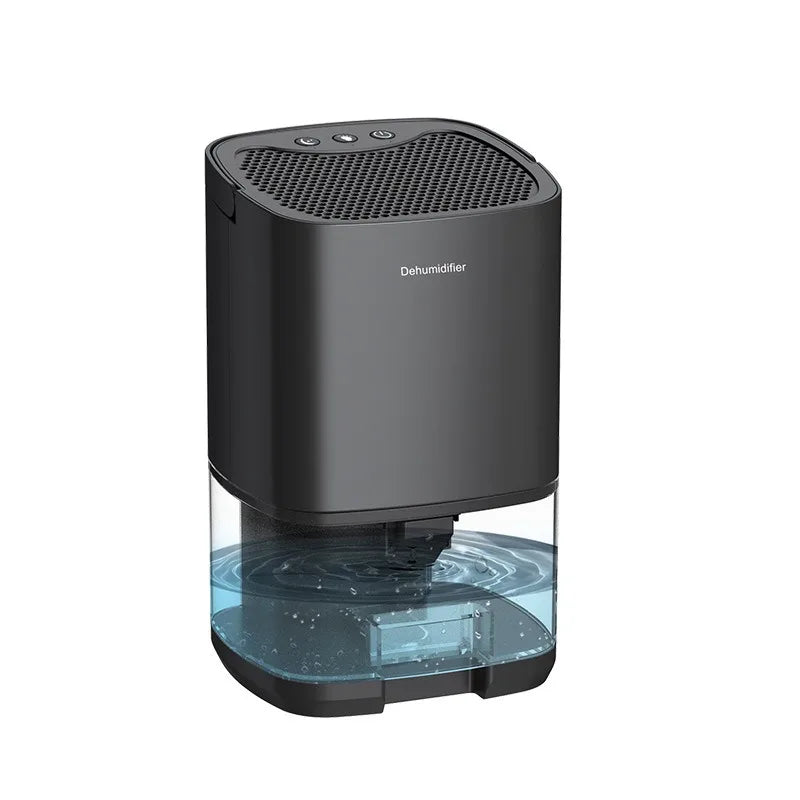
Air moisture remover supporting musty smell solutions — See it in action
Get yours now and enjoy a more comfortable space
Frequently Asked Questions
Do dehumidifiers remove musty smell completely?
They remove the moisture that causes most musty odors. However, if mold has already developed inside walls, carpets, or furniture, additional cleaning or remediation may be necessary before the smell disappears completely.
How long does it take for a dehumidifier to remove odor?
Many people notice improvement within one to three days in mildly damp rooms. Heavily affected spaces can take several weeks of continuous humidity control.
Will a dehumidifier help with mold smell?
Yes. Lower humidity slows mold growth and helps reduce mold-related odors, but it will not remove existing mold colonies. Existing mold should be cleaned first.
What humidity level stops musty smells?
Maintaining indoor relative humidity between 40% and 50% helps discourage mold, mildew, and the damp conditions that produce musty odors.
Do dehumidifiers clean the air or just remove moisture?
Their primary purpose is removing excess moisture. Some models include filters that capture dust and larger airborne particles, but they are not a substitute for dedicated air purifiers.
Is it safe to run a dehumidifier overnight?
Yes. Most modern models are designed for extended operation and include automatic shut-off features when the water tank reaches capacity.
Do dehumidifiers use a lot of electricity?
Compact models generally consume relatively little electricity compared with larger household appliances, making them practical for everyday use.
Pillar Article: Bathroom Dehumidifier Small: Perfect Fit for Moisture-Prone Spaces
Other Related Articles:
Explore More:





