

Does a portable dehumidifier for apartment living really work?
Yes. A portable dehumidifier for apartment living removes excess moisture from enclosed spaces, helping reduce condensation, musty odors, and damp air. In condos and apartments with limited ventilation, the right unit can improve indoor comfort, protect furniture from moisture damage, and maintain healthier humidity levels without requiring permanent installation.
Portable Dehumidifier for Apartment Living Reviewed Side by Side
⏱ 8 min read
Choosing a portable dehumidifier for apartment living isn't just about buying the smallest model. Condo owners and renters need the right balance of coverage area, water removal capacity, quiet operation, drainage options, and energy efficiency. This guide compares the most important features, explains how to size a unit correctly, and helps you choose the best solution for everyday humidity control.
Have you noticed condensation collecting on windows after cooking or a persistent musty smell inside closets? These are common signs that humidity is staying trapped indoors. A properly sized condo dehumidifier can make a noticeable difference by keeping moisture within the recommended indoor range of roughly 30% to 50% relative humidity.
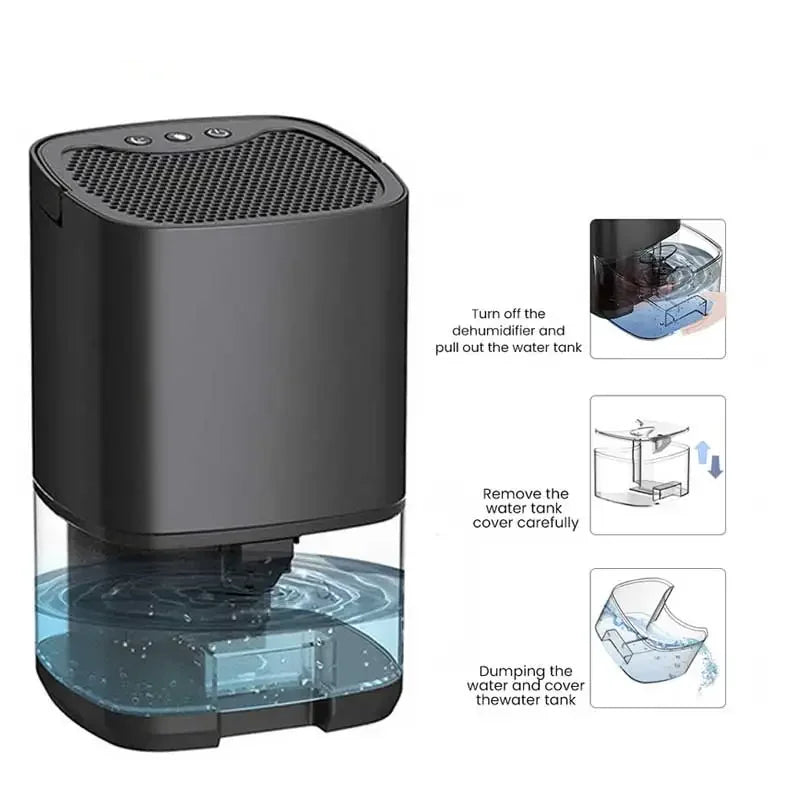
Portable dehumidifier for apartment comfort tackling everyday moisture issues. See it in action.
Best Dehumidifiers for Condos: Top Picks Compared
Quick comparison table: coverage, capacity, noise, drainage, and efficiency
| Type | Best For | Coverage | Noise | Drainage | Energy Use |
|---|---|---|---|---|---|
| Compact portable unit | Bedrooms, closets, bathrooms | Small rooms | Very quiet | Tank | Low |
| Mid-size compressor model | 1-bedroom apartment | Living areas | Moderate | Tank or continuous drain | Efficient |
| Large-capacity compressor | Large condo with persistent humidity | Multiple connected rooms | Moderate | Continuous drainage preferred | Higher |
| Desiccant model | Cooler climates | Small to medium rooms | Quiet | Tank | Moderate |
Best overall condo dehumidifier
A mid-size compressor-based dehumidifier offers the best balance for most condos. It removes moisture efficiently, supports automatic humidity control, and often includes continuous drainage for less maintenance.
Best compact dehumidifier for a small condo or 1 bedroom apartment
Compact portable models work well in bedrooms, bathrooms, and studio apartments where floor space is limited. They are lightweight, easy to relocate, and typically consume less electricity.
Best quiet dehumidifier for bedrooms and living rooms
Quiet models with low-speed fan settings are ideal for overnight use or shared-wall apartments where minimizing background noise is important.
Looking for a renter-friendly solution? Explore the portable air dehumidifier designed for flexible apartment living.
Does a Dehumidifier Work Well in a Condo?
Yes. A dehumidifier works particularly well in condos because these homes often have limited natural airflow, sealed windows, shared walls, and compact layouts that allow moisture to accumulate more quickly than in detached homes.
Signs your condo needs a dehumidifier
- Condensation regularly forms on windows.
- Closets develop musty odors.
- Bathrooms remain damp for hours after showers.
- Indoor laundry dries slowly.
- You notice mildew around windows or corners.
- The air feels sticky even when temperatures are comfortable.
For families, reducing excess moisture also helps create a more comfortable indoor environment. Many renters complement moisture control with products from Health & Safety .
How to Choose the Right Dehumidifier Size for a Condo
Selecting the correct apartment size dehumidifier is more important than choosing the largest available model. A unit that's too small may run constantly without reducing humidity, while an oversized model can consume more electricity than necessary.
Dehumidifier sizing chart by square footage
| Condo Size | Recommended Unit |
|---|---|
| Up to 300 sq ft | Compact portable model |
| 300–700 sq ft | Medium-capacity portable unit |
| 700–1,000 sq ft | Higher-capacity compressor model |
| Over 1,000 sq ft | Large-capacity unit with continuous drainage |
Small condo vs large condo capacity guide
A best dehumidifier for a 1 bedroom apartment typically prioritizes quiet operation and efficient moisture removal rather than maximum capacity. Larger condos often benefit from continuous drainage, especially if humidity remains consistently high.
Compressor vs Desiccant Dehumidifiers: Which Is Better for Condos?
Best option for warm humid climates
Compressor dehumidifiers are generally the most efficient choice for warm, humid apartments. They remove large amounts of moisture while maintaining reasonable operating costs.
When a desiccant model makes sense
Desiccant dehumidifiers perform better in cooler environments where compressor units become less efficient. They are also known for quieter operation, making them suitable for bedrooms or home offices.
| Feature | Compressor | Desiccant |
|---|---|---|
| Warm climates | Excellent | Good |
| Cool temperatures | Average | Excellent |
| Noise | Moderate | Usually quieter |
| Energy efficiency | Very good in humid weather | Varies by conditions |
Key Features Condo Owners Should Look For
Automatic humidity control and smart settings
Look for adjustable humidity targets, automatic restart after power interruptions, timer functions, and multiple fan speeds. These features help maintain consistent comfort without constant manual adjustments.
Continuous drainage and tank options
If your condo allows access to a nearby drain, continuous drainage minimizes maintenance. Otherwise, choose a model with auto shutoff and an easy-to-remove water tank.
ENERGY STAR efficiency and operating costs
Energy-efficient models reduce electricity use during continuous operation. For apartments that require daily humidity control, efficient operation can make a noticeable difference over time.
Many renters also improve overall comfort with products from Sleep & Comfort and Beauty & Wellness .
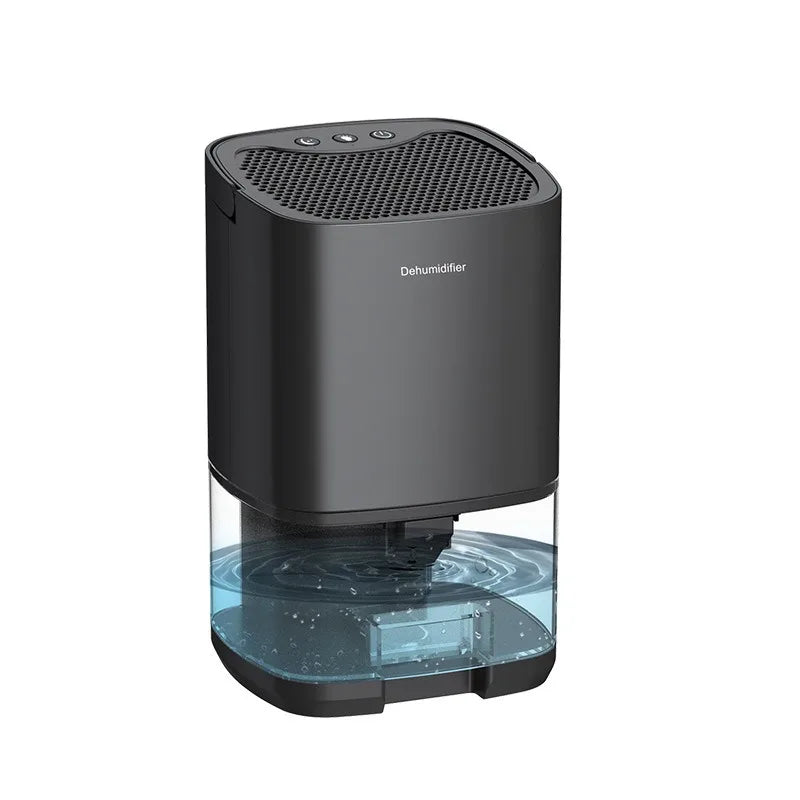
Simple controls help maintain comfortable humidity throughout the apartment. See it in action.
Where to Place a Dehumidifier in a Condo
Living room placement tips
- Keep several inches of clearance around air intakes.
- Avoid placing the unit directly against walls or furniture.
- Position it near the center of the room whenever possible.
Bedroom and bathroom placement tips
- Run the unit in bedrooms overnight using low fan speed if quiet operation is available.
- Place it outside the shower area while allowing airflow from the bathroom.
- Move portable units between moisture-prone rooms as needed.
- Closets and laundry areas often benefit from occasional targeted use.
Noise, Energy Use, and Maintenance Considerations
Choosing a quiet condo-friendly model
Noise becomes more noticeable in studios and apartments with open floor plans. Models offering sleep mode, variable fan speeds, and lower operating decibel ratings provide greater comfort during daily use.
Cleaning filters and preventing mold buildup
- Clean reusable air filters according to the manufacturer's schedule.
- Empty and rinse the water tank regularly.
- Keep air vents free from dust.
- Allow the tank to dry before long-term storage.
Many homeowners also combine moisture control with efficient routines and products from Smart Baby Gadgets to simplify everyday home management.
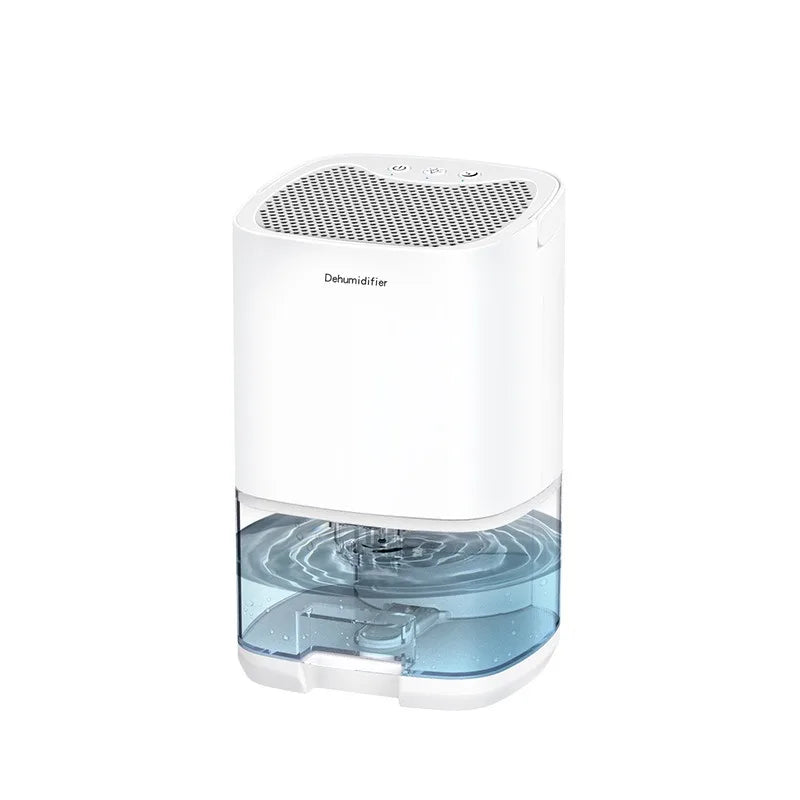
Compact apartment humidity control designed for everyday convenience. See it in action.
Quick FAQ
What humidity level should a condo maintain?
Most condos stay comfortable between 30% and 50% relative humidity. Maintaining this range helps reduce condensation, odors, and mold growth while avoiding overly dry indoor air.
Do I need a dehumidifier in my condo year-round?
Not always. Many owners use one seasonally during humid months, while others operate it year-round if their condo has persistent moisture or limited ventilation.
Can one dehumidifier cover multiple rooms?
Yes, if the unit is appropriately sized and rooms have open airflow. Portable models can also be moved between rooms that experience the highest humidity.
How often should I empty a condo dehumidifier?
Depending on humidity levels and tank size, many users empty the reservoir every one to three days. Continuous drainage can eliminate this task.
Is it safe to run a dehumidifier overnight?
Yes. Models with automatic humidity control, auto shutoff, and quiet operating modes are commonly used overnight in bedrooms.
Pillar Article: Best Compact Dehumidifier Picks Compared for Small Homes
Other Related Articles:
- Compact Dehumidifier for Bathroom Reviews That Cut Condensation
- Small Room Dehumidifier Reviews That Actually Reduce Dampness
- Mini Bathroom Dehumidifier Comparisons for Mold Prevention
- Quiet Dehumidifier for Bedroom Options Ranked by Noise Level
Explore More:





