

Does infant wearing helmet really help babies stay safe and comfortable?
Infant wearing helmet solutions work best when fit, airflow, and materials are handled correctly. A well-adjusted infant soft helmet with breathable infant headgear design and a secure helmet with strap helps reduce pressure points, manage heat, and support longer wear time while protecting a baby’s head during daily movement.
Step-by-Step Guide to Infant Wearing Helmet Comfortably
⏱ 7 min read
If your baby cries, sweats, or constantly tries to pull off their helmet, you’re not alone. Infant wearing helmet routines can feel stressful, confusing, and emotionally draining for parents who just want to protect their child without discomfort. The good news? Small, practical adjustments can dramatically improve comfort, airflow, and acceptance—often within days.
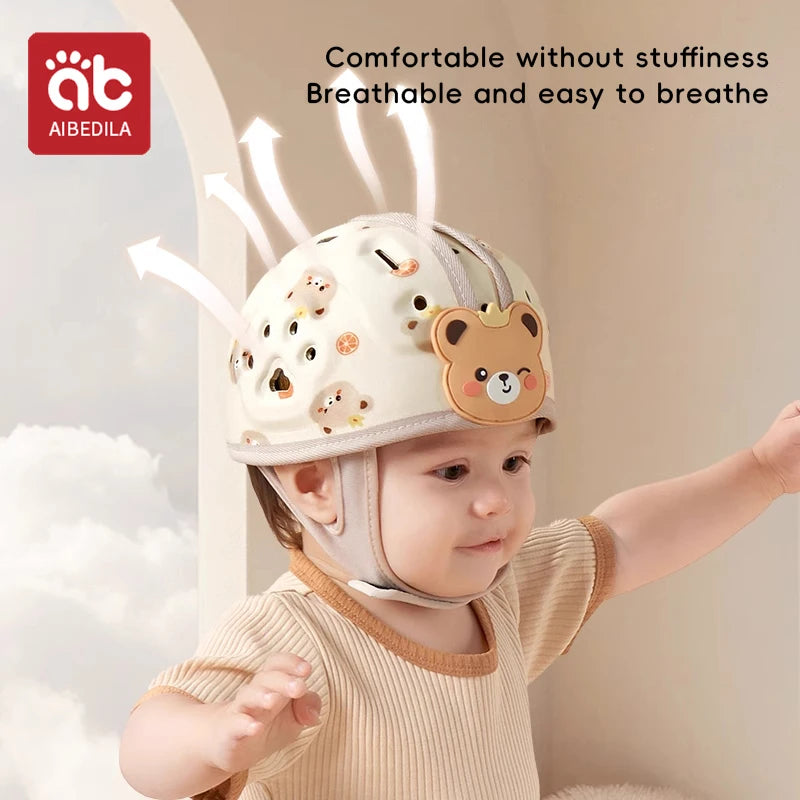
Breathable infant headgear designed for infant wearing helmet comfort 💡 See it in action
Why Comfort Matters for Infant Wearing Helmet
Infant wearing helmet comfort isn’t just about stopping tears—it directly affects safety, wear time, and developmental benefits. When a helmet fits poorly, babies resist it, parents shorten wear sessions, and protection becomes inconsistent.
- Pressure points can cause redness and soreness
- Poor airflow increases heat and sweating
- Loose straps reduce protection during movement
- Over-tight helmets limit natural head motion
Comfort-first design allows your baby to move, play, and rest naturally while staying protected—especially during crawling and early walking stages. Many parents browsing Health & Safety collections look for this exact balance.
How to Choose the Right Infant Helmet for Daily Wear
Infant wearing helmet success starts with choosing the right structure and materials. Not all helmets are built for extended daily use.
Key Features That Improve Comfort Immediately
- Breathable infant headgear: Ventilation holes and mesh padding help release heat
- Infant soft helmet lining: Cushioned interiors protect sensitive skin
- Helmet with strap: Adjustable straps prevent shifting without squeezing
- Lightweight design: Reduces neck strain during long wear
Helmets designed for everyday protection—not rigid medical-only models—are often found alongside baby-proofing tools in Baby Care Essentials.
Step-by-Step: Fitting an Infant Helmet Correctly
Infant wearing helmet comfort depends heavily on proper fit. Even a high-quality helmet won’t work if adjusted incorrectly.
How should an infant wearing helmet be adjusted?
Infant wearing helmet comfort improves when the helmet sits level above the eyebrows, allows two fingers under the strap, and stays secure during movement. Proper adjustment prevents pressure buildup while maintaining consistent head protection during crawling, sitting, and early walking stages.
- Position the helmet level: The front edge should sit about one finger above the eyebrows.
- Adjust the helmet with strap: Snug, not tight—two fingers should fit under the chin strap.
- Check side stability: Gently rotate the helmet; it should not slide freely.
- Observe for red marks: Mild pinkness fades quickly; deep marks mean readjustment is needed.
Parents often practice fitting during calm moments—like after feeding or before nap time—using routines learned from Baby Care Tips & Advice.
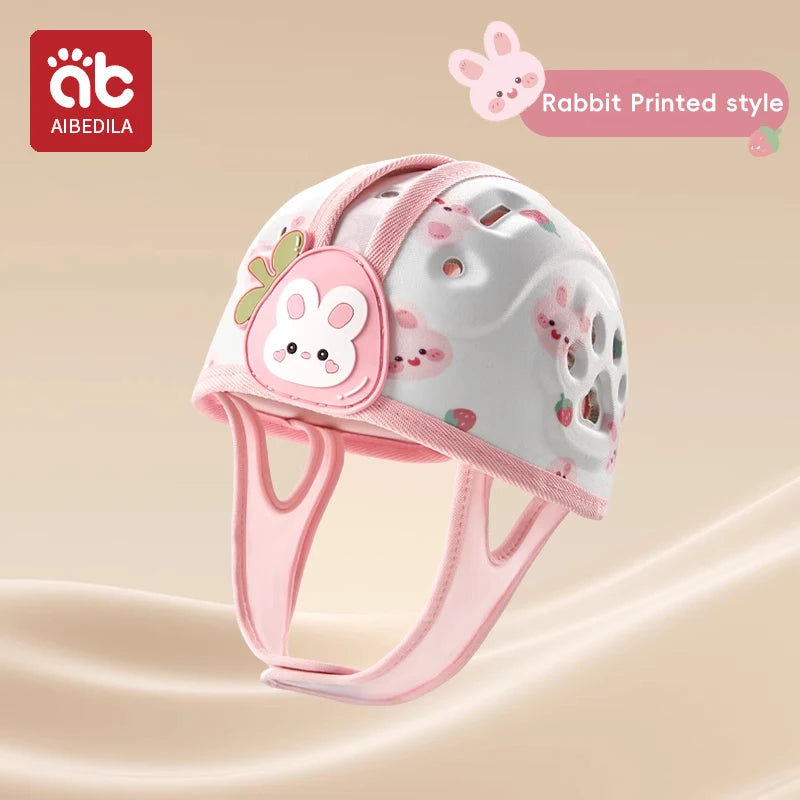
Proper helmet with strap fit supports infant wearing helmet routines 💡 See it in action
Daily Tips to Reduce Fussiness During Helmet Time
Once the helmet fits well, small daily habits make infant wearing helmet routines smoother and more accepted.
- Start with short wear sessions and gradually extend time
- Pair helmet use with play or favorite toys
- Check temperature regularly to prevent overheating
- Remove helmet briefly during calm breaks if needed
Many parents combine helmet time with tummy play or supported standing using items from Mobility & Training to create positive associations.
Common Infant Helmet Mistakes Parents Make
Even caring parents can unintentionally reduce comfort by following common myths.
| ❌ Mistake | ✅ Better Approach |
|---|---|
| Tightening straps to stop movement | Adjust fit while maintaining airflow |
| Ignoring sweat buildup | Choose breathable infant headgear |
| Skipping daily skin checks | Inspect contact areas after wear |
| Using helmet only during activity | Build consistent, predictable routines |
What Real Parents Notice After Improving Helmet Comfort
Parents who adjust fit and materials often report noticeable changes within the first week:
- Longer wear time without crying
- Less sweating and redness
- Improved sleep during naps
- More confident crawling and walking attempts
Many families pair helmet routines with calming techniques found in Sleep & Comfort collections to create a smoother daily rhythm.
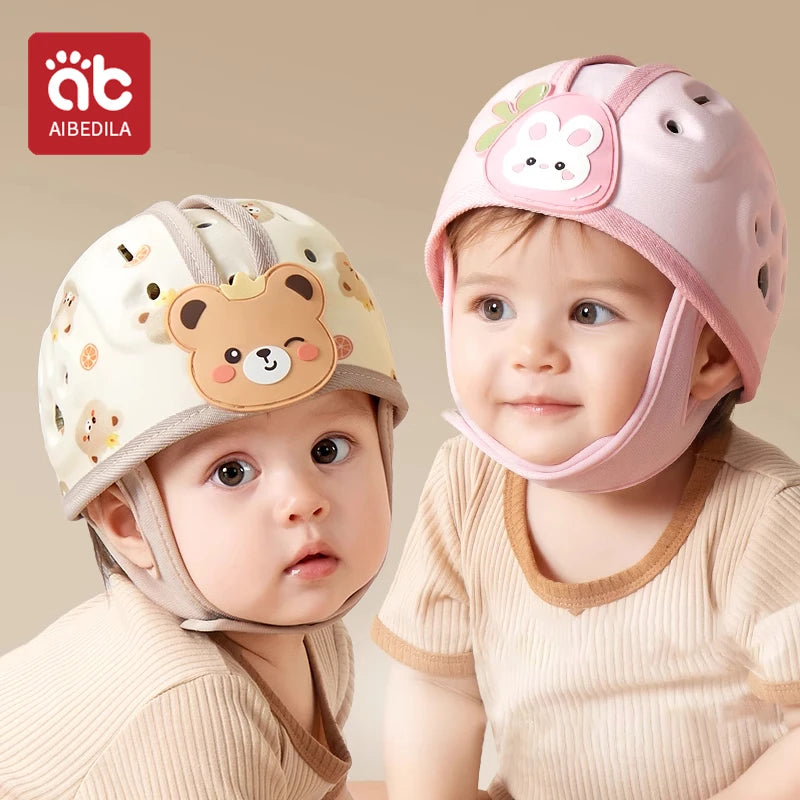
Infant soft helmet comfort supports safer movement 💡 See it in action
A Simple Option Many Parents Choose
For families seeking everyday head protection, a lightweight option like the toddler head protector baby safety helmet offers breathable padding, adjustable straps, and soft interior materials designed for infant wearing helmet comfort during active play.
Quick Questions Parents Ask
How long should an infant wear a helmet each day?
Most infants start with short sessions and gradually increase wear time based on comfort, activity level, and guidance from care professionals.
Can a helmet cause overheating?
Breathable infant headgear with ventilation significantly reduces heat buildup when properly fitted and monitored.
When should I stop helmet use?
Helmet use typically decreases as balance, coordination, and environmental safety improve during later developmental stages.
Related Guide: How to Use a Chin Strap Helmet Safely for Your Infant





