

What are the best tips for safe crawling for babies?
Tips for safe crawling focus on creating a low-risk environment that supports confident movement. Using the right infant safety items, improving crawling safety with soft surfaces, and removing common fall hazards at home can significantly reduce bumps and injuries while helping babies build strength, balance, and independence during playtime.
Tips for Safe Crawling with Infant Playtime Safety Gear
⏱ 7 min read
Tips for safe crawling can turn everyday floor time into a smarter, safer adventure for curious babies. From choosing the right infant safety items to understanding crawling safety basics, small changes can dramatically reduce common fall hazards at home. Many parents overlook simple fixes that protect knees, heads, and confidence while supporting healthy movement. Want to know which safety upgrades matter most and which are just noise?
Which areas of your home feel safest for your baby right now? Many parents are surprised when they start looking at the floor from a crawler’s point of view.
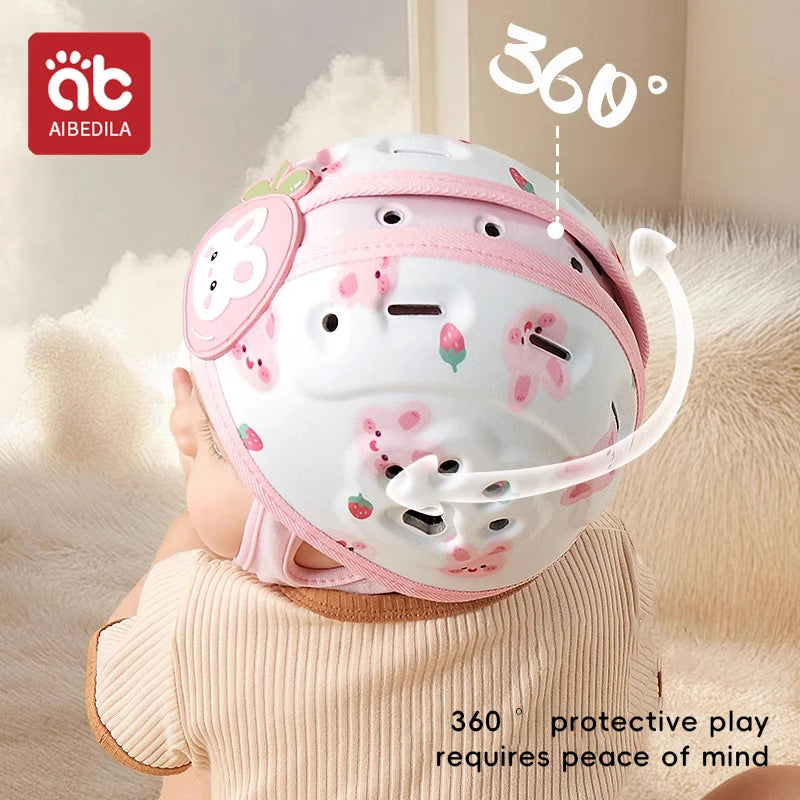
Tips for safe crawling start with smart infant safety items that reduce fall hazards at home 💡 See it in action
Why Crawling Safety Matters Early
Crawling is often a baby’s first taste of independence. During this stage, balance is unsteady, reactions are slow, and curiosity leads straight toward furniture edges and uneven flooring.
Without proper crawling safety, minor slips can turn into scary bumps. The goal isn’t to restrict movement, but to guide it safely so babies feel confident exploring their space.
Essential Tips for Safe Crawling Every Parent Should Know
Tips for safe crawling begin with understanding how babies move and fall. Small adjustments can lower risk while still encouraging active play.
Tips for safe crawling focus on cushioning impact, improving traction, and protecting sensitive areas like the head and knees. When these basics are in place, babies can explore freely with fewer interruptions and tears.
- Use non-slip mats or foam tiles to prevent sliding.
- Cover hard edges near floor level.
- Remove unstable furniture within reach.
- Add soft protective gear during active play.
Room-by-Room Crawling Safety at Home
Living Room: Managing Open Spaces
The living room often has the most fall hazards at home. Coffee tables, TV stands, and rugs can all cause sudden stops.
Secure loose rugs, pad sharp corners, and keep pathways clear. Products found in Health & Safety collections are designed to minimize impact without cluttering your space.
Bedroom: Soft but Still Risky
Beds and dressers can seem harmless, but rolling into bed frames or drawers can cause head bumps.
Place cushioned mats beside beds and use low-profile storage. Consider soft head protection during playtime, especially for new crawlers.
Kitchen: High-Risk Crawling Zone
Kitchens combine hard floors with heavy cabinets. Even supervised crawling can lead to slips.
Limit access during cooking and redirect play to safer zones equipped with items from Baby Care Essentials.
Choosing the Right Infant Safety Items for Playtime
Not all infant safety items offer the same protection. The best options support movement instead of restricting it.
| Item Type | Benefit | Best Use |
|---|---|---|
| Foam play mats | Shock absorption | Hard floors |
| Soft head protectors | Head impact reduction | Early crawlers |
| Sensory toys | Encourage safe movement | Guided play zones |
Explore movement-friendly options in Mobility & Training and Sensory Toys to keep babies engaged and protected.
One popular solution parents rely on during active crawling is a lightweight head protector designed to cushion backward falls without limiting motion. You can view an example here.
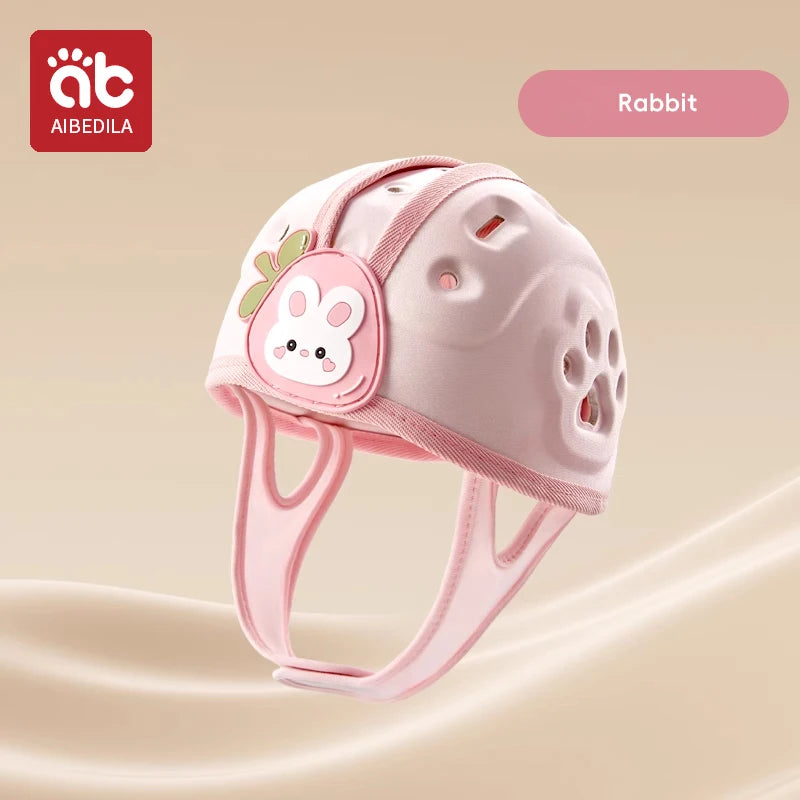
Infant safety items designed for crawling safety help reduce fall hazards at home 💡 See it in action
Step-by-Step: How to Set Up a Safe Crawling Zone
Creating a safe crawling area doesn’t require a full home makeover. Follow these steps to get started.
- Clear the floor of small objects and cords.
- Lay down cushioned, non-slip mats.
- Pad nearby furniture edges.
- Introduce protective gear for confident exploration.
Parents often combine floor protection with wearable safety items to cover unpredictable tumbles, especially during the first weeks of crawling.
Common Crawling Safety Mistakes to Avoid
- Relying only on supervision without physical protection.
- Using slippery blankets instead of grip mats.
- Overcrowding play areas with too many toys.
- Ignoring head protection during early crawling stages.
Simple adjustments prevent repeated falls and help babies stay focused on learning, not recovering from bumps.
What Real Parents Notice After Improving Crawling Safety
Parents report fewer interruptions during play, less fear of sudden falls, and more confident movement once crawling safety is improved.
Many notice their babies attempt longer crawls and transitions sooner when the environment feels forgiving and secure.
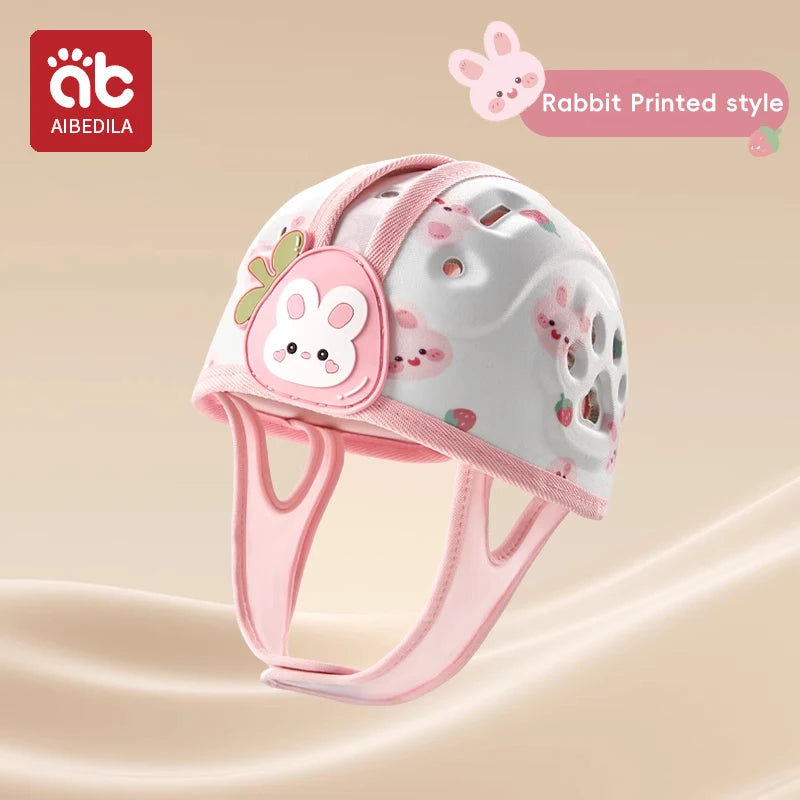
Safe baby crawling setups reduce fall hazards at home while building confidence 💡 See it in action
Frequently Asked Questions
When should parents start focusing on crawling safety?
Parents should start preparing for crawling safety as soon as babies begin rolling or scooting. Early preparation reduces fall hazards at home before full crawling begins.
Do infant safety items limit movement?
Quality infant safety items are designed to support natural movement. They protect without restricting crawling, rolling, or sitting transitions.
Is head protection necessary for crawling babies?
Head protection is especially helpful for new crawlers who fall backward often. It reduces impact while babies learn balance and coordination.
Related Guide: How to Use a Chin Strap Helmet Safely for Your Infant





