

What makes a car seat unsafe?
An unsafe car seat is one that is incorrectly installed, poorly adjusted, expired, damaged, or mismatched to a child’s size. Even high-quality seats can become unsafe if infant car seat safety guidelines are skipped, straps are loose, or caregivers lack a clear back seat view to monitor breathing, posture, and movement.
Unsafe Car Seat Risks: How to Spot Dangers Before Driving
⏱ 8 min read
An unsafe car seat can look perfectly secure while hiding risks that only show up in sudden stops or minor collisions. Many parents follow instructions once, then assume everything stays safe forever. But babies grow fast, straps shift, and daily routines introduce small mistakes. Are you confident your setup is still protecting your child every single ride?
The reassuring truth is that most unsafe car seat risks are preventable. By learning where problems usually start—and how to catch them early—you can protect your baby without stress or guesswork.
Explore a simple way to maintain a clear back seat view and react faster when something looks off.
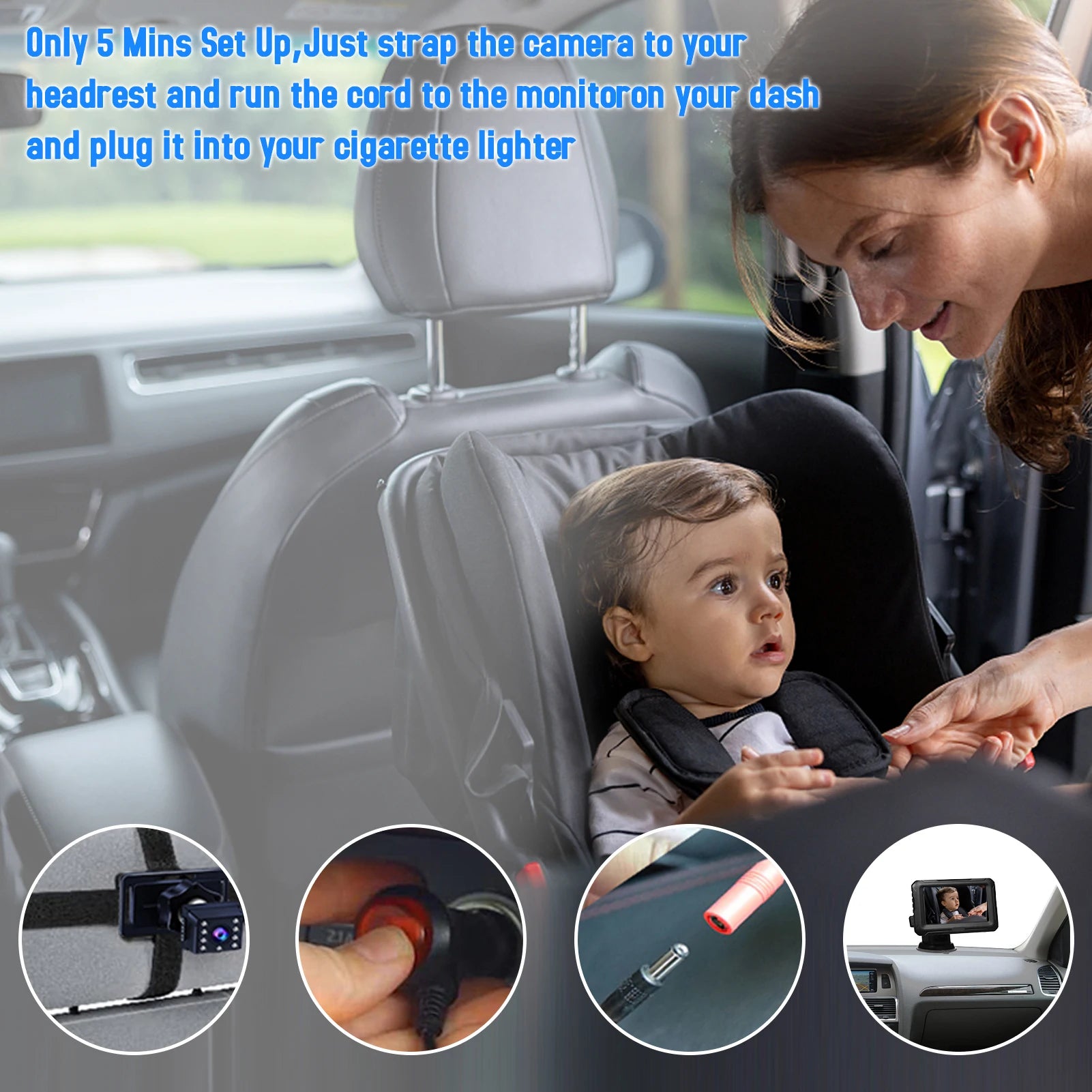
Unsafe car seat risks often hide in plain sight — infant car seat safety guidelines help reveal what to fix 💡 See it in action
Common unsafe car seat risks parents overlook
An unsafe car seat is rarely caused by one big error. It’s usually a collection of small oversights that add up over time. Parents juggling schedules, crying babies, and daily errands often miss these warning signs.
- Loose harness straps after growth spurts
- Chest clip sitting too low or too high
- Seat shifting more than one inch at the base
- Bulky clothing creating hidden slack
- Expired or second-hand seats with unknown history
Each issue alone may seem minor, but together they reduce how well the seat protects your baby during sudden braking or impact.
Installation mistakes that quietly compromise safety
An unsafe car seat often starts with rushed or incorrect installation. Even trusted brands require precise setup to perform as designed.
Why correct installation changes everything
Crash tests show that improperly installed seats can rotate, tilt, or loosen under force. This is why following infant car seat safety guidelines step by step matters more than how advanced the seat looks.
Common Safety 1st infant car seat installation errors
A Safety 1st infant car seat installation mistake doesn’t mean neglect—it usually means unclear instructions or skipped checks.
- Using both LATCH and seatbelt when only one is allowed
- Incorrect recline angle causing head slump
- Anchors attached to the wrong points
- Skipping the post-installation movement test
After installation, the seat should not move more than one inch side-to-side or front-to-back at the base.
Browse Health & Safety resources that support safer daily routines for parents.
Why fit and adjustment matter more than price
Even premium models become an unsafe car seat when fit is ignored. Babies outgrow settings faster than many parents realize.
Harness height and tension explained simply
Harness straps should lie flat, pass the pinch test, and sit at or below shoulders for rear-facing infants. Twisted or loose straps reduce crash-force distribution.
Chest clip placement mistakes
The chest clip should align with armpit level. Too low allows ejection risk; too high presses on the neck.
These adjustments take less than a minute but dramatically change protection during impact.
How limited back seat view delays response
Many unsafe car seat situations aren’t about installation at all—they’re about awareness. When you can’t clearly see your baby, problems go unnoticed.
Why visibility affects safety
A poor back seat view delays reaction to:
- Slumped posture restricting breathing
- Straps twisted after movement
- Loose clips from wiggling hands
- Signs of discomfort or distress
Being able to glance and confirm positioning helps prevent small issues from becoming serious ones.
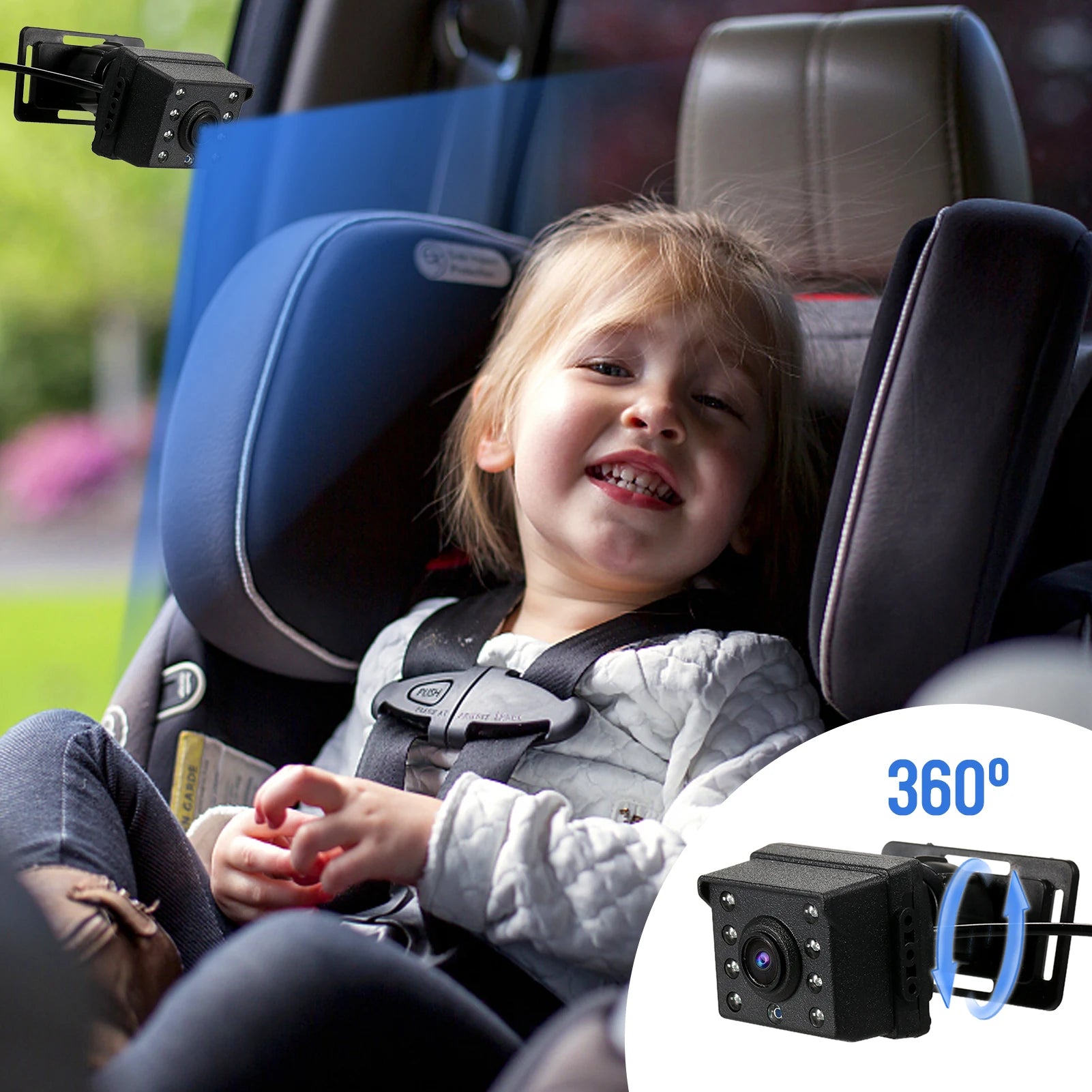
Maintaining a clear back seat view helps detect unsafe car seat positioning early 💡 See it in action
Quick comparison: safe vs unsafe signs
| Safe Setup | Unsafe Setup |
|---|---|
| Seat moves less than 1 inch | Seat shifts or tilts easily |
| Harness snug, pinch test passes | Loose or twisted straps |
| Chest clip at armpit level | Clip on belly or neck |
| Baby visible at a glance | Blind spots in back seat view |
A simple pre-drive safety check that takes 60 seconds
Before pulling out of the driveway, run through this quick routine to avoid an unsafe car seat situation:
- Press at the base to confirm minimal movement
- Check harness tension and chest clip height
- Remove bulky layers if needed
- Confirm recline indicator is within range
- Glance back to ensure clear back seat view
Consistency matters more than perfection. This habit builds confidence and peace of mind.
See how a dedicated rear view baby car monitor helps parents spot unsafe car seat issues instantly.
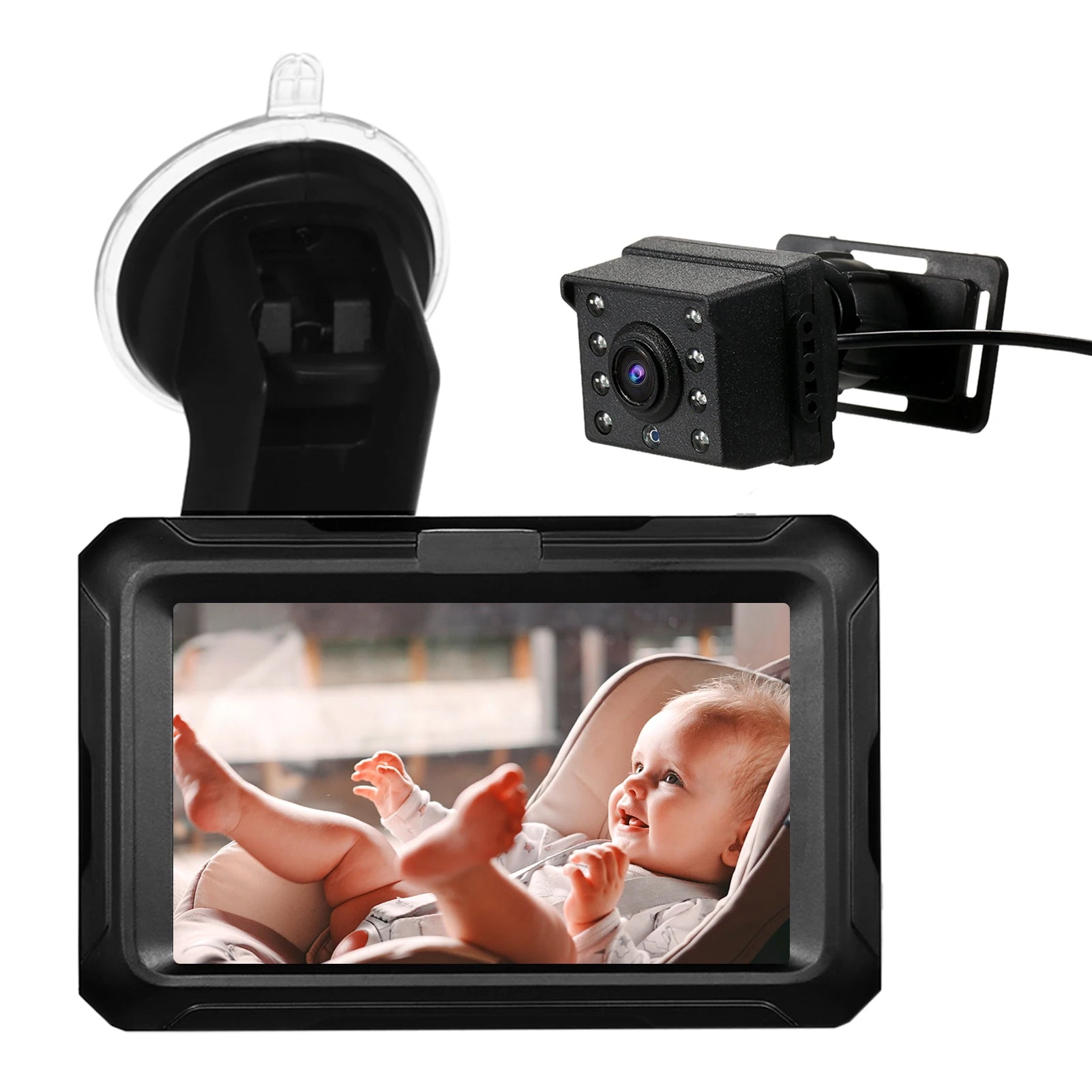
Early detection reduces unsafe car seat risks — safety 1st infant car seat installation paired with better visibility 💡 See it in action
Frequently asked questions
How do I know if my car seat is unsafe?
An unsafe car seat often shows warning signs like excessive movement at the base, loose harness straps, incorrect chest clip placement, or poor visibility of your baby. Regular checks using infant car seat safety guidelines help catch these issues before driving.
Can a correctly installed seat become unsafe over time?
Yes. Growth, daily use, temperature changes, and repositioning can loosen straps or shift angles. A seat that was once secure can become unsafe without routine rechecks.
Does better back seat view really improve safety?
Clear visibility allows faster response to posture changes, strap issues, or discomfort. While it doesn’t replace correct installation, it helps prevent small problems from escalating during a drive.
Related Guide: Infant Car Seat Safety Tips: Top Seats Compared for 2025





