

Air Travel With Infant Tips: The Complete 2026 First-Time Parent Guide
Flying with a baby for the first time can feel overwhelming. Parents often worry about airport security, feeding schedules, naps, ear pressure, crying, packing mistakes, and travel safety. The good news is that successful infant travel rarely depends on luck. It comes from planning ahead, packing strategically, understanding airline procedures, and creating a flexible routine that works from departure day through arrival. This comprehensive guide covers every stage of the journey, including how to travel with a newborn safely, flying with a baby airplane tips, airport navigation, infant sleep strategies, travel safety recommendations, and a complete baby travel packing checklist essentials framework designed for first-time parents.
Air Travel With an Infant: What First-Time Parents Need to Know

Air travel with an infant is generally manageable when parents prepare in advance. Most travel challenges can be reduced by choosing appropriate flight times, packing enough supplies, understanding airline policies, and maintaining realistic expectations.
Can Babies Fly Safely?
Most healthy babies can travel by air safely. Parents should discuss travel plans with their pediatrician, especially for newborns, premature infants, or babies with respiratory concerns. Cabin pressure changes, exposure to crowds, and disrupted schedules are the most common concerns, but they can usually be managed with proper preparation.
The Biggest Challenges Parents Face During Flights
- Maintaining feeding schedules
- Managing naps and sleep disruptions
- Handling ear pressure during takeoff and landing
- Transporting baby gear efficiently
- Keeping infants comfortable during delays
- Packing enough supplies without overpacking
The 2026 Infant Air Travel Checklist at a Glance
- Confirm airline infant policies
- Prepare travel documents
- Select seats strategically
- Pack carry-on essentials
- Create feeding and sleep plans
- Arrive early at the airport
- Prepare backup supplies for delays
Is Your Baby Ready to Fly? Age-Based Air Travel Recommendations

Newborns (0–2 Months): Considerations Before Booking
Newborn travel requires extra planning. Feeding frequency is high, immune systems are still developing, and routines may be unpredictable. Parents should consider travel necessity carefully and discuss plans with healthcare professionals.
Young Infants (2–6 Months): What Gets Easier
Many parents find this stage easier for flying. Babies often sleep more, remain less mobile, and can be soothed through feeding and holding. Travel logistics become more predictable.
Older Babies (6–12 Months): Mobility and Entertainment Challenges
As babies become more active, they may have difficulty sitting still for extended periods. Parents should pack age-appropriate toys, snacks, and activities to maintain engagement.
Infant Flight Readiness Matrix by Age
| Age | Travel Difficulty | Main Concern | Primary Focus |
| 0-2 Months | Moderate | Immune protection | Medical readiness |
| 2-6 Months | Lower | Routine maintenance | Feeding and sleep |
| 6-12 Months | Higher | Mobility | Entertainment |
Flight Planning Timeline: What to Do Before Departure

4–8 Weeks Before Travel
- Research airline infant policies
- Reserve preferred seating
- Review passport requirements
- Evaluate travel insurance options
- Create a preliminary packing checklist
2 Weeks Before Travel
- Confirm reservations
- Review baggage allowances
- Organize feeding supplies
- Check stroller and car seat condition
48 Hours Before Departure
- Complete online check-in if available
- Charge devices
- Prepare diaper bag
- Confirm transportation to the airport
Night Before Your Flight
- Pack documents
- Lay out travel clothing
- Prepare bottles and feeding supplies
- Review weather forecasts
Parents building a complete travel system can also explore helpful family resources in the Baby Care Tips & Advice section and practical parenting guidance within the Mom Essentials Guide.
Infant Travel Documents for Domestic and International Flights

Domestic Flight Identification Requirements
Requirements vary by airline and destination. Parents should verify current policies before departure. Some airlines may request proof of age for lap infants.
International Travel Documentation Requirements
International travel typically requires a passport for infants. Additional documentation may be necessary depending on the destination and family circumstances.
How Boarding and Infant Verification Typically Works
Families are often offered early boarding. Airline staff may verify infant age and travel documents before boarding begins.
Document Checklist Parents Should Carry
- Passport if required
- Birth certificate copy
- Boarding passes
- Emergency contacts
- Medical information
- Insurance details
Choosing the Best Airline Seats When Flying With a Baby
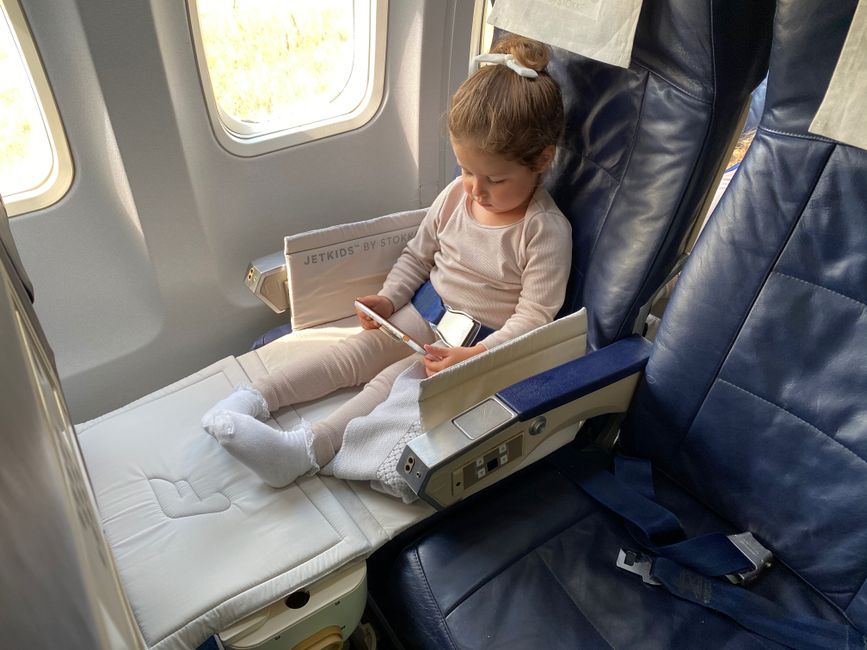
Lap Infant vs Purchased Seat
A lap infant arrangement may reduce costs, while purchasing a seat can provide additional space and flexibility. Families should balance budget, flight duration, and comfort needs.
Window, Middle, and Aisle Seat Pros and Cons
| Seat Type | Advantages | Disadvantages |
| Window | Privacy | Harder bathroom access |
| Aisle | Easy movement | More interruptions |
| Middle | Sometimes cheaper | Limited space |
Bulkhead Rows and Bassinet Seat Availability
Long-haul routes sometimes offer bassinet positions in bulkhead rows. Availability is limited and should be requested as early as possible.
Airline Seat Selection Matrix for Parents
| Flight Length | Recommended Choice |
| Under 2 Hours | Lap infant often sufficient |
| 2-5 Hours | Depends on budget and age |
| 5+ Hours | Purchased seat strongly considered |
Airport Workflow Checklist: From Parking Lot to Boarding Gate
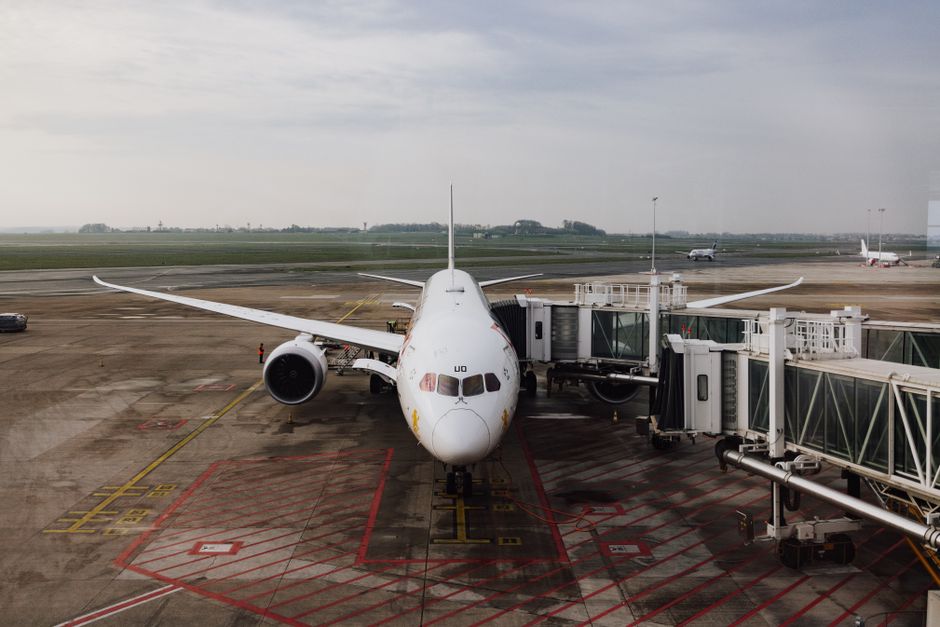
Arriving at the Airport With an Infant
Arrive earlier than you normally would. Extra time reduces stress and allows for diaper changes, feeding sessions, and unexpected delays.
Navigating Security Screening Efficiently
Organize liquids, feeding supplies, and electronics separately. Keep essential baby items accessible.
Using Gate Check Services Correctly
Many airlines allow gate checking of strollers and certain baby equipment. Confirm procedures before boarding.
Pre-Boarding Strategies for Families
Use family boarding when available. This allows extra time to organize supplies and settle into seats.
What to Pack: The Complete Infant Carry-On Checklist

A carefully packed diaper bag is one of the most important tools for stress-free travel. Parents should pack for delays, schedule disruptions, and unexpected situations.
Essential Diaper Bag Packing List
- Diapers
- Wipes
- Changing pad
- Extra clothing
- Bottles
- Formula or breast milk supplies
- Burp cloths
- Pacifiers
- Baby blanket
- Small toys
- Medication if needed
For airport mobility, many parents prefer using a supportive carrier such as the Baby Hip Seat Carrier – 3-in-1 Ergonomic Support.

Parents can also browse related family essentials through the Baby Care Essentials, Mom Essentials, and Health & Safety collections.
Baby Packing Calculator Table by Flight Duration
| Flight Length | Suggested Diapers | Extra Outfits |
| 1-3 Hours | 4-6 | 1 |
| 3-6 Hours | 6-8 | 2 |
| 6+ Hours | 8-12 | 2-3 |
Emergency Backup Supplies Every Parent Should Carry
- Additional diapers
- Extra feeding supplies
- Plastic storage bags
- Spare pacifier
- Emergency outfit for parent
Printable Carry-On Checklist
- Documents
- Diapers
- Wipes
- Food and feeding supplies
- Clothing
- Comfort items
- Medications
- Entertainment
Explore Feeding & Nursing resources for additional preparation ideas before long flights.
Travel Gear Decision Framework: What Is Worth Bringing?

Infant Car Seat: Bring It or Rent It?
Families planning significant ground transportation often prefer bringing their own car seat because they are already familiar with installation and usage.
Travel Stroller Selection Guide
Choose lightweight models that fold quickly and fit airline restrictions. Consider destination terrain and transportation needs.
Baby Carrier vs Stroller Decision Tree
Carriers work well in crowded airports and security lines. Strollers provide storage and comfort during long airport walks. Many families benefit from bringing both when practical.
Must-Have vs Nice-to-Have Baby Travel Gear
| Must-Have | Nice-to-Have |
| Diaper bag | Portable fan |
| Feeding supplies | Extra toys |
| Travel documents | Travel organizer pouches |
For road trips after arrival, some parents use the Baby Car Seat Head Support – Adjustable Strap for Safe Sleep to help maintain comfort during naps.

Families frequently combine travel preparation with products found in the Sleep & Comfort and Monitoring Devices collections.
Feeding Your Baby During Air Travel
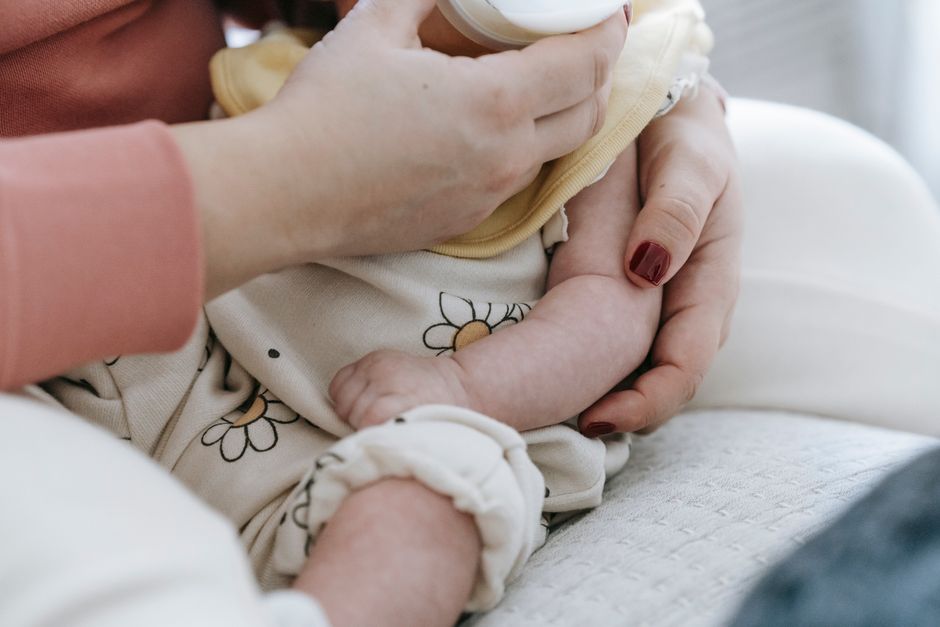
Breastfeeding During Takeoff and Landing
Feeding during altitude changes may help babies swallow more frequently, which can reduce ear discomfort.
Formula Feeding While Traveling
Pack extra formula and feeding supplies in case of delays. Organize supplies so they remain easily accessible.
Transporting Breast Milk Through Security
Parents should review current airport and airline guidance before departure. Keep milk storage organized and clearly separated from other belongings.
Preventing Feeding Disruptions on Long Flights
Build flexibility into feeding schedules. Travel days rarely follow normal routines exactly.
How to Help Your Baby Sleep on an Airplane

Preparing for Flight-Time Naps
Dress babies comfortably, maintain familiar sleep cues, and avoid overstimulation before boarding.
Using Bassinet Seats Effectively
Families on long-haul flights should request bassinets as early as possible because availability is limited.
Managing Time Zones and Schedule Changes
Gradual adjustments before departure can help reduce disruption after arrival.
Sleep Troubleshooting Guide During Flights
- Use familiar blankets when appropriate
- Reduce stimulation
- Maintain feeding routines
- Walk the aisle when allowed
- Stay patient with schedule changes
Managing Crying, Ear Pressure, and In-Flight Meltdowns

Understanding Cabin Pressure Effects
Changes in cabin pressure can cause temporary discomfort. Swallowing, feeding, and sucking motions often help.
Calming Techniques That Work in Flight
- Feeding
- Gentle rocking
- Walking when safe
- Soft conversation
- Familiar toys
What to Do When Nothing Seems to Work
Remain calm and continue offering comfort. Most difficult moments are temporary and resolve with time.
Infant Air Travel Safety Guide

Safe Seating Practices
Always follow airline crew instructions and use approved restraint systems when applicable.
Car Seat Safety During Flights
Parents using car seats should verify compatibility with airline requirements before departure.
Illness Prevention While Traveling
- Practice hand hygiene
- Sanitize frequently touched surfaces
- Keep feeding equipment clean
- Stay hydrated
Safety Recommendations From Leading Child Health Organizations
Preparation, proper restraint systems, hygiene practices, and realistic scheduling are among the most important factors contributing to safer infant travel experiences.
Additional safety information is available through the Health & Safety Tips resource center.
Road Trip vs Air Travel With a Baby: Which Is Better?

Cost Comparison
| Factor | Road Trip | Air Travel |
| Fuel | Higher | Lower |
| Tickets | None | Required |
| Travel Time | Longer | Shorter |
Safety Considerations
Both options can be safe when families follow best practices and maintain proper restraint systems.
Convenience and Stress Factors
Air travel is typically faster while road trips offer greater flexibility for feeding and rest breaks.
Decision Matrix for Families
| Situation | Recommended Option |
| Long Distance | Air Travel |
| Flexible Schedule | Road Trip |
| Multiple Stops | Road Trip |
Arrival-Day Strategies: Making the First 24 Hours Easier

Rebuilding Routine Quickly
Resume normal feeding and sleep patterns as soon as practical after arrival.
Sleep and Feeding Adjustment Tips
Allow flexibility while gradually moving back toward familiar routines.
Recovering From Travel Fatigue
Keep schedules simple, prioritize rest, and avoid overscheduling activities immediately after arrival.
Frequently Asked Questions
What documents does an infant need for domestic and international flights?
Requirements vary by destination and airline, but passports are commonly required for international travel.
What are the best airplane seats for traveling with a baby?
Bulkhead seats, aisle seats, and purchased infant seats are often preferred depending on flight length.
How can I help my baby sleep during a flight?
Maintain familiar routines, plan around nap schedules, and use comfort items when appropriate.
What should I pack in a carry-on for infant airplane travel?
Diapers, wipes, feeding supplies, clothing changes, comfort items, and travel documents are essential.
Is it safe to fly with a newborn or young infant?
Many healthy infants can travel safely, but parents should seek individualized medical guidance.
Can I bring breast milk through airport security?
Policies vary, so verify current guidance before departure.
Do airlines allow gate checking of strollers and car seats?
Many airlines offer gate-check services, although rules differ by carrier.
Should I buy a separate seat for my baby on an airplane?
Separate seats may improve comfort and flexibility, especially on longer flights.
How early should I arrive at the airport when traveling with an infant?
Families generally benefit from arriving earlier than standard recommendations.
What is the easiest age to fly with a baby?
Many parents find the 2-to-6-month stage relatively manageable because infants are less mobile and often sleep more.
Conclusion
Air travel with an infant becomes much less intimidating when parents approach the journey with a clear system. Planning ahead, packing thoughtfully, understanding airport procedures, choosing seats strategically, and preparing for feeding and sleep challenges can dramatically improve the experience. Whether you are researching how to fly with an infant safely, building a baby travel safety checklist essentials plan, or organizing your first family vacation, preparation is the key to reducing stress. Continue exploring family travel resources through the Baby Care Essentials, Feeding Tools, and Health & Safety collections to support future trips with confidence.
Pillar Article: How to Travel With a Newborn: Complete Safety, Packing & Travel Guide for Parents





