

How to Travel With a Newborn: The Complete Safety, Packing & Travel Guide
Traveling with a newborn can feel overwhelming, especially for first-time parents. Questions about feeding schedules, safe sleep, airplane travel, road trip planning, diaper bag organization, and illness prevention often create anxiety before a trip even begins. The good news is that safe and enjoyable newborn travel is possible when parents focus on preparation, realistic expectations, and age-appropriate safety practices.
This comprehensive guide explains how to travel with a newborn safely, what to pack, how to prepare for flights and road trips, how to maintain sleep routines away from home, and how to create a practical travel plan that reduces stress for the entire family. Whether you are taking a short weekend trip or a longer family vacation, these step-by-step strategies can help you travel confidently.
Can You Travel With a Newborn? What Parents Need to Know First
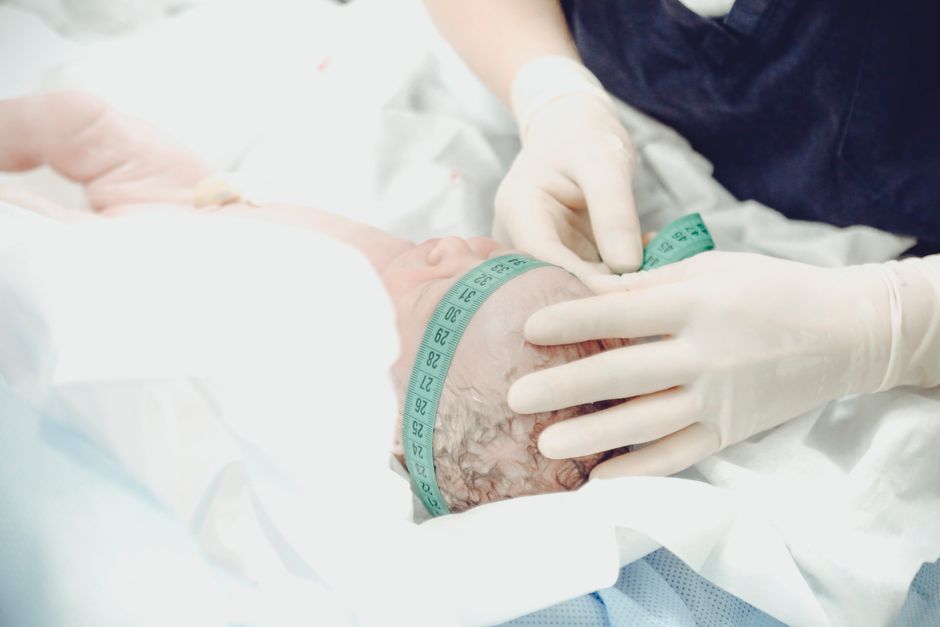
Many parents wonder whether newborn travel is safe. In most cases, healthy newborns can travel when parents take proper precautions and receive guidance from their pediatrician. The most important factors include the baby's health, age, feeding stability, sleep patterns, and destination conditions.
How Soon Can You Travel With a Newborn?
Every baby is different. Many healthcare providers recommend allowing time for recovery after birth and establishing feeding routines before taking longer trips. Short local outings often help parents gain confidence before attempting flights or extended road travel.
Before planning a trip, consider:
- Your baby's age and overall health.
- Whether feeding is well established.
- Availability of healthcare services at your destination.
- Expected travel duration.
- Seasonal illness risks.
Medical Factors That Determine Travel Readiness
Parents should evaluate vaccination schedules, birth complications, weight gain progress, feeding consistency, and any ongoing medical concerns. Premature infants or babies with special medical needs may require additional planning.
When Parents Should Delay Travel Plans
Consider postponing travel if your newborn has unresolved medical issues, feeding challenges, frequent illness, or if travel conditions could expose the baby to unnecessary health risks. Safety should always take priority over convenience.
Newborn Travel Readiness Assessment Checklist
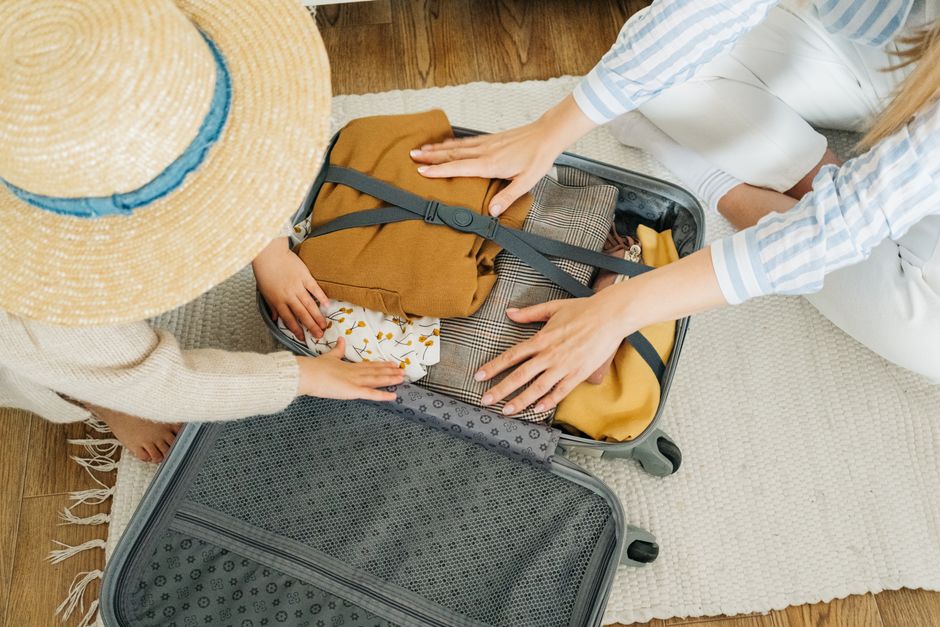
Before booking transportation or accommodations, evaluate readiness using a structured framework.
Health and Pediatrician Clearance Checklist
- Recent wellness check completed.
- No active illness or fever.
- Pediatrician informed about travel plans.
- Emergency medical information available.
- Health insurance details accessible.
Feeding Readiness Assessment
Your newborn should have a relatively predictable feeding pattern. Parents should know how much formula or breast milk may be needed during transit and have a plan for delays.
Sleep and Routine Stability Indicators
Travel becomes easier when parents understand their baby's sleep cues and wake windows. While travel may temporarily disrupt routines, familiar patterns make adaptation easier.
Parent Travel Confidence Evaluation
Parents should feel comfortable handling feeding, diaper changes, soothing, and sleep support outside the home environment. Practice with shorter outings before longer trips.
| Category | Ready | Needs Improvement |
| Feeding | Consistent feeding schedule | Frequent feeding issues |
| Sleep | Recognizable sleep cues | Highly unpredictable patterns |
| Health | Healthy and stable | Ongoing medical concerns |
| Parents | Confident with outings | Limited experience outside home |
Essential Newborn Travel Safety Rules

Safety should guide every travel decision. A well-planned trip reduces risks and creates a more comfortable experience for everyone.
Safe Sleep Guidelines While Traveling
Newborns should sleep on a firm, flat sleep surface designed for infants. Avoid improvised sleep environments, excessive bedding, loose blankets, and soft surfaces.
Parents looking for sleep-related guidance can explore resources in the Sleep & Comfort collection.
Proper Use of an Infant Car Seat
A properly installed rear-facing infant car seat remains one of the most important travel safety tools. Follow manufacturer instructions carefully and ensure straps fit correctly.
Managing Temperature and Weather Exposure
Newborns are sensitive to temperature changes. Dress babies in layers and monitor for signs of overheating or excessive cold exposure. Adjust clothing as conditions change.
Illness Prevention During Travel
- Wash hands frequently.
- Carry sanitizing supplies.
- Avoid unnecessary exposure to sick individuals.
- Disinfect high-touch items when possible.
- Monitor for signs of illness.
Many parents also review practical resources from the Health & Safety collection before traveling.
"The safest travel plan is the one that prioritizes feeding, sleep, transportation safety, and realistic expectations rather than a packed itinerary."
The Ultimate Newborn Travel Packing Checklist

Packing efficiently prevents stress and helps parents manage unexpected situations. Focus on essentials rather than bringing every baby item you own.
Diaper Bag Packing Matrix by Trip Length
| Item | Day Trip | Weekend | Weeklong Trip |
| Diapers | 8-10 | 25-30 | Daily supply plus extras |
| Wipes | 1 pack | 2 packs | Multiple packs |
| Outfits | 2 extras | 4-6 extras | Daily outfits plus backups |
| Bottles | 2-3 | 4-6 | Full feeding setup |
A practical example is the 3-in-1 Diaper Bag Backpack with Foldable Baby Bed, which combines organized storage with a convenient changing area for travel.

Feeding Supplies for Breastfeeding and Formula Feeding
- Bottles
- Formula or breast milk storage supplies
- Burp cloths
- Bibs
- Bottle cleaning tools
Parents can find additional travel-friendly feeding solutions in the Feeding & Nursing collection.
Sleep Essentials for Overnight Trips
- Portable sleep space
- Sleep sack
- White noise device
- Favorite comfort items approved for age
- Extra sleepwear
Emergency and Health Care Supplies
- Health records
- Thermometer
- Emergency contacts
- First-aid basics
- Prescription items if applicable
Parent Essentials That Are Often Forgotten
- Phone chargers
- Extra clothing
- Water bottles
- Snacks
- Travel documents
View full details if you want an example of a travel-focused diaper bag organization system.
Choosing the Best Baby Travel Gear for a Newborn
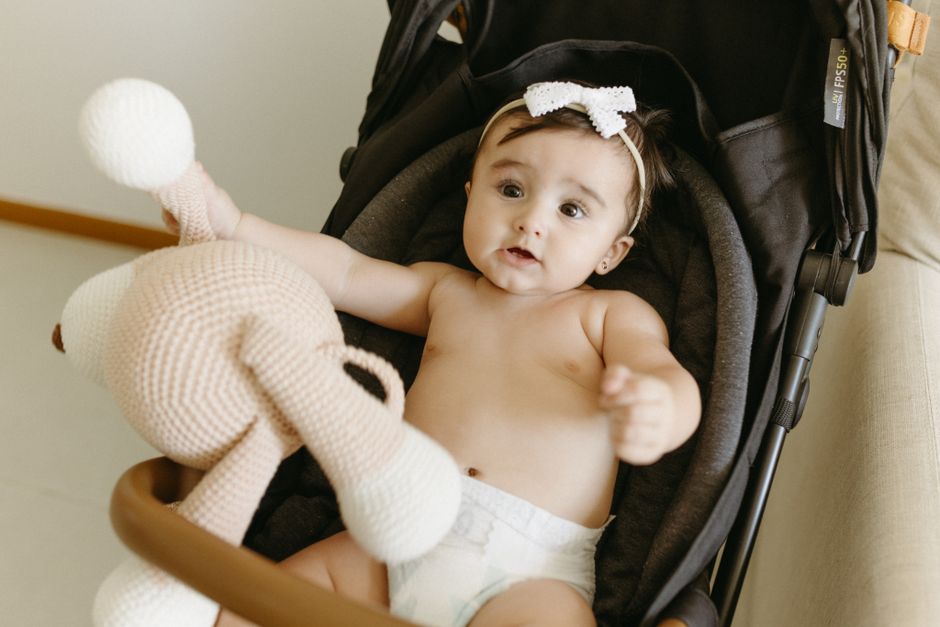
The right travel gear improves comfort and organization without overloading parents with unnecessary equipment.
How to Choose a Diaper Bag Backpack
Look for organized compartments, comfortable straps, easy-clean materials, insulated bottle storage, and sufficient capacity for diapers, feeding supplies, and spare clothing.
Portable Bassinet vs Travel Crib
| Feature | Portable Bassinet | Travel Crib |
| Weight | Lighter | Heavier |
| Portability | Excellent | Good |
| Longevity | Short-term | Longer use |
| Setup | Quick | Moderate |
When to Use a Baby Carrier
Baby carriers can be extremely useful in airports, crowded destinations, and situations where strollers are inconvenient.
A useful example is the Baby Hip Seat Carrier – 3-in-1 Ergonomic Support.

Travel-Friendly Feeding Equipment
Compact feeding tools, insulated storage, and portable cleaning solutions simplify feeding away from home.
Additional feeding solutions can be explored through the Feeding Tools collection.
Flying With a Newborn: Step-by-Step Air Travel Guide

Air travel requires additional planning, but many families successfully fly with newborns every year.
Booking Flights and Choosing the Best Departure Times
Select flights that align with your baby's typical sleep periods when possible. Nonstop flights can reduce stress and minimize disruptions.
Best Airplane Seat Selection for Families
Aisle seats offer easier access for diaper changes and walking. Families traveling together often benefit from reserving adjacent seats early.
Using an FAA-Approved Child Restraint System
Parents who purchase a separate seat may consider approved restraint systems that meet airline requirements. Always verify specific airline policies before travel.
Understanding TSA Breast Milk Rules
Breast milk, formula, and related feeding supplies typically receive special consideration during security screening. Arrive early and be prepared for additional inspection.
Airport Security Screening With a Newborn
- Organize liquids separately.
- Keep travel documents accessible.
- Allow extra time.
- Use easy-access compartments.
- Prepare for unexpected delays.
Managing Feeding, Crying, and Sleep During Flights
Feeding during takeoff and landing may help some infants remain comfortable. Maintain familiar soothing techniques and avoid over-scheduling activities during travel days.
Airport Survival Checklist for Parents Traveling With a Newborn
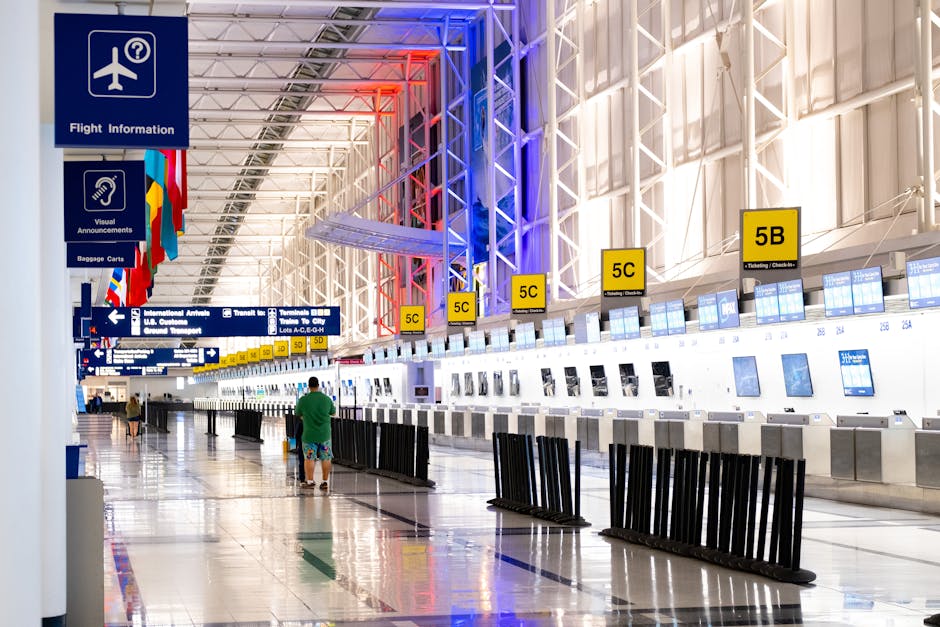
What to Do Before Leaving Home
- Feed the baby.
- Complete a diaper change.
- Confirm documents.
- Charge devices.
- Review transportation plans.
Navigating Check-In and Security Efficiently
Use organized packing systems that allow quick access to necessities. Keep feeding supplies and diapers separate from less frequently used items.
Managing Delays and Long Layovers
Pack additional diapers, extra feeding supplies, and spare clothing. Delays are common, and preparedness reduces frustration.
Helpful organizational resources can also be found in the Baby Care Tips & Advice section.
Road Trip With a Newborn: Safe Driving and Scheduling Tips
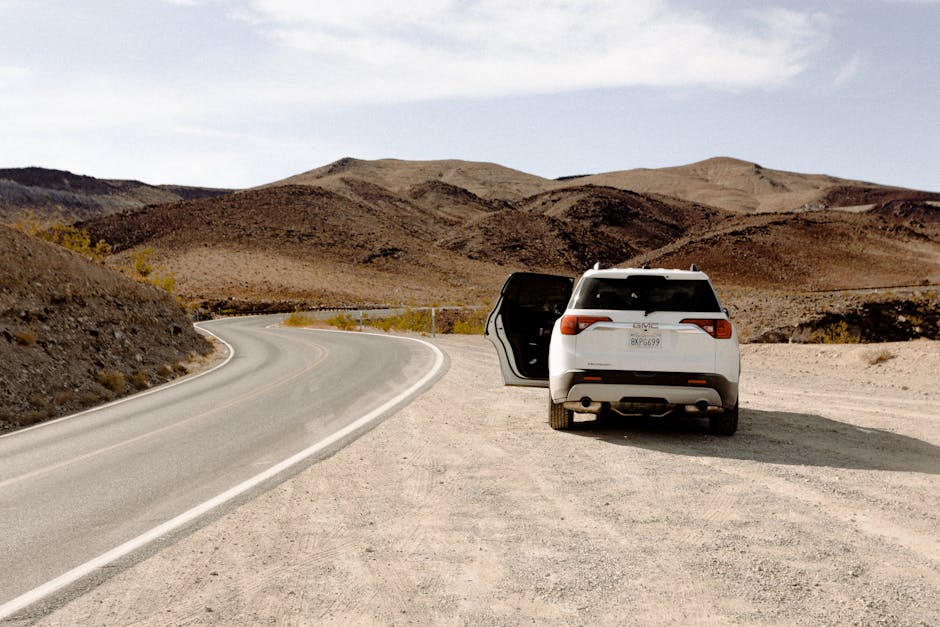
Road trips provide flexibility but require thoughtful scheduling and regular breaks.
How Often Should You Stop During a Road Trip?
Frequent stops allow feeding, diaper changes, stretching, and general comfort checks. Build additional travel time into your schedule.
Feeding Schedules During Long Drives
Avoid rushing feedings. Plan routes that include safe stopping points and comfortable locations for feeding sessions.
Sleep and Nap Planning on the Road
Travel during natural sleep periods when practical, but maintain flexibility because babies often respond differently outside their home environment.
Car Seat Safety During Extended Travel
Ensure proper installation, correct harness positioning, and regular breaks. Review manufacturer guidelines and monitor your baby's comfort.
Families interested in safety-focused travel preparation often explore the Health & Safety Tips resources.
How to Help a Newborn Sleep While Traveling

Sleep disruptions are among the biggest concerns for parents. Consistency and familiarity are often more important than perfection.
Portable Sleep Setup Recommendations
Create a familiar environment using consistent sleep cues such as a sleep sack, white noise, and a predictable bedtime routine.
Maintaining Familiar Sleep Cues
- Use familiar bedtime routines.
- Keep room conditions comfortable.
- Maintain feeding patterns.
- Reduce unnecessary stimulation before sleep.
Hotel, Rental, and Family Home Sleep Strategies
Inspect sleep arrangements immediately upon arrival. Identify a safe sleep location before unpacking the rest of your belongings.
Common Sleep Mistakes Parents Make While Traveling
- Over-scheduling activities.
- Skipping naps.
- Ignoring sleep cues.
- Changing routines drastically.
Parents preparing overnight trips may find additional ideas in the Sleep & Comfort collection.
Feeding a Newborn During Travel

Feeding routines often determine how smoothly a trip progresses. Planning ahead helps prevent unnecessary stress.
Breastfeeding While Traveling
Identify comfortable feeding locations before departure and remain flexible if schedules change during transit.
Traveling With a Breast Pump
Pack all essential accessories, power adapters, storage containers, and cleaning supplies in easily accessible compartments.
Formula Feeding on Flights and Road Trips
Carry extra supplies beyond what you expect to use. Delays, weather, and traffic can extend travel times unexpectedly.
Managing Feeding Schedules Across Travel Days
Focus on your baby's cues rather than trying to maintain a rigid schedule during transit. Resume normal routines gradually after arrival.
Additional support resources are available through the Breastfeeding Aids collection.
Travel Insurance and Emergency Planning for Infants
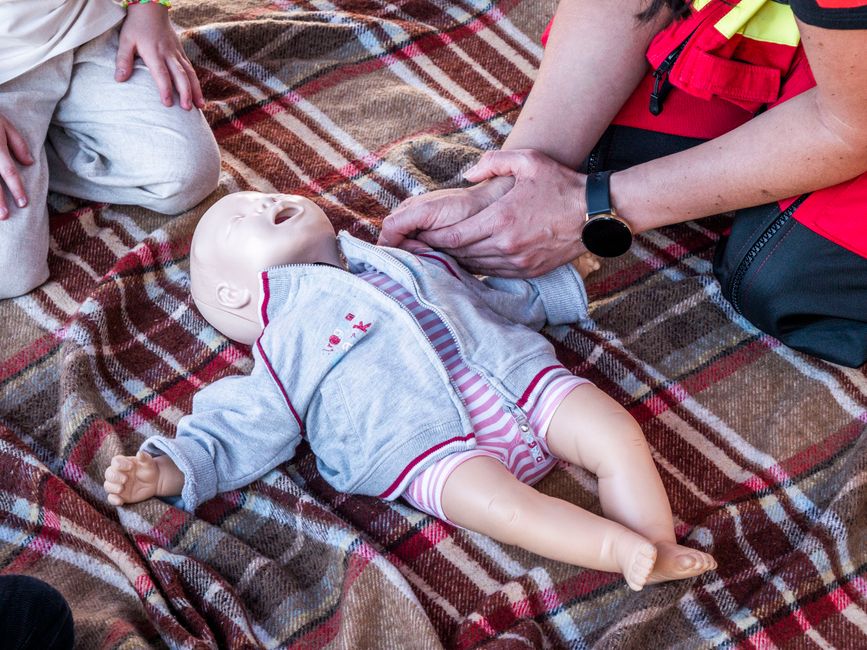
Emergency preparation provides peace of mind and can reduce stress when traveling far from home.
When Infant Travel Insurance Makes Sense
Insurance may be worth considering for international travel, extended trips, or destinations where healthcare access may be more complicated.
Medical Documentation to Carry
- Health insurance information.
- Pediatrician contact details.
- Vaccination records if needed.
- Emergency contact information.
Creating an Emergency Contact Plan
Share travel details with trusted family members and maintain accessible records both digitally and in printed form.
Complete Newborn Travel Safety Checklist

Before Departure
- Confirm travel reservations.
- Review feeding supplies.
- Check weather conditions.
- Inspect safety equipment.
- Pack emergency contacts.
During Transit
- Monitor feeding intervals.
- Maintain hydration for parents.
- Follow safe sleep practices.
- Perform regular comfort checks.
- Stay flexible with schedules.
At Your Destination
- Establish a safe sleep area.
- Locate nearby medical facilities.
- Recreate familiar routines.
- Inspect accommodations for hazards.
- Prioritize rest and recovery.
For additional family travel preparation, browse the Mom Essentials collection and the Mom Essentials Guide.
Frequently Asked Questions
How soon can you travel with a newborn?
Travel timing varies based on your baby's health, feeding stability, and pediatrician guidance. Short local trips are often a good starting point.
How do you travel with a newborn safely on an airplane?
Plan ahead, arrive early, organize feeding supplies, follow airline policies, and prioritize safe infant transportation practices.
What should I pack in a newborn travel diaper bag?
Pack diapers, wipes, feeding supplies, spare clothing, burp cloths, health essentials, and emergency contact information.
How often should you stop during a road trip with a newborn?
Regular breaks are important for feeding, diaper changes, and comfort checks throughout the journey.
What are the best sleep solutions for newborn travel?
Safe portable sleep spaces, familiar bedtime routines, and consistent sleep cues are often the most effective approaches.
Can a newborn sleep in a travel crib?
Many travel cribs are suitable when they meet safety standards and are used according to manufacturer instructions.
Do airlines allow breast milk through security?
Special provisions commonly apply to breast milk and infant feeding supplies, though screening procedures may vary.
Should I buy a separate airplane seat for my newborn?
Some families choose to purchase an additional seat for convenience and the use of approved child restraint systems.
What is the safest way to feed a newborn while traveling?
Follow established feeding practices, maintain cleanliness, and prepare for delays with extra supplies.
Do newborns need travel insurance?
It depends on destination, trip duration, healthcare access, and family preferences regarding risk management.
Conclusion
Learning how to travel with a newborn successfully is less about perfection and more about preparation. Families who focus on safety, feeding, sleep, transportation planning, and realistic schedules often discover that traveling with an infant becomes much more manageable than expected. By building a practical packing system, preparing for delays, maintaining familiar routines, and prioritizing your baby's comfort, you can enjoy meaningful family experiences while traveling safely and confidently.
Explore baby care essentials for future family adventures
Related Articles:
- Road Trip With Baby Packing Checklist: Ultimate Travel & Safety Guide
- Air Travel With Infant Tips: The Complete 2026 First-Time Parent Guide
- Baby Travel Safety Checklist Essentials: The Complete Guide for Flights, Road Trips, and Family Travel
- Travel Planning Checklist for Beginners Guide: Family & Baby Travel Made Easy
- Packing Checklist for Baby Travel Essentials: The Ultimate 2026 Guide





