
Baby Travel Safety Checklist Essentials: The Complete Parent Guide for Safer Trips With Newborns, Infants, and Toddlers
Traveling with a baby can feel overwhelming, especially for first-time parents. Whether you are planning a road trip, flying across the country, or visiting family for a weekend, preparation plays a major role in reducing risks and creating a smoother experience. This comprehensive guide covers baby travel safety checklist essentials, including age-based recommendations, car seat safety, air travel guidance, packing lists, emergency planning, sleep safety, and practical strategies that help families travel with greater confidence.
Before your trip, consider reviewing resources from our Health & Safety Tips section and exploring the Health & Safety collection for travel-preparation ideas and everyday baby care support.
Quick Answer: Baby Travel Safety Checklist Essentials
The most important baby travel safety priorities include:
- Use a properly installed, age-appropriate car seat.
- Pack sufficient diapers, wipes, feeding supplies, and spare clothing.
- Carry important medical and identification documents.
- Follow safe sleep guidelines during travel.
- Prepare an emergency contact and medical information list.
- Schedule travel around feeding and sleep routines when possible.
- Keep sanitation supplies accessible during transit.
Is It Safe to Travel With a Newborn or Infant?

Most healthy babies can travel safely when parents take appropriate precautions. The best approach depends on your child's age, overall health, destination, transportation method, and trip duration.
Newborns (0–2 Months)
Newborns have developing immune systems and may require additional precautions. Parents should discuss long-distance travel plans with their pediatrician, especially if the baby was born prematurely or has medical conditions.
Young Infants (2–6 Months)
Many families find this stage easier for travel because babies are generally less mobile, sleep frequently, and can often adapt to transportation schedules more easily.
Older Infants and Toddlers (6–24 Months)
As mobility increases, safety planning becomes more important. Parents should anticipate greater movement, curiosity, and the need for entertainment and supervision.
Pre-Trip Baby Travel Safety Checklist

Use the following checklist before departure.
| Task | Completed |
| Pediatrician consultation if needed | □ |
| Car seat inspection | □ |
| Emergency contacts prepared | □ |
| Travel documents organized | □ |
| Medications packed | □ |
| Feeding supplies packed | □ |
| Sleep arrangements confirmed | □ |
| Accommodation safety reviewed | □ |
Age-Based Baby Travel Safety Recommendations

| Age | Primary Concern | Key Safety Focus |
| 0–2 Months | Immune protection | Limit exposure to illness |
| 2–6 Months | Routine disruption | Maintain feeding and sleep schedules |
| 6–12 Months | Mobility | Increased supervision |
| 12–24 Months | Exploration | Environment safety checks |
Car Seat Safety Essentials for Travel

Proper car seat use is one of the most important travel safety practices for babies.
Before the Trip
- Verify the seat is appropriate for your child's age and size.
- Check expiration dates and manufacturer instructions.
- Inspect harness straps for wear or damage.
- Ensure installation meets manufacturer recommendations.
Positioning Guidelines
- Keep babies rear-facing as long as recommended.
- Harness straps should fit snugly.
- Chest clip placement should be correct.
- Avoid bulky coats beneath harness straps.
Road Trip Break Planning
Long drives require regular breaks for feeding, diaper changes, stretching, and monitoring comfort. Plan stops in advance and avoid excessive time in car seats beyond necessary transportation periods.
Road Trip With Baby Packing Checklist

Parents preparing for long drives should organize supplies for quick access.
Vehicle Essentials
- Car seat
- Sun shades
- Portable changing supplies
- Blankets
- Extra clothing
- Emergency kit
- Portable phone charger
- Navigation backup
Feeding Supplies
- Bottles
- Formula or breast milk storage supplies
- Burp cloths
- Bibs
- Water for caregivers
Comfort Supplies
- Favorite comfort item
- Age-appropriate toys
- Pacifiers
- Sleep sack if normally used
Families often prepare additional items from the Baby Care Essentials collection before extended road trips to simplify daily routines away from home.
Flying With a Baby: Essential Safety Guidance
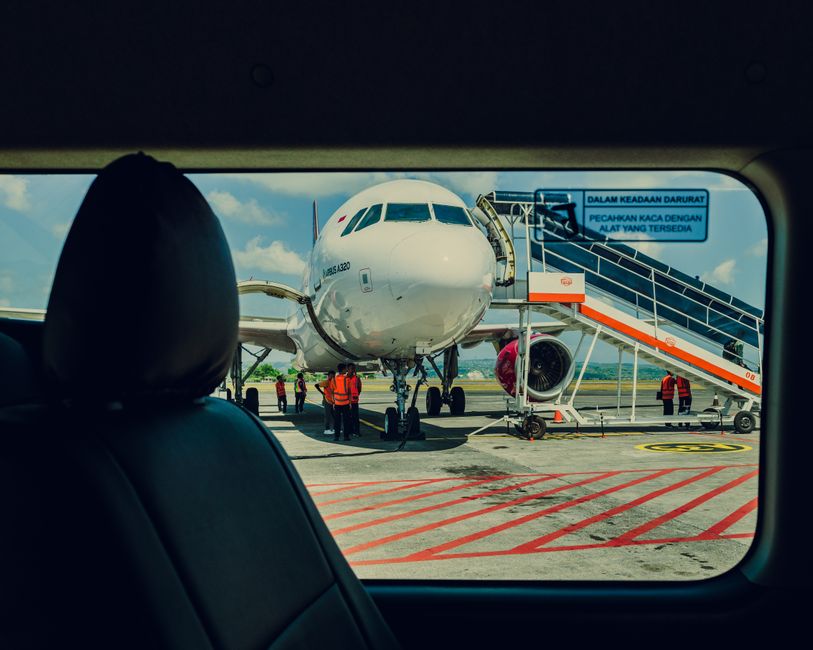
Air travel introduces unique considerations including airport logistics, documentation, feeding schedules, and exposure to large crowds.
Before Booking
- Review airline infant policies.
- Understand baggage allowances.
- Check documentation requirements.
- Select seats strategically.
Airport Preparation
- Arrive early.
- Keep documents accessible.
- Pack essentials in carry-on luggage.
- Allow additional time for security screening.
During the Flight
- Feed during takeoff and landing when appropriate.
- Maintain hydration.
- Keep extra diapers accessible.
- Bring backup clothing for both baby and caregiver.
Best Airplane Seats for Traveling With a Baby

| Seat Type | Advantages | Considerations |
| Window | More privacy | Harder restroom access |
| Aisle | Easy movement | More passenger traffic |
| Bulkhead | Extra space | Limited availability |
| Premium Economy | Additional comfort | Higher cost |
Travel Documents Checklist

Keep copies of important information in both physical and digital formats.
- Identification documents
- Passport if applicable
- Health insurance information
- Emergency contact list
- Pediatrician contact information
- Travel confirmations
- Accommodation details
The Complete Baby Travel Packing Checklist

Packing thoroughly reduces stress and improves safety when unexpected situations arise.
Carry-On Essentials
- Diapers
- Wipes
- Changing pad
- Extra outfits
- Bottles
- Formula or feeding supplies
- Pacifiers
- Light blanket
- Hand sanitizer
- Medication if needed
Checked Luggage Essentials
- Additional clothing
- Sleep items
- Extra diapers
- Bath supplies
- Backup feeding supplies
Emergency Backup Items Parents Often Forget
- Extra pacifier
- Plastic bags
- Extra shirt for caregiver
- Thermometer
- Travel-sized laundry detergent
- Portable night light
Parents looking to improve organization often use a travel diaper backpack or compact organizer. If your current setup feels cluttered, a well-designed diaper bag can simplify airport and road trip logistics without overpacking.
Essential Baby Travel Gear: What You Actually Need

Not every baby product belongs on a travel checklist. Focus on gear that improves safety, mobility, and comfort.
Travel Stroller vs Full-Size Stroller
| Factor | Travel Stroller | Full-Size Stroller |
| Weight | Lighter | Heavier |
| Storage | Compact | Larger |
| Travel Convenience | Excellent | Moderate |
Should You Bring an Infant Car Seat?
For many families, bringing a familiar car seat provides consistency and safety at the destination. Confirm transportation plans before departure.
Baby Carrier vs Stroller for Airports
Carriers can simplify navigation through crowded terminals, while strollers provide storage and resting space. Many families benefit from bringing both when practical.
The Baby Travel Gear Decision Framework
- Trip under 3 days: prioritize minimal gear.
- Trip 3–7 days: balance convenience and flexibility.
- Extended travel: prioritize familiarity and routine support.
A portable baby carrier can be particularly helpful in airports and crowded destinations because it keeps your hands free while maintaining close supervision of your child.
Soft Travel Preparation Resources
For additional planning support, explore the Baby Care Tips & Advice resource center and the Sleep & Comfort collection for ideas that may help maintain routines while away from home.
Airport Day Workflow: Step-by-Step Checklist

Before Leaving Home
- Confirm tickets and documents.
- Feed baby if timing allows.
- Double-check medication supplies.
- Review transportation plans.
Security Screening
- Allow extra time.
- Separate liquids according to regulations.
- Keep feeding items accessible.
At the Gate
- Change diapers before boarding.
- Refill water bottles.
- Prepare comfort items.
How to Keep Your Baby Comfortable During Travel
Managing Ear Pressure
Feeding or sucking actions may help some babies during ascent and descent.
Feeding Logistics
Prepare supplies in advance and maintain normal feeding routines whenever possible.
Diaper Changes
Keep changing supplies organized and accessible rather than packed deeply inside luggage.
Entertainment Strategies
- Rotate toys.
- Use sensory activities.
- Schedule movement breaks.
- Maintain realistic expectations.
How to Help Your Baby Sleep During Travel

Schedule Around Existing Routines
When possible, align departure times with naps and bedtime routines.
Create Familiar Sleep Conditions
- Use familiar sleep cues.
- Maintain bedtime rituals.
- Bring familiar sleep items when appropriate.
Sleep Safety During Travel
Always prioritize safe sleep recommendations. Avoid unsafe sleep environments and ensure babies sleep on appropriate surfaces whenever possible.
Baby Travel Safety Rules Every Parent Should Know

Preparation reduces risk. Most travel-related challenges become manageable when families plan for feeding, sleep, transportation, hygiene, and emergencies before departure.
Transportation Safety
- Use proper restraints.
- Inspect equipment before departure.
- Follow manufacturer instructions.
Hygiene and Illness Prevention
- Wash hands frequently.
- Disinfect high-touch items.
- Monitor for signs of illness.
Destination Safety Audit
- Check sleeping arrangements.
- Identify emergency exits.
- Locate nearby medical facilities.
- Secure hazards within reach.
Many families also review resources from the Monitoring Devices collection and Smart Baby Gadgets collection when planning extended stays away from home.
Road Trip vs Air Travel With a Baby
| Factor | Road Trip | Air Travel |
| Flexibility | High | Moderate |
| Travel Time | Longer | Shorter |
| Packing Capacity | Excellent | Limited |
| Scheduling Control | High | Lower |
When Flying Makes More Sense
- Long distances
- Limited vacation time
- International travel
When Driving May Be Better
- Flexible schedules
- Large equipment requirements
- Multiple destination stops
10 Common Baby Travel Mistakes to Avoid

- Overpacking unnecessary gear.
- Underpacking diapers.
- Skipping car seat checks.
- Ignoring sleep routines.
- Forgetting backup clothing.
- Failing to prepare documents.
- Not planning feeding logistics.
- Waiting until the last minute to pack.
- Skipping emergency planning.
- Expecting a perfect trip.
Expert Travel Planning Recommendation

Parents who travel successfully with babies usually focus on three priorities: safety, flexibility, and routine. Instead of attempting to control every variable, create systems that allow quick adaptation when plans change. Building buffers into schedules, maintaining familiar routines, and preparing for common disruptions can dramatically reduce stress while improving safety outcomes.
Frequently Asked Questions
Is it safe to fly with a newborn?
Many healthy newborns can travel safely, but parents should discuss travel plans with their pediatrician, especially for very young infants or babies with medical concerns.
What should I pack for infant airplane travel?
Pack diapers, wipes, feeding supplies, spare clothing, medications, comfort items, and travel documents in your carry-on bag.
How early should families arrive at the airport?
Most families benefit from arriving earlier than they would when traveling without children to allow time for check-in, security screening, and unexpected delays.
What is the best age for a baby's first trip?
The answer varies by family and child. Many parents find the 2-to-6-month period relatively manageable because babies are less mobile and often sleep more consistently.
How can I keep my baby safe during a road trip?
Use a properly installed car seat, plan regular stops, maintain hydration and feeding schedules, and avoid unsafe sleep situations.
What documents should I bring?
Carry identification, insurance information, emergency contacts, travel confirmations, and any destination-specific documentation requirements.
Conclusion
Successful baby travel begins long before departure day. By following a structured baby travel safety checklist, preparing for feeding and sleep needs, verifying transportation safety, and maintaining realistic expectations, parents can significantly reduce stress and improve safety throughout the journey. Whether you are planning a road trip, boarding a flight, or visiting relatives for a weekend getaway, thoughtful preparation remains the most effective travel tool available to families.
For more family travel preparation ideas, browse the Baby Care Essentials collection and educational resources available through the Health & Safety Tips center.
Pillar Article: How to Travel With a Newborn: Complete Safety, Packing & Travel Guide for Parents





