

Best Camping Gear for Beginners in 2026: Complete First-Time Camper Guide
Starting your first camping trip can feel exciting and overwhelming at the same time. Between choosing a tent, figuring out what to cook, and making sure you don’t forget something essential, most beginners end up either overpacking or missing key gear entirely. The good news is that camping does not have to be complicated.
This guide breaks everything down into a simple system so you can confidently prepare for your first outdoor experience. Instead of random gear lists, you’ll learn how camping equipment fits into clear categories, what truly matters for beginners, and how to avoid the most common mistakes first-time campers make.
Whether you're planning a family trip, a solo weekend getaway, or a beginner-friendly RV stop, this structured approach will help you build a reliable setup without stress or confusion.
Beginner Camping Gear Overview: What You Actually Need in 2026

Camping gear can easily feel overwhelming because there are hundreds of products marketed as “must-haves.” In reality, beginners only need a small set of essential systems that support safety, comfort, food, and shelter.
The 5 Core Camping Systems Every Beginner Must Understand
Every successful camping setup is built around five essential systems:
- Shelter System: Tent, tarp, and ground protection
- Sleep System: Sleeping bag, sleeping pad, and insulation
- Cooking System: Stove, fuel, cookware, and utensils
- Safety System: Lighting, first aid, and navigation tools
- Comfort System: Seating, storage, and weather protection
When beginners understand these five systems, it becomes much easier to decide what to bring and what to leave behind.
Essential vs Optional Gear Breakdown Framework
Not all camping gear is equally important. Beginners should focus on essentials first and gradually expand their setup over time.
- Essential Gear: Tent, sleeping bag, food, water, lighting
- Comfort Gear: Chairs, pillows, portable tables
- Advanced Gear: Portable showers, solar panels, GPS systems
For first-time campers, simplicity always wins. A lightweight setup reduces stress and makes the experience more enjoyable.
Complete Camping Checklist for First-Time Campers

Below is a practical checklist designed for beginners. Use it as a reference before every trip to avoid forgetting critical items.
Sleeping and Shelter Checklist
- Camping tent
- Sleeping bag (weather-appropriate)
- Sleeping pad or mattress
- Ground tarp for moisture protection
Cooking and Food Preparation Checklist
- Portable camping stove
- Fuel canisters
- Lightweight cookware set
- Reusable utensils
- Cooler for perishable food
Safety and Lighting Checklist
- LED lantern or flashlight
- Extra batteries
- First aid kit
- Multi-tool or knife
Clothing and Weather Protection Checklist
- Layered clothing system
- Waterproof jacket
- Extra socks
- Hat and sun protection
For more structured preparation ideas, explore our Baby Care Essentials collection which also highlights travel-friendly comfort items useful for outdoor family setups, and check the Health & Safety collection for protective gear inspiration. You can also browse the Baby Care Tips & Advice blog for practical organization strategies that translate well into camping preparation routines.
Essential Camping Gear Breakdown (Must-Have Items Explained)

This section breaks down the core equipment beginners should understand before buying anything. Each item plays a specific role in your camping system.
Camping Tent: How to Choose the Right Beginner-Friendly Setup
A tent is your primary shelter system. Beginners should prioritize easy setup, weather resistance, and enough space for comfort rather than complex features.
Sleeping Bag: Temperature Ratings and Comfort Explained
Choose a sleeping bag based on the lowest temperature you expect to face. Beginners often underestimate nighttime cooling, especially in mountainous or forested areas.
Inflatable Sleeping Pad: Comfort vs Weight Tradeoffs
Sleeping pads improve insulation and comfort. Even a basic pad significantly improves sleep quality compared to sleeping directly on the ground.
Camping Stove: Portable Cooking for First-Time Campers
A compact stove simplifies meal preparation. Beginners should focus on stability and fuel efficiency rather than advanced multi-burner systems.
LED Camping Lantern: Lighting Safety and Brightness Guide
Lighting is a safety essential. A lantern provides better area lighting than a flashlight and improves nighttime visibility around the campsite.
Portable Cooler: Food Storage and Safety Basics
Coolers help maintain food freshness and prevent spoilage during multi-day trips. Proper ice management is key to effectiveness.
Waterproof Camping Tarp: Weather Protection Layering
A tarp adds an extra layer of protection under or above your tent, especially useful during rain or damp conditions.
Camping Cookware Set: Minimalist Cooking Gear Strategy
Keep cookware simple: one pot, one pan, and essential utensils are usually enough for beginner meals.
For families preparing outdoor experiences, lightweight play and comfort gear like the Baby Growth & Learning collection can help create engaging outdoor-friendly setups for children, while the Sensory Toys collection supports calm and structured play during downtime at campsites.

For families introducing young children to outdoor environments, lightweight play shelters can make camping feel more engaging and less intimidating. The Kids Play Tent with Pop-Up Design is a great example of how simple shelter-based gear can support both fun and comfort during beginner camping experiences. It sets up quickly, works indoors or outdoors, and creates a safe play space that helps children stay entertained at the campsite.
How to Choose Camping Gear (Budget vs Premium Framework)

One of the biggest beginner challenges is deciding how much to spend on gear. The right answer depends on how often you plan to camp and the environments you’ll explore.
When Budget Gear Makes Sense for First-Time Campers
If you’re trying camping for the first time, budget gear is usually enough. Focus on basic functionality rather than advanced durability or ultra-lightweight design.
When to Invest in Premium Camping Equipment
Frequent campers or those exploring extreme conditions should consider upgrading key items like tents, sleeping systems, and stoves.
Hybrid Strategy: Mixing Budget and Premium Items
Many experienced campers use a hybrid approach: invest in a quality tent and sleeping bag while keeping budget-friendly cookware and accessories.
For outdoor planning inspiration and organization tips, you can explore the Health & Safety Tips blog and the Feeding & Nursing Tips blog, which offer structured approaches to preparation that also apply well to camping logistics and family trips.
Beginner Mistakes to Avoid When Buying Camping Gear

First-time campers often make predictable mistakes that lead to discomfort or unnecessary spending. Avoiding these early saves both money and frustration.
Overpacking vs Underpacking Errors
Overpacking leads to heavy loads, while underpacking leads to missing essentials. Balance is key.
Buying Advanced Gear Too Early
Beginners often buy technical equipment they don’t actually need. Start simple and upgrade gradually.
Ignoring Weather and Terrain Conditions
Your gear should always match your environment. Rain, wind, and temperature changes can significantly impact comfort and safety.
Camping Setup Walkthrough for First-Time Campers
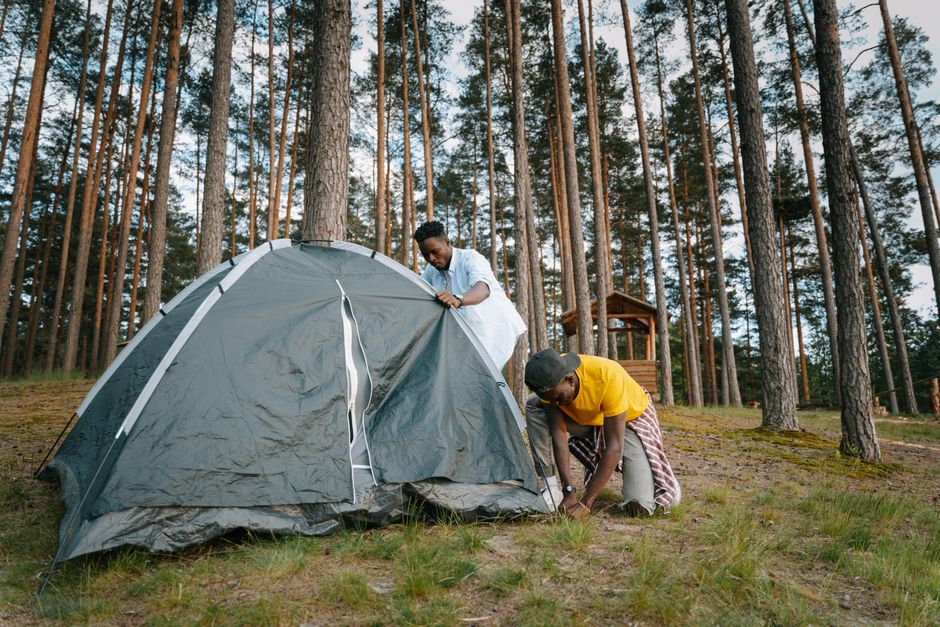
Understanding how to set up your campsite step-by-step makes your first experience much smoother.
Step 1: Choosing and Preparing Your Campsite
Select flat ground, avoid flood-prone areas, and check for natural wind barriers.
Step 2: Setting Up Your Tent Correctly
Always secure the tent before unpacking other gear to establish your primary shelter first.
Step 3: Organizing Sleeping and Cooking Areas
Keep cooking zones separate from sleeping areas to maintain cleanliness and safety.
For families building outdoor routines, browsing the Sleep & Comfort collection can help you find practical items that improve rest quality in unfamiliar environments.
Gear by Camping Style: Family, RV, Beach Camping

Different camping styles require different gear priorities. Beginners should choose based on comfort level and travel setup.
Family Camping Essentials
Family camping focuses on safety, comfort, and entertainment. Lightweight shelters, easy food prep, and child-friendly setups are essential.
RV Camping Gear Adjustments
RV camping reduces the need for heavy shelter systems but still requires organized storage and portable outdoor tools.
Beach Camping Lightweight Setup
Beach camping requires sun protection, lightweight structures, and wind-resistant gear.
For family-focused outdoor inspiration, explore the Mobility & Training collection, which highlights tools that support active movement and outdoor play readiness for young children.
Seasonal Packing Guide for Beginners (Summer vs Winter vs Rainy)

Seasonal changes greatly affect what you need to pack. Beginners should always adjust gear based on conditions.
Summer Camping Gear Adjustments
Focus on ventilation, sun protection, and lightweight materials.
Winter Camping Warmth and Safety Gear
Insulation, layered clothing, and thermal sleeping systems become critical in cold conditions.
Rainy Season Waterproofing Essentials
Waterproof tents, tarps, and sealed storage bags help prevent moisture damage.
Recommended Starter Gear Bundles (Beginner-Friendly Kits)

Instead of buying items individually, beginners can simplify decisions by using starter bundles that group essential gear together.
Minimal Budget Starter Kit
Includes a basic tent, sleeping bag, stove, and lighting system. Designed for short trips and fair weather conditions.
Balanced Mid-Range Starter Kit
Adds improved comfort features like better insulation, stronger tent materials, and enhanced cooking tools.
Family Camping Starter Kit
Focused on safety, space, and comfort for group camping experiences with children.
For family-friendly outdoor environments, consider exploring the Baby Bath Accessories collection and Breastfeeding Aids collection to better understand portable comfort and care systems that support longer outdoor stays.
Safety, Comfort & Weather Protection Essentials
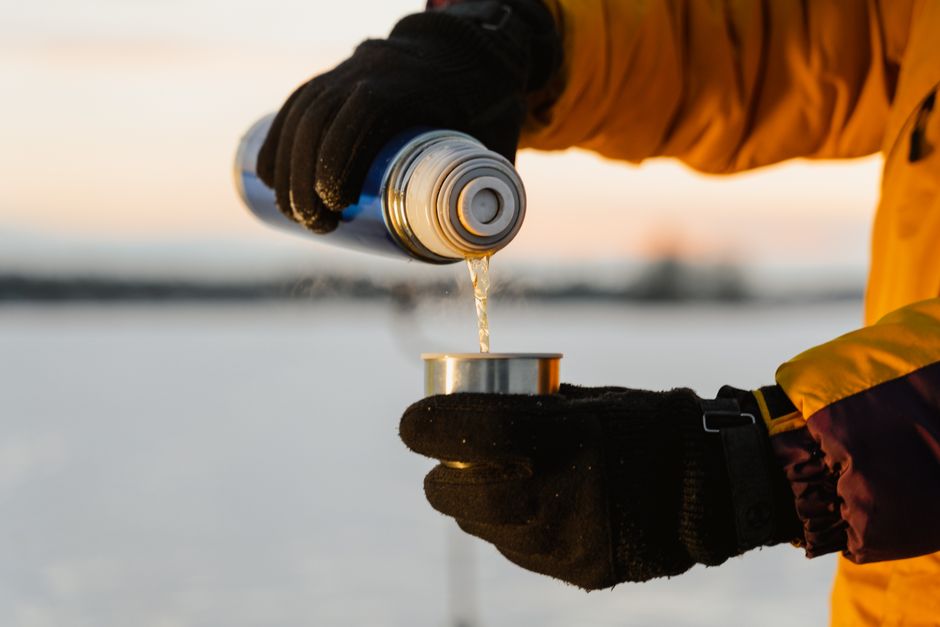
Safety is the foundation of any successful camping trip. Beginners should prioritize protection systems before comfort upgrades.
Hydration and Food Safety Basics
Always store water securely and keep food protected from wildlife and heat exposure.
Weather Protection Layering System
Layered clothing ensures adaptability to changing temperatures throughout the day.
Night Safety and Visibility Setup
Proper lighting placement reduces accidents and improves campsite navigation at night.
Frequently Asked Questions
What is the best camping gear for beginners?
The best camping gear for beginners includes a simple tent, sleeping bag, sleeping pad, portable stove, lighting system, and basic cooking tools.
What camping essentials do first-time campers really need?
First-time campers need shelter, sleep systems, food preparation tools, water storage, and lighting equipment.
Should beginners buy cheap or premium camping gear?
Beginners should start with budget or mid-range gear and upgrade only the items they use frequently.
What is the easiest tent for beginner campers to set up?
Pop-up or instant tents are the easiest for beginners because they require minimal setup time and effort.
How do I pack for my first camping trip?
Start with essential systems: shelter, sleep, food, safety, and clothing. Pack light and avoid unnecessary gear.
Conclusion
Camping becomes far less intimidating once you break it down into simple systems instead of endless product lists. Beginners don’t need advanced gear—they need reliable essentials that support shelter, sleep, food, and safety. Once those basics are in place, every trip becomes easier and more enjoyable.
Start small, focus on comfort and safety, and build your setup over time as you gain experience outdoors.
Explore more beginner-friendly outdoor preparation guides here to continue building confidence for your next adventure.
Pillar Article: Camping Gear for Beginners: 2026 Step-by-Step Packing & Buying Guide





