

Camping Gear for Beginners: Avoid Costly Mistakes With This 2026 Checklist
Most first-time campers don’t fail because they lack enthusiasm—they fail because they bring the wrong gear, too much gear, or not enough of the right essentials. One trip turns into discomfort, poor sleep, or safety concerns, and suddenly camping feels more stressful than enjoyable.
This guide solves that problem with a structured decision system designed specifically for beginners. Instead of overwhelming product lists, you’ll learn a practical “Camping Gear Priority Pyramid” that helps you decide what actually matters first: safety, shelter, comfort, and only then convenience upgrades.
Whether you're planning a weekend at a campground, a family outdoor trip, or your very first backpacking experience, this framework will help you avoid overpacking, reduce wasted spending, and build confidence outdoors. You’ll also see real-world packing strategies, common beginner mistakes, and scenario-based checklists that make your first trip far more successful.
Why Most Beginners Get Camping Gear Wrong (And How to Avoid It)

Beginners usually approach camping gear like a shopping list instead of a system. This leads to two extremes: either buying too much unnecessary equipment or missing critical survival basics. Both mistakes can ruin a trip.
Another common issue is copying influencer gear setups. What works for experienced hikers or van lifers often doesn’t apply to first-time campers staying at established campgrounds. The result is heavy bags, unused gadgets, and frustration during setup.
Common beginner failure patterns
One of the biggest mistakes is overestimating comfort needs and underestimating safety needs. Beginners often prioritize chairs, cookware sets, and entertainment gear while forgetting insulation, waterproofing, or navigation tools.
Another pattern is ignoring weather variability. Even summer camping can become cold at night, and beginners often fail to prepare layered clothing or proper sleeping systems.
What “good enough gear” actually means for first trips
Good enough gear doesn’t mean cheap—it means functional, reliable, and simple. For your first camping trip, the goal is not optimization, but stability. A basic tent, a warm sleeping system, simple cooking setup, and reliable lighting are far more valuable than premium upgrades.
To build confidence safely, many families explore beginner-friendly gear systems from the Baby Care Essentials collection and adapt similar “simplicity-first” principles for outdoor planning with kids.
The Camping Gear Priority Pyramid (Core Decision Framework)

The Camping Gear Priority Pyramid helps beginners organize decisions into four clear layers. Instead of guessing what to buy, you follow a hierarchy that reduces risk and prevents unnecessary spending.
Tier 1: Survival essentials (shelter, sleep, warmth)
This includes your tent, sleeping bag, and insulation. Without these, camping becomes unsafe or extremely uncomfortable. These are non-negotiable items.
Tier 2: Function essentials (food, water, cooking)
Cooking systems, water storage, and hydration planning fall into this tier. These items ensure energy and safety during your trip.
Tier 3: Comfort upgrades (lighting, chairs, tools)
These improve experience but are not critical for survival. Lanterns, portable seating, and small tools belong here.
Tier 4: Optional convenience gear (luxury items)
This includes entertainment devices, extra storage solutions, and non-essential accessories. Beginners should avoid overinvesting here early on.
Many families who transition into outdoor activities often also explore structured learning and planning tools in the Baby Growth & Learning collection to help kids adapt gradually to outdoor environments.
Expert insight: “Most beginner camping failures happen not because of missing gear, but because of misplaced priorities. Once you secure shelter and sleep quality, everything else becomes secondary.” — Outdoor Gear Systems Analyst
Beginner Camping Checklist (What You Actually Need for Trip #1)

This checklist focuses only on essential gear for your first trip. Avoid expanding beyond this list until you’ve completed at least one camping experience.
Shelter & sleeping system essentials
- Basic weather-appropriate tent
- Sleeping bag rated for expected temperature
- Sleeping pad or inflatable mattress
- Ground tarp for moisture protection
Cooking and food storage essentials
- Portable stove or compact cooking system
- Reusable utensils and lightweight cookware
- Food storage containers
- Basic cooler for perishables
Clothing and weather protection basics
- Layered clothing system
- Rain jacket or waterproof shell
- Extra socks and thermal wear
- Sun protection (hat, sunscreen)
Safety, navigation, and emergency kit
- First aid kit
- Headlamp or flashlight
- Map or offline navigation tool
- Emergency whistle
For families with young children transitioning into outdoor environments, comfort and familiarity are key. Lightweight play shelters like a portable tent can help kids adjust to outdoor sleeping environments safely.

Kids Play Tent Pop-Up can be a useful transitional comfort item for children getting used to outdoor environments.
How to Choose the Right Tent (Size, Season, and Type Explained)

Your tent is your most important piece of camping gear. Beginners often make the mistake of choosing tents based only on capacity labels, but real usability depends on space, weather rating, and setup simplicity.
How tent capacity ratings really work
A “2-person tent” rarely fits two adults comfortably with gear. Always size up by at least one person to ensure space for bags and movement.
3-season vs 4-season tents for beginners
Most beginners only need a 3-season tent, designed for spring, summer, and fall. 4-season tents are heavier and built for snow conditions, which is unnecessary for most first trips.
Beginner-friendly tent selection mindset
Focus on easy setup, ventilation, and waterproofing. Complicated pole systems or ultralight designs are not ideal for first-time users.
If you're building a full outdoor lifestyle setup, browsing the Health & Safety collection can help you understand broader protection needs across different environments.
Sleeping System Explained: Staying Warm and Comfortable Outdoors

Your sleeping system determines whether you wake up refreshed or exhausted. Many beginners underestimate nighttime temperature drops even in warm seasons.
Sleeping bag temperature ratings decoded
Always choose a sleeping bag rated at least 5–10°C lower than expected nighttime temperatures to maintain comfort.
Sleeping pads vs air mattresses
Sleeping pads provide insulation from the ground, while air mattresses offer comfort but less thermal protection. Beginners often benefit from a hybrid approach depending on conditions.
Cooking Gear for Beginners: Simple, Safe, and Lightweight Setup

Cooking outdoors should be simple. Beginners often overpack kitchen tools, but most meals require only a stove, fuel, and one or two pots.
Stove types and fuel systems explained
Canister stoves are the easiest for beginners due to their simplicity and reliability. Liquid fuel systems are better for advanced users in extreme conditions.
Why simplicity matters
The more complex your cooking system, the higher the chance of setup errors. Keep meals simple for your first trip—focus on hydration and energy, not gourmet cooking.
Families preparing for outdoor routines often benefit from structured planning resources in the Feeding & Nursing collection, especially when adapting mealtime habits for travel.
Water, Hydration, and Safety Essentials You Should Never Skip

Water is the most critical survival element in any outdoor environment. Beginners often underestimate how quickly dehydration affects energy and decision-making.
Hydration planning basics
Plan at least 2–4 liters of water per person per day depending on temperature and activity level. Always carry more than you think you need.
Filtration vs bottled water strategies
For short beginner trips, bottled water is simplest. For longer trips, portable filtration systems become essential.
Beginner Camping Packing Mistakes That Ruin First Trips

One of the biggest beginner mistakes is overpacking luxury items while forgetting essentials. Heavy gear slows setup, increases fatigue, and reduces enjoyment.
Overpacking heavy luxury gear
Extra chairs, oversized cookware, and unnecessary gadgets often go unused but increase transport difficulty.
Underestimating weather conditions
Weather changes quickly outdoors. Always prepare for cold nights, rain, or wind—even in summer.
Ignoring backup lighting
A single flashlight is not enough. Always carry backup lighting sources.
Real-World Camping Scenarios: What Beginners Should Pack
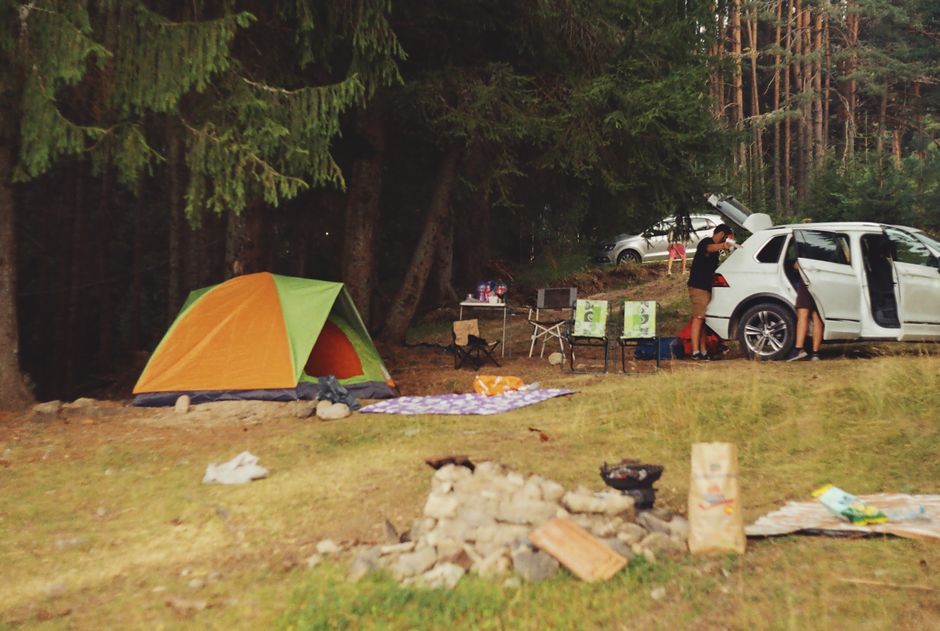
Different camping styles require different setups. Understanding your scenario helps eliminate unnecessary gear and improves comfort.
Weekend campground camping setup
This is the easiest entry point. You can bring more comfort items since you’re close to facilities.
Family camping with kids
Focus on safety, visibility, and comfort. Kids benefit from familiar spaces that reduce anxiety and improve sleep quality.

Kids Play Tent can help children transition into outdoor environments by creating a familiar, safe space during family camping trips.
Car camping vs backpacking differences
Car camping allows heavier gear and comfort upgrades, while backpacking requires minimal, lightweight essentials.
Budget Breakdown: How Much Beginners Should Spend on Camping Gear

Camping gear costs vary widely, but beginners should focus on function over brand. A reasonable starter budget depends on how often you plan to camp.
Low-budget setups focus on essentials only, mid-range setups improve comfort and durability, and high-end setups prioritize lightweight performance and long-term use.
Where you invest matters more than how much you spend. Sleep systems and shelter should always take priority over accessories.
Durability Benchmarks: How to Judge Camping Gear Quality
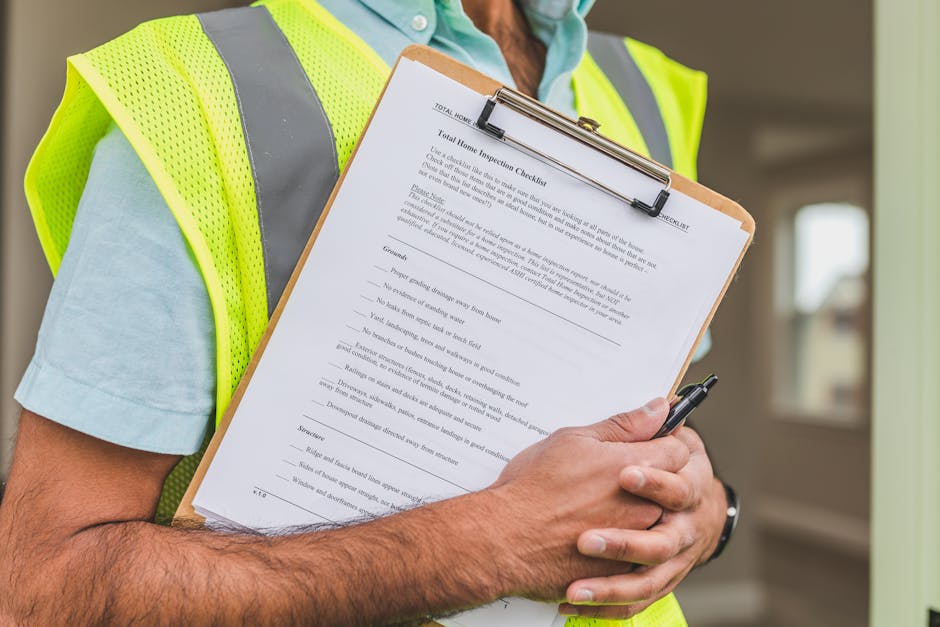
Not all gear is built equally. Understanding durability helps you avoid replacing equipment after one or two trips.
- Check fabric thickness and waterproof ratings
- Inspect zipper quality and stress points
- Evaluate frame material strength for tents
- Look for reinforced stitching in high-use areas
“Durability is not about expensive branding—it’s about how well gear survives real conditions like moisture, wind, and repeated setup cycles.” — Outdoor Equipment Specialist
Trusted ecosystems such as REI Co-op, MSR, Big Agnes, and The North Face are often referenced by experienced campers for consistency and reliability.
Final Beginner Camping Gear Checklist (Printable Summary)
Before your first trip, confirm that you have covered all four priority layers:
- Shelter: tent, ground protection
- Sleep: sleeping bag, pad, insulation
- Food: stove, cookware, storage
- Safety: lighting, navigation, first aid
Use this as your final pre-trip check to avoid missing essentials and ensure a smooth outdoor experience.
For more structured preparation guides, explore the Baby Care Tips & Advice section, which shares helpful frameworks for planning, safety, and routine-building that also translate well into family camping preparation.
FAQ
What camping gear do beginners actually need for a first trip?
A tent, sleeping system, cooking setup, water supply, and basic safety tools are essential. Avoid luxury gear on your first trip.
How do I choose the right tent size and type for beginners?
Always size up from manufacturer ratings and choose a 3-season tent for most conditions.
What is the essential camping checklist to avoid overpacking?
Stick to shelter, sleep, food, and safety essentials only. Comfort items should be optional.
How much should beginners spend on camping gear?
Start with a modest budget focused on essentials, then upgrade gradually after your first few trips.
What are the most common beginner camping mistakes to avoid?
Overpacking, ignoring weather conditions, and underestimating nighttime temperature drops are the most common mistakes.
Related Articles:
- Must Have Camping Gear for Beginners: The Complete 2026 Checklist
- How to Choose Camping Gear: Beginner Setup Guide for Every Trip (2026)
- Budget vs Premium Fishing Rod Combos: Which One Is Actually Worth Buying in 2026?
- Best Camping Gear for Beginners (2026 Guide): Easy Picks for First-Time Campers
- Camping Equipment Basics: Family-Friendly Gear Guide for Beginner Campers





