

Camping Gear Beginners Guide: Essential Outdoor Gear Checklist for Families
Your first family camping trip rarely goes exactly as planned. Many beginner campers discover too late that they forgot weather protection, packed the wrong sleeping gear, underestimated outdoor temperatures, or struggled to organize baby supplies at the campsite. Families with toddlers and babies often face even more challenges, from keeping children comfortable outdoors to creating safe sleeping and feeding setups. The good news is that successful camping does not require expensive professional gear or years of experience. With the right systems, beginner-friendly equipment, and practical planning strategies, families can confidently enjoy outdoor adventures while staying organized, safe, and comfortable.
This comprehensive camping gear beginners guide covers everything new campers need to know, including shelter systems, lightweight hiking essentials, weatherproof clothing, family camping organization, baby-safe outdoor preparation, storm readiness, outdoor cooking equipment, and toddler-friendly campsite activities. Whether you are planning a weekend park picnic, your first campground trip, or a family hiking getaway, this guide will help you build a practical and reliable outdoor setup.
What Camping Gear Do Beginners Really Need?

Most beginner campers overpack unnecessary items while forgetting critical essentials. Instead of buying everything at once, focus on building a camping system that supports safety, weather protection, sleeping comfort, food preparation, and family organization.
The 5 Core Camping Gear Categories Every Beginner Needs
Beginner camping gear can be simplified into five essential categories:
- Shelter: Tent, rainfly, ground tarp, stakes, and repair kit
- Sleep System: Sleeping bags, sleeping pads, pillows, blankets, and insulation layers
- Cooking & Hydration: Stove, cookware, utensils, water storage, and food containers
- Weather Protection: Rain gear, layered clothing, sunscreen, hats, and waterproof storage
- Safety & Navigation: First aid kit, flashlights, emergency weather alerts, maps, and power backup
Families camping with babies should also prioritize organization systems. Many parents use products from the Mom Essentials collection to simplify packing and campsite routines during longer outdoor trips.
Quick Beginner Camping Checklist
- Waterproof family tent
- Sleeping bags rated for expected temperatures
- Sleeping pads or air mattresses
- Portable camping stove
- Water containers and hydration bottles
- Headlamps or lanterns
- First aid kit
- Weatherproof jackets and layered clothing
- Sunscreen and insect repellent
- Portable chargers or backup power
- Baby feeding and diaper supplies
- Toddler outdoor activity gear
- Camping chairs and picnic blankets
- Trash bags and campsite cleanup supplies
Families preparing for longer trips often organize essentials using resources from the Health & Safety Tips section to improve emergency readiness and child-safe outdoor planning.
Common Beginner Camping Mistakes to Avoid
One of the biggest beginner mistakes is choosing gear based only on price instead of weather suitability and durability. Cheap tents without proper waterproofing frequently fail during storms. Another common issue is underestimating nighttime temperatures. Even summer camping trips can become dangerously cold without proper insulation layers.
Families with children often bring too many toys while forgetting practical organization systems. Instead of packing excess entertainment items, focus on compact outdoor play ideas such as scavenger hunts, park games, lightweight balls, and foldable play zones for toddlers.
Another overlooked issue is campsite layout. Beginner campers should establish separate zones for cooking, sleeping, diapering, gear storage, and child play areas. This improves safety and reduces clutter during multi-day trips.
How to Choose Camping Gear for Family Trips
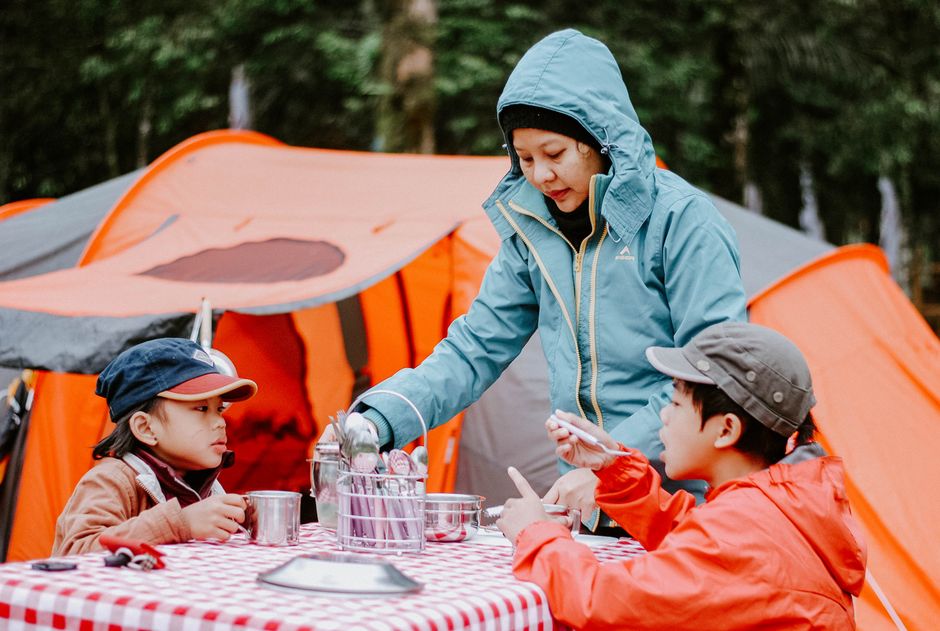
Family camping requires balancing comfort, safety, weight, organization, and weather preparedness. Unlike solo backpackers, families often prioritize space efficiency and campsite convenience over ultra-lightweight setups.
Choosing Gear Based on Family Size and Camping Style
Before purchasing camping gear, define your camping style:
- Car Camping: Larger tents, heavier comfort gear, and full cooking setups
- Short Hiking Trips: Lightweight backpacks, compact shelters, and minimal cookware
- Family Campgrounds: Comfort-focused gear with kid-friendly campsite systems
- Backcountry Camping: Lightweight gear with advanced weather protection
Families with babies and toddlers should prioritize easy setup equipment, organized storage, and weatherproof materials. Gear that reduces setup stress often improves the entire outdoor experience.
A practical example is the 3-in-1 Diaper Bag Backpack with Foldable Baby Bed, which combines organized storage, waterproof protection, and a portable changing station for campsite convenience.

Many beginner families also explore the Baby Care Essentials collection when organizing outdoor travel routines and portable baby systems.
The Family Camping Checklist System
Organized campers typically divide supplies into labeled categories:
| Category | Examples |
| Sleep Gear | Tent, sleeping bags, blankets, pillows |
| Cooking Gear | Stove, cookware, utensils, coolers |
| Weather Gear | Rain jackets, ponchos, extra socks |
| Baby Supplies | Diapers, wipes, bottles, feeding tools |
| Safety Supplies | First aid kit, lanterns, power banks |
Using separate bins or waterproof bags helps prevent campsite clutter while improving emergency access during bad weather.
Comfort vs Weight: Finding the Right Balance
New campers often assume lighter gear is always better, but comfort matters significantly during family trips. Sleeping quality directly impacts energy levels, child behavior, and overall enjoyment.
Families driving directly to campsites can prioritize thicker sleeping pads, larger tents, and folding chairs. Hikers should focus on reducing duplicate items and choosing multipurpose gear.
Budget-Friendly Camping Gear Priorities for First-Time Families
If you are building your first camping setup, prioritize spending in this order:
- Weatherproof tent
- Warm sleep system
- Rain protection clothing
- Cooking equipment
- Safety supplies
- Lighting and backup power
It is better to own fewer high-quality essentials than dozens of unreliable budget accessories.
Parents preparing family camping systems often combine outdoor supplies with portable feeding tools from the Feeding Tools collection for easier campsite meals.
Essential Shelter and Sleeping Gear for Beginner Campers
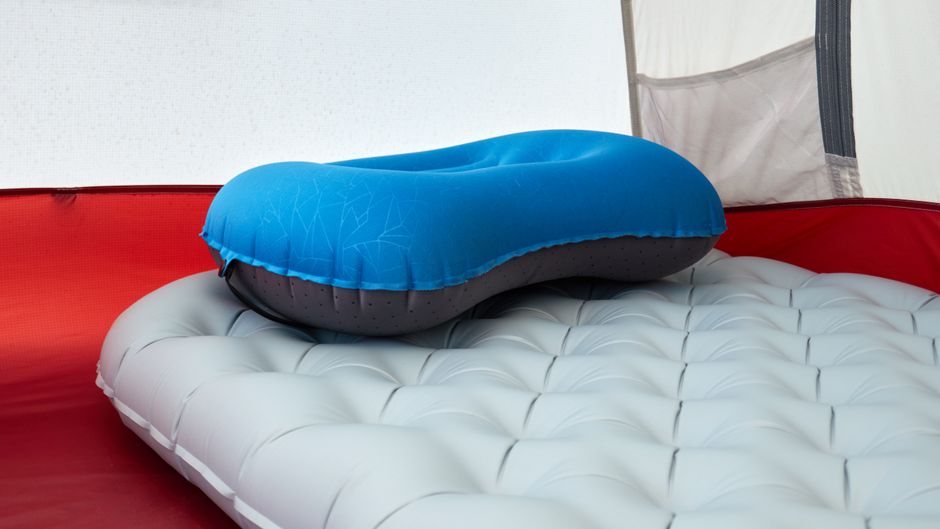
Your shelter and sleeping system determines whether camping feels relaxing or exhausting. Most beginner camping discomfort comes from poor sleep preparation and inadequate weather protection.
How to Choose a Waterproof Camping Tent
When choosing a beginner tent, focus on these key features:
- Rainfly coverage extending fully over tent body
- Minimum 2000mm waterproof rating
- Ventilation windows to reduce condensation
- Easy color-coded pole setup
- Extra floor space for family organization
For family trips, choose a tent rated for at least one additional person beyond your group size. A family of four often feels most comfortable in a six-person tent.
Understanding Sleeping Bag Temperature Ratings
Sleeping bag ratings indicate survival temperatures, not comfort temperatures. Beginners should choose sleeping bags rated 10–15 degrees lower than expected nighttime conditions.
| Season | Recommended Sleeping Bag Rating |
| Summer | 30°F to 40°F |
| Spring/Fall | 15°F to 30°F |
| Winter | Below 15°F |
Children and babies lose heat faster than adults, making layered sleep systems extremely important during cold weather camping.
Sleeping Pads, Air Mattresses, and Family Comfort Layers
The ground pulls body heat away rapidly at night. Sleeping pads provide both cushioning and insulation. Families camping with toddlers often combine foam pads with blankets and insulated mats for extra warmth.
Many parents preparing sleep systems also explore the Sleep & Comfort collection for portable child comfort accessories useful during outdoor travel.
Rain Protection and Ground Insulation Strategies
Always place a tarp underneath your tent to reduce moisture penetration. However, avoid allowing tarp edges to stick out beyond the tent floor because rainwater can collect underneath.
Inside the tent, organize gear in waterproof bins or dry bags. Wet clothing and exposed food containers increase campsite discomfort and safety risks during storms.
"The most successful beginner campers are usually the best organized campers. Weather changes quickly outdoors, and preparation matters more than expensive gear."
Best Lightweight Outdoor Gear for Hiking Trips

Lightweight hiking gear helps families stay mobile, reduce fatigue, and enjoy longer outdoor adventures without unnecessary strain.
What Makes Lightweight Backpacking Gear Beginner Friendly?
Beginner-friendly lightweight gear should prioritize simplicity over technical complexity. The best entry-level outdoor gear is:
- Easy to set up
- Durable enough for repeated use
- Compact for storage
- Weather resistant
- Comfortable for children and adults
Many new hikers make the mistake of carrying duplicate items "just in case." Efficient packing improves mobility and reduces exhaustion during trails.
Lightweight Packing Systems for Families
Families should divide gear weight strategically:
- Adults carry shelter and cooking equipment
- Older kids carry lightweight personal items
- Baby gear stays centralized in accessible compartments
Portable organization systems become especially important during hiking breaks and park stops.
The 3-in-1 Diaper Bag Backpack with Foldable Baby Bed & USB Port can simplify family hiking logistics by combining storage, feeding organization, and a portable baby rest area in one compact design.

Families looking for additional travel organization systems often browse the Smart Baby Gadgets collection for compact outdoor-friendly accessories.
Best Hiking Hydration System Options for Beginners
Hydration mistakes are common among beginner hikers. Every family member should have accessible water throughout the day.
Good beginner hydration options include:
- Reusable water bottles
- Hydration reservoirs
- Insulated bottles for babies
- Compact water filtration systems
During extreme heat, children should take hydration breaks every 20–30 minutes while participating in outdoor activities.
How to Reduce Pack Weight Without Sacrificing Safety
Remove unnecessary duplicates while keeping critical emergency gear:
- Keep one reliable first aid kit
- Use multi-use clothing layers
- Share cookware among family members
- Carry compact emergency shelter supplies
- Limit heavy electronics
Never reduce pack weight by removing weather protection, insulation layers, navigation tools, or emergency communication equipment.
Camping Kitchen Essentials and Food Preparation Gear

Outdoor cooking becomes significantly easier when families use simple systems instead of overcomplicated setups.
Choosing a Portable Camping Stove
Beginner campers typically choose between propane stoves and compact backpacking stoves.
| Type | Best For | Advantages |
| Two-Burner Stove | Family camping | Easy cooking and meal prep |
| Compact Stove | Hiking trips | Lightweight and portable |
Families should prioritize stable cooking surfaces and wind protection when selecting campsite cooking gear.
Must-Have Camping Cookware Set Items
- Lightweight cooking pots
- Portable frying pan
- Reusable utensils
- Insulated mugs
- Cutting board
- Food storage containers
- Dishwashing basin
Outdoor cooking becomes easier when meal prep is completed before arriving at camp.
Food Storage and Wildlife Safety Basics
Never leave food exposed overnight. Use sealed storage bins or bear-resistant containers depending on the camping location.
Store food away from sleeping areas and clean cooking surfaces immediately after meals. Even small crumbs can attract wildlife.
Simple Meal Planning for Family Camping Trips
Simple meals reduce stress during outdoor trips. Good beginner camping meals include:
- Foil packet dinners
- Pre-made sandwiches
- Pasta dishes
- Instant oatmeal
- Trail mix and fruit snacks
- Pre-cooked proteins
Families with babies often simplify campsite feeding using compact accessories from the Bottle Warmers and Feeding & Nursing collections.
Weatherproof Outdoor Clothing and Rain Protection Strategies
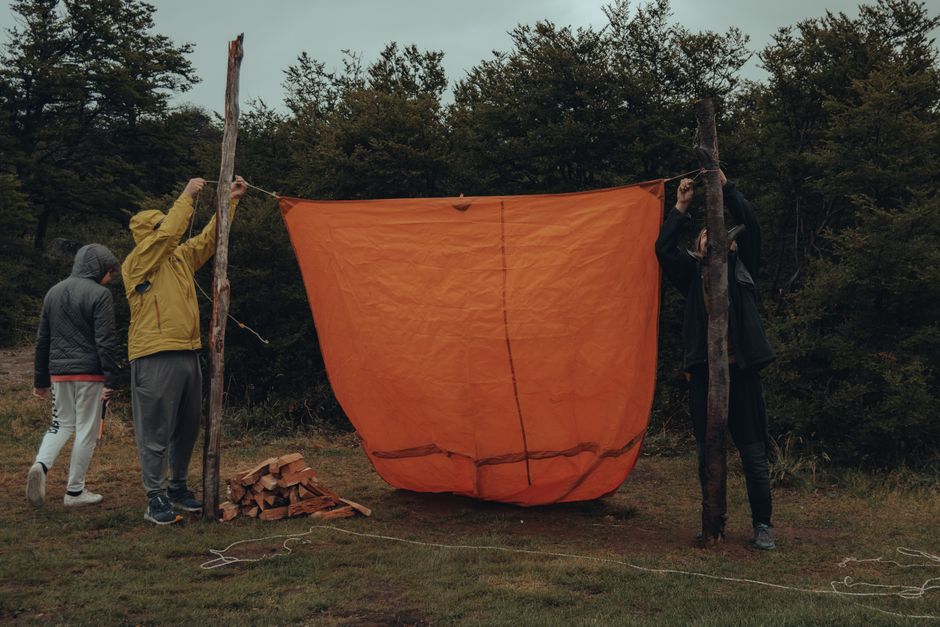
Weather changes quickly outdoors, and proper clothing systems help prevent cold stress, overheating, and dangerous exposure conditions.
What Waterproof Camping Gear Is Essential for Rainy Weather?
Every beginner camper should pack:
- Waterproof rain jacket
- Rain pants
- Quick-dry clothing
- Extra socks
- Waterproof boots
- Dry bags for electronics
- Tent rainfly and tarp
Families with toddlers should also pack backup clothing layers because children often become wet during outdoor play activities.
The Layering System Every Beginner Camper Should Know
The standard outdoor layering system includes:
- Base Layer: Moisture-wicking clothing
- Mid Layer: Insulation such as fleece
- Outer Layer: Waterproof shell protection
Layering helps regulate temperature during changing weather conditions and hiking activity levels.
Cold Weather vs Hot Weather Camping Gear Priorities
| Condition | Priority Gear |
| Cold Weather | Insulation, sleeping warmth, thermal layers |
| Hot Weather | Ventilation, hydration, UV protection |
| Rainy Conditions | Waterproof gear, dry storage, tarps |
Extreme heat safety tips for camping include avoiding strenuous hiking during midday, increasing water intake, and establishing shaded rest areas for children.
Sun Safety and UV Protection for Families
Sun exposure risks increase during hiking, beach camping, and open campground activities.
- Use broad-spectrum sunscreen
- Wear wide-brim hats
- Use UV-protective sunglasses
- Schedule breaks in shaded areas
- Keep babies out of direct midday sun
Parents exploring how to protect babies from sunlight often combine lightweight shade systems with accessories from the Health & Safety collection.
Camping Safety Equipment Every Beginner Should Pack

Safety preparation is one of the most overlooked aspects of beginner camping. Reliable emergency systems can prevent minor problems from becoming dangerous situations.
How to Build an Outdoor First Aid Kit
A family camping first aid kit should include:
- Bandages and gauze
- Antiseptic wipes
- Pain relievers
- Tweezers
- Medical tape
- Thermometer
- Allergy medication
- Emergency blanket
- Child-safe medications
Parents often supplement emergency kits with monitoring supplies from the Monitoring Devices and Temperature Tools collections.
Emergency Lighting, Backup Power, and Portable Power Stations
Reliable lighting is essential during storms and nighttime emergencies.
Recommended beginner lighting systems include:
- LED lanterns
- Rechargeable headlamps
- Solar-powered lights
- Portable battery banks
Portable power stations become especially useful during extended family camping trips where phones, baby monitors, and emergency weather radios require charging.
Storm Preparedness and Campsite Hazard Awareness
Before camping, check weather forecasts and identify evacuation areas. Avoid pitching tents near rivers, unstable trees, or low ground prone to flooding.
How to stay safe during storms:
- Secure tents with reinforced stakes
- Store gear in waterproof containers
- Monitor weather alerts regularly
- Avoid open fields during lightning
- Keep emergency supplies accessible
Families researching severe weather preparation often review guides from the Health & Safety Tips resource hub.
Essential Navigation and Communication Gear
Navigation gear should include:
- Printed maps
- Compass
- Offline GPS apps
- Emergency whistles
- Weather radio
Even beginner campers visiting familiar parks should carry navigation backups because cell coverage may fail unexpectedly.
How to Safely Camp With a Baby for the First Time
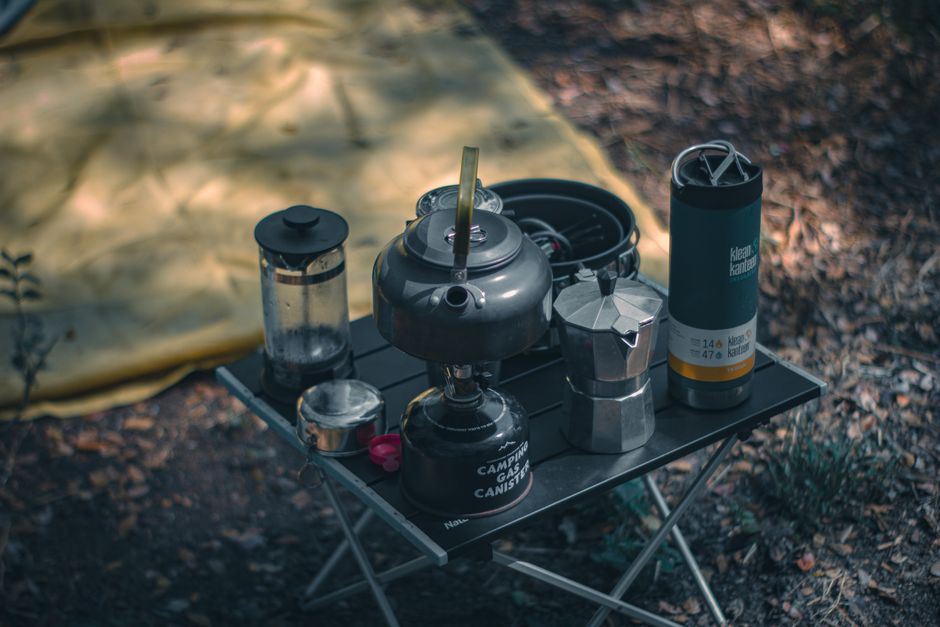
Camping with a baby requires additional preparation, but many families successfully introduce infants and toddlers to outdoor adventures through simple comfort-focused systems.
Baby Camping Essentials Checklist
- Portable sleep setup
- Weather-appropriate baby clothing
- Extra blankets
- Portable feeding supplies
- Baby-safe sunscreen
- Diapers and wipes
- Portable changing station
- Insulated bottle storage
- Compact baby toys
Parents frequently organize outdoor baby supplies using products from the Baby Care Essentials and Baby Hygiene Gadgets collections.
Portable Diapering and Feeding Station Setup
One of the biggest challenges while camping with babies is maintaining clean and organized diapering areas.
The Waterproof Diaper Backpack – Large Capacity for Busy Moms can help simplify campsite organization with waterproof storage compartments and hands-free portability.

Portable diaper stations should remain separate from cooking areas and sleeping zones to improve campsite hygiene.
Safe Sleeping and Temperature Control for Babies Outdoors
Babies cannot regulate temperature as effectively as adults. Parents should:
- Dress babies in breathable layers
- Avoid overheating inside tents
- Monitor nighttime temperatures carefully
- Use insulated sleeping surfaces
- Keep babies dry during rain and humidity
Cold weather camping safety for beginners becomes especially important when infants are part of the trip.
Keeping Toddlers Entertained at the Campsite
Easy outdoor play ideas for toddlers include:
- Nature scavenger hunts
- Bubble play
- Mini obstacle courses
- Fun park games
- Toddler-safe hiking trails
- Foldable outdoor play tents
Outdoor play activities for preschoolers become more enjoyable when families create simple backyard-style play zones near the campsite.
Parents often find sensory-friendly outdoor entertainment ideas through the Sensory Toys and Baby Growth & Learning collections.
The Ultimate Family Camping Packing Flowchart and Gear Checklist

Organized packing systems help beginners reduce stress, avoid forgotten supplies, and improve campsite efficiency.
Camping Gear Checklist by Trip Length
| Trip Length | Recommended Gear Focus |
| Day Trip | Hydration, snacks, weather layers |
| Weekend Trip | Full sleep system, cooking setup, rain protection |
| Multi-Day Camping | Expanded food storage, backup clothing, power systems |
Packing Checklist for Rainy, Cold, and Summer Conditions
Rainy Conditions:
- Waterproof jackets
- Extra socks
- Ground tarps
- Waterproof storage bags
Cold Weather:
- Thermal layers
- Cold-rated sleeping bags
- Insulated gloves and hats
- Emergency blankets
Summer Camping:
- Sun hats
- Cooling towels
- Hydration packs
- Portable shade systems
Printable Family Camping Checklist System
Many experienced campers keep reusable packing checklists divided into categories:
- Shelter setup
- Cooking supplies
- Weather protection
- Safety equipment
- Baby and toddler supplies
- Outdoor games and activities
This type of organization reduces forgotten gear and simplifies trip preparation.
Families building long-term outdoor systems often combine camping organization with travel-friendly products from the Mom Essentials Guide and Baby Care Tips & Advice resources.
Frequently Asked Questions
What camping gear do beginners really need?
Beginners should prioritize shelter, sleeping systems, cooking equipment, weather protection, and safety gear. A waterproof tent, warm sleeping bag, reliable lighting, first aid kit, and layered clothing are the most important essentials.
How do I choose camping gear for family trips?
Choose camping gear based on family size, trip length, weather conditions, and camping style. Family campers typically prioritize comfort, organization, and weather protection over ultralight setups.
What is the best lightweight outdoor gear for hiking trips?
The best lightweight outdoor gear combines portability, weather resistance, durability, and ease of use. Compact shelters, hydration systems, lightweight backpacks, and multipurpose clothing layers work well for beginners.
What waterproof camping gear is essential for rainy weather?
Essential waterproof gear includes rain jackets, rain pants, waterproof tents, dry bags, tarps, and weather-resistant footwear. Waterproof storage systems help keep clothing and electronics dry.
How can you safely camp with a baby for the first time?
Focus on temperature regulation, organized diapering systems, portable feeding setups, weather protection, and clean sleeping areas. Keep babies dry, shaded, and comfortably layered throughout the trip.
What size tent is best for a family camping trip?
Most families should choose a tent rated for at least one more person than their group size. Extra space improves comfort and gear organization.
How cold can a sleeping bag safely handle?
Sleeping bag ratings indicate survival conditions rather than comfort. Beginners should choose bags rated 10–15 degrees colder than expected nighttime temperatures.
What should be included in a camping first aid kit?
A camping first aid kit should include bandages, antiseptic wipes, medications, tweezers, emergency blankets, child-safe supplies, and temperature monitoring tools.
How do beginners stay organized while camping?
Use labeled storage bins, category checklists, waterproof bags, and designated campsite zones for cooking, sleeping, hygiene, and gear storage.
What are the most important camping safety tips for families?
Monitor weather conditions, carry emergency supplies, maintain hydration, practice campsite fire safety, use layered clothing systems, and establish organized sleeping and cooking areas.
Conclusion
Successful beginner camping is not about owning the most expensive equipment. It is about building reliable systems that support safety, comfort, weather readiness, and family organization. A thoughtfully planned campsite, practical packing checklist, layered clothing system, and family-friendly organization strategy can dramatically improve outdoor experiences for both adults and children.
As your outdoor confidence grows, you can gradually expand your camping setup based on your family’s preferred activities, climates, and travel style. Whether you are learning how to camp with a baby, planning lightweight hiking adventures, or preparing for seasonal camping trips, consistent preparation and simple systems make outdoor travel more enjoyable and far less stressful.
For additional family outdoor organization ideas, explore the Mobility & Training, Beauty & Wellness, and
Pillar Article: Outdoor Activities Families Guide: Safe & Fun Ideas for Babies and Toddlers





