

The Ultimate Outdoor Activities Families Guide for Babies and Young Kids
Getting outside with babies and toddlers can feel overwhelming at first. Parents often worry about naps, weather changes, feeding schedules, meltdowns, sun exposure, and packing enough gear for every possible situation. Yet outdoor experiences are some of the most rewarding moments families can create together. Fresh air, movement, sensory play, and nature exploration help children develop physically and emotionally while giving parents a chance to slow down and reconnect as a family.
Whether you are planning stroller walks, backyard sensory play, park picnics, beginner hiking adventures, or your first camping trip with a baby, the key is building simple outdoor routines that work for your family’s lifestyle. Many parents also explore practical support tools through the Baby Care Essentials collection and seasonal guidance from the Health & Safety Tips hub when preparing for outdoor family activities.
Why Outdoor Activities Matter for Babies and Toddlers

Outdoor activities support nearly every area of early childhood development. Babies and toddlers naturally learn through movement, observation, texture exploration, and sensory experiences. Outdoor environments encourage curiosity while reducing overstimulation often caused by constant indoor screen exposure and noisy environments.
Families who spend consistent time outdoors often report better sleep routines, improved emotional regulation, stronger physical coordination, and more meaningful family bonding experiences. Outdoor routines also create predictable healthy habits that children carry into later childhood.
How Outdoor Play Supports Early Childhood Development
Outdoor movement helps babies and toddlers strengthen balance, coordination, motor planning, and muscle development. Crawling on grass, reaching for leaves, climbing small playground structures, and walking uneven surfaces all challenge the body in healthy ways.
- Grass textures improve sensory processing
- Natural light supports healthy sleep cycles
- Outdoor sounds encourage auditory development
- Nature walks improve vocabulary exposure
- Movement-based play strengthens motor skills
- Social park interactions encourage emotional growth
Outdoor play also encourages independent exploration. Toddlers who regularly interact with natural environments often develop stronger confidence and problem-solving skills because outdoor spaces provide more open-ended learning opportunities.
Parents looking to support sensory exploration often combine outdoor routines with resources from the Sensory Toys collection and developmental guidance from Baby Growth & Learning Tips.
Benefits of Nature Exposure for Babies and Toddlers
Nature exposure offers both physical and emotional benefits for young children. Time outdoors can help regulate mood, reduce stress, and improve overall daily routines. Even short outdoor sessions provide meaningful developmental stimulation.
| Outdoor Experience | Potential Benefit |
| Morning sunlight exposure | Supports circadian rhythm and sleep |
| Walking outdoors | Improves physical coordination |
| Sensory nature play | Encourages brain development |
| Park socialization | Builds confidence and communication |
| Outdoor family routines | Reduces stress and screen dependence |
Outdoor time does not need to involve complicated travel plans. Backyard play, neighborhood walks, and local parks can provide meaningful experiences for babies and toddlers.
Recommended Outdoor Time by Age Group
Outdoor routines should match a child’s developmental stage and energy level.
| Age Group | Suggested Outdoor Activities | Recommended Duration |
| 0–6 months | Shaded stroller walks, tummy time outdoors | 20–45 minutes |
| 6–12 months | Sensory blankets, park observation, crawling | 45–90 minutes |
| 1–2 years | Water play, beginner walking trails | 1–2 hours |
| 2–4 years | Playgrounds, scavenger hunts, outdoor games | 2–3 hours |
Best Outdoor Activities for Babies and Toddlers by Age

Age-appropriate outdoor activities help children stay engaged without becoming overwhelmed. The best experiences combine movement, sensory exploration, and flexible pacing.
Outdoor Activities for Babies 0-12 Months
Babies benefit most from calm sensory experiences and simple observation activities. Parents often assume infants are too young for outdoor play, but even newborns benefit from fresh air and visual stimulation.
- Shaded tummy time sessions
- Nature listening walks
- Picnic blanket play
- Stroller walks on quiet trails
- Leaf and texture exploration
- Outdoor story time
Portable play surfaces can make outdoor infant routines easier, especially on uneven grass or sandy surfaces. Many families use the Foldable Baby Play Mat – Waterproof, Soft & Outdoor Safe for tummy time, shaded park play, and beach outings.

Soft outdoor play surfaces can help babies safely practice rolling, crawling, and sensory exploration during family outings.
Outdoor Activities for Young Toddlers 1-2 Years
Young toddlers enjoy movement-based activities that allow them to explore independently while staying close to caregivers.
- Bubble chasing
- Water pouring stations
- Simple obstacle paths
- Beginner nature walks
- Sandbox exploration
- Ball rolling games
- Outdoor music play
Short activity rotations work best for this age group because attention spans are still developing. Parents often succeed by alternating calm sensory play with active movement.
For additional developmental ideas, many families browse the Baby Growth & Learning collection for activity inspiration that supports outdoor routines.
Outdoor Activities for Older Toddlers 2-4 Years
Older toddlers enjoy imaginative and goal-oriented outdoor games. This age group thrives on pretend play, simple challenges, and social interaction.
- Nature scavenger hunts
- Sidewalk chalk obstacle courses
- Pretend camping adventures
- Mini gardening projects
- Balance beam games
- Treasure hunts
- Animal movement races
Outdoor pretend play can dramatically increase engagement duration. Activities that encourage imagination often reduce boredom-related meltdowns during long outings.
Easy Outdoor Activities Families Can Do Together
Family outdoor routines do not need to involve expensive travel or advanced planning. Some of the best family memories come from simple activities repeated consistently.
- Weekend neighborhood walks
- Park picnics after dinner
- Backyard splash days
- Family nature bingo games
- Simple hiking trail exploration
- Sunset playground visits
- Camping practice in the backyard
Parents who create repeatable routines often find outdoor planning becomes less stressful over time. Keeping a small outdoor bag packed with essentials can simplify spontaneous outings.
“Children do not need elaborate outdoor experiences to benefit from nature. Consistent exposure to fresh air, movement, and family interaction often matters more than destination complexity.”
How to Create a Safe Outdoor Environment for Babies

Outdoor safety is one of the biggest concerns for parents with young children. Proper preparation reduces stress while helping families enjoy outdoor experiences more confidently.
Sun Protection Strategies for Babies and Toddlers
Sun protection is critical during outdoor family activities. Babies and toddlers are more vulnerable to heat stress and sunburn than older children and adults.
- Choose shaded activity areas whenever possible
- Use lightweight long-sleeve clothing
- Bring wide-brim hats
- Offer frequent hydration breaks
- Avoid midday heat
- Use stroller sunshades carefully for airflow
Parents planning long outdoor days often prepare through the Health & Safety collection and related seasonal safety resources.
Weather Safety Tips for Outdoor Family Activities
Weather conditions can change quickly, especially during camping trips and hiking outings. Families should always prepare for temperature shifts, rain, and unexpected wind exposure.
| Weather Condition | Safety Tip |
| Extreme heat | Schedule activities early morning |
| Cold weather | Dress children in removable layers |
| Rain | Pack waterproof clothing and dry towels |
| Windy conditions | Limit exposure for young infants |
| Storm warnings | Leave outdoor areas immediately |
Understanding weather safety reduces anxiety during outdoor trips and helps families build confidence for longer adventures.
Outdoor Safety Checklist for Parents
- Extra water and snacks
- Diapers and wipes
- Sun hats and sunscreen
- First-aid basics
- Extra clothing layers
- Portable shade options
- Comfort toys
- Emergency contact information
Parents who regularly prepare outdoor kits often experience fewer disruptions during activities and family outings.
Family Park Picnic Planning Guide
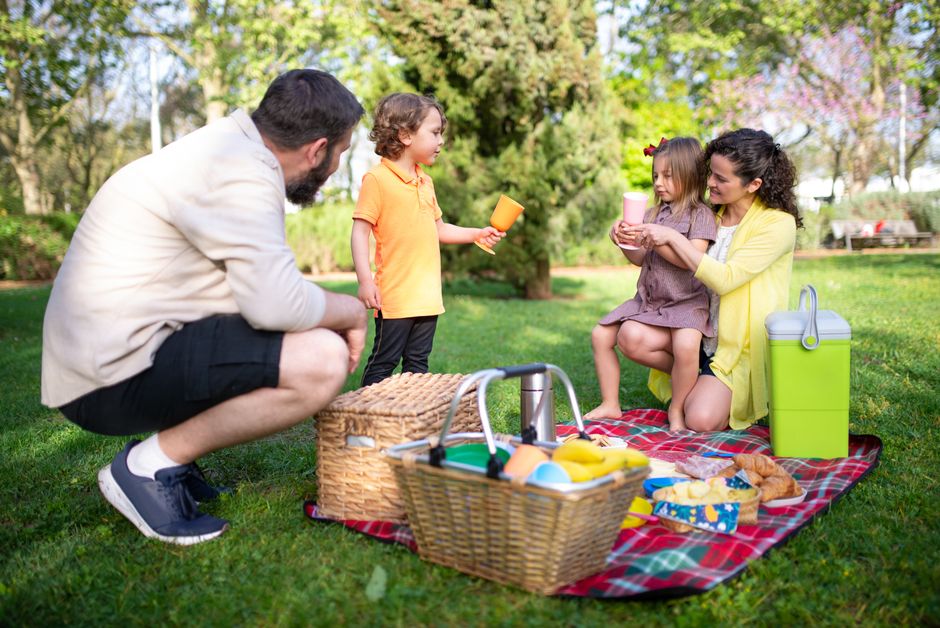
Park picnics are one of the easiest ways to introduce babies and toddlers to outdoor family routines. They are flexible, affordable, and adaptable for different age groups.
What to Pack for a Family Park Picnic With a Baby
Packing efficiently can determine whether a picnic feels relaxing or stressful. Parents should focus on comfort, hydration, and flexibility.
| Essential Item | Purpose |
| Portable blanket or mat | Clean play surface |
| Snacks and drinks | Prevent hunger meltdowns |
| Extra clothing | Weather and spills |
| Toys or books | Quiet entertainment |
| Baby wipes | Easy cleanup |
| Sun protection gear | Heat and UV safety |
Families planning regular outdoor outings often organize supplies using ideas from the Mom Essentials collection and planning articles inside the Mom Essentials Guide.
Essential Portable Outdoor Gear for Families
Lightweight gear can make family outings dramatically easier. Portable equipment helps parents create flexible play environments almost anywhere.
Many parents use foldable play tents during park outings to create shaded quiet spaces for snacks, naps, or sensory breaks. The Kids Play Tent – Foldable Safe Indoor & Outdoor Playhouse is one example of a portable setup designed for quick outdoor use.

Portable shaded spaces can help toddlers transition between active play and quiet time more easily during long outdoor sessions.
How to Organize Stress-Free Outdoor Family Trips
Parents often overpack or overschedule outings, which can increase stress. Simpler plans usually create better experiences for young children.
- Choose one main activity
- Keep travel times short
- Plan around naps when possible
- Pack the night before
- Bring familiar comfort items
- Allow extra transition time
Flexibility matters more than perfect schedules. Babies and toddlers respond best when adults remain calm and adaptable.
Camping With Babies and Toddlers: Complete Beginner Guide

Camping with babies may sound intimidating, but beginner-friendly camping trips can become some of the most memorable family experiences. The key is starting simple and choosing realistic expectations.
How to Safely Go Camping With a Baby
Families new to camping should start with nearby campgrounds and shorter overnight trips. This allows parents to learn what works before planning larger adventures.
- Choose weather-friendly seasons
- Practice sleeping setups at home first
- Pack more layers than expected
- Keep nighttime routines familiar
- Maintain hydration carefully
- Use shaded campsites when possible
Portable sleep comfort items can help babies adjust to unfamiliar outdoor environments. Parents also frequently browse the Sleep & Comfort collection before overnight family trips.
Best Camping Activities for Toddlers
Toddlers love camping because every outdoor environment feels new and exciting.
- Flashlight games
- Nature collecting
- Simple hiking trails
- Rock painting
- Outdoor storytelling
- Shadow play
- Campfire songs
Keeping activities low-pressure helps toddlers stay engaged without becoming overstimulated.
Must-Have Family Camping Gear for Young Kids
Camping gear should focus on comfort, safety, and portability rather than complicated equipment.
| Gear Type | Why It Helps |
| Portable play mat | Creates clean play areas |
| Foldable play tent | Provides shade and quiet space |
| Layered clothing | Supports temperature regulation |
| Compact stroller | Easier campsite mobility |
| Storage organizers | Reduces clutter and stress |
Many beginner campers also prepare using the Temperature Tools and Monitoring Devices collections for added peace of mind during overnight trips.
Camping Mistakes Parents Should Avoid
- Overplanning activities
- Choosing remote campsites first
- Ignoring weather forecasts
- Skipping naps entirely
- Bringing too much gear
- Staying outdoors during storms
Parents who start small often build confidence quickly and discover that camping with babies becomes easier after the first few trips.
Backyard Outdoor Play Ideas for Babies and Toddlers

Backyards can become some of the best outdoor learning environments because they allow families to practice consistent routines without travel pressure.
How to Build a Backyard Play Zone
Simple backyard zones help children understand expectations and encourage longer independent play sessions.
- Create shaded seating areas
- Add sensory bins
- Use soft ground surfaces
- Keep water play separate
- Rotate toys weekly
- Store outdoor essentials nearby
Parents often build repeatable routines around sensory and movement activities supported by the Mobility & Training collection.
Outdoor Sensory Play Activities
Sensory play helps children explore textures, temperatures, movement, and problem-solving.
- Water pouring stations
- Bubble foam bins
- Nature treasure baskets
- Ice cube exploration
- Sand and scoop stations
- Texture walks
Outdoor sensory play can improve attention span and emotional regulation while encouraging creativity.
Simple Toddler Outdoor Games That Encourage Movement
Movement-based outdoor games help toddlers release energy while strengthening coordination.
- Animal races
- Ball rolling relays
- Follow-the-leader obstacle courses
- Bubble chasing
- Sidewalk chalk hopping games
- Nature scavenger hunts
Simple movement games often work better than highly structured activities because toddlers naturally prefer flexible play.
Portable Outdoor Play Systems for Modern Families
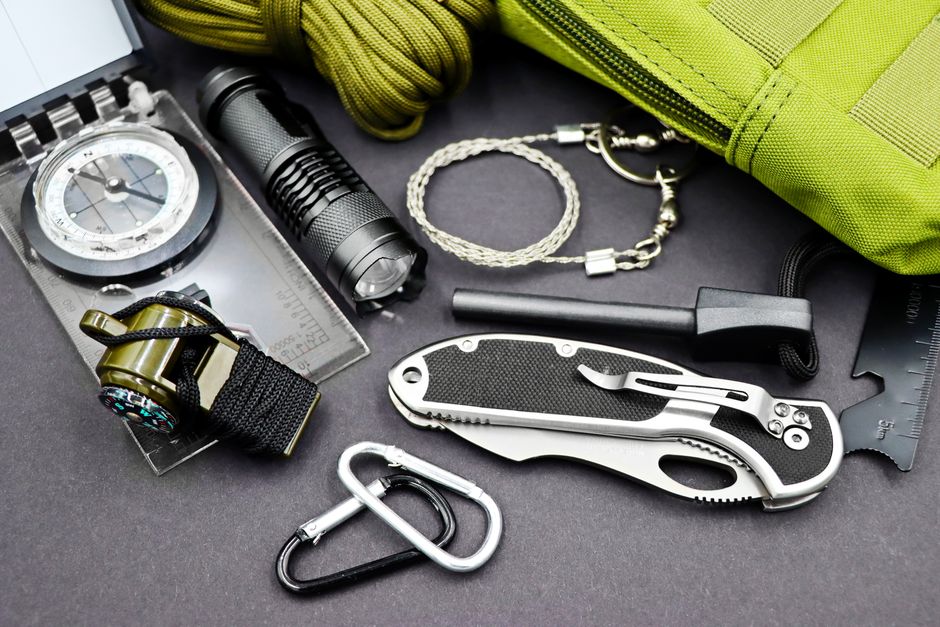
Modern families often need outdoor gear that supports flexible routines, travel, and small-space storage. Portable play systems help parents create safe play environments almost anywhere.
Why Foldable Play Mats Are Ideal for Outdoor Families
Foldable play mats offer practical benefits for both home and travel use.
- Easy transportation
- Soft surfaces for crawling
- Quick cleanup after meals
- Comfort during park outings
- Protection from damp ground
Many families use portable mats during beach trips, picnics, camping weekends, and backyard activities because they simplify setup and cleanup routines.
Benefits of Portable Play Tents for Babies and Toddlers
Portable play tents can create calming transitional spaces for toddlers during busy outdoor events or long family outings.
| Feature | Benefit |
| Foldable design | Easy travel storage |
| Mesh airflow panels | Improved ventilation |
| Covered shade area | Sun protection support |
| Defined play space | Helps toddlers settle calmly |
Portable systems are most effective when used as support tools rather than relying on them for constant containment.
Choosing Lightweight Gear for Outdoor Family Travel
Parents benefit most from gear that solves multiple problems without adding bulk.
- Choose foldable designs
- Prioritize weather-resistant materials
- Look for washable surfaces
- Select lightweight storage options
- Avoid overpacking unnecessary accessories
Families preparing for frequent outdoor travel often combine compact essentials from the Smart Baby Gadgets and Baby Hygiene Gadgets collections to simplify outings.
Expert Tips for Stress-Free Outdoor Parenting

Outdoor parenting becomes easier when families focus on flexibility rather than perfection. Children do not need highly curated outdoor experiences to benefit from time outside.
Managing Naps and Feeding During Outdoor Activities
Outdoor schedules should support natural rhythms whenever possible.
- Schedule major outings after naps
- Pack easy snacks and hydration
- Bring familiar comfort items
- Allow quiet decompression periods
- Use shade for calm feeding breaks
Many parents simplify feeding logistics using resources from the Feeding Tools and Bottle Warmers collections.
How to Keep Toddlers Engaged Outdoors Longer
Long outdoor sessions become easier when parents rotate activities and allow toddlers some control over play choices.
- Alternate active and calm activities
- Introduce new sensory materials occasionally
- Allow exploration at child pace
- Use storytelling during walks
- Create mini outdoor missions
Toddlers often stay engaged longer when activities feel playful rather than instructional.
Balancing Safety and Independent Exploration
Children build confidence through manageable risk and supervised exploration. Outdoor experiences help toddlers learn boundaries, spatial awareness, and decision-making.
Parents can support independence by:
- Creating safe exploration zones
- Using consistent safety rules
- Allowing supervised climbing and movement
- Encouraging curiosity
- Modeling calm outdoor behavior
Printable Outdoor Family Activity Checklists

Checklists help parents reduce mental load before outdoor outings. Reusable planning systems also make spontaneous adventures easier.
Park Picnic Packing Checklist
- Water bottles
- Snacks and meals
- Portable blanket or mat
- Extra clothes
- Baby wipes
- Sunscreen and hats
- Toddler toys
- Trash bags
- Hand sanitizer
Baby Camping Essentials Checklist
- Sleep setup
- Warm layers
- Portable lighting
- Baby-safe insect protection
- Hydration supplies
- Portable play space
- Comfort toys
- Emergency medications
Backyard Outdoor Play Setup Checklist
- Shade coverage
- Safe play surfaces
- Water access
- Outdoor toy rotation
- Comfort seating
- Storage bins
- Cleanup supplies
Pros and Cons of Outdoor Activities for Young Families
| Pros | Cons |
| Supports healthy development | Requires preparation and packing |
| Improves sleep and mood | Weather can interrupt plans |
| Encourages family bonding | Naps may become unpredictable |
| Reduces screen dependence | Outdoor safety requires supervision |
| Creates memorable routines | Travel logistics can feel stressful initially |
Outdoor Activity Comparison Matrix for Families

| Activity Type | Best Age Group | Difficulty Level | Preparation Needed |
| Neighborhood walks | 0–4 years | Easy | Low |
| Park picnics | 0–4 years | Easy | Medium |
| Backyard sensory play | 6 months–4 years | Easy | Low |
| Camping trips | 1–4 years | Moderate | High |
| Nature hiking | 2–4 years | Moderate | Medium |
Frequently Asked Questions
What are the best outdoor activities for babies and toddlers?
Some of the best outdoor activities include stroller walks, sensory play, shaded tummy time, water play, scavenger hunts, playground visits, backyard exploration, and family park picnics.
How do you protect babies from sunlight during outdoor activities?
Parents should use shade, lightweight protective clothing, hydration, hats, and age-appropriate sunscreen guidance while avoiding peak afternoon heat.
What should parents pack for a family park picnic with a baby?
Parents should bring hydration, snacks, wipes, extra clothing, a comfortable play surface, sun protection, and simple toys or books.
How can you safely go camping with a baby or toddler?
Start with short beginner trips, choose mild weather, maintain familiar sleep routines, pack layers, and prioritize safe sleeping arrangements.
What are easy outdoor play ideas for toddlers at parks or backyards?
Bubble play, obstacle courses, chalk games, scavenger hunts, water bins, and ball activities are simple low-cost outdoor options.
What age can babies start outdoor activities?
Babies can begin enjoying outdoor activities shortly after birth with proper weather protection, shaded environments, and short sessions.
How long should toddlers play outside each day?
Most toddlers benefit from one to three hours of outdoor play daily depending on age, weather, and activity intensity.
What outdoor gear helps parents manage toddlers more easily?
Portable play mats, foldable tents, lightweight strollers, hydration gear, and compact storage systems can simplify outdoor routines.
Are portable play tents safe for babies outdoors?
Portable play tents can be helpful when used with supervision, good airflow, proper anchoring, and weather awareness.
How do you keep toddlers entertained during family camping trips?
Nature crafts, flashlight games, scavenger hunts, storytelling, simple hiking, and sensory exploration work well during camping adventures.
Conclusion
Outdoor family activities do not need to be perfect, expensive, or highly structured to become meaningful. Babies and toddlers benefit most from consistent exposure to fresh air, movement, sensory experiences, and family connection. Whether your family enjoys short neighborhood walks, backyard play zones, weekend park picnics, or beginner camping adventures, small outdoor routines can create lasting developmental and emotional benefits.
The most successful outdoor parenting strategies focus on flexibility, preparation, and realistic expectations. Over time, families often discover that outdoor experiences become easier, calmer, and more enjoyable with simple routines and practical lightweight gear that supports comfort and safety.
For more family outdoor preparation ideas, many parents continue exploring seasonal planning resources through the Baby Care Tips & Advice and Health & Safety collections.
Related Articles:
- How to Prepare for Severe Weather While Camping and Hiking With Kids
- 35 Outdoor Play Activities for Preschool Kids That Build Learning and Fun
- Games at Parks: Ultimate Family Guide to Fun Activities, Picnic Ideas & Outdoor Play
- Camping Gear Beginners Guide: Essential Outdoor Gear for Family Adventures
- 15 Best Sun Shades for Stroller Safety in Summer 2026





