

Emergency Preparedness Checklist for Beginners: Complete Family Guide for 2026
Modern families often assume emergencies are rare and manageable until a sudden power outage, extreme weather alert, or evacuation notice disrupts daily life without warning. In those moments, preparation determines whether the experience becomes chaotic or controlled. Emergency preparedness is not about fear—it is about building a simple, reliable system that keeps your family safe, connected, and ready to act within minutes.
This guide breaks down emergency preparedness into a beginner-friendly, step-by-step system covering home safety, evacuation planning, baby and family readiness, and essential survival kits. Whether you live in an apartment, house, or travel frequently, this framework helps you build confidence and readiness without overwhelm.
What Emergency Preparedness Means for Modern Families in 2026

Emergency preparedness today goes beyond traditional disaster kits. Families now face overlapping risks such as infrastructure outages, extreme weather events, transportation disruptions, and communication breakdowns. Preparedness means creating a structured system that allows your household to function safely for at least 72 hours without external support.
Why preparedness is no longer optional
Even short disruptions can escalate quickly. A 12-hour blackout may affect water supply, food storage, heating, and communication. Prepared families experience less stress because essential needs are already covered.
Core concept: readiness vs panic response
Readiness means decisions are already made in advance. Panic response means decisions happen during crisis conditions. The difference is planning, not resources.
| Factor | Prepared Family | Unprepared Family |
| Response time | Minutes | Hours |
| Stress level | Controlled | High anxiety |
| Supply access | Organized kit | Searching & confusion |
| Decision-making | Pre-planned | Reactive |
To strengthen your foundation, explore our Health & Safety collection for essential family protection tools and our Baby Care Essentials collection for daily readiness support.
Official FEMA Guidance for Beginners

The Federal Emergency Management Agency (FEMA) recommends a minimum 72-hour readiness plan for all households. This includes food, water, communication tools, and basic medical supplies. The goal is self-sufficiency until emergency services are restored or accessible.
FEMA’s 3-day emergency readiness baseline
FEMA suggests each person in a household should have enough supplies for at least three days, including one gallon of water per person per day, non-perishable food, flashlights, and basic medical supplies.
How government recommendations translate to family action
Instead of memorizing guidelines, families should convert them into physical kits stored in accessible locations. The goal is immediate usability rather than theoretical preparedness.
The 72-Hour Emergency Kit: Core Foundation of Family Survival Readiness

A 72-hour emergency kit is the backbone of preparedness. It ensures your family can survive independently during short-term disruptions. This kit should be lightweight, organized, and accessible within seconds.
Water, food, and nutrition essentials
Store at least three days of bottled water and ready-to-eat foods such as protein bars, canned goods, and dried fruit. Rotate supplies every 6–12 months.
Lighting, power, and communication tools
Include flashlights, backup batteries, and a battery-powered radio for updates when digital networks fail.
First aid kit and medical essentials
Basic wound care supplies, pain relievers, and personal medications should be included in a waterproof container.
Clothing, hygiene, and comfort items
Pack extra clothing, hygiene wipes, and blankets to maintain comfort during evacuation or sheltering.
Starter emergency gear example

Foldable Baby Play Mat – Waterproof, Soft & Outdoor Safe can serve as a versatile comfort and hygiene surface during emergency sheltering situations, especially for families with young children.
Explore more preparedness items in our Feeding & Nursing collection and Sleep & Comfort collection for family readiness support.
Family Communication Plan: Staying Connected During Disasters

When emergencies occur, communication networks may become overloaded or unavailable. A family communication plan ensures everyone knows how to reconnect and where to meet.
Emergency contact list setup
Every family member should carry written contact information, including an out-of-area contact who can relay messages.
Meeting points and backup communication methods
Designate two meeting points: one near your home and one outside your neighborhood.
Emergency Evacuation Plan: Step-by-Step Family Escape Strategy

An evacuation plan ensures your family can leave quickly and safely when required. This includes routes, vehicle readiness, and grab-and-go essentials.
Home evacuation routes and exits
Identify multiple exit points in case primary routes are blocked.
What to grab in under 5 minutes
Focus on essentials: documents, medications, water, and communication devices.
Vehicle readiness and fuel strategy
Keep fuel levels above half tank during high-risk seasons and store emergency supplies in your vehicle.
Home Disaster Preparedness: Making Your House Safer Before Emergencies

Home preparedness focuses on reducing risks before emergencies happen. This includes securing furniture, installing safety locks, and identifying hazards.
Fire, flood, and outage prevention measures
Install smoke detectors, secure heavy furniture, and ensure easy access to emergency exits.
Consider exploring our Health & Safety collection for home protection tools that support a safer living environment.
Baby and Toddler Emergency Preparedness Essentials

Families with young children require additional planning. Babies and toddlers depend entirely on caregivers for safety, comfort, and nutrition during emergencies.
Baby emergency supplies checklist
- Diapers and wipes for 3+ days
- Formula or feeding supplies
- Extra clothing and blankets
- Comfort items like toys or pacifiers
Car seat and travel safety during emergencies
Proper restraint systems are critical during evacuation travel. Incorrect positioning or loose installation can increase injury risk during sudden stops or rough conditions.

Baby Head Protection Pillow Soft Breathable Safety Cushion provides added cushioning for toddlers during movement, travel, or transitional environments where falls and bumps are more likely.
For broader child safety support, visit our Mobility & Training and Baby Growth & Learning collections.
Emergency Food Storage and Water Strategy

Food and water storage is one of the most critical aspects of preparedness. Families should focus on long-lasting, easy-to-prepare items and safe storage practices.
How much food families should store
Beginner guideline: 3 days minimum, 2,000 calories per adult per day, with balanced nutrition where possible.
Water storage and rotation system
Store sealed water containers in cool, dark areas and rotate every 6 months to maintain freshness.
Water purification methods for beginners
Boiling, filtration systems, and purification tablets are simple solutions for emergency use.
Browse our Feeding Tools collection for practical hydration and nutrition support options.
Essential Emergency Supplies Every Household Should Have
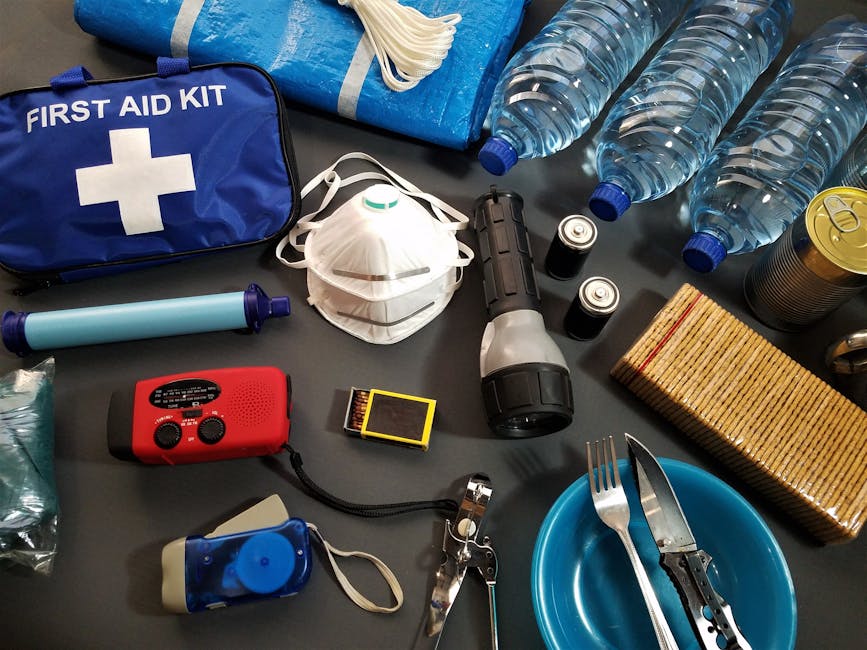
A well-prepared home includes structured supplies organized for quick access. These items support communication, mobility, and survival during disruptions.
Battery-powered radio and communication tools
These tools ensure access to emergency broadcasts when mobile networks fail.
Portable power and backup energy
Backup energy sources help maintain phone usage, lighting, and essential devices.
First aid essentials breakdown
Include bandages, antiseptic wipes, gloves, and essential medications.
Comparison Matrix: Emergency Kit Organization Approaches

| Approach | Pros | Cons | Best For |
| Single central kit | Easy to manage | Hard to move quickly | Small families |
| Multiple mini kits | Fast access anywhere | Needs organization | Larger households |
| Vehicle-based kit | Always mobile-ready | Limited storage space | Travel-heavy families |
Emergency Kit Organization System

Organization is just as important as supply selection. A structured system ensures nothing is lost during urgency.
Zoned storage system for fast access
Divide supplies into categories: food, medical, communication, and mobility.
Rotation and maintenance schedule
Check kits every 3–6 months to replace expired or missing items.
Scenario-Based Emergency Action Plans

Preparedness becomes powerful when applied to real scenarios.
Power outage response plan
Switch to backup lighting, conserve phone battery, and monitor emergency updates.
Flood or severe weather response plan
Move to higher ground and secure essential belongings early.
Printable Emergency Preparedness Checklist for Families

A checklist transforms preparedness into action. Families should complete setup in stages rather than all at once.
Start with essentials in the first 24 hours, then expand into full readiness over time. This approach reduces overwhelm while ensuring progress.
Explore more structured guidance in our Health & Safety Tips and Baby Care Tips & Advice blogs for ongoing preparedness education.
“Preparedness is not about predicting the future, but about reducing uncertainty so families can act with clarity under pressure.”
Common Emergency Preparedness Mistakes Beginners Make
Many families delay preparation due to overthinking or assume short disruptions won’t affect them significantly. The most common mistake is waiting for the “perfect time” to start.
- Buying supplies but not organizing them
- Ignoring family-specific needs (babies, pets, elderly)
- Not testing evacuation plans
FAQ: Emergency Preparedness Checklist for Beginners
What should be included in an emergency preparedness checklist for beginners?
Water, food, first aid supplies, communication tools, clothing, and essential documents.
How do you prepare an emergency survival kit for a family?
Start with a 72-hour supply baseline and expand based on family size and specific needs.
What are the most important emergency supplies for the home?
Water, food, lighting, first aid kits, and communication tools are essential.
How much food and water should families store?
At least three days’ worth per person, with one gallon of water per person per day.
What does FEMA recommend?
FEMA recommends a 72-hour readiness kit with essential survival supplies for each household member.
Final Preparedness Action Path
Emergency preparedness is most effective when built step by step. Start with a basic 72-hour kit, add communication planning, strengthen home safety, and then expand into evacuation readiness. Even small progress significantly increases your family’s resilience in real-world situations.
Explore full family preparedness tools in our Health & Safety collection and expand your readiness system with supportive tools from our Baby Care Essentials collection.
Pillar Article: Home Safety Checklists: Baby & Family Complete Guide 2026





