

Home Safety Checklists: Baby & Family Complete Guide 2026
Bringing a newborn home in 2026 is no longer just about preparing a nursery—it’s about managing a continuous safety ecosystem that moves across home, car, stroller, sleep, and outdoor environments. A parent might start the morning by placing a baby in a crib, transition to a car seat for daycare drop-off, and later switch to a stroller for a walk. Each of these transitions introduces new risks that traditional “home-only” safety checklists fail to capture. This guide consolidates pediatric safety principles, transportation safety standards, and real-world parenting workflows into a unified system designed to reduce preventable injuries and improve daily safety consistency.
Modern recommendations from child safety authorities such as pediatric associations and transportation safety organizations emphasize that infant safety is not isolated—it is cumulative. A small oversight in one environment can compound risk in another. That is why this guide presents a structured, cross-environment framework combining home safety, sleep safety, car seat safety, outdoor protection, and emergency preparedness into one cohesive system. You’ll also find practical checklists, step-by-step guidance, and real-world tools integrated into each stage of care.
For additional parenting resources and structured guides, explore our Baby Care Tips & Advice collection and the broader Health & Safety collection designed for modern family safety needs.
Why a Unified Baby & Family Safety System Matters in 2026

Traditional parenting safety guides often focus on single environments—such as nursery safety or sleep safety—without addressing how risks shift during daily transitions. In reality, infants experience multiple micro-environments in a single day, each with unique hazards. A unified system ensures consistency across these environments and reduces gaps in protection.
Limitations of Traditional Home-Only Checklists
Home-only checklists often assume that safety begins and ends inside the house. However, many infant injuries occur during transitions: moving a baby from crib to car seat, from stroller to home, or during sleep position changes. Without a connected system, safety protocols become fragmented and inconsistent.
Risk Accumulation Across Daily Transitions
Each transition introduces cumulative risk. For example, a poorly adjusted car seat combined with a tired infant can lead to unsafe head positioning. Similarly, inconsistent sleep practices between daycare and home can increase fatigue-related hazards. A unified checklist reduces these gaps by standardizing safety behavior across environments.
Role of Pediatric and Safety Institutions
Organizations such as pediatric associations and transportation safety agencies emphasize integrated safety practices that combine sleep positioning, restraint systems, and environmental hazard reduction. The modern approach focuses on continuity—ensuring safety protocols remain consistent regardless of setting.
Newborn Home Safety Checklist: Room-by-Room Hazard Prevention
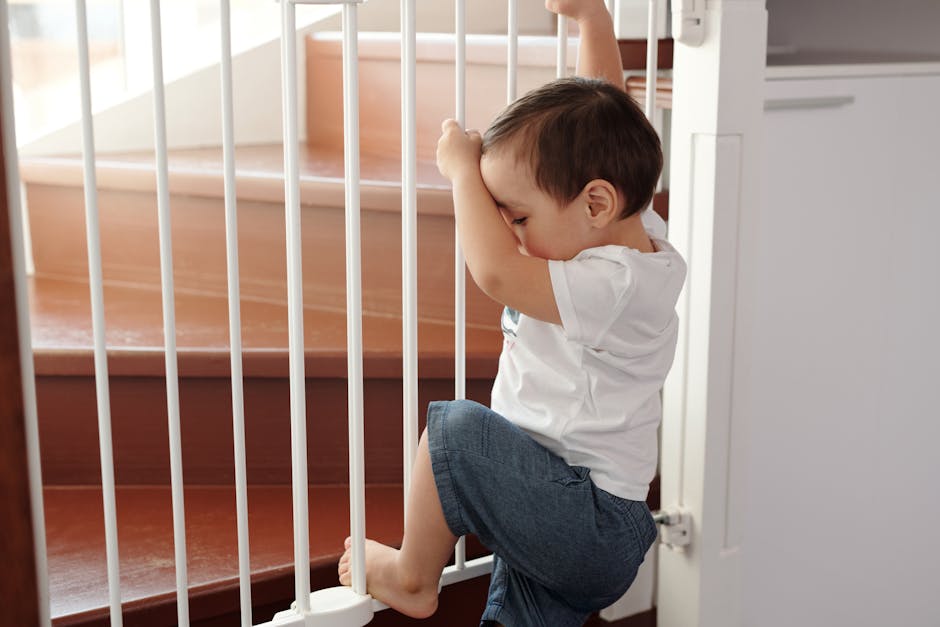
A safe home environment for infants requires systematic hazard removal and structured monitoring. Each room presents unique risks that should be addressed individually while maintaining a unified safety standard.
Nursery Safety Essentials
The nursery is the most controlled environment but still requires strict adherence to safe sleep and physical setup guidelines.
- Ensure crib mattress is firm and fits snugly
- Remove loose bedding, pillows, and toys
- Maintain proper room temperature and airflow
Kitchen & Living Room Safety Zones
These shared spaces require proactive hazard prevention due to frequent adult activity.
- Store sharp objects and cleaning supplies out of reach
- Anchor heavy furniture to prevent tipping
- Install childproof locks on cabinets and drawers
Bathroom Safety Checklist
Bathrooms present slip and water-related hazards that require constant attention.
- Set water heater temperature to safe levels
- Use non-slip mats near tubs and sinks
- Store medications securely in locked cabinets
For structured household safety planning, explore the Baby Care Essentials collection and expand protection systems through our Mom Essentials collection.
Safe Sleep Guidelines for Infants: AAP & CDC-Aligned Framework

Safe sleep practices are one of the most critical components of infant safety. Pediatric recommendations consistently emphasize back sleeping, a firm sleep surface, and a clutter-free sleep environment.
Back Sleeping Position and SIDS Prevention
Placing infants on their back for every sleep reduces the risk of sleep-related complications. This remains the most widely recommended safety practice.
Sleep Environment Optimization
A safe sleep space includes a firm mattress, fitted sheet, and no loose bedding or toys. Overheating should also be avoided by maintaining appropriate room temperature.
Room Sharing vs Bed Sharing
Room sharing without bed sharing is widely recommended for the first months of life, allowing proximity without increasing suffocation risk.
“Consistent sleep positioning and a clear sleep surface remain the foundation of infant sleep safety.” — Pediatric Child Safety Advisory Perspective
Car Seat Safety: Correct Installation, LATCH System, and Common Mistakes

Car seat safety is one of the most critical areas of infant protection. Proper installation and positioning can significantly reduce injury risk during travel. The LATCH system provides standardized anchoring, but improper usage remains a common issue among parents.
How the LATCH System Works
The LATCH (Lower Anchors and Tethers for Children) system allows secure installation without seat belts in many vehicles. However, correct tightening and angle adjustment are essential for effectiveness.
Rear-Facing Car Seat Positioning
Rear-facing positioning is recommended for infants and toddlers due to improved head, neck, and spine protection during impact.
Top Installation Errors Parents Make
- Loose installation allowing seat movement
- Incorrect recline angle
- Improper harness tightness
For additional safety gear, explore the Health & Safety Tips collection and essential protective solutions in our Health & Safety collection.
Baby Car Seat Head Support – Adjustable Strap for Safe Sleep

This adjustable head support helps maintain proper head alignment during travel, reducing forward slumping that can lead to discomfort and unsafe posture. It is designed for use in car seats and strollers, supporting safer travel routines for infants and toddlers.
Why Baby’s Head Slumps in Car Seats and How to Prevent It

Head slumping in car seats is a common concern for parents and is primarily caused by limited neck muscle control in infants combined with improper seat angle or fit. While often harmless, poor positioning can lead to breathing discomfort and reduced airway stability.
Physiological Reasons Behind Head Slump
Infants have developing neck muscles, which makes it difficult to maintain upright head positioning during sleep or long rides.
Car Seat Angle and Fit Issues
Incorrect recline angles can cause the head to fall forward. Ensuring proper seat adjustment significantly reduces this risk.
Safe Head Stabilization Techniques
Using appropriate positioning systems and ensuring correct harness tightness can help maintain safer head alignment during travel.
For supportive safety solutions, explore the Sleep & Comfort collection and integrated mobility protection systems within our Mobility & Training collection.
Baby Head Protection Pillow Soft Breathable Safety Cushion

This protective cushion helps reduce impact risk during movement, walking, or early mobility stages. It provides soft cushioning for head protection while allowing natural movement, making it useful during transitional safety stages.
Explore safety cushioning details
Stroller and Outdoor Mobility Safety Checklist for Parents

Outdoor environments introduce additional risks such as uneven terrain, environmental exposure, and crowd-related hazards. Stroller safety requires consistent harness checks and environmental awareness.
- Ensure harness straps are snug and properly positioned
- Check stroller locking mechanisms before movement
- Use sun protection and weather shielding accessories
- Maintain visibility in crowded areas
Outdoor readiness can be further supported by browsing our Baby Growth & Learning collection.
Home Hazard Prevention and Childproofing Essentials

Childproofing is essential for reducing preventable household injuries. It focuses on eliminating access to dangerous objects and securing physical environments.
- Install cabinet and drawer locks
- Anchor furniture to prevent tipping
- Use stair gates and balcony barriers
- Store chemicals and cleaning supplies securely
For complete safety setups, explore our Health & Safety collection.
Family Emergency Preparedness Plan for Households with Infants

Emergency preparedness ensures families can respond effectively to unexpected situations such as natural disasters or medical emergencies. A structured plan improves response time and reduces panic-driven errors.
- Prepare emergency contact lists
- Create evacuation plans for all family members
- Assemble infant emergency kits
- Store medical and vaccination records securely
Transition Safety System: Home → Car → Stroller Workflow

One of the most overlooked aspects of infant safety is transition risk. Moving between environments introduces brief but critical safety gaps. A structured workflow ensures continuity of protection.
- Verify sleep position before leaving home
- Double-check car seat harness before travel
- Reconfirm stroller safety locks after transfer
Daily Baby Safety Routine Checklist (Printable System)

A structured daily routine ensures consistent safety practices across all environments.
- Morning: crib safety and room scan
- Travel: car seat and harness check
- Evening: sleep environment reset
- Weekly: full home hazard audit
To maintain ongoing safety education, visit our Health & Safety Tips blog.
Frequently Asked Questions
What should be included in a newborn home safety checklist?
A newborn safety checklist should include crib safety, room hazard removal, secure furniture anchoring, and proper storage of hazardous materials.
What are the safest sleep guidelines for infants?
Infants should always sleep on their back on a firm surface without loose bedding or toys, in a safe temperature-controlled environment.
How do I correctly install a baby car seat at home?
Use the LATCH system or seat belt installation method, ensuring correct angle, tight harness fit, and minimal seat movement.
Why does my baby’s head slump in the car seat and how can I prevent it?
Head slumping occurs due to weak neck muscles and incorrect seat positioning. Proper recline angle and supportive positioning reduce this risk.
What are the most common home safety mistakes parents should avoid?
Common mistakes include unsecured furniture, accessible hazardous items, and inconsistent childproofing across rooms.
Conclusion
A truly safe environment for infants is not defined by a single checklist but by a continuous, interconnected system of safety practices across home, travel, sleep, and outdoor environments. By maintaining consistency in routines, using structured hazard prevention strategies, and applying real-world safety tools, parents can significantly reduce risk and improve daily confidence in caregiving.
Long-term safety success depends on repetition, awareness, and adaptation. As your child grows and transitions through different developmental stages, the safety system must evolve alongside them—ensuring protection remains active in every environment they encounter.
Related Articles:





