

25 Fine Motor Skills Examples by Age: Activities, Milestones & Warning Signs
It’s a familiar moment for many parents: your child struggles to hold a crayon, button a shirt, or stack blocks the “right” way, and you start wondering—is this normal? Fine motor skills are one of the most important foundations of early childhood development, shaping everything from handwriting and self-care to confidence and independence.
These small but powerful movements—using fingers, hands, and wrists with precision—develop gradually from infancy through preschool years. Understanding what they look like at each stage helps parents support growth naturally through play, daily routines, and the right environment.
This guide breaks down fine motor skills examples by age, explains developmental milestones, highlights warning signs, and offers practical home activities and tools to support healthy progress.
What Are Fine Motor Skills? (Simple Parent-Friendly Explanation)
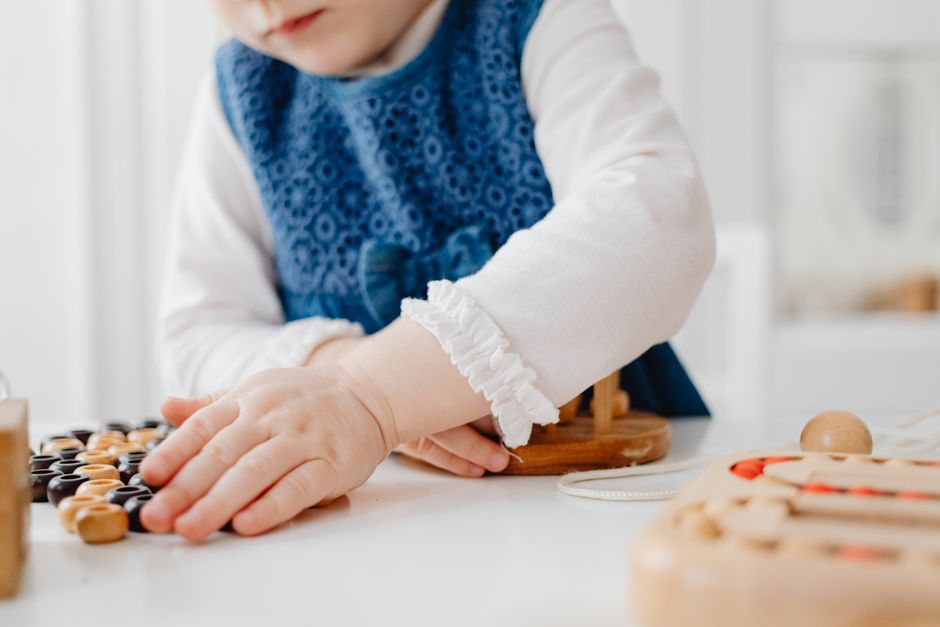
Fine motor skills refer to the coordination of small muscles in the hands, fingers, and wrists to perform precise movements. These skills are essential for everyday tasks like eating, writing, dressing, and playing.
Unlike gross motor skills, which involve large body movements like running or jumping, fine motor skills focus on control, precision, and hand-eye coordination.
Key Components of Fine Motor Development
Fine motor development is built on several interconnected abilities:
- Finger strength and dexterity
- Hand-eye coordination
- Wrist stability and control
- Grip development (pincer grasp, tripod grasp)
- Visual motor integration (seeing and doing together)
How Fine Motor Skills Connect to Hand-Eye Coordination
When a child picks up small objects, draws shapes, or stacks blocks, their eyes guide their hands. This coordination is essential for later academic skills like writing and cutting with scissors.
Fine Motor vs Gross Motor Skills: Key Differences Parents Should Know

Understanding the difference between fine and gross motor skills helps parents track balanced development and identify delays early.
Side-by-Side Comparison Table (Hands vs Whole Body Movement)
| Aspect | Fine Motor Skills | Gross Motor Skills |
|---|---|---|
| Muscle Groups | Small muscles (hands, fingers) | Large muscles (legs, arms, torso) |
| Control Type | Precise and detailed | Power and balance |
| Examples | Writing, buttoning, grasping objects | Running, jumping, climbing |
| Development Focus | Dexterity and coordination | Strength and stability |
Why Both Skill Types Must Develop Together
Children need a balance of both systems. Strong gross motor foundations support posture and stability, while fine motor control refines precision. Together, they enable full physical independence.
Fine Motor Development Milestones by Age (0–5 Years)

Fine motor development follows a predictable but flexible pattern. Every child develops at their own pace, but these milestones offer helpful guidance.
0–6 Months: Early Grasping and Reflex Control
Babies begin with reflexive grasping, gradually learning to bring hands together and reach for objects.
6–12 Months: Pincer Grasp Emergence
Infants start picking up small objects using thumb and finger coordination—an essential milestone.
1–2 Years: Object Manipulation & Stacking
Toddlers explore stacking blocks, turning pages, and feeding themselves with growing control.
2–3 Years: Early Drawing & Tool Use
Children begin scribbling, using utensils, and turning simple knobs or lids.
3–4 Years: Pre-Writing Skills Development
Shapes, lines, and early letter imitation appear. Cutting with safety scissors begins.
4–5 Years: School Readiness & Precision Control
Children refine grip, write letters more clearly, and complete complex self-care tasks independently.
Consistent practice through play and daily routines helps solidify these stages and build confidence for school readiness.
25 Fine Motor Skills Examples in Everyday Life

Fine motor skills show up naturally throughout a child’s day. Here are practical examples across different contexts.
Self-Care Skills (Dressing, Eating, Hygiene)
- Holding a spoon or fork correctly
- Buttoning and unbuttoning clothes
- Zipping jackets
- Brushing teeth independently
- Washing hands with coordination
School & Writing Skills
- Holding a pencil with tripod grip
- Tracing shapes and letters
- Cutting with scissors
- Coloring within lines
- Turning pages of a book
Play-Based Motor Skills
- Stacking blocks
- Stringing beads
- Building puzzles
- Using clay or playdough
- Sorting small objects
Each of these activities strengthens coordination pathways that support lifelong independence.
Warning Signs of Poor Fine Motor Skill Development (By Age)

While variation is normal, some signs may indicate a need for additional support.
Infants and Toddlers (0–2 Years)
- Limited grasping or reaching for objects
- Difficulty holding small items
- Lack of interest in hand-based exploration
Preschoolers (3–5 Years)
- Struggles with holding crayons or utensils
- Avoidance of drawing or cutting tasks
- Poor hand-eye coordination in play
When to Consider Occupational Therapy
If challenges persist and interfere with daily independence, consultation with an occupational therapist can help identify targeted interventions.
“Fine motor development is not about speed—it’s about consistency, repetition, and meaningful play. When children engage their hands in real-world tasks daily, their brain naturally builds stronger coordination pathways.” — Pediatric Development Specialist
How to Improve Fine Motor Skills at Home (Parent Framework)

Supporting fine motor development doesn’t require complex tools. Small daily activities make a big difference.
Daily 10-Minute Practice Routine
Simple routines like picking up small objects, stacking cups, or tearing paper can significantly improve dexterity over time.
Sensory Play Techniques for Skill Growth
Activities involving textures—sand, water, clay—help strengthen finger muscles and improve tactile awareness.
Bilateral Coordination Exercises for Beginners
Encourage activities that use both hands together, such as opening containers or stringing beads.
Explore more structured ideas in our Baby Growth & Learning collection, where developmental tools support every stage of early skill-building.
Best Activities & Exercises to Build Fine Motor Skills

Here are practical, engaging ways to strengthen hand control and coordination at home.
At-Home DIY Activities
- Paper tearing and crumpling games
- Sticker placement activities
- Sorting buttons or beads
Outdoor & Play-Based Exercises
- Picking up natural objects like stones or leaves
- Sand play scooping and pouring
- Water transfer games with cups
Pre-Writing Skill Builders
- Tracing lines in sand or flour
- Drawing shapes with fingers
- Simple maze activities
Many parents also explore tactile learning tools from our Sensory Toys collection to enhance engagement during play.
Montessori Toys & Tools for Fine Motor Skill Development

Montessori-inspired tools focus on hands-on exploration, independence, and repetition—key principles for fine motor development. Below are carefully selected examples that align with different developmental stages.
Best Montessori Toys by Age Group
For infants and toddlers, sensory-based toys encourage early grasping and exploration. For preschoolers, structured manipulation tools build precision and control.
Explore more developmental options in our Baby Growth & Learning collection and Mobility & Training collection for age-appropriate developmental support.
Sensory Play Tools That Improve Finger Strength
Tools that require pressing, squeezing, and rotating help strengthen finger muscles and coordination pathways essential for writing and self-care tasks.
Pre-Writing Montessori Materials
Pre-writing tools help children transition from play to structured learning through guided hand movements and visual tracking exercises.
Example Tools:

Montessori Sensory Toy – 8-in-1 Development Cube
This multi-activity cube supports early gripping, pulling, and sensory exploration. It is especially helpful for babies beginning to develop controlled hand movements.

Sensory Activity Board – Montessori Skill Development Toy
This activity board enhances finger dexterity, focus, and coordination through interactive manipulation of textured elements. It is ideal for toddlers building early precision skills.
Occupational Therapy and Professional Support

When fine motor delays persist, occupational therapy can provide structured interventions tailored to a child’s specific needs.
What Occupational Therapists Evaluate
Therapists assess grip strength, coordination, posture, and sensory integration to understand developmental gaps.
Common Therapy Techniques for Fine Motor Delay
Activities often include guided play, resistance exercises, and repetitive hand coordination tasks designed to strengthen neural pathways.
Frequently Asked Questions About Fine Motor Skills
What are examples of fine motor skills in children?
Examples include writing, drawing, buttoning clothes, using utensils, and stacking small objects.
Why are fine motor skills important for child development?
They support independence, school readiness, and everyday self-care abilities.
How can I improve my child's fine motor skills at home?
Simple activities like drawing, stacking blocks, and sensory play can significantly improve coordination.
What are the signs of poor fine motor skills in preschoolers?
Difficulty holding pencils, avoiding drawing tasks, and poor coordination during play may indicate delays.
Which toys are best for fine motor skill development?
Toys that encourage gripping, stacking, sorting, and manipulation—especially Montessori-style tools—are most effective.
Conclusion: Supporting Strong Fine Motor Development at Every Stage
Fine motor skills develop gradually through everyday experiences, not structured lessons alone. From infancy to preschool, children build strength, coordination, and confidence through play, repetition, and exploration.
By recognizing milestones early and offering consistent opportunities for practice, parents can significantly support independence and school readiness.
Explore more developmental tools and guides in our Baby Growth & Learning collection and continue building strong foundations through purposeful play and everyday activities.
Pillar Article: Beginner Guide to Gross Motor Development: Milestones, Activities & Red Flags





