

Beginner Guide to Gross Motor Development: Milestones, Activities & Warning Signs
Many parents wonder when their child should roll over, sit independently, crawl, pull up to stand, or take those exciting first steps. Gross motor development is the process through which babies and children gain control over the large muscles needed for movement, balance, posture, and coordination. These abilities create the foundation for everyday activities, confidence, independence, exploration, and physical learning.
This comprehensive guide explains gross motor milestones by age , how gross motor skills develop, important infant movement stages, tummy time benefits, crawling progression, age-appropriate activities, and signs that may require professional guidance. Understanding the development of gross motor skills helps parents provide the right environment for healthy movement growth.
What Is Gross Motor Development? A Simple Parent Explanation

What Is Gross Motor Development Meaning?
Gross motor development meaning refers to the gradual process children go through as they gain control over large muscle groups and learn coordinated body movements. These skills involve the muscles of the neck, shoulders, arms, abdomen, back, hips, and legs.
From a baby's first attempt to lift their head to a preschooler's ability to run, jump, and balance, every movement milestone represents an important step in physical development. Gross motor development depends on brain maturity, muscle strength, sensory feedback, practice, and opportunities for active play.
What Are Gross Motor Skills?
Gross motor skills are large-body movements that require coordination between major muscle groups. Babies and children develop these abilities gradually through exploration, repetition, and everyday activities.
Common gross motor skills examples include:
- Head control
- Rolling over
- Sitting independently
- Crawling
- Pulling up to stand
- Walking
- Running
- Jumping
- Balancing
- Climbing
Each new skill builds on earlier abilities. For example, strong neck and trunk control help babies sit upright, while core stability and balance prepare toddlers for walking.
Gross Motor Skills vs Fine Motor Skills
Gross motor skills involve large movements of the body, while fine motor skills involve smaller, more precise movements using the hands and fingers. Both areas develop together and contribute to a child's overall growth, independence, and ability to interact with the environment.
| Gross Motor Skills | Fine Motor Skills |
| Walking | Writing |
| Running | Buttoning clothes |
| Jumping | Using scissors |
| Climbing | Picking up small objects |
| Balancing | Drawing shapes |
Gross Motor Skills Examples by Age
Gross motor skills change significantly as children grow. Infants focus on foundational movements such as head control and rolling, while toddlers and preschoolers develop advanced abilities like running, jumping, and coordination.
- 0-6 months: Head lifting, rolling, reaching, and supported sitting
- 6-12 months: Independent sitting, crawling attempts, pulling up, and cruising
- 1-2 years: Walking, climbing, squatting, and early running
- 2-3 years: Jumping, kicking, stair climbing, and improved balance
- 3-5 years: Hopping, catching, obstacle courses, and coordinated play
Why Gross Motor Skills Matter
Healthy gross motor skills development supports much more than physical movement. These abilities help children explore their surroundings, participate in play, build confidence, and develop body awareness.
Movement experiences can also support problem-solving, social interaction, independence, and readiness for activities such as sports, classroom participation, and daily routines.
Parents looking for developmental resources often explore the Baby Growth & Learning collection and educational articles within the Baby Growth & Learning Tips section to support age-appropriate development.
Gross Motor Milestones by Age: Complete Development Timeline

Gross motor developmental milestones provide a general guide for understanding how children typically progress through movement stages. Every child develops at a unique pace, and small differences are often normal. The sequence of skills is usually more important than the exact age a milestone appears.
0-3 Months: Building Strength Through Early Movement
- Lifts head briefly during tummy time
- Moves arms and legs actively
- Begins developing neck control
- Turns head toward sounds and visual stimuli
- Begins improving body awareness
During this stage, infants build the foundational strength needed for future movement. Frequent supervised floor play helps strengthen the neck, shoulders, and core muscles.
4-6 Months: Rolling and Core Control
- Rolls from tummy to back and eventually back to tummy
- Pushes up on arms during tummy time
- Develops stronger trunk stability
- Sits with support and begins independent sitting
- Reaches for toys with greater control
These gross motor skills for infants show increasing control of the upper body and improved coordination between vision and movement.
Gross Motor Skills for 7-Month-Old Babies
- Sits independently or with improved stability
- Rotates the body while sitting
- Transfers weight between hands and knees
- Reaches and twists toward interesting objects
- Begins preparing for crawling movements
Many babies at this age begin experimenting with different ways to move, including pivoting, scooting, rocking, or rolling toward objects.
8-Month-Old Gross Motor Skills
- Sits confidently without support
- Moves from sitting toward crawling positions
- Rocks on hands and knees
- Uses rolling or scooting to explore
- Develops stronger balance reactions
Some babies crawl around this stage, while others need more time. Variation in movement style is common as long as development continues progressing.
10-12 Months: Crawling, Cruising and First Steps
- Crawls efficiently
- Pulls to stand
- Cruises along furniture
- Transitions between sitting and standing
- May take first independent steps
12-24 Months: Walking and Climbing
- Walks independently
- Squats and stands without support
- Climbs furniture and playground structures
- Pushes and pulls toys
- Begins running with increasing control
2-3 Years: Running and Jumping
- Runs with improved coordination
- Jumps with both feet
- Kicks a ball forward
- Walks upstairs with assistance
- Improves balance and body awareness
3-5 Years: Preschool Movement Skills
- Hops on one foot
- Pedals a tricycle
- Catches larger balls
- Navigates obstacle courses
- Shows improved coordination and agility
How Gross Motor Skills Develop: The Science Behind Movement Progression
Brain and Nervous System Development
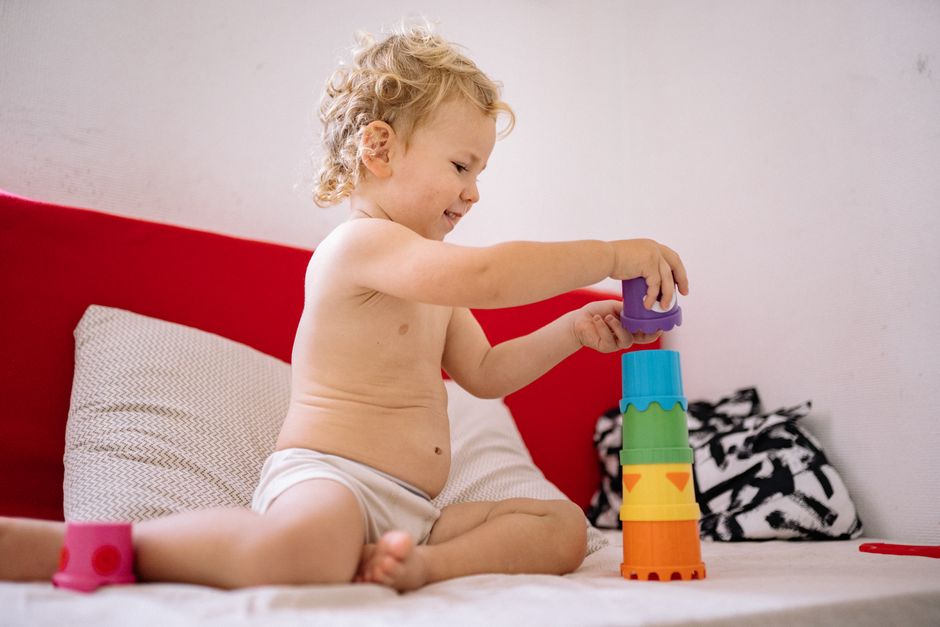
Gross motor skill development begins with the brain and nervous system learning how to control movement. As neural pathways mature, children gain better control over posture, balance, coordination, and intentional movement.
Muscle Strength and Core Stability
Strong muscles provide the foundation for movement. Babies need strength in the neck, shoulders, abdomen, back, hips, and legs before they can perform advanced movements such as sitting, crawling, standing, and walking.
Balance and Coordination
Balance allows children to maintain stable positions, while coordination helps different muscle groups work together smoothly. These abilities improve through repeated experiences such as reaching, crawling, climbing, and active play.
Head-to-Toe and Center-to-Out Development
Children typically develop movement control in predictable patterns. They first gain control of the head and neck before the trunk, hips, and legs. They also develop control from the center of the body outward, which explains why shoulder and arm stability develops before precise hand movements.
Practice, Play and Repetition
Children learn movement through repeated practice and exploration. Daily opportunities for floor play, active games, and safe movement experiences help strengthen developing skills and encourage confidence.
The Power of Tummy Time in Early Infant Development

Why Tummy Time Is Essential for Gross Motor Development
Tummy time is one of the most important early activities for building gross motor skills for infants. Placing babies on their stomach while awake and supervised encourages them to lift their head, strengthen neck and shoulder muscles, activate their core, and practice movements needed for rolling, sitting, crawling, and later walking.
During tummy time, babies learn how to push against the floor, shift their weight, reach for objects, and develop body awareness. These repeated movements support infant gross motor skills by improving muscle strength, posture control, coordination, and confidence with physical exploration.
Regular supervised tummy time may also help reduce prolonged pressure on the back of the head and encourages babies to explore their surroundings from a new perspective.
Recommended Tummy Time by Age
| Age | Suggested Daily Tummy Time |
| Newborn | Several short sessions totaling about 5-10 minutes throughout the day |
| 1-2 Months | Gradually increase toward 15-30 minutes as tolerated |
| 3-4 Months | Aim for around 30-60 minutes spread across multiple sessions |
| 5-6 Months | Continue longer supervised sessions as babies become stronger and more active |
Every baby develops differently. Some infants enjoy tummy time immediately, while others need gradual practice. The goal is consistent daily opportunities rather than reaching one specific number of minutes.
Common Tummy Time Challenges and Solutions
Many parents find that babies initially resist tummy time. Discomfort, limited upper-body strength, or unfamiliar positioning can make this activity challenging. Small adjustments can help babies become more comfortable.
- Start with short sessions and increase gradually
- Get down at your baby’s eye level for face-to-face interaction
- Place colorful toys nearby to encourage reaching and head lifting
- Use mirrors or safe sensory objects to increase curiosity
- Practice after naps or feedings when your baby is calm and alert
- Try tummy time on a caregiver’s chest or lap for additional support
Best Tummy Time Activities for Engagement
Interactive play makes tummy time more enjoyable while encouraging important movement patterns. Parents can place toys slightly within reach to motivate babies to turn their heads, track objects visually, push up through their arms, and begin reaching forward.
One helpful option is the Baby Sensory Hanging Rattle – Soft Plush Learning Toy .

Its soft textures, sounds, and visual features can motivate babies to lift their heads, follow movement, and reach forward during supervised floor play. These simple interactions support developing gross motor skills by combining sensory exploration with physical practice.
Parents can also discover additional developmental resources through the Sensory Toys collection and supportive guidance within Baby Care Tips & Advice .
How to Encourage Crawling and Early Movement Skills
Signs of Crawling Readiness
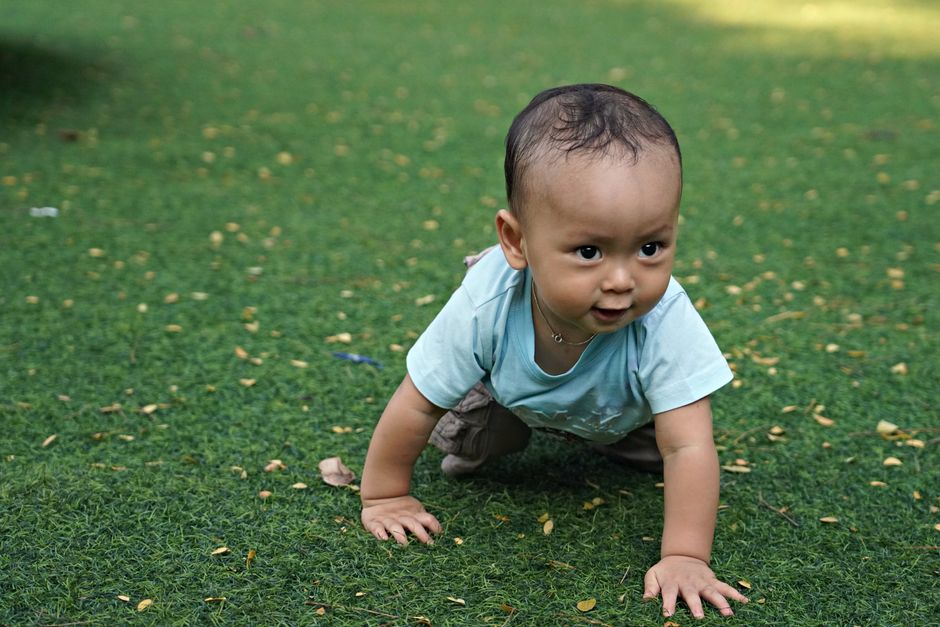
Crawling develops after babies gain enough strength, balance, and coordination to move their bodies intentionally. While some babies crawl earlier or later than others, common signs of readiness include:
- Strong head and neck control
- Sitting independently or with improved stability
- Rocking back and forth on hands and knees
- Shifting weight from one side of the body to the other
- Reaching for toys and attempting to move closer to interesting objects
- Pushing up through arms and legs during floor play
Step-by-Step Crawling Practice
Parents can help develop gross motor skills by creating safe opportunities for movement practice. Crawling is not taught as a single action; it develops through repeated experiences that strengthen muscles and improve coordination.
- Provide daily tummy time to build upper-body and core strength.
- Encourage reaching by placing toys slightly beyond your baby’s grasp.
- Create opportunities for weight shifting by positioning toys to either side.
- Support hands-and-knees positioning to help babies practice balance.
- Allow plenty of supervised floor exploration without restricting movement.
Movement Games That Motivate Crawling
Play-based activities encourage babies to practice movement naturally. Rolling balls, peek-a-boo games, toy-chasing activities, and simple obstacle exploration can inspire babies to move toward interesting objects.
Parents can also encourage problem-solving by creating safe spaces where babies can experiment with different movements. Repetition helps strengthen the connection between the brain, nervous system, and muscles involved in movement control.
When Babies Skip Crawling: What Parents Should Know
Not every baby follows the same movement sequence. Some children crawl in a different style, scoot, roll, or move directly from sitting to standing and walking. Skipping traditional crawling does not always indicate a problem.
However, parents should discuss concerns with a pediatrician or child development professional if multiple milestones appear delayed, if movement seems unusually difficult, or if a child loses previously gained abilities.
Supportive equipment and age-appropriate resources can be found within the Mobility & Training collection.
Daily Activities That Build Gross Motor Skills at Every Age

Developing gross motor skills does not require complicated equipment. Everyday play, movement opportunities, and active exploration help children strengthen balance, coordination, body awareness, and confidence. Activities should match a child’s age and current abilities while allowing room for gradual progress.
Activities for Babies 0-12 Months
- Tummy time with reaching and tracking activities
- Rolling games that encourage body rotation
- Supported sitting practice
- Reaching and grasping activities
- Crawling encouragement through floor play
- Gentle movement games that improve body awareness
Activities for Toddlers 1-3 Years
- Push-and-pull play using age-appropriate toys
- Ball kicking and throwing games
- Climbing safe playground structures
- Dancing to improve rhythm and coordination
- Simple obstacle courses using household items
Activities for Preschoolers 3-5 Years
- Hopscotch and jumping games
- Balance beam or line-walking activities
- Relay races and movement challenges
- Tricycle riding
- Ball-catching and throwing practice
Indoor Movement Games for Bad Weather Days
- Pillow obstacle courses
- Animal walks such as bear crawls and crab walks
- Dance challenges
- Child-friendly yoga movements
- Balloon volleyball
Outdoor Play Ideas for Whole-Body Development
- Nature walks
- Playground climbing
- Running races
- Scooter play
- Balance games
When planning developmental play routines, many families combine movement activities with resources from the Baby Care Essentials and Health & Safety collections.
Best Toys and Tools for Gross Motor Development

The right toys and tools can create more opportunities for children to practice movement, strengthen muscles, improve coordination, and explore their environment safely. Toys that support gross motor skills development should encourage active participation, problem-solving, and repeated movement rather than passive entertainment.
Activity Mats
Activity mats and play gyms provide a safe space for babies to practice important early movements such as reaching, rolling, pushing up, and head lifting. The best options encourage babies to interact with their surroundings through different textures, colors, sounds, and hanging elements.
For younger infants, activity mats can support early gross motor development by motivating visual tracking, arm movement, and trunk control. As babies grow stronger, these spaces become ideal environments for practicing rolling, pivoting, sitting, and crawling transitions.
Push Toys
Push toys can support toddlers who are developing balance, leg strength, and confidence during early walking stages. These toys encourage children to practice weight shifting, standing stability, and controlled movement while exploring their surroundings.
Parents should choose stable, age-appropriate push toys and supervise use, especially when children are still learning to balance. Safe surfaces and open play areas reduce the risk of falls while allowing children to practice independently.
Balance Equipment
Balance-focused toys and equipment help children develop body awareness, coordination, and postural control. Options such as balance boards, stepping paths, and balance bikes encourage children to adjust their movements and understand how their bodies respond to changes in position.
Balance activities are especially useful for toddlers and preschoolers because they build the foundation needed for running, jumping, climbing, and more complex physical activities.
Choosing Age-Appropriate Toys
The most effective gross motor development tools match a child’s current abilities and developmental goals. A toy designed for a younger baby may focus on reaching and head control, while tools for older children may challenge balance, coordination, and whole-body movement.
| Development Goal | Helpful Tool Type |
| Head Control | Activity mats and tummy time toys |
| Reaching and Tracking | Sensory toys and hanging toys |
| Crawling Practice | Movement motivators and floor play toys |
| Walking Confidence | Push toys and stable walking supports |
| Balance and Coordination | Balance equipment and active play tools |
As children grow older, fine motor and coordination skills become increasingly connected with overall movement development. One educational example is the Sensory Activity Board – Montessori Stress Relief Toy for Kids .

Although this type of toy primarily supports fine motor skills, activities involving hand-eye coordination, problem-solving, and controlled hand movements can complement broader gross motor learning by improving body awareness and coordination.
Warning Signs of Delayed Motor Development

Normal Development Variations vs Genuine Delays
Every child develops at an individual pace, and milestone ranges can vary widely. Some children may crawl earlier, walk later, or develop specific movement skills in a different order while still progressing normally.
However, concerns may arise when a child shows persistent difficulty with movement, loses previously developed skills, or experiences delays across multiple developmental areas. Tracking overall progress is often more important than comparing a child to a single milestone date.
Red Flags by Age Group
Parents and caregivers should consider discussing developmental concerns with a healthcare professional if they notice signs such as:
- Poor head control after the expected early infancy period
- Difficulty maintaining sitting independently when developmentally expected
- No attempts to move, roll, crawl, or explore during later infancy
- Significant differences between the two sides of the body
- Very limited interest in physical movement
- Frequent falls or ongoing balance difficulties beyond typical age expectations
When to Contact a Pediatrician
Parents should seek professional guidance whenever they have concerns about muscle strength, movement patterns, balance, coordination, or milestone progression. Early evaluation can help identify whether additional support is needed and provide families with practical strategies to encourage development.
How Pediatric Physical Therapy Can Help
Pediatric physical therapists evaluate movement patterns, muscle tone, posture, strength, balance, and coordination. They create individualized activities that help children practice functional movement skills through age-appropriate exercises and play.
Support may include improving core stability, encouraging safer movement patterns, strengthening specific muscle groups, and helping children participate more confidently in everyday activities.
Experts consistently emphasize that early movement experiences, daily floor play, and responsive caregiver interaction are important foundations for healthy gross motor development.
Creating a Gross Motor Development Plan at Home

A simple home movement routine can help children practice gross motor skills through everyday play. The goal is not to create strict training sessions but to provide consistent opportunities for children to move, explore, and build confidence at their own developmental pace.
Weekly Movement Goals by Age
Parents can create realistic movement goals that fit naturally into daily routines. Activities should focus on encouraging progress, repetition, and enjoyment rather than achieving milestones by a specific deadline.
| Age Group | Focus Area |
| 0-6 Months | Tummy time, head control, reaching, and early body awareness |
| 6-12 Months | Sitting balance, crawling practice, transitions, and floor exploration |
| 1-2 Years | Walking confidence, climbing, pushing, pulling, and active exploration |
| 2-3 Years | Running, jumping, kicking, and whole-body coordination |
| 3-5 Years | Balance, agility, coordination, and more complex movement skills |
Balancing Structured Activities and Free Play
Children benefit from a combination of guided activities and unstructured play. Structured movement activities can target specific skills, such as balance, coordination, or strength, while free play allows children to experiment, solve movement challenges, and develop confidence naturally.
Simple activities such as obstacle courses, dancing, playground play, ball games, and active family routines can support gross motor development while keeping movement enjoyable.
Tracking Developmental Milestones Without Stress
Developmental milestones should be viewed as helpful guidelines rather than strict deadlines. Children progress at different rates, and one child may master crawling earlier while another may focus on standing or walking first.
Parents can support healthy progress by observing changes over time, offering daily movement opportunities, and focusing on improvement rather than comparing children with others.
Families seeking broader developmental support can explore educational resources within Health & Safety Tips and practical parenting information through the Mom Essentials Guide .
Frequently Asked Questions
What is gross motor skills development?
Gross motor skills development is the process through which babies and children learn to control large muscle movements used for posture, balance, coordination, and physical activity. These skills include head control, rolling, sitting, crawling, standing, walking, running, jumping, and climbing.
What is the difference between gross motor skills and fine motor skills?
Gross motor skills involve larger muscle groups throughout the body, such as those used for walking, running, balancing, and climbing. Fine motor skills involve smaller movements of the hands and fingers, such as writing, grasping small objects, and using tools. Both types of skills develop together and support overall child development.
When do gross motor skills develop?
Gross motor skills begin developing from birth as babies gain control over their head, neck, trunk, and limbs. Early infancy focuses on movements such as tummy time and head lifting, while later stages include sitting, crawling, walking, running, and more advanced coordination.
What are common gross motor milestones by age?
Common milestones include:
- 0-3 months: Improving head control and active arm and leg movement
- 4-6 months: Rolling, pushing up, reaching, and developing core stability
- 7-9 months: Sitting independently, scooting, and beginning crawling movements
- 10-12 months: Crawling, pulling to stand, cruising, and possible first steps
- 12-24 months: Walking, climbing, squatting, and early running
- 2-5 years: Jumping, balancing, hopping, and coordinated movement games
What are normal gross motor skills for a 7-month-old baby?
Many 7-month-old babies can sit with improved stability, reach for toys, transfer objects between hands, roll in both directions, and begin experimenting with movements such as scooting or crawling attempts. Development varies, so some babies may achieve these skills earlier or later.
What gross motor skills should an 8-month-old have?
At around 8 months, many babies are strengthening sitting balance, practicing weight shifting, moving toward objects, and exploring different ways to move. Some may crawl, while others may roll, pivot, or scoot before crawling.
What are the gross motor milestones for a 12-month-old?
Around 12 months, many children can crawl, pull themselves to stand, cruise along furniture, transition between sitting and standing, and may begin taking independent steps. Some children walk later while continuing to develop normally.
What activities improve gross motor skills?
Activities that support gross motor skills include tummy time, crawling games, climbing, dancing, obstacle courses, ball play, balance activities, playground exploration, and active outdoor play. Regular opportunities for movement are more important than long practice sessions.
How can parents develop gross motor skills through play?
Parents can encourage development through safe floor play, age-appropriate toys, movement games, sensory activities, and opportunities for children to explore different positions and movements. Responsive interaction and encouragement help children feel confident while learning new skills.
What are the warning signs of delayed gross motor development?
Possible warning signs include persistent difficulty controlling movements, unusual muscle stiffness or weakness, significant differences between sides of the body, loss of previously learned skills, limited attempts to move, or ongoing challenges with balance and coordination.
When should I contact a pediatrician about motor milestones?
Parents should contact a pediatrician whenever they have concerns about their child's movement development, muscle tone, strength, coordination, or milestone progression. Early professional guidance can help identify support needs and provide appropriate strategies.
Conclusion
Gross motor skills development is a gradual journey that begins with simple early movements and grows into complex abilities such as running, jumping, balancing, climbing, and coordinated play. Every child develops at a unique pace, but consistent opportunities for movement, exploration, and supportive interaction create a strong foundation for physical confidence and independence.
By understanding developmental milestones, encouraging age-appropriate activities, supporting tummy time, providing opportunities for crawling and walking practice, and monitoring progress thoughtfully, parents can help children build essential movement skills that support lifelong health, learning, and confidence.
Related Articles:
- Months Old Tummy Time: The Complete Month-by-Month Guide for Baby Development
- How to Improve Balance and Coordination in Kids: Complete Parent Guide (2026)
- Fine Motor Skills Examples by Age: Activities, Milestones & Development Guide
- Stages of Crawling: Complete Baby Development Timeline & Milestones Guide
- How to Improve Coordination and Balance in Kids: Complete Parent Guide





