

Must Have Camping Gear for Beginners: Ultimate 2026 Camping Checklist
Starting your first camping trip can feel like stepping into a world of endless gear choices, conflicting advice, and “must-have” lists that never seem to agree. Tents, sleeping systems, cooking setups, lighting, safety tools—it quickly becomes overwhelming, especially when you’re unsure what actually matters versus what’s optional. The good news is that successful camping doesn’t require buying everything. It requires understanding a structured system that prioritizes essentials based on comfort, safety, weather, and trip type. This guide breaks camping down into a simple, beginner-friendly checklist so you can confidently prepare for your first night outdoors without overpacking, overspending, or forgetting what truly matters.
Why Beginner Camping Feels Overwhelming (And How This Checklist Fixes It)
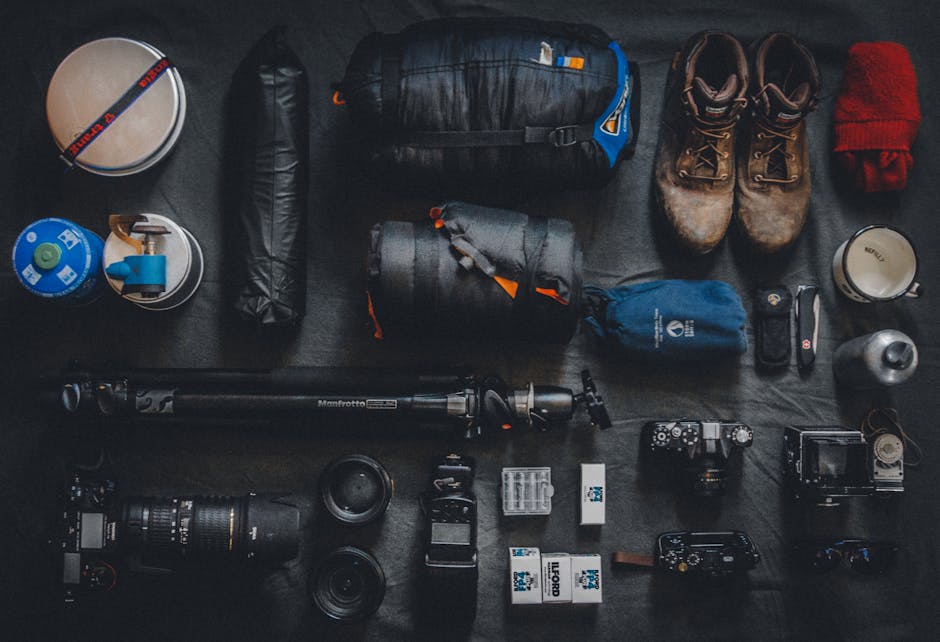
Most beginners struggle with camping not because it’s difficult, but because it’s information-heavy. Every guide seems to suggest different gear, and every product claims to be essential. The result is decision fatigue before you even pack your bag. This guide removes that confusion by turning camping preparation into a structured decision system: must-have essentials first, comfort upgrades second, and optional extras last.
The 80/20 Camping Gear Rule for Beginners
The 80/20 rule in camping means that 20% of your gear handles 80% of your trip success. That 20% includes shelter, sleep, cooking, water, lighting, and safety. Everything else—camp chairs, portable gadgets, luxury items—only improves comfort but not survival or core functionality. Beginners should master essentials first before expanding their gear collection.
Common First-Time Camping Mistakes to Avoid
- Overpacking gear you never use, which increases weight and setup complexity
- Choosing advanced tents that are difficult to assemble
- Ignoring weather conditions when selecting sleeping systems
- Forgetting lighting tools like headlamps or lanterns
- Not planning water access or filtration methods
To simplify planning, many beginners benefit from browsing structured setups in the Baby Care Essentials collection style approach—where items are grouped by function rather than impulse buying.
Complete Must-Have Camping Gear Checklist (Core Essentials)
This section covers the foundational camping gear every beginner should prioritize. Think of this as your “do-not-leave-home-without” list. These categories ensure safety, comfort, and functionality across almost any camping environment.
Shelter Essentials: Camping Tent Setup Basics
Your tent is your primary protection against wind, rain, insects, and temperature changes. Beginners should prioritize ease of setup over advanced features. A good starter tent should be lightweight, weather-resistant, and simple enough to assemble in under 15 minutes. Look for dome-style tents or pop-up systems if you’re new to camping.
Sleeping System: Sleeping Bag, Pads, and Comfort Layers
Sleep quality determines how enjoyable your camping trip will be. A sleeping system includes a sleeping bag rated for expected temperatures, an insulating sleeping pad, and optional liners for colder conditions. Beginners often underestimate ground cold, which can make even warm nights uncomfortable without proper insulation.
Cooking System: Camping Stove and Meal Prep Essentials
A simple cooking setup usually includes a portable stove, fuel canister, lightweight cookware, and basic utensils. The goal is efficiency, not gourmet cooking. One-burner stoves are often ideal for beginners since they are compact and easy to manage.
Water Safety: Water Filtration System and Hydration Planning
Clean drinking water is non-negotiable. Depending on your campsite, you may need a water filter, purification tablets, or sealed water storage. Always assume natural water sources require treatment unless explicitly marked safe.
Lighting Setup: Camping Lantern and Night Visibility
Lighting transforms campsite safety and usability after sunset. A combination of lanterns for ambient lighting and headlamps for hands-free tasks is ideal. Beginners should avoid relying solely on phone flashlights, which drain battery quickly and provide limited coverage.
Safety Kit: First Aid Kit Essentials for Beginners
A basic first aid kit should include bandages, antiseptic wipes, pain relief medication, tweezers, and emergency supplies. Even short trips benefit from having quick-access medical essentials on hand.
For families planning outdoor trips, organizing essentials alongside structured collections like Health & Safety helps ensure nothing critical is missed.
Beginner Camping Setup Sequence (Step-by-Step Campsite Guide)
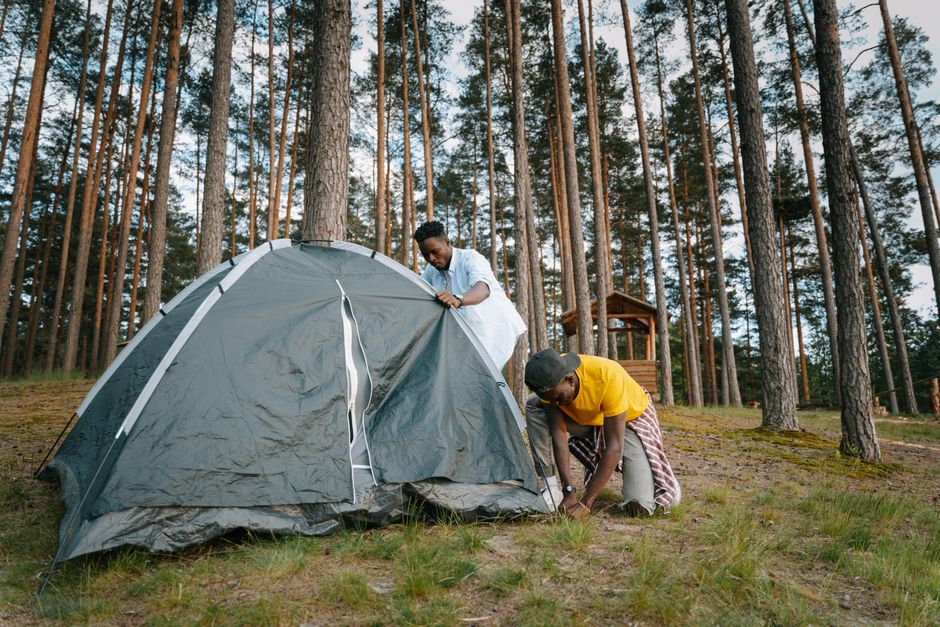
Knowing what to bring is only half the equation. Understanding how to set up your campsite efficiently ensures comfort and safety from the moment you arrive. This step-by-step approach helps beginners avoid chaos and confusion at the campsite.
Step 1: Choosing the Right Campsite Location
Select flat ground with natural wind protection and good drainage. Avoid low areas where water might collect during rain. Proximity to water sources is useful but should be balanced with safety and accessibility.
Step 2: Setting Up Your Camping Tent Efficiently
Start with laying a ground tarp, then assemble the tent frame before securing stakes. Always double-check weather direction to position the tent entrance away from wind exposure. Practice setup at home if possible before your first trip.
Step 3: Organizing Cooking, Lighting, and Sleeping Zones
Create separate zones: cooking area away from sleeping area, lighting placed centrally, and storage organized for quick access. This reduces clutter and improves safety at night.
Family Camping Checklist: What Changes When Camping With Kids

Camping with children introduces new priorities: comfort, safety, and convenience become more important than minimalism. Family camping setups require more organization and child-friendly tools to keep everyone safe and entertained.
Kid-Friendly Shelter and Sleeping Adjustments
Families should choose larger tents with separate sleeping compartments if possible. Extra padding and temperature-appropriate sleeping gear help ensure children sleep comfortably through the night.
Entertainment & Safety Balance for Children
Keeping kids engaged while ensuring safety is essential. Lightweight toys, storybooks, and sensory activities can help maintain engagement during downtime at the campsite.
For example, a travel-ready parenting solution like the  can significantly simplify outdoor family trips. This type of multifunctional setup combines storage, portability, and convenience, making it easier to manage baby essentials during camping, hiking, or travel situations.
Families often combine this with organized planning from the Mom Essentials collection and Baby Growth & Learning collection to create a smoother outdoor experience.
Solo, Couple, and Group Camping Gear Variations

Camping gear needs change depending on group size. Solo campers prioritize weight reduction, couples focus on comfort balance, and groups emphasize coordination and shared resources.
Minimal Solo Camping Setup
Solo camping is about efficiency. Lightweight tents, compact sleeping systems, and multi-purpose tools are key. Every item should serve more than one function.
Couple Camping Comfort Upgrade Checklist
Couples often upgrade sleeping comfort with larger mats, double sleeping bags, and improved cooking setups. Comfort becomes more important without significantly increasing weight.
Group Camping Coordination Essentials
Group camping requires planning shared gear like stoves, water systems, and lighting setups. Avoid duplication and assign responsibilities before departure.
Weather-Based Camping Gear Adjustments (All-Season Guide)
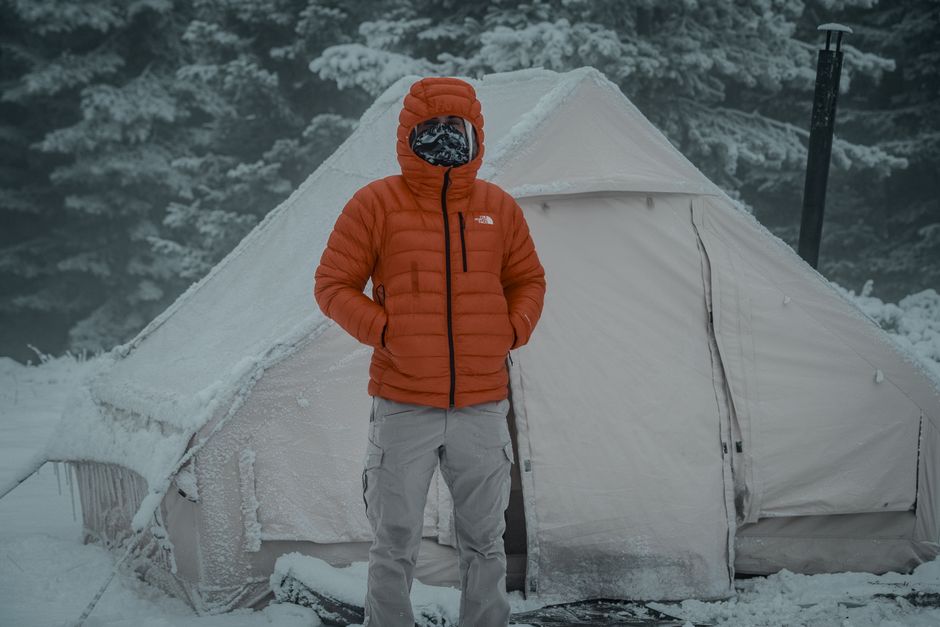
Weather conditions dramatically affect gear selection. Beginners should always adapt their setup to seasonal conditions rather than using a one-size-fits-all approach.
Summer Camping Essentials and Heat Management
Focus on ventilation, shade structures, hydration, and breathable sleeping systems. Lightweight tents with mesh panels are ideal.
Rainy Season Waterproof Gear Checklist
Waterproof tents, rain tarps, sealed storage bags, and quick-dry clothing become essential during wet conditions. Ground elevation and drainage awareness are critical.
Cold Weather and Winter Camping Safety Basics
Insulated sleeping systems, layered clothing, thermal pads, and wind-resistant tents are necessary for cold conditions. Beginners should avoid extreme winter camping until experienced.
Budget Breakdown: Beginner Camping Gear Costs Explained
Understanding budget ranges helps beginners avoid overspending while still getting reliable gear. Camping setups can be built gradually over time rather than purchased all at once.
Low-Budget Starter Setup ($100–$300)
This level focuses on basic functionality: simple tent, sleeping bag, and minimal cooking setup. Ideal for occasional campers testing the activity.
Mid-Range Comfort Setup ($300–$800)
This range offers better durability, improved sleeping systems, and more reliable cooking and lighting gear. Best balance for beginners who plan multiple trips.
Premium Beginner Setup ($800+)
Premium setups include lightweight materials, advanced weather resistance, and enhanced comfort features. Ideal for frequent campers or family trips.
For organized planning and gear grouping, browsing structured categories like Baby Bath Accessories style collections demonstrates how categorized systems simplify decision-making even outside camping contexts.
Advanced Must-Have Additions (Optional but High-Value Gear)

Once essentials are covered, additional gear can significantly improve comfort and convenience, especially for longer trips or family camping environments.
Portable Power Station for Extended Camping
Useful for charging devices, lighting systems, and maintaining small electronics during extended trips.
Camping Chairs for Comfort and Social Spaces
Enhance campsite comfort and create designated relaxation zones for group gatherings.
Hiking Backpack Optimization for Beginners
Proper weight distribution and ergonomic support reduce fatigue during transport between locations.
RV Camping Accessories Overview
RV camping introduces a different setup ecosystem with expanded storage, cooking, and sleeping comfort systems.
Beginner Packing Mistakes That Ruin Camping Trips

Overpacking vs Underpacking Problems
Overpacking leads to unnecessary weight and clutter, while underpacking creates safety risks and discomfort. The goal is balance through structured checklists.
Forgetting Critical Safety Equipment
Missing essentials like first aid kits, lighting, or water filtration can quickly turn a simple trip into a stressful experience.
Printable-Style Camping Checklist Summary (Quick Reference)
- Tent and shelter system
- Sleeping bag and insulation pad
- Portable cooking system
- Water filtration or clean water storage
- Lighting tools (lantern + headlamp)
- First aid and safety kit
- Weather-appropriate clothing
- Navigation and emergency tools
Keep this checklist as your baseline. Adjust it depending on weather, group size, and trip duration. Beginners should always prioritize safety and simplicity over complexity.
FAQ
What camping essentials do beginners need for their first trip?
Beginners need a tent, sleeping system, cooking setup, water supply, lighting, and a basic first aid kit. These core items ensure safety and comfort.
What is the best camping gear for beginners on a budget?
A budget setup should prioritize affordable but reliable essentials like a basic tent, sleeping bag, and portable stove. Avoid unnecessary luxury gear early on.
What should families pack for a beginner camping trip?
Families should include extra clothing, kid-friendly entertainment, comfort items, and enhanced safety gear in addition to standard camping essentials.
What must have outdoor cooking equipment is best for camping?
A portable stove, lightweight cookware, fuel canisters, and reusable utensils form the foundation of an efficient camping cooking system.
What must have backpacking gear for winter camping keeps beginners safe?
Insulated sleeping systems, thermal clothing layers, weather-resistant tents, and proper hydration systems are essential for winter safety.
Final Guidance for Beginners
Camping success is not determined by how much gear you bring, but by how well your gear matches your environment, group size, and comfort needs. A structured checklist approach removes confusion and helps beginners focus on safety, simplicity, and gradual skill-building. Start small, refine your setup with each trip, and build confidence through experience rather than excess equipment.
Pillar Article: Camping Gear for Beginners: 2026 Step-by-Step Packing & Buying Guide





