

How to Improve Coordination and Balance in Kids: 20 Simple Daily Exercises
Many parents notice it early: a child who trips often, struggles with stairs, avoids playground equipment, or seems “behind” in sports or handwriting compared to peers. While this can feel concerning, coordination and balance are not fixed traits—they are developmental systems that grow through repetition, sensory input, and guided movement experiences.
Coordination and balance are deeply connected to how the brain processes movement signals from the body and environment. When supported correctly through play and structured activity, children can make rapid improvements in stability, motor planning, and confidence.
In this guide, you’ll learn how coordination develops from infancy through early childhood, the warning signs to watch for, and 20 practical exercises you can use at home to support healthy motor development.
What Are Coordination and Balance in Child Development?

Coordination refers to the ability of the brain to organize movement efficiently across different body parts. Balance refers to maintaining stability while stationary or moving. Together, they form the foundation of gross motor skills (large body movements) and fine motor skills (small, precise movements).
These abilities depend on communication between the brain, muscles, and sensory systems—especially the vestibular system (inner ear balance control) and proprioception (body awareness in space).
How the Brain Controls Movement and Stability
The brain constantly receives signals from muscles, joints, eyes, and the inner ear. It integrates this information to decide how to adjust posture, step timing, grip strength, and reaction speed. When this system is still developing, children may appear clumsy or uncoordinated.
Role of Vestibular System and Proprioception
The vestibular system helps detect head movement and balance changes, while proprioception helps the child understand where their limbs are without looking. Together, they allow actions like jumping, running, and catching a ball.
For a deeper developmental foundation, many parents explore resources in the Baby Growth & Learning collection to understand early movement patterns.
Coordination and Balance Milestones by Age (0–6 Years)

| Age | Key Skills | What to Expect |
| 0–12 months | Tummy time, rolling, crawling | Begins lifting head, pushing up, early mobility exploration |
| 1–3 years | Walking, climbing, pushing toys | Improved balance but frequent falls are normal |
| 3–6 years | Running, jumping, throwing | Better coordination, sport readiness, improved control |
These milestones are flexible ranges. Every child develops at their own pace, and variation is normal unless delays are persistent or severe.
Signs of Poor Coordination in Kids (When to Be Concerned)

While occasional clumsiness is normal, consistent patterns may suggest a need for extra support or evaluation.
- Frequent tripping or falling beyond typical age expectations
- Difficulty catching or throwing objects
- Avoidance of physical play or playground activities
- Struggles with handwriting or buttoning clothes
- Poor posture or difficulty maintaining balance while standing still
If several of these signs persist, consulting a pediatric specialist or occupational therapist may be beneficial. Early intervention often leads to faster improvement.
The Science Behind Coordination: Motor Planning and Sensory Integration

Coordination is not just physical strength—it is a neurological process called motor planning. This is the brain’s ability to plan, sequence, and execute movement efficiently.
How Motor Planning Shapes Movement Efficiency
When motor planning is strong, a child can quickly adapt movements, such as adjusting stride when running or catching a ball mid-air. Weak motor planning may result in delayed or awkward movements.
Why Sensory Integration Matters for Balance
Sensory integration is how the brain organizes input from vision, touch, and movement systems. When this process is inefficient, children may appear overwhelmed in busy environments or struggle with physical coordination tasks.
Expert Insight: Pediatric occupational therapists often emphasize that “movement learning is sensory learning first—children must feel movement before they can refine it.”
20 Simple Daily Exercises to Improve Coordination and Balance

These exercises are designed to improve stability, body awareness, and movement confidence. They can be done indoors or outdoors and require minimal setup.
Indoor Balance Exercises (No Equipment Needed)
- 1. Walk heel-to-toe across a room
- 2. Stand on one foot for 10–20 seconds
- 3. Balance with eyes closed (short duration)
- 4. Slow-motion walking like a “robot”
- 5. Sit-to-stand repetitions from a low chair
Outdoor Coordination Games for Kids
- 6. Hopscotch jumping sequence
- 7. Catch and throw a soft ball
- 8. Obstacle course with cones or toys
- 9. Running and stopping on command
- 10. Balance beam walking on curb edges
Montessori-Inspired Movement Activities
- 11. Carry objects across a room without dropping
- 12. Pouring water between cups
- 13. Sorting small objects by color or shape
- 14. Threading beads or pasta strings
- 15. Opening and closing containers
Early Mobility Support Example Product
For toddlers beginning mobility development, structured ride-on toys can help build early stability. One example is:

Anti-Tip Baby Balance Bike (1–3 years) supports early coordination by encouraging safe pushing, steering, and balance control through play. It helps children develop confidence in movement while strengthening lower body coordination.
More Exercises to Complete the Set
- 16. Jumping forward and backward over lines
- 17. Animal walks (bear crawl, crab walk)
- 18. Balloon tapping without letting it fall
- 19. Stair climbing with alternating feet
- 20. Dancing to rhythm-based music
For more structured learning ideas, parents often explore the Baby Growth & Learning collection and Baby Care Tips & Advice blog for additional developmental activities.
Age-Based Weekly Training Plan for Coordination Development

| Age Group | Focus | Weekly Activity Plan |
| 1–3 years | Basic balance & walking stability | Daily walking play, crawling games, soft obstacle navigation |
| 3–6 years | Coordination refinement | Jumping games, ball catching, beginner sports play |
Best Home Activities to Strengthen Fine and Gross Motor Skills

Motor development is strongest when children engage in both structured and free play activities. Combining sensory stimulation with movement-based learning leads to faster coordination improvements.
Fine Motor Skill Activities (Hands and Fingers)
- Bead threading and stacking
- Drawing shapes and tracing lines
- Using child-safe scissors
- Building blocks and puzzle solving
Gross Motor Skill Activities (Full Body Movement)
- Climbing playground structures
- Running games like tag
- Jump rope practice
- Balance walking games
Supportive learning tools can be found in the Sensory Toys collection and Mobility & Training collection, which are designed to encourage movement-based development through play.
Structured Movement Example Product
Balance-based ride-on toys help integrate coordination into everyday play:

Baby Balance Bike (2–4 years) encourages natural coordination through steering, pushing, and balancing movements, helping toddlers transition toward independent riding skills.
How Balance Bikes, Climbing, and Play Improve Coordination Naturally

Children learn coordination most effectively through risk-managed play. Activities like climbing, sliding, and riding allow them to test balance limits while building confidence in movement decisions.
Why Risk-Based Play Builds Stronger Motor Skills
When children navigate mild physical challenges, their brain strengthens motor planning pathways and improves reaction timing. This creates long-term improvements in coordination and spatial awareness.
For toddlers starting this journey, early mobility tools like ride-on toys from the Mobility & Training collection support safe exploration.
Early Riding Development Example Product

4-Wheel Baby Balance Bike (10–36 months) provides early stability training, helping babies transition from crawling to walking with better confidence and coordination.
Common Mistakes Parents Make When Training Coordination

Over-Structured vs Free Play Balance
Too much structured training can reduce creativity and natural movement exploration. Children need both guided exercises and free play to fully develop coordination.
Ignoring Sensory Development Needs
Coordination challenges often stem from sensory processing gaps. Activities involving movement, texture, and spatial awareness should be part of daily routines.
Resources in the Health & Safety collection can help parents understand supportive developmental environments.
When to Seek Professional Help (Pediatric Occupational Therapy Guide)
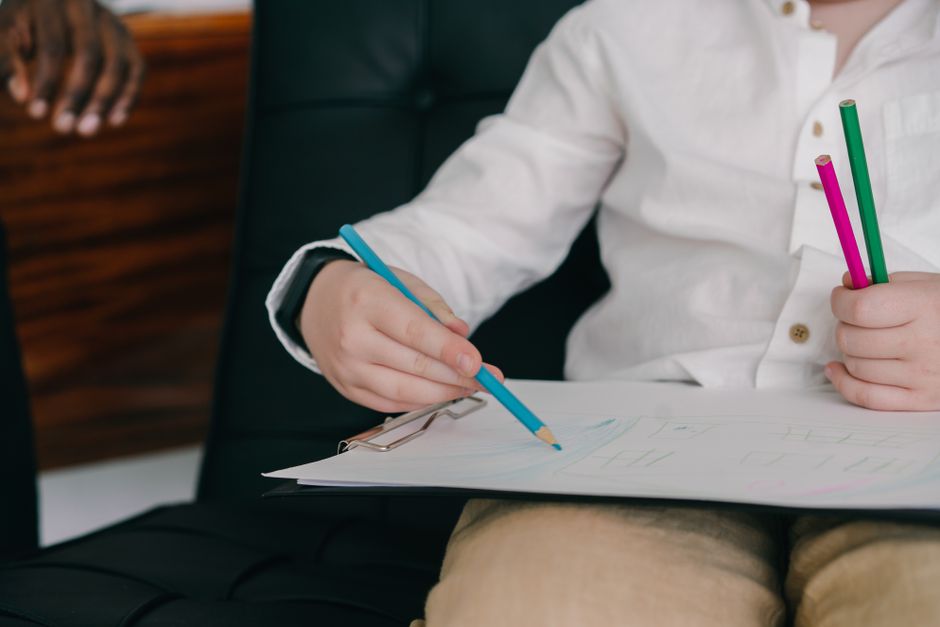
If coordination issues persist beyond expected developmental ranges, a pediatric occupational therapist can assess motor planning, sensory integration, and physical development patterns.
What Occupational Therapists Evaluate
- Balance and posture control
- Hand-eye coordination
- Fine motor precision
- Sensory processing responsiveness
Early Intervention Benefits
Early support can significantly improve long-term motor confidence and reduce frustration in learning environments such as school and sports.
FAQ: How to Improve Coordination and Balance in Kids
What are the best exercises to improve coordination and balance in children?
Activities like obstacle courses, balance walking, ball catching, and animal walks are highly effective.
At what age do coordination and balance skills typically develop?
They begin in infancy and continue refining through age 6 and beyond with increasing complexity.
What are the signs of poor coordination in kids?
Frequent falling, difficulty with sports, poor handwriting, and trouble with balance activities.
How can I improve my child's balance and coordination at home?
Use daily movement games, climbing activities, and simple balance exercises with consistent practice.
What activities help develop fine and gross motor skills in toddlers?
Stacking, threading, running, jumping, climbing, and sensory play all contribute to development.
Conclusion
Coordination and balance are not fixed abilities—they are learned skills shaped through movement, repetition, and sensory experience. With consistent daily activities, supportive play environments, and age-appropriate challenges, children naturally build stronger motor control and confidence.
For ongoing developmental support, explore the Baby Growth & Learning collection and continue integrating movement-based play into everyday routines. Small daily improvements create long-term developmental strength.
Pillar Article: Beginner Guide to Gross Motor Development: Milestones, Activities & Red Flags





