
How to Prepare for Severe Weather During Family Outdoor Activities
Outdoor adventures help families reconnect, reduce screen time, and encourage healthy development for babies, toddlers, and preschool kids. Whether you are planning a backyard play session, a hiking trip, a beach day, or a weekend camping adventure, weather conditions can change quickly and create serious safety risks. Sudden thunderstorms, extreme heat, flash flooding, strong winds, and cold weather exposure are among the most common dangers families face during outdoor activities.
Learning how to prepare for severe weather is one of the most important outdoor safety skills for parents in 2026. Proper preparation helps protect babies from heat exhaustion, keeps toddlers safe during storms, and allows families to respond calmly when weather conditions become dangerous. With the right planning, emergency checklists, portable gear, and child-focused strategies, outdoor experiences can remain fun, educational, and safe year-round.
Families often combine outdoor planning with resources from the Health & Safety collection and practical parenting advice from the Health & Safety Tips blog to build safer outdoor routines for babies and toddlers.
Why Severe Weather Preparation Matters for Outdoor Family Activities
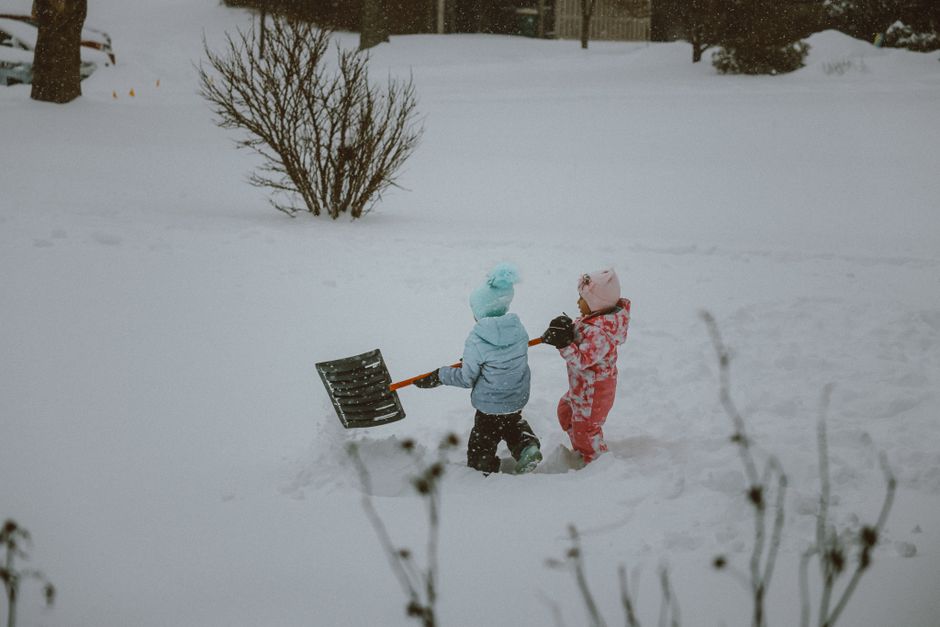
Severe weather affects outdoor safety faster than many parents expect. Young children are especially vulnerable because their bodies regulate temperature less efficiently than adults. Babies can overheat quickly in direct sunlight, toddlers may become dehydrated during active play, and preschool kids often do not recognize early signs of cold exposure or exhaustion.
Outdoor environments also increase risk because access to shelter, medical support, and communication may be limited. Hiking trails, campsites, parks, and beaches can become dangerous during storms or extreme temperatures within minutes.
Most Common Severe Weather Risks for Families Outdoors
- Extreme heat and heat exhaustion
- Lightning storms
- Flash flooding
- Strong winds and falling branches
- Cold weather exposure
- Heavy rain and slippery terrain
- Wildfire smoke and poor air quality
- Sudden temperature drops at campsites
Parents who prepare early usually experience fewer emergencies and can adapt outdoor plans more confidently. Preparation also reduces stress during family trips and helps children feel safer in unfamiliar conditions.
How to Build a Family Severe Weather Preparedness Plan

A family weather preparedness plan should be simple, portable, and easy to follow. The best plans focus on prevention, communication, emergency supplies, and fast decision-making.
Create Weather Checkpoints Before Leaving Home
Before any outdoor activity, check weather forecasts from at least two reliable sources. Parents should monitor:
- Hourly temperature changes
- Thunderstorm warnings
- Wind advisories
- Flash flood alerts
- Heat index levels
- Air quality warnings
- Sunrise and sunset times
Camping families should continue checking weather updates throughout the day because mountain regions and forests often experience rapid weather shifts.
Teach Kids Simple Emergency Rules
Toddlers and preschoolers may not understand weather risks, but they can still learn simple safety habits. Parents can practice emergency routines before outdoor trips.
- Stay close during storms
- Move indoors when adults say so
- Never hide under trees during lightning
- Drink water regularly
- Wear hats and sunscreen outdoors
- Keep shoes on during hikes and park visits
Educational outdoor routines often pair well with learning-focused activities from the Baby Growth & Learning collection for toddlers exploring nature and outdoor environments.
Emergency Contact and Meeting Plans
Every family should establish:
- A primary meeting location
- A backup shelter location
- Emergency phone contacts
- Offline maps for hiking or camping
- Printed campground or park information
Essential Severe Weather Gear for Outdoor Family Trips

Outdoor gear should support safety without making travel overly complicated. Lightweight, portable, weather-resistant items are ideal for beginner outdoor families.
| Gear Category | Purpose | Best Use |
| Weather radio | Emergency alerts | Camping and hiking |
| Portable first aid kit | Injury response | All outdoor activities |
| Waterproof blankets | Cold protection | Rain and winter outings |
| Sunshade stroller | Heat and UV protection | Parks and walking trails |
| Insulated water bottles | Hydration support | Hot weather activities |
| Headlamps and flashlights | Low-light safety | Camping trips |
| Portable play tent | Shade and rest area | Beach and backyard play |
Parents organizing outdoor emergency supplies often browse the Smart Baby Gadgets collection and the Monitoring Devices collection for portable family travel support.
Portable Outdoor Shelter for Toddlers
Creating a shaded play zone helps reduce overheating and sun exposure during long outdoor days. Portable tents and temporary backyard play shelters also provide children with a calm resting space during weather changes.
Foldable Kids Outdoor Play Tent
Play tents work especially well for:
- Beach outings
- Backyard sensory play
- Park picnics
- Camping rest breaks
- Wind protection during outdoor learning activities
How to Stay Safe During Thunderstorms and Lightning
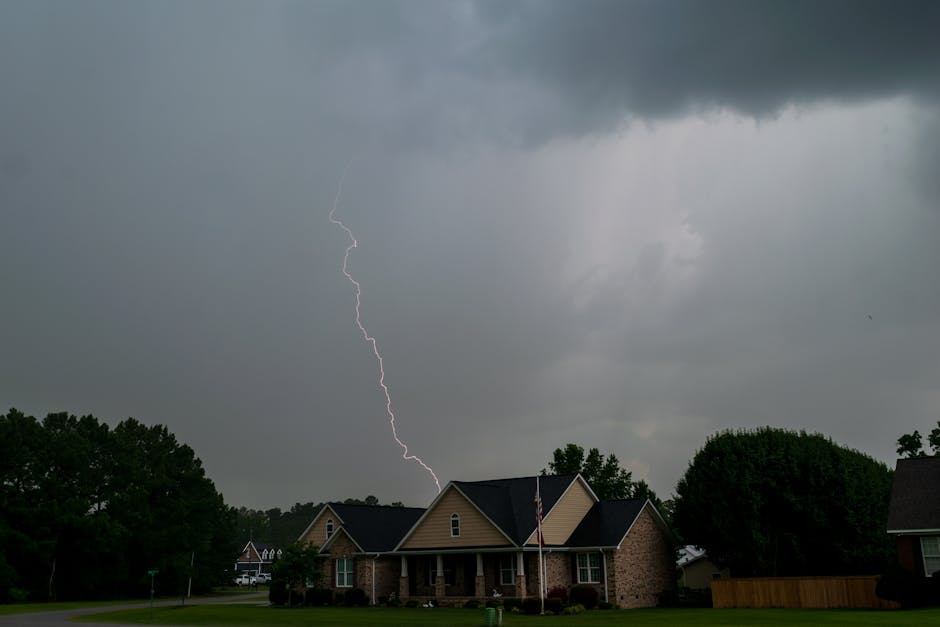
Lightning is one of the most dangerous weather threats during outdoor activities. Storms can form rapidly during hikes, camping trips, and park visits, especially in summer.
Warning Signs of Dangerous Storm Conditions
- Darkening skies
- Sudden temperature drops
- Increasing winds
- Distant thunder
- Rapid cloud buildup
If thunder is audible, lightning is already close enough to pose danger.
Where Families Should Shelter During Storms
Safe shelter locations include:
- Permanent buildings
- Vehicles with closed windows
- Visitor centers
- Campground shelters
Avoid:
- Open fields
- Picnic shelters without walls
- Tall isolated trees
- Metal fences
- Water areas
Camping Storm Safety Tips
Families camping with toddlers should:
- Set up tents away from low ground
- Avoid riverbanks and dry creek beds
- Secure loose items before storms
- Keep emergency flashlights accessible
- Store backup dry clothing in waterproof bags
Camping families can find additional outdoor organization ideas through the Baby Care Tips & Advice section for travel-friendly parenting routines.
Extreme Heat Safety Tips for Babies and Toddlers

Heat-related illness is one of the most common outdoor safety concerns for young children. Babies overheat quickly because their bodies cannot regulate temperature efficiently.
Signs of Heat Exhaustion in Young Children
| Symptom | Possible Meaning |
| Flushed skin | Overheating |
| Fatigue | Heat exhaustion |
| Irritability | Dehydration |
| Rapid breathing | Heat stress |
| Reduced sweating | Dangerous overheating |
| Dizziness | Fluid imbalance |
Best Practices for Outdoor Heat Safety
- Schedule activities before 10 AM or after 5 PM
- Use lightweight clothing
- Apply child-safe sunscreen regularly
- Take hydration breaks every 20–30 minutes
- Use shaded rest areas frequently
- Avoid paved surfaces during peak heat
How to Protect Babies from Sunlight
Direct sunlight increases risks of dehydration and sunburn. Parents should prioritize:
- Wide stroller canopies
- Breathable hats
- UV-protective clothing
- Portable shade tents
- Frequent cooling breaks
Many families preparing for summer outings explore the Temperature Tools collection and the Health & Safety collection for warm-weather planning support.
Safe Water Play During Hot Weather
Water play activities help toddlers cool down while staying active outdoors. Some safe options include:
- Splash bins
- Sprinkler play
- Water painting walls
- Floating toy races
- Shallow supervised pools
Always maintain direct supervision around any water activity, even shallow containers.
Cold Weather Camping Safety for Beginners

Cold weather introduces unique risks for babies and young children because small bodies lose heat faster than adults. Families often underestimate how quickly evening temperatures drop during camping trips.
How to Dress Children for Cold Outdoor Activities
Layering is the safest approach.
- Moisture-wicking base layer
- Warm insulating middle layer
- Waterproof outer layer
Important cold-weather accessories include:
- Thermal socks
- Gloves
- Insulated hats
- Waterproof boots
- Extra dry clothing
Signs of Cold Stress in Toddlers
- Shivering
- Cold hands and feet
- Pale skin
- Low energy
- Confusion or unusual quietness
Winter Camping Safety Tips
Families should:
- Use insulated sleeping systems
- Keep extra blankets nearby
- Avoid cotton clothing
- Warm tents before bedtime safely
- Monitor weather updates continuously
Parents planning cold-weather family adventures often combine outdoor preparation with comfort-focused essentials from the Sleep & Comfort collection.
How to Prepare for Flash Floods and Heavy Rain
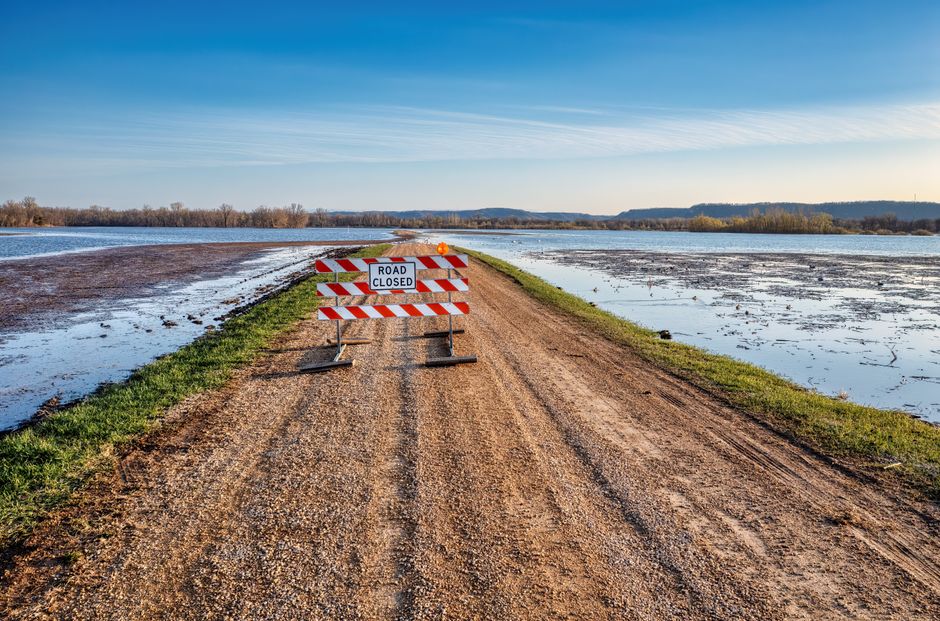
Flash floods are extremely dangerous because water levels can rise within minutes. Families hiking or camping near rivers, canyons, or low areas should stay alert during storms.
Flash Flood Prevention Tips
- Check flood advisories before travel
- Avoid low-ground campsites
- Do not cross moving water
- Identify high ground immediately after arrival
- Pack waterproof emergency bags
Rain Safety During Park and Playground Visits
Wet playgrounds and muddy parks increase slipping hazards. After heavy rain:
- Inspect surfaces before play
- Avoid deep puddles
- Keep dry backup clothing available
- Watch for slippery climbing structures
- Monitor for cold exposure
Safe Outdoor Activities After Rain
Rainy days can still support educational outdoor fun when conditions are safe.
- Puddle jumping
- Nature observation walks
- Mud kitchen sensory play
- Leaf collection games
- Rain sound exploration
Best Outdoor Activities by Weather Condition

Hot Weather Outdoor Activities
- Morning nature walks
- Sprinkler obstacle courses
- Shaded sandbox play
- Frozen toy rescue activities
- Water balloon target games
Windy Day Outdoor Activities
- Kite flying
- Bubble chasing
- Ribbon dancing
- Paper airplane races
- Wind sock crafts
Cold Weather Outdoor Activities for Preschoolers
- Nature scavenger hunts
- Snow painting
- Animal track discovery
- Winter obstacle walks
- Pinecone collecting
Rainy Day Outdoor Learning Activities
- Cloud observation
- Water flow experiments
- Mud sensory bins
- Rain gauge projects
- Garden watering activities
How to Camp With a Baby Safely During Severe Weather

Camping with babies requires additional preparation because infants depend entirely on caregivers for warmth, hydration, and weather protection.
Choose Safe Campsites Carefully
Look for campsites that offer:
- Nearby shelter buildings
- Stable ground elevation
- Accessible bathrooms
- Cell service availability
- Tree coverage without dead branches overhead
Baby Sleep Safety Outdoors
Outdoor sleep conditions should remain dry, breathable, and temperature controlled.
- Avoid overheating sleep sacks
- Monitor tent temperatures regularly
- Keep sleeping surfaces dry
- Dress babies in layers
- Prevent direct sun exposure during naps
Portable Family Emergency Supplies
Parents camping with babies should carry:
- Extra diapers
- Portable lighting
- Waterproof blankets
- Baby-safe medications
- Extra food and formula
- Portable phone chargers
Travel-friendly baby organization systems from the Mom Essentials collection can simplify outdoor packing routines for beginner camping families.
How to Create Safe Backyard Play Zones

Backyards provide one of the safest ways for toddlers and preschoolers to enjoy outdoor learning while remaining close to home.
Separate Backyard Zones by Activity
| Zone Type | Purpose |
| Sensory zone | Water and texture exploration |
| Movement zone | Gross motor activities |
| Quiet zone | Reading and calm breaks |
| Nature zone | Gardening and bug discovery |
| Shade zone | Cooling and hydration |
Backyard Safety Checklist
- Remove sharp objects
- Secure outdoor furniture
- Check fences regularly
- Keep water play supervised
- Use shaded play areas
- Monitor heat levels on surfaces
Portable Outdoor Play Area Ideas for Small Spaces
Families living in apartments or urban homes can still create safe outdoor environments using:
- Foldable play mats
- Portable sensory bins
- Mini gardening stations
- Compact water tables
- Temporary shade tents
Outdoor Sensory Play Activity Set
Simple outdoor learning setups often support developmental activities featured in the Baby Growth & Learning Tips section.
Family Park Safety and Picnic Planning Tips
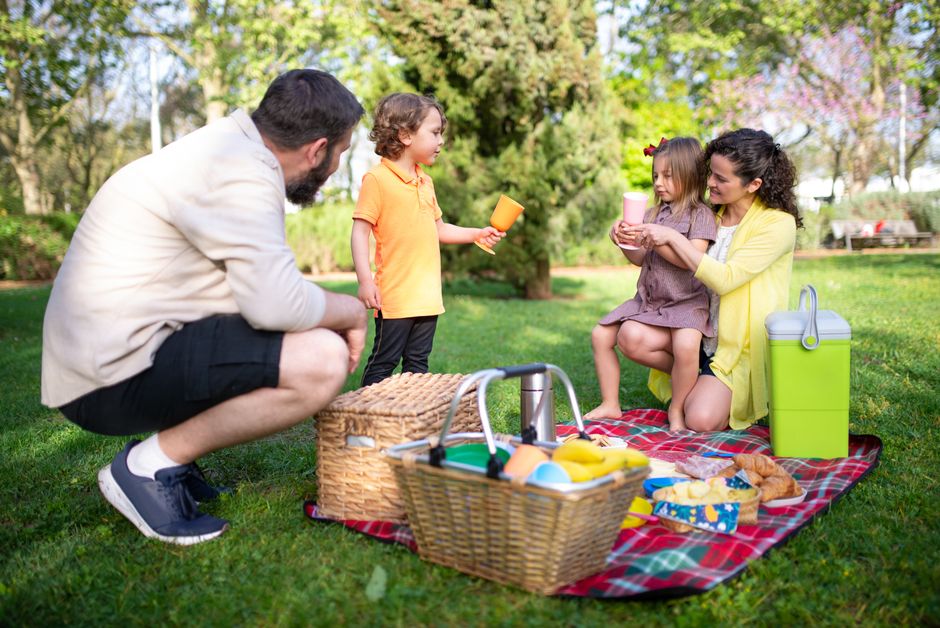
Parks remain one of the most accessible outdoor destinations for toddlers and preschool kids. However, weather preparedness still matters during short local outings.
How to Plan a Park Picnic Safely
- Choose shaded seating areas
- Bring extra water
- Use insulated coolers
- Pack weather-appropriate clothing
- Keep a small first aid kit nearby
Best Games to Play at Parks
- Nature scavenger hunts
- Obstacle races
- Bubble games
- Color-finding challenges
- Mini soccer games
- Parachute activities
Fun Park Activities for Toddlers
Toddlers usually enjoy simple movement-based activities more than structured competition.
- Leaf collecting
- Sidewalk chalk art
- Nature sound listening
- Ball rolling games
- Sandbox digging
Outdoor Hiking Safety Tips for Families

Hiking introduces changing terrain, elevation shifts, and unpredictable weather patterns. Parents hiking with babies or toddlers should prioritize simplicity and flexibility.
Best Time for Family Hikes
Morning hikes are safest because temperatures are lower and storms are less common.
Tips for Hiking With a Baby
- Choose short beginner-friendly trails
- Use shaded routes when possible
- Carry extra hydration
- Monitor baby temperature frequently
- Take regular breaks
Baby Stroller Safety for Outdoor Walking Trails
Trail-friendly strollers should offer:
- Strong sunshade coverage
- Stable wheels
- Good suspension
- Weather-resistant fabric
- Storage for emergency supplies
Parents preparing for outdoor mobility adventures often explore the Mobility & Training collection for family travel support.
How Parents Can Encourage Outdoor Play Safely

Balance Structured and Free Play
Children benefit from both guided activities and independent exploration. Outdoor environments naturally support creativity, sensory learning, and emotional development.
Reduce Screen Time Through Outdoor Routines
Consistent outdoor habits often reduce dependence on screens while improving sleep and emotional regulation.
- Daily walks
- Evening backyard play
- Weekend nature outings
- Outdoor reading sessions
- Gardening projects
How Long Should Preschoolers Play Outside Daily?
Many experts recommend at least one to three hours of outdoor activity daily depending on weather conditions, energy levels, and developmental needs.
Common Outdoor Weather Safety Mistakes Families Should Avoid

Ignoring Early Weather Warnings
Parents sometimes delay shelter decisions because storms seem distant. Early action prevents panic and reduces injury risk.
Underestimating Hydration Needs
Children lose fluids quickly during outdoor play. Water access should always be easy and frequent.
Overpacking Unnecessary Gear
Heavy gear can slow families down during emergencies. Prioritize lightweight essentials and multi-purpose items.
Choosing Activities Beyond Developmental Level
Outdoor challenges should match a child's age, balance, stamina, and coordination abilities.
Expert Perspective on Outdoor Family Weather Safety
"Families should prepare for weather changes before outdoor activities begin, not after conditions worsen. Children are more vulnerable to temperature shifts, dehydration, and environmental stress, so prevention is always the safest strategy." — Outdoor Family Safety Educator
Outdoor Family Severe Weather Preparedness Checklist

| Checklist Item | Status |
| Weather forecast checked | Yes/No |
| Emergency contacts saved | Yes/No |
| Extra hydration packed | Yes/No |
| First aid kit prepared | Yes/No |
| Backup clothing available | Yes/No |
| Sun protection packed | Yes/No |
| Portable shelter available | Yes/No |
| Emergency lighting packed | Yes/No |
| Offline maps downloaded | Yes/No |
| Children briefed on safety rules | Yes/No |
Frequently Asked Questions
What is the best way to prepare for severe weather during camping trips?
Check forecasts frequently, pack weather-resistant gear, prepare emergency supplies, identify nearby shelters, and create simple family emergency plans before leaving home.
How can parents protect babies from extreme heat outdoors?
Use shaded areas, lightweight clothing, hydration breaks, stroller sunshades, and avoid peak afternoon temperatures whenever possible.
What should families do during lightning storms while hiking?
Move to a safe enclosed shelter immediately, avoid isolated trees and open spaces, and leave high elevations as quickly as possible.
How do you create a safe backyard play area for toddlers?
Separate play zones by activity type, add shaded spaces, remove hazards, supervise water play, and use age-appropriate outdoor toys and surfaces.
What are the safest outdoor activities during hot weather?
Morning walks, sprinkler play, shaded sensory activities, and water-based games are among the safest options during high temperatures.
What emergency gear should families carry outdoors?
Important supplies include water, first aid kits, portable lighting, weather radios, sunscreen, waterproof clothing, and backup food supplies.
How can parents safely hike with babies?
Choose beginner-friendly trails, take frequent breaks, monitor temperature closely, and carry sufficient hydration and weather protection supplies.
What are signs of heat exhaustion in toddlers?
Common symptoms include flushed skin, fatigue, irritability, dizziness, rapid breathing, and reduced sweating.
Conclusion
Preparing for severe weather is one of the most valuable outdoor safety habits families can develop in 2026. From camping trips and hiking adventures to backyard play sessions and park picnics, weather conditions can change quickly and affect babies, toddlers, and preschool kids more intensely than adults. Families who build simple preparedness routines, carry portable emergency supplies, monitor weather conditions carefully, and teach children basic safety habits can enjoy outdoor experiences with greater confidence and peace of mind.
Outdoor learning, movement, sensory exploration, and family bonding remain incredibly important for child development. With thoughtful planning and child-focused weather awareness, parents can create safer outdoor adventures throughout every season of the year.
For more family outdoor preparation ideas, explore the Health & Safety collection and browse additional parenting resources inside the Mom Essentials Guide.
Pillar Article: Outdoor Activities Families Guide: Safe & Fun Ideas for Babies and Toddlers





