

Learning Through Play Activities for Toddlers: The Ultimate Parent Guide
Toddlers learn best when they are moving, touching, building, pretending, and exploring the world around them. Yet many parents feel overwhelmed by toy clutter, screen time habits, and pressure to create structured lessons at home. The good news is that early learning does not require expensive programs or rigid schedules. Learning through play gives toddlers the opportunity to build language skills, emotional regulation, creativity, independence, and problem-solving abilities through simple everyday activities.
Whether your child loves sensory bins, pretend kitchens, outdoor scavenger hunts, or movement games, play-based learning can fit naturally into daily family life. Many parents also create flexible home environments using ideas from the Baby Growth & Learning collection alongside practical routines from the Baby Growth & Learning Tips resource hub.
What Is Learning Through Play for Toddlers?

Learning through play is a child-centered approach where toddlers develop essential life and academic skills through hands-on activities, exploration, imagination, movement, and sensory experiences. Instead of memorization or worksheets, toddlers learn naturally by interacting with their environment.
Why Play Is the Foundation of Early Childhood Education
Play supports brain development during the most important years of childhood growth. Toddlers build neural connections through repetition, experimentation, and sensory engagement. Activities like stacking blocks, pouring water, pretending to cook, and sorting colors may look simple, but they help strengthen memory, coordination, communication, and problem-solving.
Play also supports social and emotional development. During pretend games, children learn empathy, patience, cooperation, and emotional expression. Outdoor activities help toddlers practice balance, risk assessment, and confidence-building through movement.
Many parents combine learning routines with calming bedtime systems from the Sleep & Comfort collection to create balanced daily rhythms that support both active learning and rest.
The Difference Between Passive Entertainment and Active Learning Play
Not all entertainment creates meaningful developmental growth. Passive entertainment usually involves watching screens or using toys with limited interaction. Active learning play encourages children to think, move, create, communicate, and explore independently.
| Passive Entertainment | Active Learning Play |
| Watching videos | Building block towers |
| Press-and-repeat toys | Problem-solving puzzles |
| Long screen sessions | Sensory exploration |
| Minimal interaction | Hands-on experimentation |
| Limited creativity | Imaginative role play |
Active play does not need to be complicated. Simple household objects like cups, scarves, cardboard boxes, spoons, and blankets often inspire the most creative learning experiences.
How Montessori Education Supports Independent Learning
Sensory Toys inspired by Montessori learning principles encourage toddlers to explore independently through tactile, hands-on experiences. Montessori education focuses on child-led discovery, self-correction, movement, and practical life activities.
Key Montessori-inspired principles include:
- Encouraging independence through accessible play materials
- Using real-world activities like pouring, sorting, and cleaning
- Reducing toy overwhelm with simple organized environments
- Supporting concentration through focused hands-on tasks
- Allowing children to repeat activities at their own pace
“Play is often talked about as if it were a relief from serious learning. But for children, play is serious learning.” — Fred Rogers
Developmental Benefits of Learning Through Play Activities

Play-based learning supports nearly every area of toddler development. The most effective activities combine movement, sensory input, communication, creativity, and exploration.
Building Fine Motor Skills Through Hands-On Activities
Fine motor development involves strengthening the small muscles in the hands and fingers. Toddlers use these skills for dressing, feeding themselves, drawing, and eventually writing.
Fine motor activities include:
- Threading beads
- Stacking blocks
- Sticker placement games
- Scooping sensory materials
- Turning knobs and switches
- Using toddler-safe scissors
Busy boards, sensory bins, and sorting trays help toddlers practice coordination while staying engaged through tactile exploration.
Supporting Language Development During Everyday Play
Language grows rapidly during play. Toddlers learn vocabulary through repetition, storytelling, naming objects, songs, and role-play conversations.
Simple ways to support language development include:
- Narrating daily routines
- Asking open-ended questions
- Reading interactive books
- Singing movement songs
- Playing pretend grocery store or kitchen games
Pretend play is especially valuable because it encourages back-and-forth communication and emotional expression.
Encouraging Emotional Regulation Through Sensory Play
Sensory activities help toddlers process emotions and regulate their nervous systems. Calming sensory play can reduce frustration, improve focus, and create emotional security.
Popular sensory play ideas include:
- Water pouring stations
- Rice bins
- Play dough
- Kinetic sand
- Textured fabrics
- Bubble foam
Many families pair calming sensory routines with products from the Massage & Relaxation collection to help toddlers transition from active play to quiet time.
How Problem-Solving Games Improve Cognitive Development
Problem-solving activities teach toddlers how to experiment, adapt, and think critically. Simple games strengthen memory, spatial awareness, sequencing, and logic.
Examples include:
- Shape sorters
- Matching cards
- Simple puzzles
- Obstacle courses
- Cause-and-effect toys
- Color sorting games
These activities encourage persistence and resilience while helping children learn from mistakes.
Why Pretend Play Builds Creativity and Social Skills
Imaginative play helps toddlers explore emotions, social roles, and communication patterns. Pretending to run a restaurant, care for dolls, camp outdoors, or build a pretend store develops creativity and empathy.
Role-play also strengthens:
- Conversation skills
- Cooperation
- Confidence
- Storytelling ability
- Emotional understanding
Best Learning Through Play Activities for Toddlers at Home

At-home learning activities work best when they are simple, repeatable, and flexible. Toddlers thrive with routines that encourage exploration without pressure.
Sensory Play Activities for Toddlers
Sensory bins are one of the easiest ways to support independent exploration. Use containers filled with rice, beans, water beads, oats, or sand alongside scoops, cups, toy animals, or letters.
Rotate sensory themes weekly:
- Ocean sensory bin
- Farm animal tray
- Construction site sensory play
- Camping-themed nature tray
- Color sorting stations
For younger toddlers, sensory cubes and tactile exploration toys encourage early developmental learning through touch, sound, and movement.
Montessori Sensory Toy for Babies – 8-in-1 Development Cube

This type of sensory toy works especially well during short independent play sessions, travel time, or quiet indoor learning routines.
Busy Boards and Quiet Books for Independent Play
Busy boards and quiet books support concentration, coordination, and self-directed exploration. Toddlers practice zipping, buckling, snapping, matching, and sequencing while building fine motor skills.
Quiet books are especially helpful during:
- Car rides
- Flights
- Restaurant waiting time
- Rainy afternoons
- Independent play routines
Parents looking for travel-friendly learning tools often browse the Sensory Toys collection for screen-free activity ideas.
Simple Problem-Solving Games for Preschoolers
Problem-solving activities should match your child’s developmental stage. Start with simple tasks and gradually increase complexity.
| Age Range | Problem-Solving Activity | Primary Skill |
| 1–2 Years | Shape sorting | Spatial awareness |
| 2–3 Years | Simple matching games | Memory |
| 3–4 Years | Obstacle courses | Planning |
| 4–5 Years | Simple scavenger hunts | Logic and sequencing |
Imaginative Role Play Ideas Using Everyday Household Items
You do not need expensive pretend-play sets to create meaningful imaginative experiences. Household items often inspire richer creativity because they are open-ended.
Simple role-play setups include:
- Cardboard box rocket ships
- Pretend grocery stores
- Indoor camping tents
- Teddy bear doctor stations
- Kitchen cooking play
- Puppet storytelling corners
Loose parts like blankets, scarves, baskets, and recycled containers encourage open-ended experimentation.
Movement-Based Learning Games for High-Energy Toddlers
Movement-based learning combines physical activity with cognitive development. These activities improve coordination while helping energetic toddlers stay engaged.
- Color hop games
- Animal movement races
- Indoor obstacle courses
- Freeze dance
- Outdoor scavenger hunts
- Letter or number treasure hunts
Outdoor movement play can also support healthy sleep routines when paired with consistent evening wind-down habits from the Sleep & Comfort collection.
How to Teach Kids Through Play Without Creating a Strict Curriculum

One of the biggest misconceptions about play-based learning is that parents must become full-time teachers. In reality, toddlers learn best through flexible routines and natural exploration.
The 15-Minute Play-Based Learning Routine
A simple 15-minute routine is often enough to create meaningful learning opportunities.
- 5 minutes of sensory or movement play
- 5 minutes of focused hands-on activity
- 5 minutes of storytelling, pretend play, or free exploration
Short sessions help toddlers stay engaged without frustration.
Rotating Toys to Increase Focus and Reduce Clutter
Too many toys can overwhelm toddlers and reduce attention spans. Toy rotation keeps activities fresh while minimizing clutter.
Try rotating:
- Puzzles
- Building toys
- Pretend play accessories
- Sensory materials
- Books
Parents often organize learning spaces using inspiration from the Baby Care Tips & Advice hub for easier daily routines.
Creating Independent Play Stations Around the Home
Independent play stations encourage toddlers to explore safely on their own. Keep activities visible, simple, and easy to access.
Examples include:
- Reading corner
- Sensory shelf
- Building basket
- Art tray
- Pretend kitchen area
Portable activity stations are especially helpful for parents managing busy schedules or multiple children.
Many families use soft sensory learning tools like the Montessori Quiet Book for Daily Skills & Sensory Learning during quiet time routines and travel days.

Balancing Structured Activities With Free Play
Not every moment needs a learning objective. Free play allows toddlers to develop creativity, independence, and self-confidence. The best routines balance guided activities with open-ended exploration.
Indoor Learning Through Play Ideas for Rainy Days
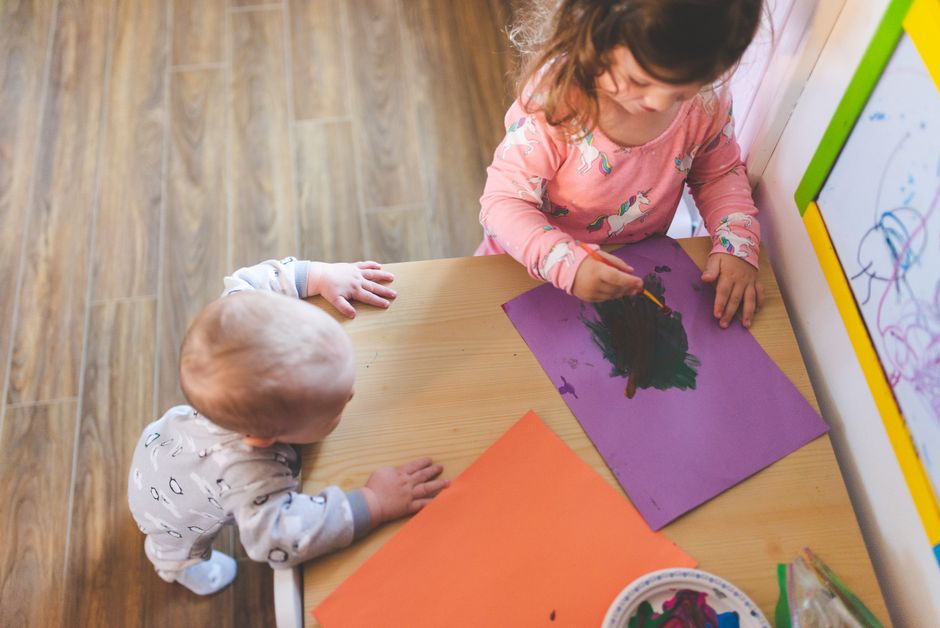
Rainy days can still be packed with movement, creativity, and developmental learning. Indoor play becomes much easier when parents create flexible activity zones instead of relying on screens.
Quiet Time Activities That Still Support Learning
Quiet activities help toddlers recharge while continuing to build important skills.
- Magnetic puzzles
- Sticker books
- Quiet books
- Matching games
- Simple threading tasks
- Interactive storytelling
These low-noise activities are especially useful before naps or bedtime.
Sensory Activities for Small Spaces
Even tiny apartments can support sensory learning with contained activities.
Low-mess ideas include:
- Water painting
- Foam soap play
- Masking tape road tracks
- Pom-pom sorting
- Velcro matching boards
- Dry sensory bins
Safety remains important during indoor play, especially with younger toddlers. Many parents pair activity areas with tools from the Health & Safety collection to childproof learning spaces.
Easy DIY Toddler Learning Stations
You can create effective learning stations using affordable household materials.
| Station Type | Materials Needed | Development Focus |
| Art Tray | Paper, crayons, stickers | Creativity |
| Sensory Bin | Rice, scoops, containers | Sensory processing |
| Building Basket | Blocks, cups, cardboard | Problem-solving |
| Pretend Kitchen | Bowls, spoons, containers | Language development |
Outdoor and Nature-Based Learning Activities for Toddlers

Nature-based play encourages movement, curiosity, observation, and sensory exploration. Outdoor environments naturally support cognitive and emotional development.
Nature Walk Scavenger Hunts for Early Learning
Scavenger hunts help toddlers build vocabulary, observation skills, and focus.
Simple scavenger hunt ideas:
- Find something green
- Collect smooth rocks
- Spot birds or insects
- Look for different leaf shapes
- Count flowers
Nature walks also create opportunities for storytelling, counting, and sensory exploration.
Camping Learning Activities for Toddlers
Camping introduces toddlers to hands-on learning opportunities that combine movement, sensory exploration, and imaginative play.
Easy camping-inspired learning activities include:
- Building pretend campfires
- Nature treasure baskets
- Outdoor storytelling circles
- Tent pretend play
- Flashlight shadow games
- Camping scavenger hunts
Portable learning tools and sensory activities can make family camping trips smoother for younger children. Parents planning outdoor adventures often explore the Mobility & Training collection for toddler-friendly travel support.
Outdoor Sensory Play Using Natural Materials
Nature provides endless sensory opportunities without expensive materials.
- Mud kitchens
- Sand digging stations
- Leaf sorting
- Stick building
- Water pouring
- Rock balancing
Outdoor sensory play also encourages resilience and confidence through exploration.
Best Toys and Tools for Play-Based Learning
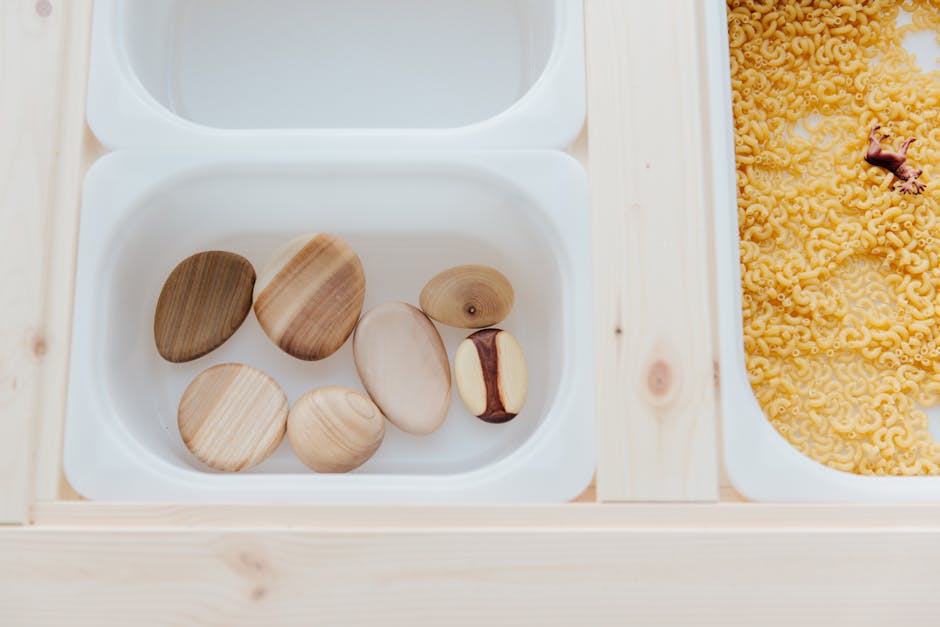
The best play-based learning tools are open-ended, durable, and adaptable across multiple developmental stages. Instead of buying dozens of toys, focus on a few versatile tools that encourage creativity and independent exploration.
Best Busy Boards for Fine Motor Development
Busy boards support hand strength, coordination, and problem-solving through tactile interaction. Toddlers enjoy buttons, switches, locks, buckles, wheels, and sensory textures because they mimic real-world experiences.
LED busy boards add cause-and-effect learning through light and motion interactions.
Montessori Busy Board LED Toy – Sensory Learning Fun

Busy boards work especially well for independent quiet play and travel activities.
Top Quiet Books for Travel and Independent Play
Quiet books are ideal for toddlers who need screen-free engagement during travel or downtime. They combine sensory textures, matching activities, practical life tasks, and imaginative storytelling.
Portable learning systems are especially valuable during:
- Flights
- Road trips
- Waiting rooms
- Restaurant visits
- Quiet afternoons
Montessori-Inspired Toys for Toddlers
Montessori-inspired toys focus on purposeful interaction instead of overstimulation. Simple wooden toys, stacking games, sensory trays, and practical life activities encourage deeper concentration.
Look for toys that:
- Encourage independent use
- Use natural textures
- Promote problem-solving
- Support sensory exploration
- Allow multiple play styles
Sensory Play Tools Every Parent Should Have
Parents do not need expensive setups to create meaningful sensory play routines. A few reusable tools can support dozens of learning activities.
- Scoops and funnels
- Plastic bins
- Water trays
- Sorting cups
- Play dough tools
- Texture fabrics
Many parents also combine sensory activities with organization systems from the Baby Care Essentials collection to simplify storage and cleanup.
Common Mistakes Parents Make With Play-Based Learning
Play-based learning should feel natural and enjoyable, not stressful or overly structured.
Overcomplicating Activities
Parents often believe they need elaborate setups or expensive materials. In reality, toddlers benefit most from simple repetitive experiences that encourage exploration.
Buying Too Many Toys Instead of Rotating Them
Too many toys can reduce creativity and overwhelm toddlers. Rotating smaller groups of toys keeps engagement high and encourages deeper focus.
Expecting Long Attention Spans From Toddlers
Toddlers naturally shift attention quickly. Most children learn best through short bursts of focused activity followed by movement or free exploration.
Ignoring Independent Play Opportunities
Independent play builds confidence, resilience, and problem-solving skills. Parents do not need to direct every activity. Safe, accessible play spaces encourage toddlers to explore on their own.
Sample Weekly Play-Based Learning Schedule for Toddlers

A flexible routine helps parents create consistency without feeling rigid or overwhelming.
Morning Learning Activities
| Day | Morning Activity | Primary Skill |
| Monday | Sensory bin exploration | Sensory processing |
| Tuesday | Outdoor scavenger hunt | Observation |
| Wednesday | Movement obstacle course | Gross motor skills |
| Thursday | Sorting and matching | Problem-solving |
| Friday | Pretend kitchen play | Language development |
Afternoon Independent Play Ideas
Afternoons work well for quieter independent activities:
- Puzzles
- Quiet books
- Building blocks
- Pretend storytelling
- Simple art projects
Parents can also rotate calming sensory activities with support from the Massage & Relaxation collection to help toddlers transition into evening routines.
Weekend Outdoor Learning Routine
Weekends provide opportunities for longer outdoor learning experiences.
- Family camping practice
- Nature walks
- Park scavenger hunts
- Gardening
- Outdoor sensory bins
- Pretend adventure games
Creating outdoor family routines can make learning feel exciting and memorable while reducing screen dependency.
Frequently Asked Questions
What is play based learning for toddlers?
Play-based learning is an educational approach where toddlers develop skills through exploration, sensory activities, movement, imagination, and hands-on experiences instead of formal instruction.
How do you teach kids through play at home?
Create simple activity stations, rotate toys regularly, encourage sensory exploration, read interactive books, and allow time for independent play and movement.
What are the best learning through play activities for toddlers?
Sensory bins, pretend play, movement games, puzzles, storytelling, scavenger hunts, and building activities are all highly effective for toddler learning.
How does imaginative play help toddler development?
Imaginative play strengthens creativity, communication, empathy, emotional understanding, and social confidence.
What are good problem solving activities for preschoolers?
Matching games, obstacle courses, simple puzzles, sorting activities, and scavenger hunts help preschoolers develop cognitive flexibility and logical thinking.
What toys support independent play for toddlers?
Busy boards, quiet books, sensory bins, building blocks, pretend play tools, and Montessori-inspired activities encourage independent exploration.
How much structured play should toddlers have each day?
Most toddlers benefit from short structured activities balanced with large amounts of free play and movement throughout the day.
What are the benefits of sensory play for toddlers?
Sensory play supports emotional regulation, focus, fine motor development, language growth, creativity, and sensory processing skills.
Can Montessori activities be done at home?
Yes. Montessori-inspired activities are easy to create at home using simple materials, organized play spaces, and child-led routines.
How do busy boards help toddler development?
Busy boards improve hand-eye coordination, fine motor strength, concentration, problem-solving, and independent play skills.
Conclusion
Meaningful toddler learning does not require complicated lesson plans or expensive educational systems. The most effective learning environments are often built around simple routines, hands-on exploration, sensory experiences, movement, and imaginative play. By creating intentional play spaces and allowing toddlers to explore independently, parents can support language growth, emotional development, creativity, and confidence in everyday life.
Whether your child enjoys nature walks, sensory bins, pretend kitchens, or quiet independent activities, consistent play-based learning creates powerful developmental opportunities that fit naturally into family routines. For more inspiration, many parents continue exploring practical resources through the Baby Growth & Learning Tips hub and related developmental collections designed for everyday family learning.
Pillar Article: Play Based Learning for Early Childhood: Activities, Games & Development Guide





