

Play Based Learning for Early Childhood: Indoor, Outdoor & Camping Activities
Modern parenting often feels like a balancing act between screen time limits, academic readiness, and the desire to raise creative, emotionally intelligent children. In the middle of this challenge, play based learning for early childhood stands out as one of the most effective and natural ways to support development. Instead of separating “learning” and “play,” this approach blends both into everyday experiences where children explore, experiment, and grow through meaningful interaction with their environment.
From building fine motor skills with hands-on toys to developing problem-solving abilities through outdoor adventures, play based learning transforms ordinary moments into powerful developmental opportunities. Whether at home, in the backyard, or during a family camping trip, every activity becomes a chance for children to learn naturally.
What Is Play Based Learning for Early Childhood?
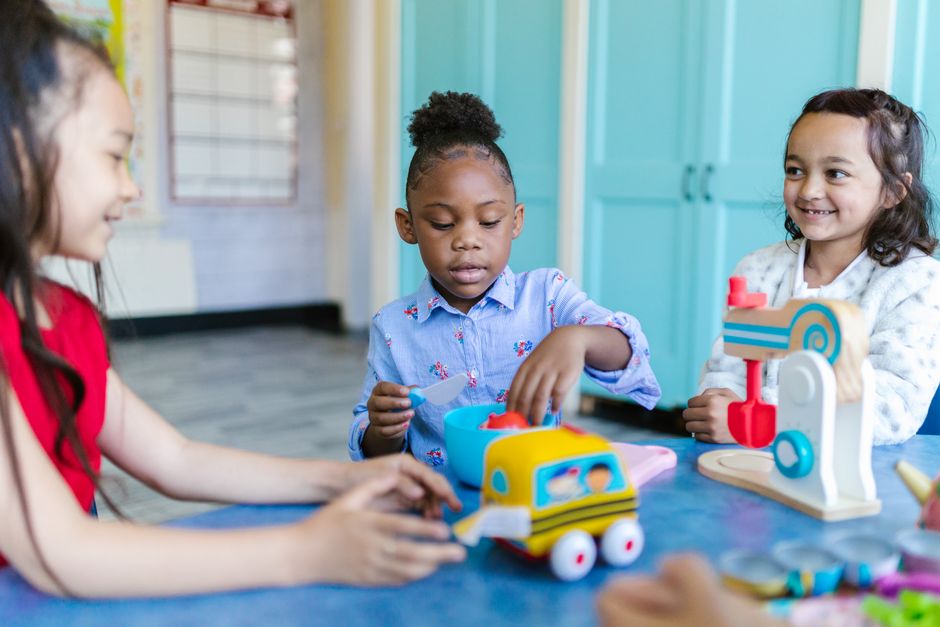
Play based learning is an educational approach where children develop cognitive, social, emotional, and physical skills through guided and free play. Instead of structured instruction alone, children learn by interacting with materials, people, and environments in meaningful ways.
The Core Principles Behind Learning Through Play
The foundation of play based learning includes child-led exploration, curiosity-driven discovery, and active engagement. Children are not passive recipients of information; they are active participants shaping their understanding of the world through experimentation and repetition.
How Montessori Education and the Reggio Emilia Approach Influence Play Based Learning
Educational frameworks like Montessori and Reggio Emilia emphasize independence, sensory exploration, and hands-on learning. These philosophies encourage environments where children choose activities freely while adults guide gently. This influence is visible in modern learning tools and toys designed to encourage problem-solving and creativity.
Why Play Is Critical for Preschool Cognitive Development
Research in early childhood development shows that play strengthens neural connections in the brain. When children engage in imaginative or physical play, they practice decision-making, language development, and spatial reasoning. These skills form the foundation for future academic success.
“Play is the highest form of research in early childhood. Through play, children test ideas, solve problems, and build confidence in their abilities.” — Early Childhood Education Perspective
How Play Based Learning Supports Early Childhood Development
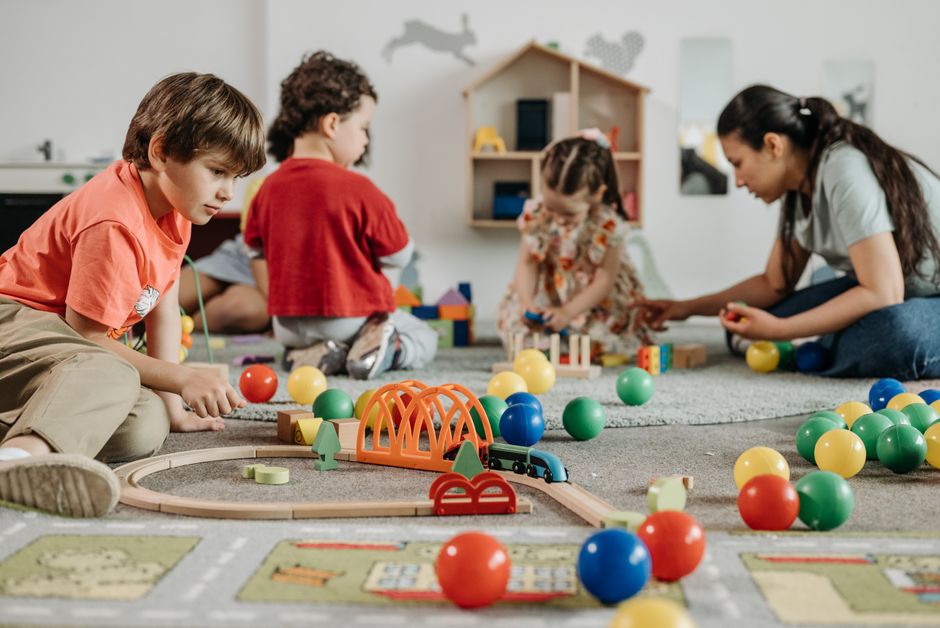
Play based learning contributes to every area of a child’s development. It supports cognitive growth, emotional regulation, physical coordination, and social interaction in a natural and engaging way.
Building Fine Motor Skills Through Hands-On Activities
Activities like stacking blocks, threading beads, and manipulating small objects help strengthen hand-eye coordination and finger dexterity. These skills are essential for writing, drawing, and self-care tasks later in life.
Improving Gross Motor Development With Active Play
Running, jumping, climbing, and balancing all contribute to physical strength and coordination. Outdoor play is especially important for building spatial awareness and body control.
Strengthening Social Emotional Learning Through Group Play
When children play together, they learn cooperation, empathy, and communication. Sharing toys, taking turns, and resolving conflicts naturally teaches emotional regulation and social awareness.
How Pretend Play Builds Creativity and Problem-Solving Skills
Pretend play allows children to create scenarios, assign roles, and solve imaginary problems. This type of play strengthens cognitive flexibility and encourages storytelling abilities.
The Role of STEM Learning for Preschoolers in Everyday Play
Simple play activities like building towers or sorting shapes introduce early STEM concepts such as balance, measurement, and classification without formal instruction.
Ages and Stages: Developmental Progression in Play Based Learning
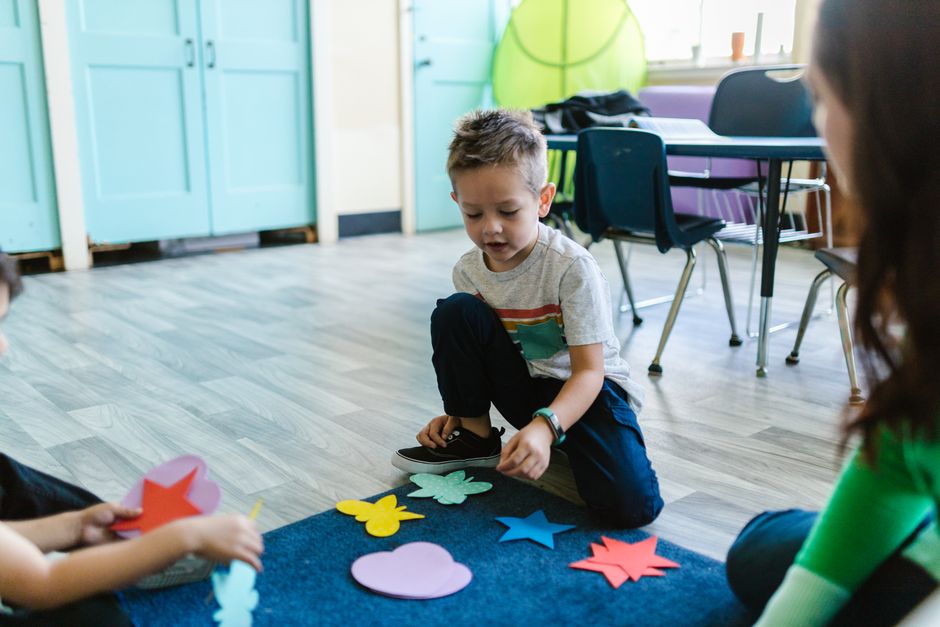
Children’s play evolves significantly as they grow. Understanding these stages helps parents choose age-appropriate activities that maximize learning potential.
Play Based Learning Activities for Toddlers (1–2 Years)
Toddlers benefit from sensory exploration, simple stacking toys, and movement-based play. At this stage, curiosity and sensory input are key drivers of learning.
Learning Through Play for Preschoolers (3–4 Years)
Preschoolers enjoy role play, matching games, and cooperative activities. They begin developing early problem-solving skills and social awareness.
School Readiness Activities for Pre-K Children (4–5 Years)
At this stage, children engage in more structured play that supports literacy, numeracy, and independence. Activities often involve following multi-step instructions.
Developmental Progression Chart by Age and Skill
| Age | Focus Area | Example Activities |
| 1–2 | Sensory exploration | Touching textures, stacking blocks |
| 3–4 | Imaginative play | Pretend kitchen, role play games |
| 4–5 | Problem-solving | Puzzles, simple STEM activities |
Best Indoor Play Based Learning Activities for Preschoolers

Indoor environments provide safe, structured spaces for children to explore learning through play. These activities are ideal for rainy days or quiet home learning sessions.
Sensory Play Activities for Rainy Days
Sensory bins filled with rice, fabric, or water beads alternatives help children explore textures and develop tactile awareness. These simple setups are highly effective for focus and calming energy.
Dramatic Play Ideas That Encourage Imagination
Creating pretend kitchens, doctor kits, or puppet theaters helps children develop storytelling skills and emotional expression.
Simple STEM Learning Activities Using Household Items
Everyday materials like cups, spoons, and paper can be used to create simple engineering challenges and science experiments.
Indoor Gross Motor Activities for High-Energy Preschoolers
Obstacle courses using pillows, tape lines, and furniture help children burn energy while improving coordination.
Montessori-Inspired Toy Setups for Independent Learning
One of the most effective tools for independent indoor learning is the Busy Book for Kids.

Busy Book for Kids supports early literacy, problem-solving, and fine motor development through interactive puzzles and sensory activities. It is designed for children aged 2–6 and encourages independent exploration, making it an excellent Montessori-inspired tool for home learning environments.
Explore more developmental tools in the Baby Growth & Learning collection or discover supportive essentials in the Sensory Toys collection.
Outdoor Play Based Learning Activities That Build Real-World Skills

Outdoor environments offer unmatched opportunities for children to develop physical strength, curiosity, and problem-solving skills. Nature becomes a classroom filled with discovery.
Nature-Based Learning Activities for Curious Preschoolers
Collecting leaves, observing insects, and exploring gardens helps children understand biology and environmental awareness.
Problem-Solving Games and Backyard Challenges
Simple backyard challenges such as obstacle courses or treasure hunts encourage logical thinking and teamwork.
How Backyard Toss Games Improve Coordination
Games like bean bag toss or cornhole improve hand-eye coordination and focus while keeping children physically active.
Outdoor Sensory Play for Emotional Regulation
Sand play, water tables, and mud kitchens help children regulate emotions through calming sensory experiences.
Group Play Activities That Encourage Teamwork
Group games teach communication skills, leadership, and cooperation in a natural environment.
Outdoor learning experiences are enhanced when paired with essentials from the Baby Care Essentials collection or travel-friendly items from the Mobility & Training collection.
Camping and Nature Learning Extensions for Families

Camping introduces children to real-world learning environments where independence, resilience, and curiosity grow naturally. It is one of the richest contexts for experiential learning.
Why Camping Creates Powerful Learning Opportunities
Camping removes digital distractions and immerses children in nature, encouraging observation and problem-solving in real time.
Camping Activities That Teach STEM and Problem-Solving
Building shelters, identifying directions, and cooking outdoors all introduce practical STEM concepts in engaging ways.
Nature Scavenger Hunts for Cognitive Development
Scavenger hunts encourage memory, classification, and attention to detail while keeping children active and engaged.
Portable Sensory Activities for Campsites
Travel-friendly toys like the Baby Soft Cloth Book provide comfort and learning on the go.

Baby Soft Cloth Book introduces sensory textures, colors, and early cognitive learning in a safe and portable format. It is especially useful for infants and toddlers during travel or outdoor activities.
Families preparing for outdoor learning experiences can explore more essentials in the Health & Safety collection and plan activities using guides from the Baby Growth & Learning Tips.
How Parents Can Build a Daily Play Based Learning Routine at Home
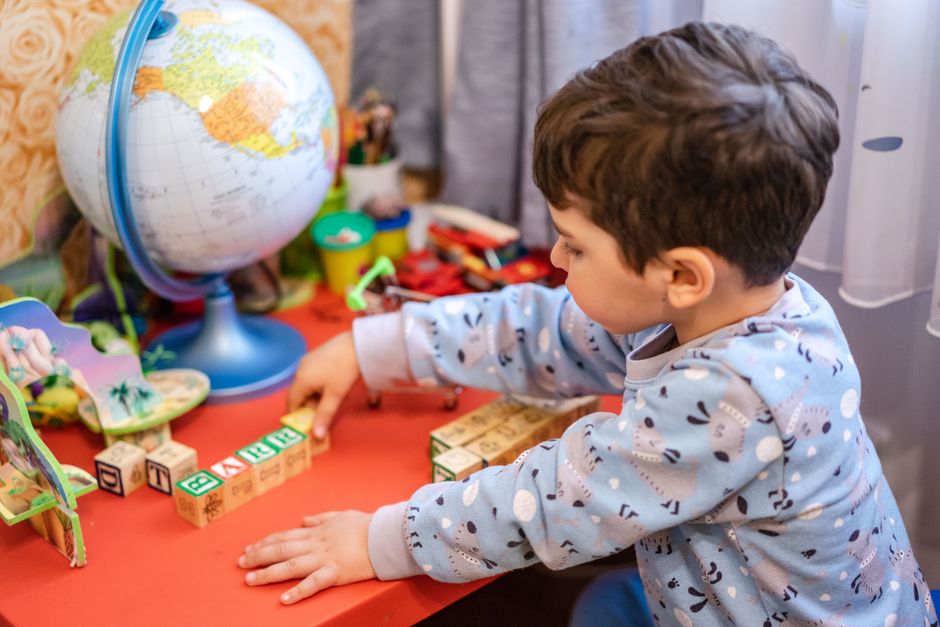
Creating a structured yet flexible play based learning routine does not require expensive materials. It is about intentional engagement and consistency.
Creating Simple Learning Zones Without Expensive Toys
A small corner with rotating toys and open-ended materials can encourage independent exploration.
Balancing Structured Activities and Free Play
Children need both guided learning and free exploration to develop creativity and discipline.
Screen-Free Activity Planning for Busy Families
Setting aside dedicated screen-free time helps children focus on hands-on learning and family interaction.
Sensory-Friendly Adaptations for Different Learning Styles
Every child learns differently. Adjusting textures, sounds, and activity intensity helps support diverse developmental needs.
For more structured guidance, parents can explore resources in the Baby Care Tips & Advice blog.
Best Toys and Learning Tools That Support Play Based Learning
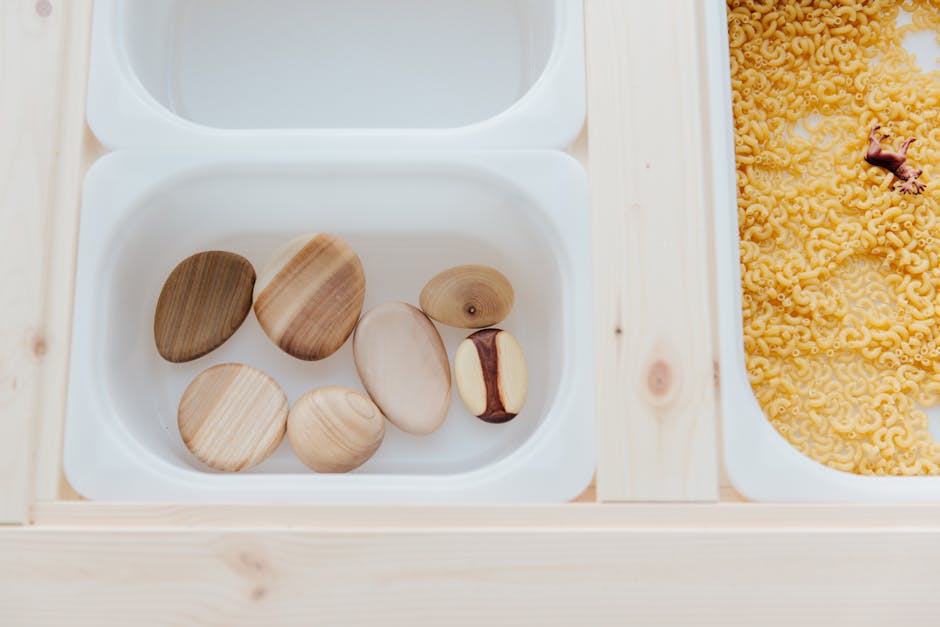
Choosing the right toys can significantly enhance a child’s learning experience by encouraging curiosity, independence, and problem-solving.
Open-Ended Pretend Play Toys
Pretend play items allow children to create unlimited scenarios and develop storytelling abilities.
Sensory Play Materials for Home Learning
Textured materials, soft books, and interactive boards support sensory development and fine motor skills.
Outdoor Toys That Encourage Active Learning
Physical toys like toss games and climbing tools improve coordination and confidence.
Montessori-Inspired Learning Tools for Independent Exploration
The Montessori Busy Board for Kids is a strong example of independent learning support.

Montessori Busy Board for Kids develops practical life skills such as zippers, buttons, and buckles while strengthening cognitive and motor abilities. It is ideal for both home and travel use.
Explore more learning-focused products in the Baby Growth & Learning collection and discover safe play options in the Health & Safety collection.
FAQ: Play Based Learning for Early Childhood
What is play based learning for early childhood?
It is a learning approach where children develop skills through structured and unstructured play activities rather than direct instruction.
How does play based learning help preschool development?
It improves cognitive, emotional, physical, and social development through hands-on exploration and interaction.
What are the best play based learning activities for preschoolers?
Activities like sensory bins, pretend play, outdoor exploration, and simple STEM experiments are highly effective.
How can parents use learning through play at home?
Parents can create simple activity zones, rotate toys, and encourage daily imaginative and sensory play.
What outdoor activities improve problem-solving skills?
Scavenger hunts, obstacle courses, and nature exploration games help develop critical thinking.
How much play time do preschoolers need daily?
Experts recommend several hours of mixed free and guided play to support balanced development.
Can play based learning improve emotional skills?
Yes, group play and imaginative activities help children develop empathy and emotional regulation.
Conclusion
Play based learning is not an extra task for parents—it is a natural, everyday approach that turns ordinary moments into meaningful developmental experiences. Whether indoors with sensory toys, outdoors in nature, or during family camping trips, children learn best when they are engaged, curious, and free to explore. By integrating simple routines and thoughtful play environments, families can support lifelong learning, creativity, and emotional growth.
Related Articles:
- Learning Through Play Activities for Toddlers: 45 Smart Ideas That Build Real Skills
- 35 Indoor Games for Family Gatherings That Keep Kids Active and Creative
- Outdoor Educational Games: Camping Learning System for Kids
- Toys for Creative Play: Best Learning & Imaginative Play Ideas by Age
- Safe Outdoor Toys for Different Ages: Expert Play Guide for Toddlers & Preschoolers





