

Montessori Learning Activities for Toddlers: The Complete 2026 Parent Guide
Many parents today feel caught between encouraging healthy toddler development and managing the realities of busy daily life. Concerns about screen time, speech delays, tantrums, picky eating, poor sleep habits, and short attention spans often leave families searching for practical learning systems that actually work at home. Montessori learning activities for toddlers offer a calm, hands-on approach that supports independence, focus, emotional regulation, and developmental growth through simple everyday experiences rather than overstimulating entertainment.
Whether you are exploring toddler development milestones by age, searching for easy indoor learning activities for kids, or trying to create a better toddler daily care routine schedule, Montessori principles can help create a balanced home environment that supports cognitive, emotional, social, and physical growth. Parents looking for more developmental resources often explore the Baby Growth & Learning collection alongside educational routines that encourage independent play and healthy developmental habits.
What Are Montessori Learning Activities for Toddlers?

Montessori learning activities for toddlers are hands-on, child-led experiences designed to encourage independence, concentration, problem-solving, movement, communication, and practical life skills. Instead of relying on flashy toys or passive entertainment, Montessori learning uses purposeful activities that help toddlers actively explore their environment and build confidence through repetition and discovery.
These activities often include practical life tasks, sensory exploration, language games, movement exercises, sorting activities, simple food preparation, and self-care routines that match a toddler’s developmental stage.
| Montessori Principle | Purpose | Example Activity |
| Independence | Build self-confidence | Pouring water into cups |
| Hands-on learning | Strengthen memory and concentration | Sorting objects by color |
| Movement-based learning | Support brain development | Walking balance lines |
| Practical life skills | Teach responsibility | Cleaning spills independently |
| Sensory exploration | Improve focus and awareness | Texture matching trays |
The Core Principles Behind Montessori Education
Montessori education focuses on respecting the child’s natural development. Toddlers are encouraged to explore at their own pace using activities designed to match their interests and readiness levels.
The most important Montessori principles include:
- Child-led learning
- Hands-on exploration
- Freedom within structure
- Concentration through repetition
- Independence and self-care
- Calm, organized learning environments
- Practical real-world experiences
Rather than forcing academic pressure early, Montessori systems prioritize curiosity, emotional regulation, communication, and life skills.
How Montessori Learning Differs From Traditional Toddler Play
Traditional toddler toys are often designed to entertain quickly through lights, sounds, and overstimulation. Montessori activities focus instead on purposeful engagement. A toddler who practices spooning dry beans between bowls, wiping a table, or sorting objects by size is building concentration, hand control, sequencing skills, and independence simultaneously.
Montessori activities also tend to encourage slower, deeper play sessions. Instead of switching between dozens of toys rapidly, children spend longer periods mastering individual skills.
Families trying to reduce overstimulation often combine Montessori routines with calming tools from the Sleep & Comfort collection to support better bedtime transitions and emotional regulation.
Why Montessori Activities Support Whole-Child Development
Montessori learning supports multiple areas of toddler growth simultaneously. Practical life activities improve fine motor skills while also teaching patience and sequencing. Language games improve vocabulary while strengthening social interaction. Movement activities improve balance while helping emotional regulation and sensory integration.
This whole-child approach is especially helpful during toddlerhood because developmental milestones overlap rapidly between ages one and six.
"Children develop confidence when they are trusted with meaningful participation in everyday life."
Toddler Development Milestones Montessori Activities Support
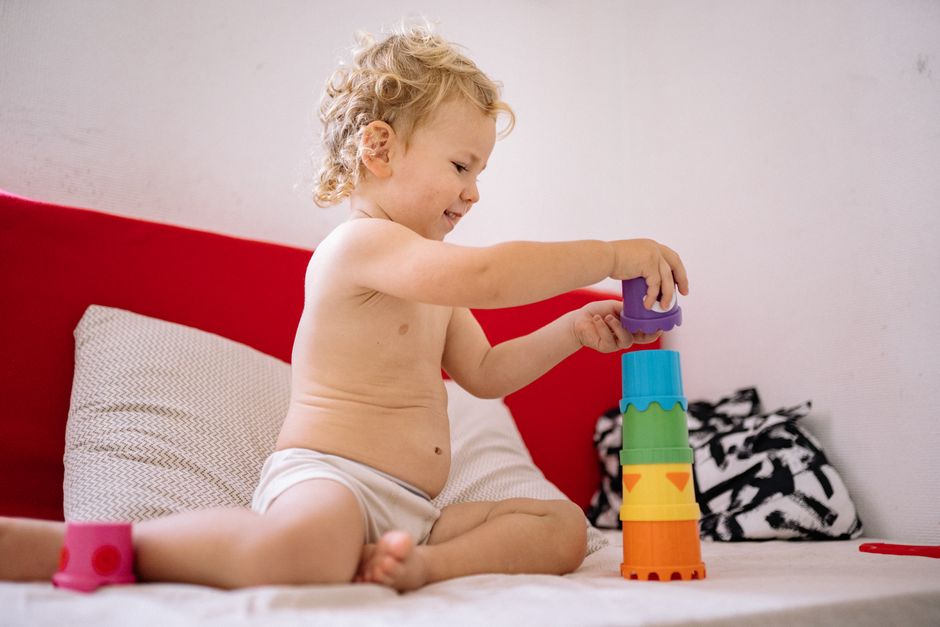
Parents frequently search for toddler growth milestones by age guide resources because developmental progress can feel difficult to track. Montessori learning activities naturally align with major developmental stages and help children practice emerging skills in realistic, low-pressure environments.
Toddler Cognitive Development Milestones
Toddler cognitive growth includes memory formation, sequencing, pattern recognition, focus, and problem-solving. Montessori learning activities encourage these skills through repetition and independent experimentation.
Examples of cognitive milestone activities include:
- Shape sorting
- Stacking towers
- Object permanence games
- Matching cards
- Simple puzzles
- Sorting by color or size
- Sequencing activities
As toddlers repeat these exercises, they strengthen neural pathways related to logic, attention, and decision-making.
| Age Range | Cognitive Milestone | Montessori Activity |
| 12-18 months | Object permanence | Hidden object games |
| 18-24 months | Cause and effect | Water pouring stations |
| 2-3 years | Sequencing | Sorting and matching trays |
| 3-4 years | Problem solving | Simple practical life tasks |
| 4-6 years | Logical categorization | Classification games |
Speech and Language Development Through Montessori Learning
Many parents worry about how to improve toddler speech development naturally. Montessori language activities encourage toddlers to hear, identify, and use words during meaningful interactions rather than passive repetition.
Helpful Montessori speech activities include:
- Naming household objects
- Reading realistic picture books
- Storytelling baskets
- Animal sound matching
- Conversation during routines
- Describing sensory experiences
- Singing repetitive songs
Speech development improves significantly when toddlers hear language connected to real experiences. For example, describing food textures during meals or naming clothing items during dressing routines builds vocabulary naturally.
Parents working on toddler nutrition guide for beginners routines can combine mealtime conversations with resources from the Feeding & Nursing collection to encourage self-feeding and communication.
Fine Motor Skills and Hand Coordination Activities
Fine motor development is one of the biggest strengths of Montessori learning systems. Activities that involve grasping, pinching, twisting, transferring, threading, and buttoning help toddlers strengthen hand muscles required later for writing and self-care.
Examples include:
- Transferring pom-poms with tongs
- Threading beads
- Opening containers
- Buttoning practice
- Using child-safe scissors
- Pouring water
- Using droppers or tweezers
These tasks also support concentration and emotional patience.
Gross Motor Development and Movement-Based Learning
Movement plays a major role in toddler brain development. Gross motor activities improve balance, coordination, body awareness, and confidence.
Montessori-inspired movement activities include:
- Obstacle courses
- Carrying objects safely
- Walking on tape lines
- Climbing playground structures
- Yoga stretches
- Dancing to music
- Outdoor nature walks
Children who move regularly often demonstrate better emotional regulation and sleep quality.
Signs Your Toddler May Need Additional Developmental Support
While every child develops differently, some developmental signs may indicate the need for additional professional evaluation. Parents should consider speaking with a pediatrician if a toddler consistently shows:
- Limited eye contact
- No meaningful words by expected stages
- Loss of previously learned skills
- Difficulty responding to sounds
- Extreme sensory distress
- Limited social engagement
- Persistent movement difficulties
Early support can significantly improve developmental outcomes. Montessori learning activities can complement professional therapies by creating structured, low-pressure opportunities for skill practice.
The Best Montessori Learning Activities for Toddlers at Home

The best Montessori learning activities are simple, practical, repeatable, and connected to real-life experiences. Most do not require expensive equipment. In fact, many highly effective activities use everyday household items.
Practical Life Activities Toddlers Can Do Daily
Practical life activities help toddlers participate meaningfully in daily routines while building independence and coordination.
- Wiping tables
- Folding washcloths
- Watering plants
- Peeling bananas
- Sweeping crumbs
- Sorting laundry
- Pouring water into cups
- Putting away toys
These activities support toddler behavior problems and solutions by giving children purposeful responsibility and reducing frustration caused by constant adult control.
Many parents also organize practical life stations using products from the Baby Care Essentials collection to encourage independent hygiene and self-care habits.
For toddlers who enjoy hands-on fine motor challenges, the Montessori Busy Board with LED Light – Sensory Play Fun can provide an engaging extension of practical life skill development.

This type of activity board helps toddlers practice hand coordination, cause-and-effect understanding, focus, and independent exploration in a structured format.
Sensory Play Activities That Improve Focus and Learning
Sensory play helps toddlers process information through touch, smell, sound, movement, and visual exploration. These activities are especially helpful for concentration and emotional regulation.
Easy sensory play ideas include:
- Rice bins
- Texture boards
- Water play stations
- Sound matching containers
- Smell jars with spices
- Play dough exploration
- Nature sensory trays
Parents should always supervise sensory play and ensure materials are age appropriate.
Montessori Language Activities for Early Speech Development
Language development improves most when toddlers participate in conversations connected to real activities.
Helpful Montessori speech activities include:
- Object naming games
- Picture matching
- Simple storytelling
- Describing emotions
- Singing repetitive songs
- Question-and-answer games
- Reading realistic books
Parents concerned about how to improve toddler speech development should focus less on memorization and more on responsive conversation throughout the day.
Math and Problem-Solving Activities for Toddlers
Early math skills develop naturally through sorting, sequencing, measuring, and comparing.
Simple toddler math activities include:
- Counting snacks
- Sorting by size
- Shape recognition games
- Pattern matching
- Building block towers
- Measuring ingredients
- Stacking activities
Montessori math activities emphasize hands-on learning rather than worksheets.
Indoor Montessori Activities for Rainy Days
Indoor Montessori activities are especially valuable for apartment living, bad weather, or quiet afternoon routines.
Popular indoor learning ideas include:
- Sticker transfer activities
- Pillow obstacle courses
- Sock sorting games
- Indoor scavenger hunts
- Building cardboard tunnels
- Simple yoga routines
- Window observation activities
Families searching for easy indoor learning activities for kids often rotate sensory materials weekly to maintain engagement without overwhelming the child.
How to Create Montessori Learning Activities Using Household Items

One of the biggest Montessori misconceptions is that parents need expensive wooden toys or elaborate classroom setups. In reality, toddlers often learn best using familiar household materials.
Kitchen-Based Montessori Activities
The kitchen naturally supports practical life learning.
- Scooping dry oats
- Measuring water
- Washing fruits
- Stirring ingredients
- Sorting utensils
- Peeling eggs
- Setting napkins on the table
These activities strengthen motor control while supporting toddler daily feeding routine development.
DIY Sensory Play Ideas With Safe Household Materials
Budget-friendly sensory materials can include:
- Dry rice
- Pasta
- Pom-poms
- Cotton balls
- Water beads (with supervision)
- Fabric scraps
- Sponges
- Ice cubes
Rotating materials occasionally helps toddlers remain curious and engaged.
Low-Prep Montessori Activities for Busy Parents
Parents do not need elaborate Pinterest setups to support development. Some of the best low-prep Montessori activities take less than five minutes to arrange.
- Transferring socks into baskets
- Sorting kitchen lids
- Matching spoons
- Wiping mirrors
- Opening and closing containers
- Color sorting with paper squares
Simple routines repeated consistently often produce better developmental outcomes than complicated activities used inconsistently.
How to Rotate Activities to Maintain Toddler Interest
Too many toys at once can overwhelm toddlers and reduce concentration. Montessori shelf rotation helps maintain curiosity while supporting focused play.
Tips for effective rotation:
- Display only 6-10 activities at once
- Rotate weekly or biweekly
- Remove activities that no longer interest the child
- Reintroduce older activities later
- Keep shelves organized and uncluttered
Parents often combine shelf rotation systems with organizational solutions from the Baby Growth & Learning collection to create calmer play spaces.
Montessori Busy Boards, Quiet Books, and Sensory Activity Books Explained

Montessori-inspired learning materials can support independent exploration when used thoughtfully. The goal is not constant entertainment, but purposeful engagement that reinforces developmental skills.
What Are the Benefits of Montessori Busy Boards for Toddlers?
Busy boards encourage toddlers to practice fine motor movements such as flipping switches, sliding buttons, rotating knobs, and manipulating latches. These movements strengthen hand coordination while improving concentration and problem-solving.
Busy boards are especially useful for:
- Independent play practice
- Travel entertainment
- Fine motor development
- Cause-and-effect learning
- Focus building
- Reducing overstimulation
Because toddlers naturally enjoy manipulating real-world objects, busy boards often hold attention longer than electronic toys.
When Quiet Books Work Better Than Traditional Toys
Quiet books are ideal for calm environments where toddlers need structured, low-noise activities.
Helpful situations include:
- Car rides
- Flights
- Restaurants
- Waiting rooms
- Bedtime wind-down routines
- Independent quiet time
The Montessori Quiet Book for Daily Skills & Sensory Learning is one example of a tactile activity resource designed for hands-on learning and quiet engagement.

Soft sensory materials, matching activities, and daily routine simulations can help toddlers practice independence while remaining calm and focused.
Choosing Age-Appropriate Montessori Learning Materials
Age-appropriate materials should match a toddler’s current developmental stage rather than trying to push advanced academic skills too early.
| Age | Recommended Focus | Suggested Activity Type |
| 12-18 months | Sensory exploration | Simple transfer activities |
| 18-24 months | Practical life tasks | Pouring and sorting |
| 2-3 years | Language and sequencing | Matching and storytelling |
| 3-4 years | Problem solving | Puzzles and practical routines |
| 4-6 years | Independence and logic | Multi-step activities |
How to Use Activity Books Without Replacing Open-Ended Play
Activity books work best as supplemental tools rather than replacements for movement, imaginative play, outdoor exploration, and family interaction.
Parents should aim for balance by combining:
- Practical life tasks
- Outdoor movement
- Sensory exploration
- Conversation-based learning
- Quiet independent activities
- Free imaginative play
Montessori learning is most effective when children participate actively in real-life experiences.
Creating a Montessori-Friendly Toddler Routine

A predictable toddler routine helps children feel secure while improving independence, behavior regulation, and emotional stability.
Morning Montessori Routines That Encourage Independence
Morning routines provide valuable opportunities for toddlers to practice self-care skills.
- Choosing clothes
- Washing hands
- Brushing teeth
- Helping prepare breakfast
- Putting dishes away
- Making simple choices
Children often cooperate more willingly when routines are predictable and paced calmly.
Parents creating toddler hygiene tips for beginners routines frequently use organizational products from the Baby Hygiene Gadgets collection to simplify independent self-care practice.
Using Montessori Principles During Meals and Snack Time
Meals are powerful opportunities for practical life learning and communication development.
Toddlers can help:
- Wash produce
- Carry napkins
- Pour water
- Wipe spills
- Choose healthy foods
- Practice table manners
These routines support how to balance toddler nutrition daily while encouraging independence.
How Montessori Activities Improve Sleep and Emotional Regulation
Children who experience calm, focused activities during the day often transition into bedtime more smoothly.
Helpful bedtime strategies include:
- Reducing overstimulation before sleep
- Using calming sensory activities
- Reading predictable stories
- Following consistent bedtime sequences
- Creating dim, organized sleep environments
Families building a toddler sleep routine schedule guide often benefit from reducing noisy toys and replacing evening screen time with calming hands-on activities.
Supportive bedtime environments may also include products from the Sleep & Comfort collection for improved consistency and relaxation.
Balancing Structured Activities and Free Play
Montessori learning does not require rigid scheduling. Toddlers still need free exploration, outdoor movement, and unstructured creativity.
A balanced day typically includes:
- Short structured learning activities
- Independent free play
- Outdoor movement
- Practical life participation
- Quiet rest time
- Family interaction
Over-scheduling toddlers often leads to frustration and resistance.
Common Montessori Mistakes Parents Should Avoid
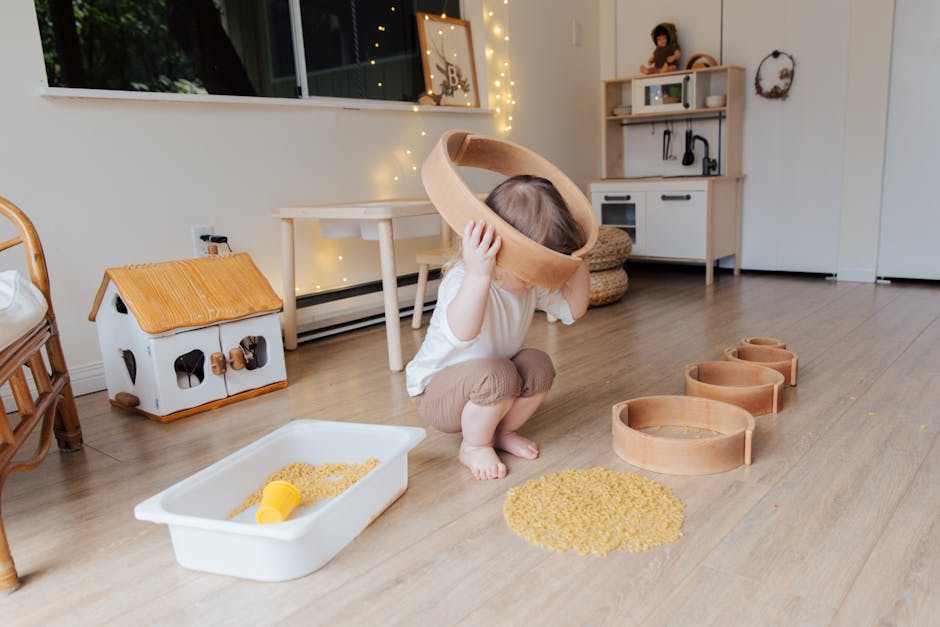
Many parents unintentionally overcomplicate Montessori learning. Simple, consistent routines are usually more effective than expensive setups or perfection-focused expectations.
Overcomplicating Montessori Learning
Montessori does not require perfectly aesthetic shelves, costly materials, or elaborate lesson plans. Everyday household routines often provide the richest learning opportunities.
Using Too Many Toys at Once
Too many available toys can overwhelm toddlers and reduce concentration.
Signs of overstimulation include:
- Rapid toy switching
- Short attention spans
- Increased tantrums
- Difficulty focusing
- Messy play areas
Rotating toys and simplifying spaces often improves engagement dramatically.
Expecting Independent Play Too Quickly
Independent play develops gradually. Younger toddlers still require co-regulation, guidance, and emotional connection before they can sustain solo play for longer periods.
Parents should begin with short activity sessions and slowly increase independence over time.
Ignoring Toddler Readiness Signals
Montessori learning works best when parents observe the child’s interests and readiness rather than forcing activities.
If a toddler consistently avoids an activity, it may be:
- Too advanced
- Too easy
- Overstimulating
- Physically difficult
- Poorly timed
Observation helps parents adjust learning environments appropriately.
A Simple Weekly Montessori Activity Plan for Toddlers
Creating a simple weekly rhythm helps families maintain consistency without feeling overwhelmed.
Sample Monday to Friday Montessori Routine
| Day | Focus Area | Example Activity |
| Monday | Practical life | Water pouring practice |
| Tuesday | Language | Picture naming games |
| Wednesday | Sensory play | Texture sorting trays |
| Thursday | Movement | Indoor obstacle course |
| Friday | Creative exploration | Nature collage activity |
Consistency matters more than complexity.
5-Minute Montessori Activities for Busy Days
Quick activities can still provide meaningful developmental benefits.
- Sorting socks
- Pouring water
- Matching lids
- Peeling fruit
- Cleaning mirrors
- Sticker transfer games
- Simple scavenger hunts
These low-prep activities work well for busy families managing toddler daily care routines.
Travel-Friendly Montessori Activities
Travel situations often challenge toddlers because routines become unpredictable.
Helpful travel activities include:
- Quiet books
- Sticker pads
- Small sorting trays
- Reusable drawing boards
- Sensory zipper pouches
- Matching card games
Portable calm-play options can reduce travel-related tantrums significantly.
How to Adapt Activities for Different Toddler Ages
Activities should evolve gradually as toddlers gain new skills.
| Activity | Younger Toddler Version | Older Toddler Version |
| Pouring | Large cups | Smaller pitchers |
| Sorting | 2 colors | Multiple categories |
| Puzzles | Large knob puzzles | Sequencing puzzles |
| Language games | Single-word naming | Storytelling prompts |
| Practical life | Wiping spills | Preparing snacks |
Parents seeking additional developmental guidance often browse the Baby Growth & Learning Tips resource hub for age-specific learning ideas.
Montessori Learning Activities by Toddler Age
Developmental readiness changes rapidly during toddlerhood. Matching activities to age and skill level improves engagement and reduces frustration.
Montessori Activities for 12-18 Month Toddlers
Younger toddlers learn primarily through sensory exploration and movement.
Helpful activities include:
- Object permanence boxes
- Simple stacking toys
- Large texture cards
- Water play
- Music and movement
- Container opening practice
- Ball rolling games
At this stage, short activity sessions work best.
Montessori Activities for 18-24 Month Toddlers
Toddlers in this stage become increasingly interested in practical life participation and language expansion.
- Pouring water
- Simple food prep
- Picture naming
- Matching games
- Sorting objects
- Indoor sweeping
- Large bead threading
Consistency and repetition remain extremely important.
Montessori Activities for 2-3 Year Olds
Older toddlers can begin more complex sequencing, storytelling, and independent problem-solving activities.
- Story baskets
- Counting games
- Sequencing cards
- Simple science observations
- Role-play practical life tasks
- Multi-step sensory bins
- Creative open-ended play
At this age, many children also enjoy interactive learning books that combine puzzles, sensory activities, and independent problem-solving.
The Busy Book for Kids – Montessori Learning & Activity Fun is one example of an activity resource that combines matching, motor practice, and early educational play.

Interactive activity books can be particularly useful during quiet learning periods, travel, or independent play routines when balanced alongside movement and open-ended exploration.
Frequently Asked Questions
What are the best Montessori learning activities for toddlers at home?
The best Montessori learning activities are practical, hands-on, and simple. Examples include pouring water, sorting objects, washing fruits, matching colors, wiping tables, sensory bins, storytelling, and simple movement games.
How do Montessori activities help toddler cognitive development?
Montessori activities improve memory, sequencing, concentration, problem-solving, and decision-making through repetition and hands-on exploration.
What indoor Montessori activities improve toddler speech development?
Picture naming, storytelling baskets, singing repetitive songs, sensory description games, and conversation during routines all support language growth and communication skills.
How can I create Montessori learning activities using household items?
You can use measuring cups, bowls, spoons, dry rice, laundry baskets, containers, washcloths, and safe kitchen tools to create highly effective Montessori learning setups.
What are the benefits of Montessori busy boards for toddlers?
Busy boards help toddlers practice fine motor skills, concentration, problem-solving, and independent play while supporting sensory exploration and cause-and-effect learning.
At what age should toddlers start Montessori activities?
Montessori-inspired activities can begin during infancy with sensory exploration and simple movement experiences. More structured practical life activities usually begin around 12-18 months.
How long should Montessori activities last for toddlers?
Most toddler activities should remain short and flexible. Younger toddlers may focus for only 5-10 minutes, while older toddlers may engage for 20-30 minutes depending on interest.
Can Montessori learning activities reduce screen time?
Yes. Purposeful hands-on activities often reduce boredom and encourage independent engagement, making it easier for families to reduce reliance on screens.
What are easy Montessori activities for working parents?
Simple low-prep activities include sorting laundry, pouring water, sticker transfers, wiping tables, matching socks, and naming household objects during routines.
Do Montessori activities help with toddler behavior and tantrums?
Montessori routines often improve behavior by increasing independence, reducing overstimulation, creating predictable structure, and giving toddlers meaningful participation in daily life.
Conclusion
Montessori learning activities for toddlers are not about creating perfect playrooms or buying expensive educational products. The real goal is to build calm, developmentally supportive environments where children can explore, communicate, move, solve problems, and participate confidently in everyday life.
Through practical life experiences, sensory learning, movement, language exploration, and consistent routines, toddlers develop the concentration, emotional regulation, independence, and curiosity that support lifelong learning.
Parents building healthier routines often combine Montessori principles with resources from the Baby Growth & Learning, Sensory Toys, and Sleep & Comfort collections to support balanced developmental environments at home.
The most effective Montessori learning systems are usually the simplest: meaningful routines, patient observation, hands-on participation, and opportunities for toddlers to practice independence every single day.
Pillar Article: Development Milestones in Early Childhood: Montessori-Based Guide for Parents (2026)





