

Development Milestones in Early Childhood: The Complete Parent Guide with Montessori Tips
Many parents quietly wonder whether their child is “on track” — especially during the first five years when growth feels both rapid and unpredictable. One month a toddler is crawling, the next they are forming words, and suddenly they are expressing emotions with surprising complexity. Developmental milestones exist to bring structure to this uncertainty, offering reference points that help families understand what is typical, what is emerging, and when extra support may be helpful.
Guided by global standards from pediatric frameworks such as the CDC developmental milestone charts and WHO child development guidance, milestones are not rigid deadlines but flexible developmental ranges. When paired with Montessori-inspired learning at home, they become powerful tools for nurturing cognitive, motor, language, and social growth in a balanced and practical way.
Throughout this guide, you’ll learn how to track milestones, understand age-based developmental stages, and apply simple home activities that support healthy early childhood growth. For more parenting insights, explore our Baby Growth & Learning collection and our Baby Growth & Learning Tips blog hub.
What Are Development Milestones in Early Childhood?

Developmental milestones are specific skills or behaviors that most children can do within a certain age range. These include physical abilities like walking, cognitive skills like problem-solving, language development such as first words, and social-emotional behaviors like sharing or responding to caregivers.
Core definition and purpose of milestones
Milestones serve as developmental checkpoints that help parents and professionals evaluate whether a child’s growth is progressing within expected ranges. They are not tests, but observational tools that reflect patterns of brain and body development.
How organizations like CDC and WHO define milestone tracking
Organizations such as the CDC and WHO structure milestones based on large-scale developmental research. These frameworks group skills into categories like gross motor, fine motor, language, and social development to help standardize early childhood evaluation worldwide.
Why milestones matter for early intervention
When developmental delays are identified early, children can receive targeted support such as speech therapy or occupational therapy. Early intervention is one of the most effective ways to improve long-term developmental outcomes, especially in language and motor skills.
Early Childhood Milestones by Age Group (0–5 Years)

Understanding development by age helps parents recognize both achievements and emerging skills. Below is a structured overview of typical milestones from birth to five years old.
0–12 Months: Sensory and motor foundation
- Lifts head during tummy time
- Responds to familiar voices
- Begins to grasp objects
- Develops social smiling and early vocal sounds
1–2 Years: First words and independent movement
- Walks independently
- Says first meaningful words
- Follows simple instructions
- Explores environment actively
2–3 Years: Language explosion and coordination growth
- Combines words into short sentences
- Improves running and climbing skills
- Begins pretend play
- Shows early social interaction with peers
3–5 Years: Early cognitive structuring and social behavior
- Engages in storytelling and imaginative play
- Draws shapes and begins writing attempts
- Understands basic rules and routines
- Develops emotional regulation skills
To support these stages, many families explore structured learning tools from our Baby Care Essentials and Baby Care Tips & Advice collections.
Cognitive Development Stages in Early Childhood

Cognitive development refers to how children think, learn, and solve problems. In early childhood, this progression moves from sensory-based exploration to symbolic thinking and imagination.
How thinking patterns evolve from sensory to symbolic reasoning
Infants learn through touch, sound, and movement. As they grow, they begin to form mental representations of objects and ideas, eventually using language and imagination to solve problems and express thoughts.
Practical signs of cognitive growth in daily activities
You may notice cognitive development when your child begins sorting objects, recognizing patterns, remembering routines, or engaging in pretend play such as feeding dolls or building structures.
Gross Motor Skills vs Fine Motor Skills Development

Motor development is divided into two main categories: gross motor skills (large movements) and fine motor skills (small, precise movements).
Gross motor skills development milestones (walking, jumping, climbing)
Gross motor development involves large muscle groups. Activities like crawling, walking, running, and jumping strengthen coordination, balance, and spatial awareness.
Fine motor skills development milestones (grasping, drawing, stacking)
Fine motor skills involve hand and finger control. These skills are essential for writing, feeding, dressing, and other everyday tasks that require precision and coordination.
Support for both motor skill types can be enhanced through curated products in our Mobility & Training and Sensory Toys collections.
Language Acquisition in Toddlers and Speech Development

Language development is one of the most important milestones in early childhood. It reflects cognitive growth, social awareness, and emotional expression.
Stages of language acquisition in toddlers
Children typically progress from babbling to single words, then to two-word combinations, and eventually to full sentences. Exposure to conversation, reading, and responsive communication plays a major role in this process.
Signs of delayed speech development
Common signs include limited vocabulary for age, lack of response to name, or difficulty forming simple words. While variation is normal, consistent delays may require evaluation.
Home strategies to improve toddler speech development
Talking frequently with your child, reading aloud daily, and narrating everyday activities can significantly support language development. Encouraging imitation and repetition is also highly effective.
How to Track Developmental Milestones at Home

Tracking milestones does not require complex systems. Simple observation and consistency are often enough to understand developmental progress.
Using milestone checklists effectively
Parents can use age-based checklists to track emerging skills. These tools help identify both progress and areas that may need support.
How to document progress without over-monitoring
It is important to observe naturally during play and daily routines rather than testing children. Over-monitoring can create unnecessary stress and reduce the joy of learning.
When to consult pediatricians using AAP guidelines
If a child consistently misses multiple milestones or loses previously acquired skills, consulting a pediatrician is recommended for further evaluation.
For more structured guidance, visit our Health & Safety collection and Health & Safety Tips blog section.
Montessori Education Method and Developmental Learning
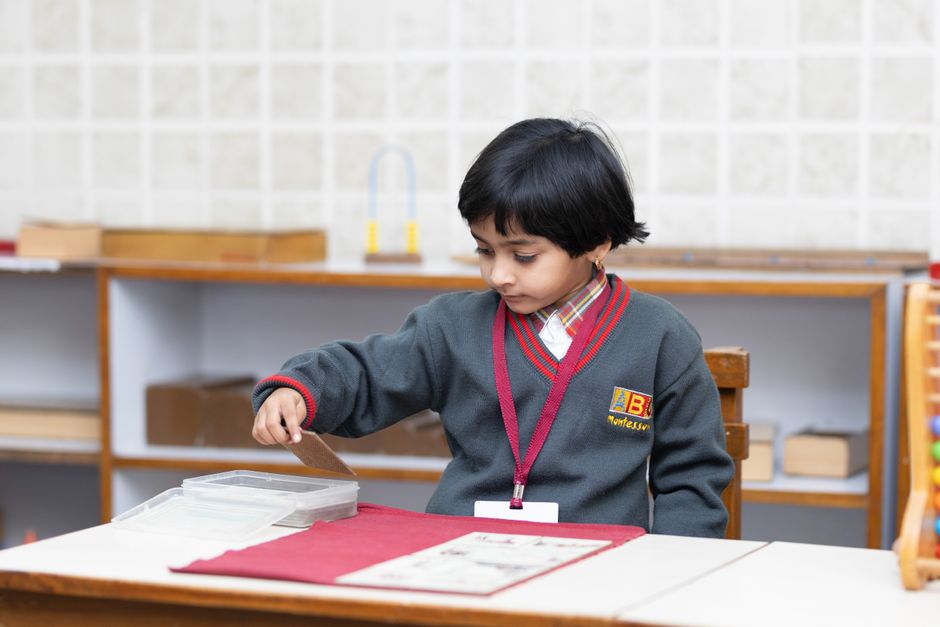
The Montessori approach emphasizes independence, sensory learning, and hands-on exploration. It aligns naturally with developmental milestone progression by encouraging children to learn through experience.
Core principles of Montessori education method
Key principles include self-directed learning, prepared environments, and learning through tactile and sensory experiences rather than passive instruction.
How Montessori supports independent developmental learning
Montessori-based activities allow children to explore at their own pace, strengthening confidence, attention span, and problem-solving skills.
Best Montessori Toys for Early Childhood Development

Toys play a powerful role in reinforcing developmental milestones. Below are practical examples of Montessori-inspired tools that support sensory, cognitive, and motor growth.
Montessori busy board toys for fine motor skills
Interactive learning tools like the Busy Book for Kids help strengthen early cognitive and motor skills through hands-on exploration.

Busy Book for Kids – Montessori Learning & Activity Fun
This activity book supports early literacy, fine motor development, and problem-solving skills through puzzles, shapes, and interactive tasks.
Sensory development toys for toddlers
Sensory play enhances brain development by engaging touch, sight, and movement. One example is the Montessori Sensory Toy 8-in-1 Development Cube.

Montessori Sensory Toy – 8-in-1 Development Cube
This toy supports sensory exploration, gripping strength, and early problem-solving through multiple interactive elements designed for small hands.
Explore more developmental play tools in our Baby Growth & Learning and Sensory Toys collections.
Red Flags: When to Be Concerned About Missing Milestones

While variation is normal, certain patterns may indicate developmental delays that require attention.
Motor delay warning signs
Difficulty sitting, crawling, or walking beyond expected age ranges may suggest motor development delays.
Speech and language delay indicators
Limited babbling, lack of word formation, or minimal response to communication may indicate speech development concerns.
When to consult specialists or pediatricians
If multiple delays are observed across different developmental areas, professional evaluation is recommended to ensure timely support.
Daily Activities to Support Early Childhood Development

Everyday routines are powerful opportunities for learning. Simple interactions often have the greatest developmental impact.
Montessori-inspired home activities
Activities like sorting objects, stacking blocks, and practical life tasks help children develop independence and coordination.
Language-building play routines
Reading books, singing songs, and narrating daily actions support vocabulary expansion and communication skills.
Motor skill strengthening exercises at home
Climbing, crawling through soft obstacles, and drawing activities help strengthen both gross and fine motor development.
For structured routines and daily guidance, explore our Feeding & Nursing and Mom Essentials collections.
FAQ: Development Milestones in Early Childhood
What are the key development milestones in early childhood by age?
They include motor skills (walking, crawling), language skills (first words, sentences), cognitive skills (problem-solving), and social-emotional development (interaction and emotional regulation), typically progressing from birth to age five.
How can I track my child’s developmental milestones effectively at home?
Use age-based checklists, observe daily behaviors, and document progress naturally during play and routines without over-testing your child.
What are the signs of delayed toddler speech development and how can I help?
Signs include limited vocabulary, lack of word combinations, or poor response to speech. Helping strategies include reading aloud, talking frequently, and encouraging repetition.
Which Montessori toys support early childhood cognitive and motor development?
Busy boards, sensory cubes, and interactive activity books help develop fine motor skills, cognitive reasoning, and sensory exploration.
When should I be concerned about missing developmental milestones?
If a child consistently misses multiple milestones or loses previously acquired skills, it is advisable to consult a pediatrician for evaluation and guidance.
Conclusion
Developmental milestones are best understood as flexible guides rather than strict deadlines. Every child grows at their own pace, influenced by environment, interaction, and individual differences. When combined with structured frameworks from pediatric authorities and enriched with Montessori-style learning experiences, milestones become practical tools for supporting healthy early childhood development.
For continued learning and developmental support tools, explore our Baby Growth & Learning collection or browse parenting insights in our Baby Growth & Learning Tips hub.
Related Articles:
- Toddler Sleep Routine Schedule Guide: Bedtime Schedules, Sleep Training & Daily Habits
- Toddler Nutrition Guide for Beginners: Meals, Routines & Growth Milestones
- Toddler Daily Care Routine Schedule: Simple Routines for Ages 1–3
- Montessori Learning Activities for Toddlers: 75 Fun Indoor Ideas for Early Development





