

The Ultimate Road Trip With Baby Packing Checklist for Stress-Free Family Travel
Planning a road trip with a baby can feel overwhelming. Parents often worry about forgotten diapers, feeding supplies, sleep disruptions, car seat safety, and unexpected emergencies. The good news is that successful family travel is rarely about perfection—it is about preparation. A well-organized road trip with baby packing checklist helps reduce stress, improve safety, and keep your child comfortable throughout the journey. Whether you are traveling with a newborn, infant, or toddler, this comprehensive guide provides a practical system for planning, packing, organizing, and traveling confidently.
Road Trip With Baby Packing Checklist: Quick Answer
A complete road trip with baby packing checklist should cover travel documents, diapers, feeding supplies, clothing, sleep essentials, health items, safety equipment, entertainment, emergency backups, and vehicle organization. Pack more supplies than you expect to need and keep frequently used items within easy reach.
The 10 Essential Categories Every Parent Should Pack
- Travel documents and medical information
- Diapers and wipes
- Feeding supplies
- Hydration essentials
- Sleep and comfort items
- Clothing and weather protection
- Health and hygiene products
- Entertainment and toys
- Emergency backup supplies
- Vehicle safety equipment
Printable Road Trip Packing Checklist Overview
- Diaper bag fully stocked
- Car seat correctly installed
- Formula or breast milk packed safely
- Extra clothing for baby and parents
- First aid kit ready
- Emergency contact information available
- Sleep essentials packed
- Vehicle inspected before departure
Why Road Trips With Babies Require Different Planning

Traveling with a baby differs significantly from traveling alone. Babies have unpredictable schedules, frequent feeding needs, diaper changes, and limited tolerance for long periods in a car seat. Thoughtful planning helps minimize disruptions and creates a more enjoyable experience for the entire family.
The Most Common Challenges Parents Face on Long Drives
Parents commonly encounter feeding delays, unexpected diaper emergencies, disrupted naps, traffic-related schedule changes, and limited access to baby supplies. These challenges become easier to manage when backup items are packed and organized properly.
How Preparation Reduces Travel Stress
Preparation creates flexibility. When parents pack extra diapers, spare clothing, feeding supplies, and emergency items, they are better equipped to handle delays and unexpected situations. Many families also benefit from exploring resources in the Baby Care Tips & Advice section before traveling.
Complete Road Trip With Baby Packing Checklist
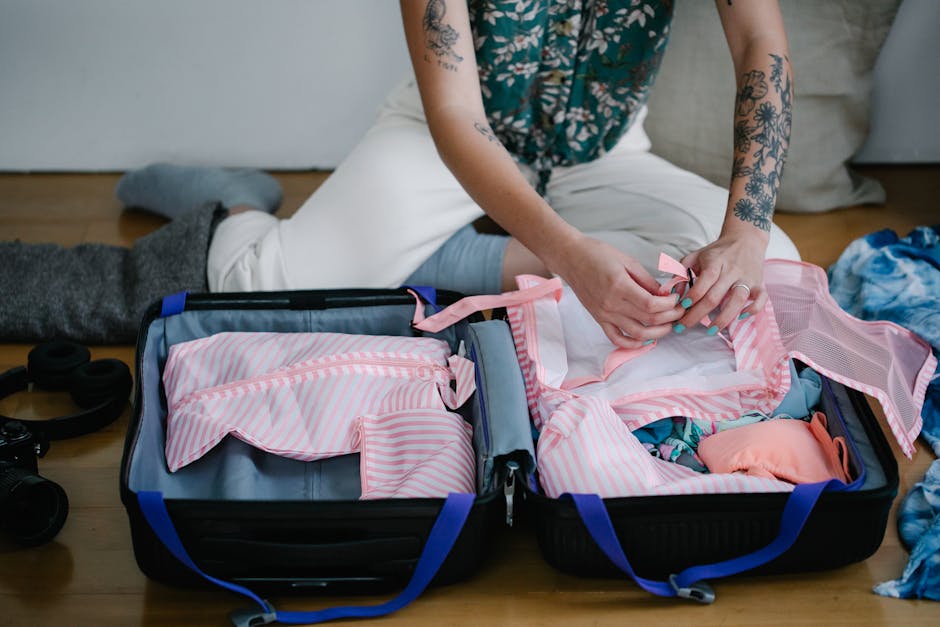
This section serves as the core packing framework for family road travel.
Travel Documents and Important Information
- Health insurance cards
- Pediatrician contact information
- Emergency contact list
- Medication records
- Travel itinerary
- Vehicle registration and insurance
Diapering Essentials
- One diaper per two hours of travel plus extras
- Baby wipes
- Diaper rash cream
- Disposable changing pads
- Plastic bags for disposal
- Hand sanitizer
Feeding and Hydration Supplies
- Bottles
- Formula or breast milk storage containers
- Bottle cleaning supplies
- Bibs
- Burp cloths
- Water for parents and older babies
Families preparing feeding systems may find additional resources within the Feeding & Nursing collection.
Sleep and Comfort Items
- Favorite blanket
- Sleep sack
- Pacifiers
- White noise device
- Portable crib
- Comfort toys
Clothing and Weather Protection
- Two to three outfit changes per day
- Weather-appropriate layers
- Socks and hats
- Sun protection clothing
- Rain gear if needed
Health and Hygiene Supplies
- Baby-safe thermometer
- First aid kit
- Baby nail care items
- Medications approved by your pediatrician
- Tissues
- Baby washcloths
Parents often add essentials from the Health & Safety collection and the Baby Care Essentials collection when building their travel kit.
Entertainment and Developmental Toys
- Soft books
- Teething toys
- Sensory toys
- Music playlists
- Interactive travel toys
Age-appropriate activities from the Sensory Toys collection can help keep babies engaged during longer drives.
Age-Based Packing Recommendations

Newborn Road Trip Checklist (0-3 Months)
Newborns require frequent feeding and diaper changes. Pack extra swaddles, feeding supplies, spare clothing, and multiple burp cloths. Plan more frequent stops than you might expect and avoid overly ambitious driving schedules.
Infant Road Trip Checklist (3-12 Months)
Infants become more interactive and mobile. Include toys, teething aids, feeding accessories, sleep items, and weather protection. Extra clothing remains essential because spills and messes become more common.
Toddler Road Trip Checklist (12-24 Months)
Toddlers benefit from structured entertainment. Bring books, snacks, activity toys, comfort items, and opportunities for movement during stops. Portable seating and meal solutions become increasingly valuable during travel.
Car Seat and Vehicle Safety Essentials

Vehicle safety is one of the most important aspects of traveling with a baby. Proper restraint systems, temperature management, and vehicle organization significantly reduce travel risks.
Choosing Between an Infant Car Seat and Convertible Car Seat
Infant car seats are often preferred for newborns because they provide a better fit and allow easy transfers. Convertible seats offer longer-term value and accommodate growth over time. The best option depends on your child's age, size, and travel habits.
Safe Car Seat Installation Checklist
- Read the vehicle and seat manuals
- Confirm correct harness height
- Ensure tight installation
- Verify chest clip positioning
- Inspect seat before every trip
- Remove bulky clothing before buckling
Sun Protection and Temperature Management
Keep the vehicle comfortably cool and avoid direct sunlight exposure. Use window shades where appropriate and monitor your child's comfort throughout the drive.
Portable Baby Safety Gear Worth Packing
Portable safety items may include outlet covers, cabinet locks, baby monitors for overnight stops, and travel-friendly comfort accessories. As an example of a travel support item, some families use a car seat sleep support accessory during long drives.
Baby Car Seat Head Support – Adjustable Strap for Safe Sleep

This type of accessory is often considered by parents looking to improve comfort during longer rides. Always follow manufacturer instructions and ensure any accessory is appropriate for your child's age and car seat setup.
How to Organize Your Vehicle for Easy Access

Vehicle organization can dramatically reduce stress. The goal is to keep frequently used items within reach while maintaining a safe and uncluttered cabin.
Front Seat Parent Essentials Zone
Store navigation tools, water bottles, snacks, tissues, charging cables, and travel documents in easily accessible compartments.
Back Seat Baby Care Station Setup
Create a mini care station containing diapers, wipes, feeding supplies, extra clothing, and comfort items. This setup minimizes time spent searching for essentials during stops.
Trunk Organization Strategy
Use labeled storage bins for clothing, feeding items, overnight supplies, and emergency gear. Group similar items together for faster access.
How to Pack a Diaper Bag for Road Trips
Pack the diaper bag as if it must support the next several hours independently. Include diapers, wipes, spare clothes, feeding items, comfort objects, medications, and emergency supplies.
A practical example is the 3-in-1 Diaper Bag Backpack with Foldable Baby Bed, which combines organized storage with a portable changing space.

For additional travel organization ideas, parents often explore the Mom Essentials collection.
Feeding Logistics During Long Drives

Feeding logistics require planning because safe preparation, storage, and timing all influence a baby's comfort during travel.
Packing Baby Formula Safely
Pre-measure formula portions when possible. Keep clean water available and follow storage guidelines. Bring extra formula in case of delays.
Breast Milk Storage During Travel
Use insulated coolers and ice packs to maintain appropriate temperatures. Store milk securely and monitor cooling effectiveness during long drives.
Introducing Solids on Road Trips
If your baby already eats solids, pack familiar foods. Avoid introducing new foods during travel because reactions or digestive discomfort can complicate the trip.
Managing Feeding Stops Efficiently
Schedule stops around feeding windows when possible. Choose safe, clean areas where diaper changes and feeding can occur comfortably.
Parents looking for additional feeding resources can review products in the Feeding Tools collection and educational resources within the Feeding & Nursing Tips section.
How Often Should You Stop During a Road Trip With a Baby?

Recommended Stop Intervals by Baby Age
Most families benefit from stopping every two to three hours. Newborns may require more frequent breaks due to feeding and diaper needs.
What to Do During Rest Breaks
- Feed your baby
- Change diapers
- Allow supervised movement
- Check temperature and comfort
- Reorganize supplies
Sample Long-Distance Travel Schedule
| Time | Activity |
| 7:00 AM | Departure after feeding |
| 9:30 AM | Rest stop and diaper change |
| 12:00 PM | Lunch and feeding break |
| 2:30 PM | Stretch and refresh stop |
| 5:00 PM | Arrival or overnight stop |
Helping Babies Sleep Better During Long Car Rides

Sleep Scheduling Before Departure
Many parents choose departure times that align with normal nap schedules. Early morning departures often allow babies to sleep through a portion of the journey.
Comfort Items That Improve Sleep Quality
Familiar sleep items can provide reassurance. Consistent routines, comfortable clothing, and a calm environment also support better rest.
Families preparing for overnight travel frequently browse the Sleep & Comfort collection for travel-friendly sleep solutions.
Travel Crib and Overnight Stop Planning
If your trip includes hotel stays or overnight visits with family, bringing a travel crib can help maintain sleep consistency and bedtime routines.
Avoiding Common Sleep Disruptions
- Avoid excessive stimulation before naps
- Maintain comfortable temperatures
- Keep feeding schedules predictable
- Plan driving segments around sleep windows
Emergency Road Trip Checklist for Families
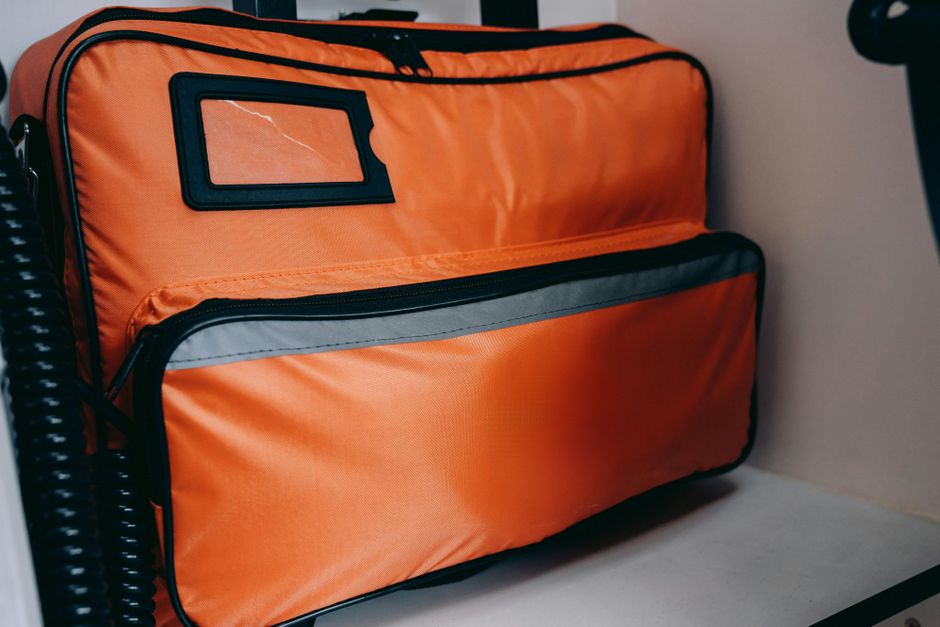
First Aid Kit Essentials for Babies
- Bandages
- Digital thermometer
- Infant medications approved by your pediatrician
- Saline drops
- Medical gloves
- Emergency contact information
Emergency Clothing and Backup Supplies
Pack at least one full change of clothing for each family member. Extra blankets, diapers, wipes, and feeding supplies should always be available.
Vehicle Emergency Equipment
- Flashlight
- Portable charger
- Jumper cables
- Emergency water
- Roadside safety kit
What to Do if Your Baby Gets Sick While Traveling
Monitor symptoms carefully, contact your pediatrician if needed, and identify nearby healthcare facilities along your route. Maintaining updated medical information can simplify emergency situations.
Road Trip Gear That Makes Travel Easier

Best Diaper Bag Features for Road Travel
Look for organized compartments, insulated bottle storage, durable materials, and comfortable carrying straps. Efficient organization reduces stress during busy travel days.
When a Portable Changing Pad Becomes Essential
Portable changing pads help maintain hygiene and convenience at rest stops, gas stations, and unfamiliar locations.
Travel Stroller Benefits During Rest Stops
A lightweight stroller can make breaks more comfortable for both parents and babies. It also allows movement and exploration during longer stops.
Portable Child Seating and Convenience Gear
Families traveling with older infants and toddlers sometimes bring portable seating solutions for restaurants, hotels, and visits with relatives. Portable options can simplify meal times and improve consistency during travel.
Ultimate Printable Road Trip Packing Checklist
Pre-Departure Checklist
- Vehicle serviced and fueled
- Route planned
- Weather checked
- Emergency contacts updated
- Accommodation confirmed
Vehicle Checklist
- Car seat inspected
- Tire pressure checked
- Navigation system updated
- Emergency kit loaded
- Phone chargers packed
Baby Essentials Checklist
- Diapers
- Wipes
- Formula or breast milk
- Bottles
- Extra clothing
- Blankets
- Toys
- Pacifiers
- Medications
Emergency Backup Checklist
- Additional diapers
- Extra feeding supplies
- Backup clothing
- Portable power bank
- Roadside emergency tools
- Printed contact information
Frequently Asked Questions
What should be included in a road trip with baby packing checklist?
Include diapers, wipes, feeding supplies, clothing, sleep essentials, health items, emergency equipment, travel documents, and entertainment.
How often should you stop during a long road trip with a baby?
Most families benefit from stopping every two to three hours, though newborns may require more frequent breaks.
What are the most important road trip safety tips with kids?
Use an appropriate car seat, ensure proper installation, monitor temperatures, schedule regular breaks, and keep emergency supplies available.
How can babies sleep better during long car rides?
Align travel with nap schedules, maintain familiar sleep routines, and provide comfort items that your baby already recognizes.
What baby travel essentials should parents pack for an emergency?
Extra diapers, feeding supplies, medications, clothing, a first aid kit, emergency contacts, and vehicle safety equipment.
How many diapers should I bring on a road trip?
Pack more than expected. Many parents bring one diaper for every two hours of travel plus several extras.
Is it safe for newborns to take long car rides?
Many newborns can travel safely when proper car seat guidelines are followed, but parents should discuss long trips with their pediatrician.
What is the best way to organize a diaper bag for travel?
Group items by category and keep frequently used supplies in easily accessible compartments.
Should parents bring a travel crib on road trips?
If overnight stays are planned, a travel crib often helps maintain consistent sleep routines.
How do you store breast milk safely during a road trip?
Use insulated coolers and appropriate ice packs to maintain safe storage temperatures throughout the journey.
Conclusion
A successful family road trip begins long before the vehicle leaves the driveway. Careful preparation, realistic scheduling, thoughtful packing, and strong safety habits can transform a potentially stressful experience into an enjoyable family adventure. Use this road trip with baby packing checklist as a starting point, customize it for your child's age and needs, and continue refining your system after every trip. The more organized your approach becomes, the easier future family travel will be.
Pillar Article: How to Travel With a Newborn: Complete Safety, Packing & Travel Guide for Parents





