

The Ultimate Guide to Safe Outdoor Toys for Different Ages
Choosing the right outdoor toys for children can feel overwhelming for parents. A toy that works perfectly for a preschooler may be unsafe or frustrating for a toddler, while older kids often need more challenging activities to stay engaged. The best outdoor toys combine safety, developmental value, creativity, and active movement while matching a child’s age and skill level.
Outdoor play is more than entertainment. It supports gross motor development, social interaction, confidence, emotional regulation, sensory learning, and imaginative thinking. Whether families are planning backyard adventures, camping weekends, nature-based learning activities, or rainy-day indoor alternatives, selecting age-appropriate play equipment helps children learn safely through exploration.
This comprehensive guide covers safe outdoor toys for toddlers, preschoolers, and young children while explaining how to choose durable materials, encourage creative play, support STEM learning, and build consistent outdoor routines. Parents can also explore helpful resources inside the Baby Growth & Learning collection for additional educational play inspiration and child development tools.
Why Age-Appropriate Outdoor Play Matters for Child Development

Children learn differently at every developmental stage. Outdoor toys that match physical coordination, attention span, sensory needs, and cognitive ability encourage healthy growth while reducing frustration and injury risks.

How Outdoor Play Supports Gross Motor Skills and Fine Motor Development
Outdoor activities strengthen large muscle groups through running, climbing, balancing, pulling, pushing, and jumping. Toddlers build coordination by practicing movement patterns repeatedly, while preschoolers improve agility, reaction time, and body awareness.
Fine motor development also benefits from outdoor exploration. Scooping sand, stacking natural materials, watering plants, sorting rocks, and building forts help children improve finger control and hand-eye coordination.
Experts in early childhood development often recommend combining structured movement with open-ended play. Activities such as obstacle courses, sensory bins, and camping games encourage both physical exercise and problem-solving skills.
Parents looking for additional developmental activity ideas often browse the Baby Growth & Learning Tips section for age-based learning routines and sensory play guidance.
The Role of Learning Through Play in Early Childhood
Learning through play helps children absorb new concepts naturally. Instead of memorizing information, children experiment with movement, textures, sounds, and imaginative storytelling.
Outdoor environments are especially powerful because they stimulate curiosity. Nature walks encourage observation skills. Camping games introduce teamwork and communication. Water play teaches cause and effect. Pretend outdoor adventures improve creativity and emotional expression.
Montessori-inspired outdoor activities focus heavily on independent exploration. Open-ended toys allow children to create their own rules, stories, and experiences rather than following rigid instructions.
Why Safety Standards Change by Age Group
Children develop rapidly during the first years of life, which means safety requirements change constantly. Toys designed for older children may contain small parts, harder surfaces, longer cords, or heavier materials that are unsafe for toddlers.
Key safety differences by age include:
- Toddlers need rounded edges and large pieces
- Preschoolers benefit from lightweight climbing and balancing equipment
- Older children can safely handle more complex construction toys and STEM activities
- Outdoor materials should resist moisture, mold, heat, and UV damage
- Portable camping toys should remain stable on uneven surfaces
Parents should also monitor toy wear regularly. Cracked plastic, loose screws, splintered wood, and faded materials can increase injury risk over time.
How to Choose Safe Outdoor Toys for Different Ages

Parents can simplify outdoor toy shopping by focusing on developmental readiness, safety materials, portability, and imaginative play value instead of buying trendy toys that children quickly outgrow.

Check Age Labels and Developmental Recommendations
Age labels exist for important safety reasons. Manufacturers test toys for choking hazards, durability, and physical coordination requirements.
When evaluating outdoor toys:
- Choose toys slightly above current skill level only if supervised
- Avoid advanced balance equipment for unstable walkers
- Select sensory activities for toddlers with limited attention spans
- Introduce teamwork games gradually for preschoolers
- Consider emotional readiness alongside physical coordination
Children enjoy toys more when challenges feel achievable rather than frustrating.
Choose Child-Safe Toy Materials for Outdoor Use
Outdoor toys should withstand sunlight, dirt, water, and changing temperatures without breaking down into unsafe materials.
| Material | Benefits | Best For |
| Food-grade silicone | Flexible, easy to clean | Sensory toys |
| Natural wood | Durable, Montessori-friendly | Pretend play and building |
| BPA-free plastic | Lightweight and washable | Water and travel toys |
| Soft foam | Safer for indoor active play | Toddlers and small spaces |
| Weather-resistant fabric | Portable and flexible | Tents and camping toys |
Parents concerned about toy hygiene and maintenance can also explore products inside the Health & Safety collection.
Prioritize Open-Ended and Imaginative Play
Open-ended toys grow with children and encourage independent thinking. A simple outdoor play tent can become a campsite, reading nook, market stand, or pretend castle depending on the child’s imagination.
Creative outdoor play helps children:
- Build storytelling skills
- Practice communication
- Improve emotional expression
- Strengthen social cooperation
- Develop problem-solving abilities
Montessori-inspired toys are particularly effective because they encourage self-directed learning rather than passive entertainment.
Match Toys to Your Outdoor Environment
Families should choose outdoor toys based on available space and lifestyle.
- Backyards support obstacle courses, ride-on toys, and water tables
- Camping trips benefit from portable sensory activities and lightweight games
- Apartments may require foldable indoor-outdoor equipment
- Beach environments need waterproof and sand-resistant materials
- Parks work well for teamwork games and nature exploration kits
Portable storage solutions can also help families keep outdoor toys organized between trips.
Look for Easy-to-Clean and Portable Outdoor Toys
Outdoor toys accumulate dirt quickly, especially during camping weekends and nature play sessions. Washable surfaces and lightweight designs save parents time and make travel easier.
Important portability features include:
- Foldable construction
- Lightweight materials
- Storage compartments
- Weather-resistant surfaces
- Easy assembly and cleanup
Travel-focused families often combine outdoor play setups with accessories from the Mobility & Training collection for convenient movement support and active learning tools.
Best Safe Outdoor Toys for Toddlers (Ages 1-3)

Toddlers learn through movement, sensory exploration, repetition, and imitation. Outdoor toys for this age group should prioritize safety, balance support, soft materials, and simple interactions.

Sensory Play Toys for Toddlers
Sensory play activities help toddlers understand textures, movement, temperature, sound, and coordination. Outdoor sensory bins filled with water, sand, leaves, or safe natural materials create engaging learning opportunities.
Popular toddler sensory activities include:
- Water pouring stations
- Sand scooping games
- Nature treasure hunts
- Bubble play
- Mud kitchens
- Texture walks
Parents can find additional toddler-friendly sensory resources inside the Sensory Toys collection.
Push, Pull, and Ride-On Toys for Early Mobility
Early walkers need stable support while developing confidence and coordination. Push toys encourage balance while allowing toddlers to practice movement safely.
A strong example is the Baby Push Walker with Music & Learning Activity Board, which combines mobility support with sensory engagement and interactive learning features.

The combination of movement support, shape sorting, music, and drawing activities encourages toddlers to stay engaged while improving balance and fine motor skills.
When choosing mobility toys for toddlers:
- Select wide, stable bases
- Avoid slippery wheels
- Choose non-toxic materials
- Check for secure handles
- Look for rounded corners
Water and Sand Play Ideas for Safe Exploration
Water and sand play remain some of the most effective toddler learning activities because they support sensory development, language growth, and independent exploration.
Simple outdoor play ideas include:
- Pouring water between containers
- Building soft sand hills
- Scooping floating objects
- Making nature soups with leaves and flowers
- Creating mini construction sites
Always supervise toddlers closely during water play, even in shallow containers.
Toy Safety Mistakes Parents Should Avoid for Toddlers
Common toddler toy safety mistakes include:
- Using toys with detachable small pieces
- Allowing unsupervised climbing
- Ignoring weather damage on plastic toys
- Choosing toys with sharp edges
- Using oversized ride-on equipment too early
Routine inspection matters because toddlers frequently mouth toys and place objects near their faces.
Best Outdoor Play Ideas for Preschoolers (Ages 3-5)
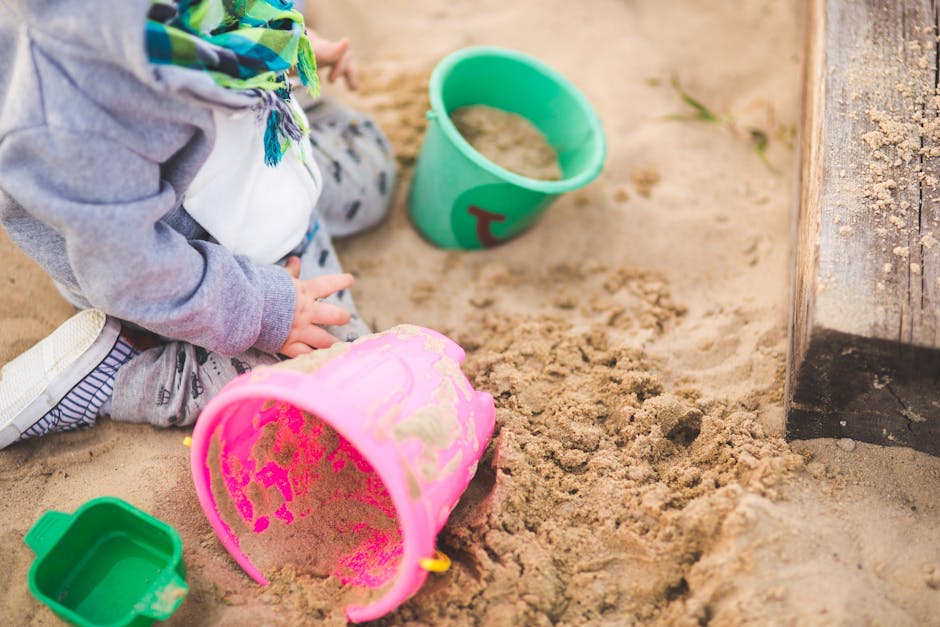
Preschoolers thrive when outdoor activities combine movement, creativity, social interaction, and problem-solving. This age group enjoys role play, simple rules-based games, and nature exploration.

Outdoor Games for 4 Year Olds That Build Coordination
Four-year-olds are rapidly developing coordination and body control. Outdoor games should encourage movement while remaining manageable and fun.
Excellent coordination-building activities include:
- Bean bag toss games
- Mini obstacle courses
- Backyard cornhole
- Hopscotch
- Balance beam walks
- Ball rolling races
Parents setting up backyard cornhole games should use lightweight bean bags and reduce throwing distance for younger children.
Imaginative Play Toys for Backyard Adventures
Imaginative outdoor play supports storytelling, communication, and emotional growth. Preschoolers love pretending they are chefs, campers, explorers, astronauts, or shopkeepers.
The Wooden Kids Kitchen Playset – Realistic Design for Creative Play demonstrates how realistic role-play environments can encourage creativity and independent learning.

Many families place pretend kitchens near backyard gardens or camping setups to encourage imaginative outdoor storytelling and collaborative play.
Preschool Learning Activities Through Nature Play
Nature play teaches observation, curiosity, and environmental awareness. Preschoolers benefit greatly from hands-on outdoor learning experiences.
Educational nature activities include:
- Leaf sorting by color and shape
- Bug observation jars
- Outdoor scavenger hunts
- Rock painting
- Cloud watching and storytelling
- Plant watering routines
Nature-based learning also improves attention span and emotional regulation.
Outdoor Toys That Encourage Social Skills and Teamwork
Preschool children begin understanding cooperation, sharing, and simple teamwork. Group outdoor games help them practice communication and emotional control.
Strong teamwork activities include:
- Camping scavenger hunts
- Backyard relay races
- Pretend restaurant games
- Parachute activities
- Nature treasure hunts
Parents can also encourage collaborative play by rotating leadership roles during outdoor games.
Outdoor STEM Activities and Problem Solving Toys for Kids

Outdoor STEM learning combines science, creativity, engineering, and exploration. These activities help children experiment naturally while building confidence and critical thinking skills.

Best STEM Toys for Backyard Learning
Outdoor STEM toys encourage children to ask questions, test ideas, and explore problem-solving independently.
Popular outdoor STEM concepts include:
- Water flow experiments
- Building ramps
- Magnet exploration
- Simple gardening projects
- Weather observation
- DIY obstacle engineering
Children learn more effectively when activities involve movement and hands-on interaction instead of passive instruction.
Outdoor Toys That Develop Problem Solving Skills
Problem-solving play teaches children persistence and flexibility. Open-ended toys are especially effective because they encourage experimentation.
Activities that strengthen critical thinking include:
- Building outdoor forts
- Creating treasure maps
- Solving scavenger hunt clues
- Designing mini camping setups
- Constructing nature pathways
Role-play toys also contribute to cognitive flexibility because children create scenarios, rules, and solutions independently.
Simple Science Activities for Outdoor Exploration
Parents do not need expensive science kits to encourage STEM learning. Everyday outdoor materials can support exciting educational experiences.
| Activity | Learning Goal | Recommended Age |
| Floating vs sinking | Scientific observation | 3-5 |
| Shadow tracing | Sunlight awareness | 4-6 |
| Plant growth tracking | Nature science | 3-7 |
| DIY ramps | Physics concepts | 4-7 |
| Nature sorting | Classification skills | 2-5 |
Building Curiosity Through Learning Through Play
Curiosity develops when children feel free to explore and experiment without fear of failure. Outdoor learning environments naturally encourage observation, questioning, and creativity.
Parents can support curiosity by:
- Allowing unstructured outdoor time
- Encouraging open-ended questions
- Providing simple materials for experimentation
- Avoiding excessive screen time
- Modeling curiosity themselves
Children who regularly participate in exploratory outdoor play often demonstrate stronger independence and problem-solving confidence.
Montessori Learning Toys for Outdoor Play
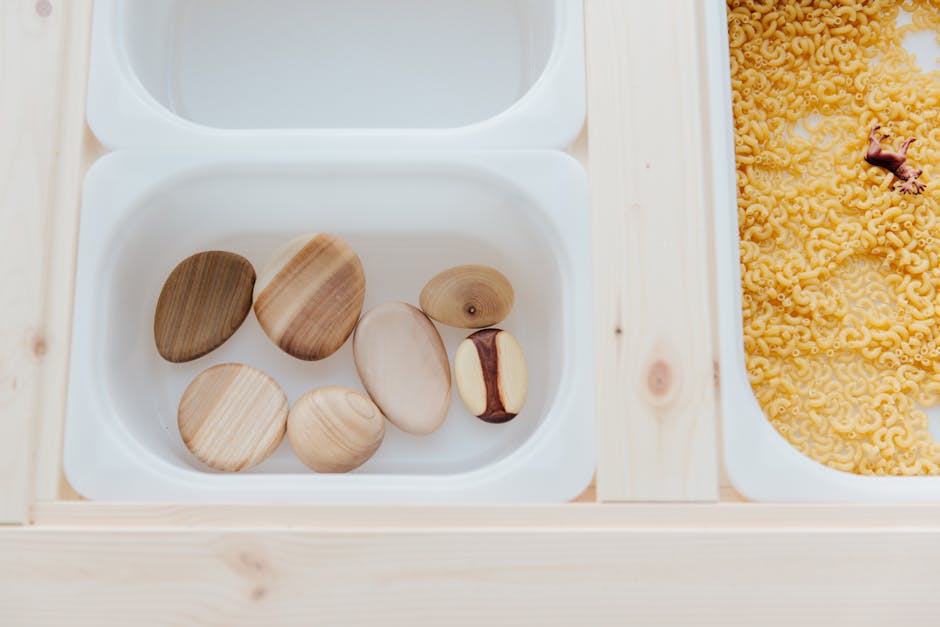
Montessori-inspired outdoor play focuses on independence, hands-on learning, movement, and practical exploration. Instead of overstimulating electronic toys, Montessori environments encourage children to interact directly with real-world materials and imaginative experiences.

What Makes a Toy Montessori-Inspired?
Montessori toys usually feature:
- Simple and purposeful designs
- Natural materials
- Open-ended use
- Independent exploration opportunities
- Real-world skill development
Outdoor Montessori activities often include gardening, pouring water, sorting natural objects, balancing exercises, and imaginative role play.
Best Montessori Outdoor Toys by Age
Toddlers benefit from sensory exploration and practical movement tools, while preschoolers enjoy pretend play and collaborative outdoor activities.
| Age Group | Recommended Montessori Activities | Primary Benefit |
| 1-2 years | Water pouring and push toys | Motor development |
| 2-3 years | Nature sorting and sensory bins | Sensory learning |
| 3-5 years | Pretend camping and gardening | Creativity and independence |
| 5-7 years | Outdoor STEM building | Problem solving |
How Sensory Play Supports Independent Learning
Sensory exploration allows children to make discoveries independently. Activities involving water, sand, leaves, sticks, or mud help children understand texture, weight, temperature, and movement naturally.
Independent sensory play also improves:
- Focus and attention span
- Emotional regulation
- Language development
- Coordination
- Creative thinking
Parents seeking Montessori-inspired organization ideas may also find useful resources inside the Mom Essentials Guide.
Age Appropriate Camping Games and Outdoor Travel Toys

Camping trips create valuable opportunities for family bonding, nature exploration, teamwork, and creative outdoor learning. Portable games and lightweight toys help children stay engaged while developing independence outdoors.

Backyard Camping Ideas for Toddlers and Preschoolers
Families do not need large campgrounds to enjoy educational camping experiences. Backyard camping introduces outdoor routines in a safe, familiar environment.
Simple backyard camping activities include:
- Flashlight storytelling
- Nature scavenger hunts
- Pretend campfire songs
- Outdoor snack stations
- Tent reading corners
- Star observation
Portable sensory toys and movement activities help toddlers stay engaged during longer outdoor sessions.
Portable Outdoor Toys for Family Trips
Travel-friendly outdoor toys should remain lightweight, compact, washable, and versatile.
Ideal camping toys include:
- Foldable play tents
- Portable sensory kits
- Waterproof stacking cups
- Compact building blocks
- Nature exploration tools
- Travel-sized cooperative games
Parents preparing for family travel can also browse the Sleep & Comfort collection for supportive camping and travel accessories.
Camping Games That Encourage Creativity and Teamwork
Camping activities work best when children collaborate instead of competing constantly.
Creative camping games include:
- Build-a-fort challenges
- Nature bingo
- Outdoor cooking pretend play
- Story chain adventures
- Treasure map creation
- Glow-stick obstacle paths
These activities strengthen communication, listening skills, and cooperative problem solving.
Safe Outdoor Lighting and Nighttime Play Tips
Nighttime outdoor activities can feel magical for children, but safety matters.
- Use low-heat LED lighting
- Avoid dangling electrical cords
- Keep play zones clearly visible
- Provide reflective clothing during camping trips
- Supervise flashlight games carefully
Parents often combine travel play planning with safety products from the Monitoring Devices collection.
Indoor Alternatives for Rainy-Day Active Play
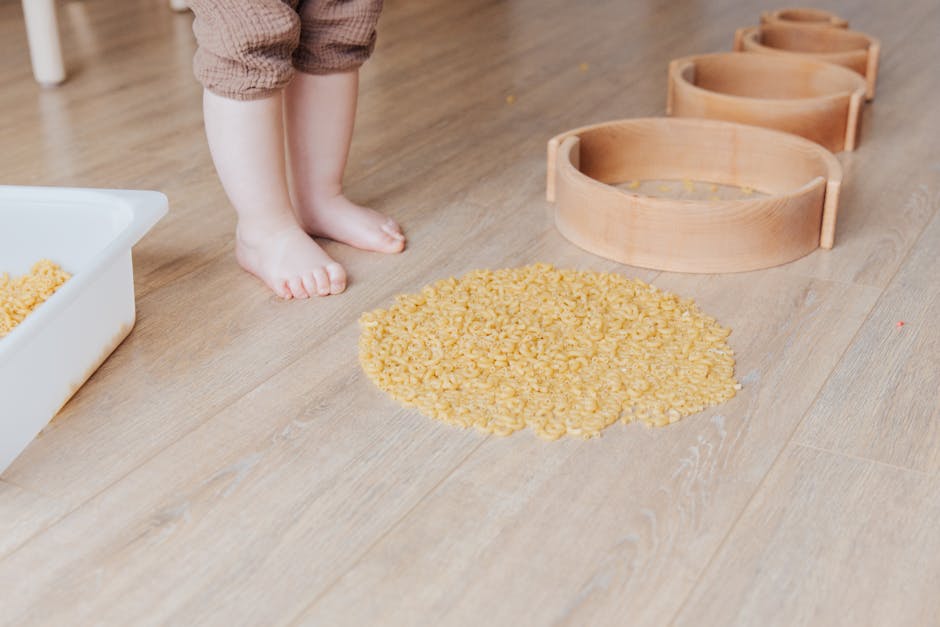
Rainy weather does not need to interrupt active learning and movement. Indoor play setups can support gross motor development, creativity, and sensory exploration safely.

Indoor Sensory Play Activities
Indoor sensory play helps energetic toddlers stay engaged during bad weather.
Popular indoor sensory ideas include:
- Rice sensory bins
- Foam block construction
- Water painting activities
- Soft texture exploration
- Indoor treasure hunts
Mess-friendly mats and washable materials help simplify cleanup.
Safe Indoor Gross Motor Activities for Preschoolers
Preschoolers still need movement during rainy days. Indoor active play helps regulate energy and improve coordination.
Safe indoor movement activities include:
- Pillow obstacle courses
- Indoor bowling
- Dancing games
- Balloon volleyball
- Tunnel crawling
- Animal movement races
Parents should create open floor space and remove sharp furniture edges before active play sessions.
Creative Play Setups for Small Spaces
Families living in apartments or urban homes can still encourage imaginative play by using flexible play zones.
Helpful small-space strategies include:
- Rotating toys weekly
- Using foldable storage bins
- Creating themed play corners
- Choosing multi-purpose toys
- Prioritizing open-ended activities
Organized storage systems also reduce overstimulation and make cleanup easier for children.
Outdoor Toy Safety Checklist for Parents

Routine safety checks help prevent injuries and extend the lifespan of outdoor toys.

Safe Material Checklist Before Buying
- Choose BPA-free plastics
- Look for non-toxic paints
- Avoid strong chemical odors
- Check for smooth edges
- Verify weather resistance
- Ensure sturdy construction
Parents can find additional family safety resources inside the Health & Safety Tips section.
How to Inspect Outdoor Toys for Wear and Damage
Outdoor exposure can weaken toy materials over time.
Inspect regularly for:
- Loose screws
- Cracked plastic
- Rusting hardware
- Splintered wood
- Faded or brittle surfaces
- Mold growth
Damaged toys should be repaired or replaced immediately.
Outdoor Supervision Tips by Age Group
| Age | Recommended Supervision |
| 1-2 years | Constant close supervision |
| 3-4 years | Visible monitoring during active play |
| 5-7 years | Periodic supervision with clear rules |
Camping environments may require increased supervision due to uneven terrain and unfamiliar surroundings.
Recommended Daily Outdoor Play Routines by Age

Consistent outdoor routines help children develop healthy movement habits, emotional balance, and stronger attention spans.

15-Minute Toddler Sensory Play Routine
- 5 minutes of movement warm-up
- 5 minutes of sensory exploration
- 5 minutes of calming water or nature play
Short sessions work best because toddlers fatigue quickly.
30-Minute Preschool Outdoor Learning Routine
- 10 minutes of active movement games
- 10 minutes of creative or pretend play
- 10 minutes of nature observation or STEM exploration
Structured flexibility keeps preschoolers engaged without overwhelming them.
Weekend Backyard Play Schedule for Families
Weekend outdoor routines can combine learning, teamwork, creativity, and relaxation.
| Time | Activity |
| Morning | Nature walk or scavenger hunt |
| Midday | Sensory or water play |
| Afternoon | Backyard camping games |
| Evening | Storytelling and quiet outdoor time |
Families building consistent routines often combine outdoor activities with organizational products from the Baby Care Essentials collection.
Frequently Asked Questions
What are the safest outdoor toys for toddlers and preschoolers?
The safest outdoor toys use non-toxic materials, rounded edges, stable construction, and age-appropriate sizing. Sensory toys, lightweight ride-on toys, soft climbing equipment, and imaginative play setups are popular safe choices.
How do I choose age appropriate camping games for toddlers?
Choose lightweight, portable games with simple rules and short attention requirements. Sensory scavenger hunts, flashlight storytelling, and soft movement activities work especially well for toddlers.
What outdoor activities help preschoolers learn through play?
Nature scavenger hunts, pretend camping, obstacle courses, gardening, water experiments, and cooperative backyard games all encourage learning through movement and exploration.
Are Montessori learning toys good for outdoor play?
Yes. Montessori-inspired outdoor toys encourage independent learning, sensory exploration, creativity, and hands-on interaction with natural environments.
What outdoor toys help develop problem solving skills in preschoolers?
Open-ended building toys, obstacle courses, scavenger hunts, camping role play, and STEM exploration activities help children practice planning and critical thinking.
What materials are safest for children's outdoor toys?
Natural wood, BPA-free plastic, silicone, soft foam, and weather-resistant fabrics are commonly considered safe when properly maintained and regularly inspected.
How much outdoor playtime do toddlers and preschoolers need daily?
Most experts recommend at least 60 minutes of active outdoor play daily, although many children benefit from significantly more movement and exploration.
What are the best outdoor sensory play ideas for young children?
Water tables, sand bins, mud kitchens, leaf collecting, bubble play, and nature sorting activities all support sensory learning.
How do I clean and maintain outdoor toys safely?
Use mild soap and warm water regularly, inspect for cracks or rust, store toys in dry areas, and avoid harsh chemicals that may damage child-safe surfaces.
Which outdoor toys are best for small backyards or apartments?
Foldable play tents, portable sensory bins, foam climbing sets, lightweight obstacle tools, and multi-purpose imaginative play toys work well in limited spaces.
Conclusion
The best outdoor toys combine safety, creativity, movement, and developmental learning while matching a child’s age and interests. Toddlers benefit from sensory exploration and mobility support, while preschoolers thrive through imaginative role play, teamwork activities, and nature-based learning.
Parents do not need complicated or expensive setups to encourage meaningful outdoor experiences. Simple routines, portable camping games, sensory exploration, and open-ended activities can create lasting learning opportunities while strengthening family connection.
Whether planning backyard adventures, preschool STEM activities, rainy-day movement games, or camping weekends, choosing age-appropriate outdoor toys helps children build confidence, independence, creativity, and healthy movement habits that support long-term development.
Pillar Article: Play Based Learning for Early Childhood: Activities, Games & Development Guide





